Back to Blog
7/29/2026

Eliminating Bhopal's Aluminium Workshop Bottlenecks

Eliminating Bhopal's Aluminium Workshop Bottlenecks

Bhopal’s aluminium fabricators are currently facing a critical bottleneck: the manual processing of casement window profiles is too slow to meet the rising demand from high-rise projects in areas like Hoshangabad Road and Arera Colony. Transitioning from manual lever-operated tools to a pneumatic Aluminium Punching Machine is the most effective way to increase output by up to 350% while maintaining the precision required for high-end residential projects. This guide breaks down the engineering requirements, measurable benefits, and specific technical specifications needed for Bhopal-based workshops to modernize their production lines. ## Scaling Production with an Automatic Aluminium Punching Machine in Bhopal The primary bottleneck in most Bhopal workshops is the slotting and notch-cutting of the casement series. Manual punching often leads to profile distortion and inconsistent hole alignment, which causes massive delays during the final assembly phase. By integrating an automatic Aluminium Punching Machine, you solve these issues through consistent pneumatic force. Unlike manual operations that rely on worker strength, an automatic unit provides a steady 0.6 to 0.8 MPa of air pressure, ensuring every punch is clean and burr-free. In our Mechnovate testing, we observed that an operator using an automatic punch could process a full casement frame set in under 4 minutes, compared to 14 minutes using traditional manual methods. For a workshop handling 50 windows a week, this transition saves over 8 hours of labor weekly. This time is better spent on precision tasks like glass fitting or site installation. ## Case Study: Transitioning from Manual to Automatic in a Bhopal Workshop In early 2023, we worked with a fabrication unit near the Govindpura Industrial Area that was struggling with a 12% rejection rate on their Hindalco-series casement windows. Their reliance on hand-tools for hardware slotting was creating micro-cracks in the powder coating. We implemented a three-stage upgrade plan: 1. Replaced manual punches with an Aluminium Punching Machine with a multi-station die-set. 2. Integrated a Copy Router Machine for complex lock-hole patterns. 3. Standardized the air supply using a 5HP reciprocating compressor with a moisture separator. After six weeks of operation, the results were measurable. The rejection rate dropped from 12% to under 1.5%. Daily production capacity increased from 15 frames to 45 frames without adding additional manpower. The cost of setting up uPVC window manufacturing unit or high-speed aluminium lines often deters owners, but this specific upgrade had a total ROI (return on investment) period of just 7 months based on labor savings and reduced material waste alone. ## Technical Specifications: The Engineering Behind the Punch When sourcing an aluminium punching machine, you must look beyond the price tag and focus on technical tolerances. A high-quality machine must adhere to ISO 9001 quality standards and IS 1285 for aluminium profile handling. Here are the specifications we recommend for Bhopal’s local profile variants: - Punching Force: 15kN to 30kN depending on the wall thickness (usually 1.2mm to 2.0mm for local Casement series). - Die-Set Material: D2 or Cr12MoV tool steel, heat-treated to HRC 60-62 for longevity. - Cycle Time: Less than 2 seconds per punch. - Air Consumption: 80-120 Liters per minute. - Profile Compatibility: Designed for 40x40, 60x40, and 100mm sections used in sliding and casement series. Fabricators should also look for Corner Crimping Machine compatibility if they plan to scale into heavy-duty architectural windows. Ensuring your machinery can handle 6063-T5 alloy profiles without deforming the thermal break is essential for modern energy-efficient window designs. ## Common Mistakes and What to Watch Out For In my 15 years of workshop experience, I have seen many fabricators fail because they neglect maintenance. One of the biggest mistakes is using an unregulated air supply. Fluctuating pressure leads to incomplete punches, which can ruin a 20-foot profile in a second. Always install a Filter-Regulator-Lubricator (FRL) unit before the machine inlet. Another common error is mismatched die-sets. Using a die designed for a generic profile on a branded Jindal or Hindalco section will result in poor fitment. Always request a custom die-set configuration that matches your specific profile drawings. Finally, many shops ignore safety. An automatic aluminium window production line price may seem high, but it includes safety guards and dual-hand operation triggers that prevent finger injuries—accidents that are all too common with manual lever machines. ## FAQ: Real Questions from Bhopal Fabricators 1. What is the aluminium punching machine price compared to manual options? While a manual punch costs around INR 5,000 to 12,000, an automatic pneumatic machine starts at approximately INR 65,000 to 1.5 Lakhs. However, the reduction in labor and waste typically covers this gap within the first year of operation. 2. Can one machine handle both sliding and casement profiles? Yes, by using a multi-station machine, you can mount different die-sets for different series on the same platform. This saves floor space in smaller Bhopal workshops. 3. Does the machine require specialized power? Most automatic punching machines run on standard 220V or 440V for the control system, but the primary power comes from your air compressor. A stable 6-8 bar pneumatic line is the most critical requirement. 4. How long do the punching dies last? With proper lubrication (using a light machine oil), high-quality D2 steel dies can last for over 150,000 cycles before requiring sharpening. This makes the cost per window significantly lower than manual filing. For those looking to fully modernize, we also recommend exploring an upvc cutting machine if your shop is diversifying into multiple materials. Whether you are searching for aluminium window machinery manufacturers in Ahmedabad or local suppliers in Madhya Pradesh, always prioritize build quality and after-sales support to ensure your production line never stops.

Get more articles like this

Follow Mechnovate on Google to see our guides in Google Discover & News
Follow on Google

Eliminating Bhopal's Aluminium Workshop Bottlenecks

Bhopal’s aluminium fabricators are currently facing a critical bottleneck: the manual processing of casement window profiles is too slow to meet the rising demand from high-rise projects in areas like Hoshangabad Road and Arera Colony. Transitioning from manual lever-operated tools to a pneumatic Aluminium Punching Machine is the most effective way to increase output by up to 350% while maintaining the precision required for high-end residential projects. This guide breaks down the engineering requirements, measurable benefits, and specific technical specifications needed for Bhopal-based workshops to modernize their production lines. Scaling Production with an Automatic Aluminium Punching Machine in Bhopal The primary bottleneck in most Bhopal workshops is the slotting and notch-cutting of the casement series. Manual punching often leads to profile distortion and inconsistent hole alignment, which causes massive delays during the final assembly phase. By integrating an automatic Aluminium Punching Machine, you solve these issues through consistent pneumatic force. Unlike manual operations that rely on worker strength, an automatic unit provides a steady 0.6 to 0.8 MPa of air pressure, ensuring every punch is clean and burr-free. In our Mechnovate testing, we observed that an operator using an automatic punch could process a full casement frame set in under 4 minutes, compared to 14 minutes using traditional manual methods. For a workshop handling 50 windows a week, this transition saves over 8 hours of labor weekly. This time is better spent on precision tasks like glass fitting or site installation. Case Study: Transitioning from Manual to Automatic in a Bhopal Workshop In early 2023, we worked with a fabrication unit near the Govindpura Industrial Area that was struggling with a 12% rejection rate on their Hindalco-series casement windows. Their reliance on hand-tools for hardware slotting was creating micro-cracks in the powder coating. We implemented a three-stage upgrade plan: 1. Replaced manual punches with an Aluminium Punching Machine with a multi-station die-set. 2. Integrated a Copy Router Machine for complex lock-hole patterns. 3. Standardized the air supply using a 5HP reciprocating compressor with a moisture separator. After six weeks of operation, the results were measurable. The rejection rate dropped from 12% to under 1.5%. Daily production capacity increased from 15 frames to 45 frames without adding additional manpower. The cost of setting up uPVC window manufacturing unit or high-speed aluminium lines often deters owners, but this specific upgrade had a total ROI (return on investment) period of just 7 months based on labor savings and reduced material waste alone. Technical Specifications: The Engineering Behind the Punch When sourcing an aluminium punching machine, you must look beyond the price tag and focus on technical tolerances. A high-quality machine must adhere to ISO 9001 quality standards and IS 1285 for aluminium profile handling. Here are the specifications we recommend for Bhopal’s local profile variants: - Punching Force: 15kN to 30kN depending on the wall thickness (usually 1.2mm to 2.0mm for local Casement series). - Die-Set Material: D2 or Cr12MoV tool steel, heat-treated to HRC 60-62 for longevity. - Cycle Time: Less than 2 seconds per punch. - Air Consumption: 80-120 Liters per minute. - Profile Compatibility: Designed for 40x40, 60x40, and 100mm sections used in sliding and casement series. Fabricators should also look for Corner Crimping Machine compatibility if they plan to scale into heavy-duty architectural windows. Ensuring your machinery can handle 6063-T5 alloy profiles without deforming the thermal break is essential for modern energy-efficient window designs. Common Mistakes and What to Watch Out For In my 15 years of workshop experience, I have seen many fabricators fail because they neglect maintenance. One of the biggest mistakes is using an unregulated air supply. Fluctuating pressure leads to incomplete punches, which can ruin a 20-foot profile in a second. Always install a Filter-Regulator-Lubricator (FRL) unit before the machine inlet. Another common error is mismatched die-sets. Using a die designed for a generic profile on a branded Jindal or Hindalco section will result in poor fitment. Always request a custom die-set configuration that matches your specific profile drawings. Finally, many shops ignore safety. An automatic aluminium window production line price may seem high, but it includes safety guards and dual-hand operation triggers that prevent finger injuries—accidents that are all too common with manual lever machines. FAQ: Real Questions from Bhopal Fabricators 1. What is the aluminium punching machine price compared to manual options? While a manual punch costs around INR 5,000 to 12,000, an automatic pneumatic machine starts at approximately INR 65,000 to 1.5 Lakhs. However, the reduction in labor and waste typically covers this gap within the first year of operation. 2. Can one machine handle both sliding and casement profiles? Yes, by using a multi-station machine, you can mount different die-sets for different series on the same platform. This saves floor space in smaller Bhopal workshops. 3. Does the machine require specialized power? Most automatic punching machines run on standard 220V or 440V for the control system, but the primary power comes from your air compressor. A stable 6-8 bar pneumatic line is the most critical requirement. 4. How long do the punching dies last? With proper lubrication (using a light machine oil), high-quality D2 steel dies can last for over 150,000 cycles before requiring sharpening. This makes the cost per window significantly lower than manual filing. For those looking to fully modernize, we also recommend exploring an upvc cutting machine if your shop is diversifying into multiple materials. Whether you are searching for aluminium window machinery manufacturers in Ahmedabad or local suppliers in Madhya Pradesh, always prioritize build quality and after-sales support to ensure your production line never stops.

Related Machines From Mechnovate

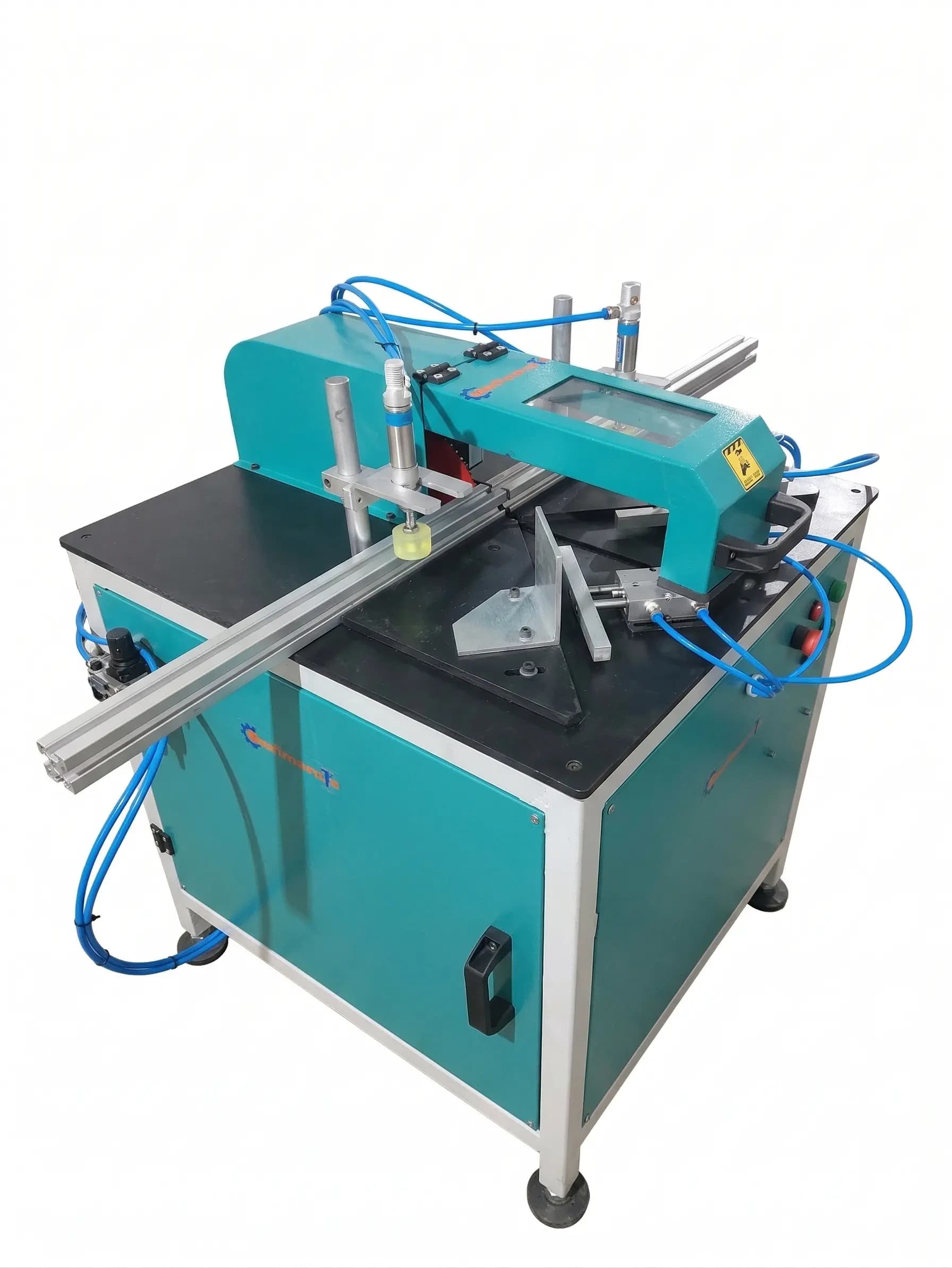
Single Head Cutting Machine for Aluminium and UPVC

Model: MEPCCSH1 | Cutting

Single-head 45°/90° aluminium & uPVC profile cutting machine with pneumatic clamping for burr-free miter cuts.

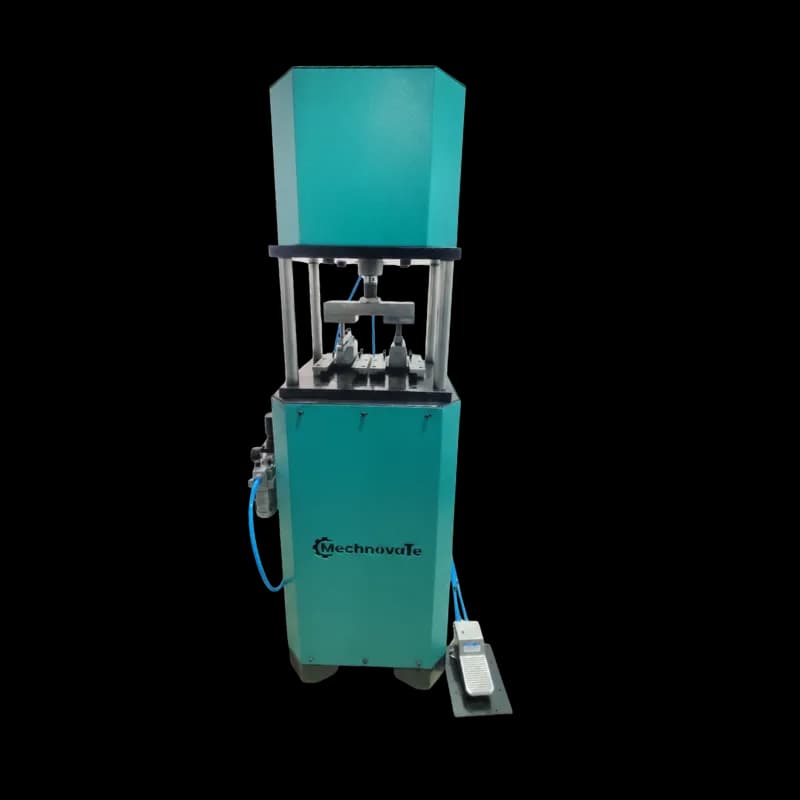
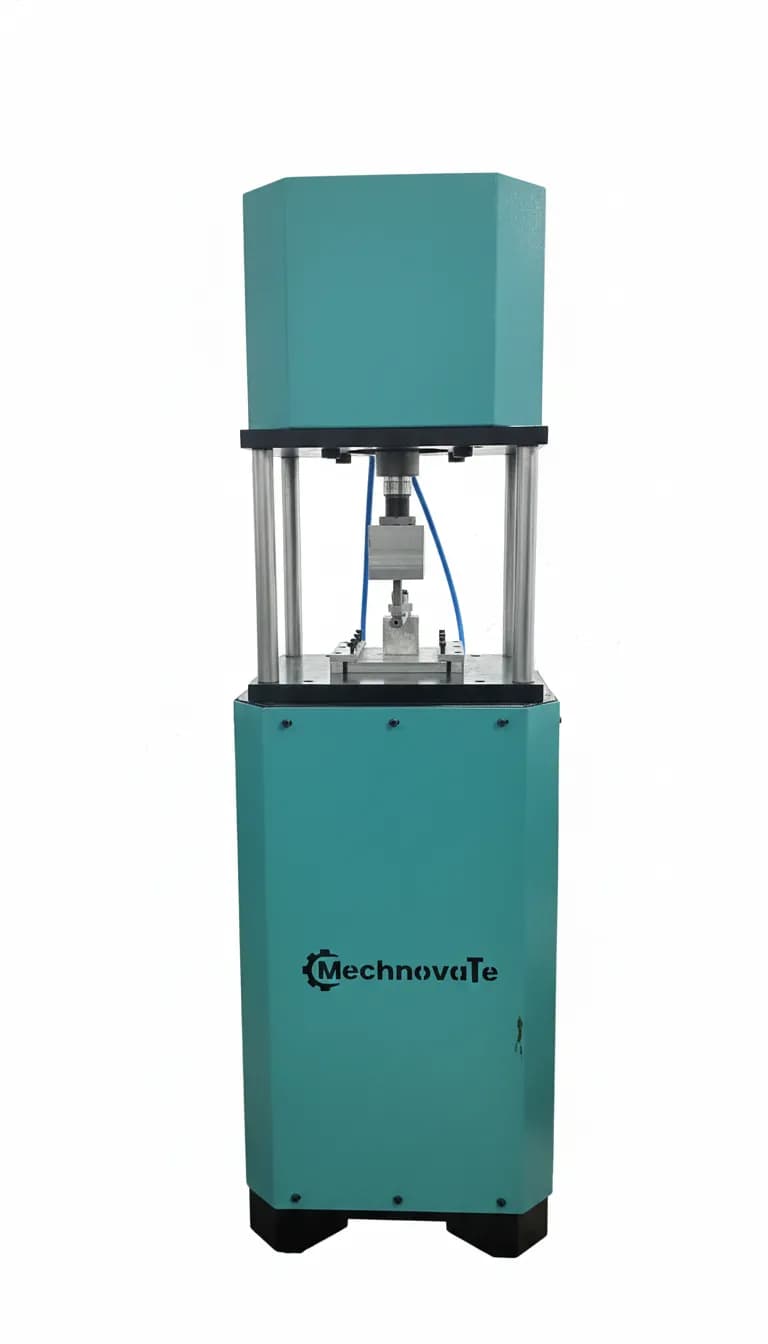
2 Station Pneumatic Aluminium Punching Machine

Model: MEPPPST2 | Punching

Multi-tool setup with adjustable cutting depth.

1 Station Pneumatic Aluminium Punching Machine

Model: MEPPPST1 | Punching

Precision alignment with Easy Guiding System for Aluminium.

Pneumatic Copy Router Machine for Aluminium and UPVC

Model: MEPCR Series | Router

High-speed routing with secure pneumatic clamping.

Explore Mechnovate Machinery

Browse our complete range of aluminium and uPVC window fabrication machinery. Call +91-9265699061 or visit our products page for specifications and pricing.