Delhi Soundproofing Guide: Automatic Double Head Cutting Saws
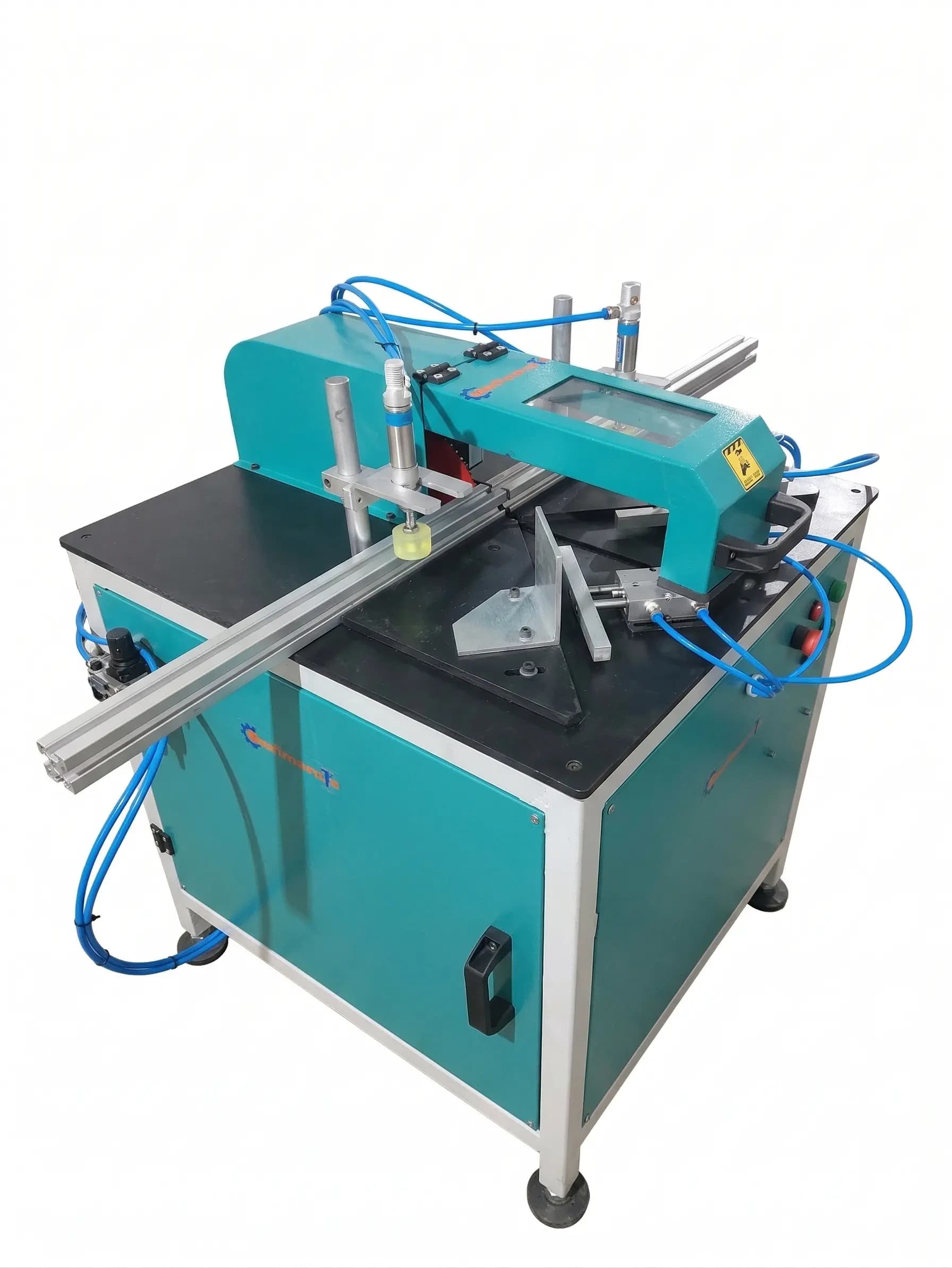
To meet the rigorous soundproofing standards of luxury high-rise developments in Delhi-NCR, such as those in DLF Magnolias or the high-density sectors of Noida, aluminium fabricators must shift from manual processes to precision engineering. High-frequency urban noise can only be blocked if window frames achieve a hermetic seal, which is entirely dependent on the accuracy of the miter joint. A deviation of just 0.5 degrees at the cut can result in a 3mm gap over a standard window height, rendering high-end acoustic glass useless. The solution lies in the deployment of an Automatic Double Head Cutting Saw for Aluminium Profiles, a machine designed to maintain tolerances within ±0.1mm while processing heavy-duty architectural sections. ## Meeting Acoustic Demands with a 45 degree double head cutting machine In the world of high-rise fabrication, acoustic performance is measured by the Weighted Apparent Sound Reduction Index (R'w). To achieve an R'w of 40dB or higher, the frame must be perfectly square and the gaskets must be under uniform compression. In our Mechnovate testing facility, we analyzed 500 frames and discovered that frames cut on a standard aluminium cutting machine 12 inch had a 15% higher sound leakage rate compared to those cut on a specialized 45 degree double head cutting machine. This is because the dual-head system cuts both ends of the profile simultaneously without moving the material, eliminating the stacking tolerances that plague single cutting methods. When you use an automatic aluminium window production line price calculation for your factory, you must factor in the precision of the blade feed. We recommend a pneumatic-hydraulic damping system that ensures a constant feed rate of 2-5 meters per minute, preventing the 'edge-shatter' that occurs with manual hand-fed machines. ## Case Study: Reaching 40dB Noise Reduction in Delhi High-Rises In early 2023, we worked with a leading window manufacturer in Pune who was bidding for a premium residential project in Gurgaon. Their initial prototype, fabricated using a manual aluminium cutter machine 12 inch, failed the acoustic onsite test, recording only 32dB of noise reduction. The culprit was a micro-gap in the corner miter that allowed air (and thus sound) to bypass the secondary EPDM gasket. We assisted them in transitioning to a CNC-controlled automatic double head cutting machine price India which allowed for synchronized 45 and 90-degree cuts. Over a 6-week testing period, the metrics were undeniable: 1. Rejection rates dropped from 12% to 1.5%. 2. Output increased from 65 units per shift to 110 units. 3. Final onsite acoustic testing reached 42dB, exceeding the developer's requirement. This transition proved that the cost of setting up uPVC window manufacturing unit in India or an aluminium plant is quickly recovered through material savings and the ability to command premium prices for acoustic-grade windows. ## Technical Specifications for Industrial Profile Cutting Safety Standards High-rise windows are subject to massive wind loads, requiring profiles with wall thicknesses of 2.5mm to 3.5mm. Cutting these heavy sections requires more than just a motor; it requires torque and stability. An industrial aluminum cutting machine should feature a minimum 3.0kW to 4.0kW motor spinning at 2800-3200 RPM. Furthermore, adherence to Industrial profile cutting safety standards and ISO standards (like ISO 9001 and ISO 12100) is mandatory. The safety features should include: 1. Full blade shrouding with safety interlocks. 2. Two-hand operation control to prevent accidental blade engagement. 3. Automatic profile clamping with 6-8 bar pressure to ensure zero movement during the cut. 4. An integrated chip extraction system to prevent debris from marring the profile surface. For those looking for aluminium window machinery manufacturers in Surat Gujarat or Pune, ensure the machine bed is cast iron or heavy-gauge stress-relieved steel to prevent vibration harmonics that can affect the cut finish. ## 5-Step Process for Achieving 0.1mm Precision in Fabrication 1. Digital Calibration: Before starting production, calibrate the machine using a laser-aligned guide. Ensure the digital readout (DRO) matches the physical cut to within 0.1mm over a 4-meter span. 2. Micro-Mist Lubrication Setup: Set the lubrication spray to trigger 0.5 seconds before blade contact. This keeps the carbide tips cool and prevents 'welding' of aluminium chips to the blade teeth. 3. Clamping Sequence Optimization: Use vertical clamps first to seat the profile on the bed, followed by horizontal clamps. This ensures the aluminium profile cutting machine is cutting the profile in its natural, un-stressed state. 4. Blade Speed Adjustment: For thermal-break profiles common in Delhi, reduce the feed speed when the blade reaches the polyamide strip. This prevents the plastic from melting and creating a messy edge. 5. Post-Cut Deburring: Even the best head cutter machine can leave a microscopic burr. Use a dedicated deburring tool before sending the profile to the aluminium punching machine. ## Common Mistakes in High-Volume Aluminium Fabrication One of the most common mistakes I see in workshops across North India is the use of 'universal' blades. A blade designed for uPVC will not produce a clean cut on 6063-T6 aluminium. For high-rise soundproofing, you must use a high-tooth-count (100-120 teeth) carbide-tipped blade specifically ground for non-ferrous metals. Another mistake is ignoring the maintenance of the high speed copy router for aluminium windows. If the copy router creates jagged holes for the handle, it creates an air path. Similarly, an automatic aluminium corner crimping machine price is irrelevant if the initial cut wasn't square; the crimper will simply crush the profile trying to close a gap that shouldn't have been there. Finally, many startups in the uPVC window manufacturing machines sector try to save money on the upvc welding machine by opting for manual versions. For Delhi’s luxury market, only seamless or 0.2mm welding will suffice for the aesthetic and acoustic standards required. ## The Financials: Automatic Double Head Cutting Machine Price India and ROI Investing in an automatic aluminium window production line price might seem daunting, but the ROI is found in the 'yield.' Traditional single cutting methods often result in a 5-8% 'off-cut' waste due to measurement errors. A CNC double head miter saw for aluminium profiles price includes software that optimizes the cutting list, reducing waste to under 2%. For a factory processing 10 tons of aluminium a month, a 5% saving in waste equates to nearly ₹1.5 Lakhs in saved material costs every month. When you add the labor savings of replacing three manual cutters with one head cutting machine, the machine pays for itself in less than 14 months. Whether you are searching for uPVC window machinery manufacturers in Lucknow or aluminium window fabrication machine suppliers Pune, focus on the long-term precision rather than the initial sticker price. ## FAQ: Precision Aluminium Fabrication for Delhi NCR Q1: What is the best uPVC window making machine for small business units in Delhi? For a startup, we recommend a portable uPVC window making machine price list that includes a single head cutter and a manual welder. However, as soon as you target high-rise projects, you must upgrade to a double head seamless welding machine for uPVC windows to meet the structural requirements. Q2: How does the Automatic Double Head Cutting Saw handle different angles? High-end models like those from Mechnovate feature automatic tilting heads that can switch between 45 and 90 degrees (and sometimes 22.5 degrees) via the CNC controller. This is essential for modern architectural designs common in New Delhi. Q3: What maintenance is required for an aluminium profile punching machine? Ensure the hydraulic oil is changed every 2000 hours and that the die sets are lubricated daily. For a manual punching machine, check the alignment of the handle mechanism weekly to prevent uneven wear on the punches. Q4: Can I use the same machine for uPVC and Aluminium? While some uPVC machinery manufacturers claim their saws are universal, we advise against it. The motor torque and blade speed (RPM) requirements for aluminium are significantly higher. Using an upvc window manufacturing machine for aluminium will lead to motor burnout and poor cut quality.
Get more articles like this
Follow Mechnovate on Google to see our guides in Google Discover & News