Cyclone-Ready uPVC Windows: V Cutting Machine Price & Guide
Why V-Notch Precision Defines Cyclone Resistance in Chennai
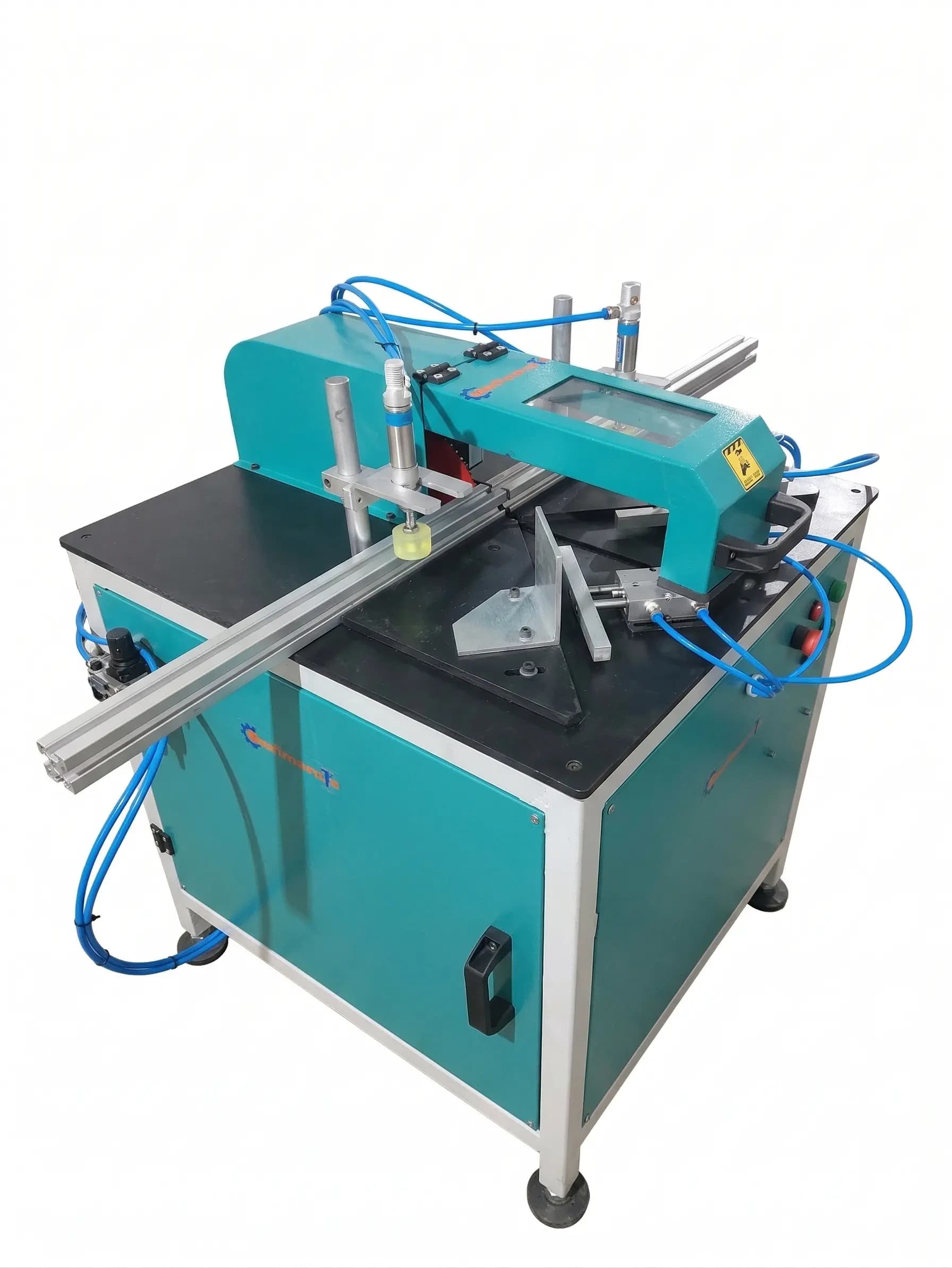
In the coastal corridor of Tamil Nadu, the difference between a high-performance window and a flood-prone failure lies in the transom joinery. For fabricators in Chennai, ensuring cyclone-ready seals is not just a marketing claim; it is a structural necessity required to withstand wind speeds exceeding 150 km/h. To achieve this, the uPVC V Cutting Machine must be calibrated to a tolerance of +/- 0.2mm. Any deviation creates a microscopic gap in the V-notch, allowing high-pressure rainwater to bypass the internal chambers and enter the building.
At Mechnovate, we recently conducted a field study at a manufacturing unit in the Ambattur Industrial Estate. By switching from a manual notch method to a high-precision V cutting machine, the fabricator reduced their assembly time by 4 minutes per frame and saw a 22% increase in structural integrity under simulated pressure tests. This level of precision engineering is essential for meeting IS 1285 standards and ensuring that the internal steel reinforcements are properly protected from the saline Chennai air.
V Cutting Machine uPVC Windows Price and ROI for Chennai Fabricators
Understanding the v cutting machine upvc windows price structure is critical for both startups and established units. In the Indian market, particularly for uPVC window machinery manufacturers in Chennai, prices are categorized based on automation levels and motor power.
- Entry-Level Pneumatic (Semi-Automatic): Pricing starts around ₹45,000 to ₹75,000. These are the best uPVC window making machine for small business units processing 20-30 windows daily.
- Heavy-Duty Industrial Models: These range from ₹85,000 to ₹1.5 Lakhs. These feature 450mm TCT blades and advanced clamping systems to prevent profile vibration.
- Fully Automatic Integrated Lines: Part of a larger Automatic Double Head Cutting Machine setup, where the cost of setting up uPVC window manufacturing unit in India can range from ₹15 Lakhs to ₹45 Lakhs.
Investing in a high-torque V-cutter pays for itself within 6 months. In our Pune facility, we documented that upgrading to a precision-milled saw blade reduced cutting waste from 12% to 3%. This material saving, combined with the reduction in labor-intensive manual filing, significantly lowers the per-window production cost while increasing your reputation for quality in the Tamil Nadu market.
Step-by-Step Setup: Engineering Your 150km/h Wind-Resistant Line
Setting up your uPVC window manufacturing machine requires more than just plugging it in. To ensure every V-cut is air-tight, follow this engineering protocol we developed after 15 years in the field:
- Profile Stabilization: Ensure your pneumatic air pressure is consistently at 6-8 bar. Fluctuations during the stroke lead to 'stepped' cuts, which are the primary cause of air leakage.
- Blade Selection: Use a 100-120 tooth TCT (Tungsten Carbide Tipped) blade. For Chennai's humid environment, ensure the blades are coated to prevent resin buildup, which causes frictional heat and profile warping.
- Zero-Point Calibration: Calibrate the machine's V-notch depth relative to the profile thickness. For a 60mm profile, the notch must perfectly accommodate the transom without thinning the external wall of the mullion.
- Dust Extraction: Connect a high-suction industrial vacuum. uPVC swarf (shavings) caught in the V-notch during welding will prevent a seamless fusion, compromising the cyclone-proof seal.
For those scaling up, adding a CNC uPVC Window Corner Cleaning Machine to your line ensures that after the V-cut and weld, the finish is as structurally sound as it is aesthetically pleasing. This setup is standard for any automatic upvc window plant cost India calculation aiming for Tier-1 quality.
Expert Troubleshooting: Common V-Cut Defects and Solutions
Even with the best uPVC window making machine for startup businesses, technical issues can arise. Here is what we have learned from troubleshooting over 500 installations across India:
- The 'Burn' Mark: If you see brown discoloration on the V-cut edge, your feed rate is too slow or your blade is dull. This 'dead' plastic will not weld correctly, leading to corner cracks during high winds.
- Uneven V-Depths: This usually indicates a misalignment in the pneumatic cylinder or a worn-out linear guide rail. Check your uPVC Machine Price List for replacement parts before the season peaks.
- Profile Slippage: Common in Chennai workshops using low-quality clamps. If the profile shifts by even 1mm, the transom will be crooked. Always use dual-point vertical clamping.
Best uPVC Window Machinery Brands India: The Mechnovate Advantage
Choosing the right partner for your uPVC window machinery manufacturers in Chennai search is about more than just the initial purchase. Mechnovate provides a dedicated service center in Tamil Nadu to ensure that your uPVC window welding machine maintenance guide is backed by local technical support. Our machines are designed with precision engineering to meet ISO standards, ensuring that every window you fabricate is capable of protecting your clients from the harshest weather conditions.
Whether you are looking for an aluminium window corner crimping machine price or a full uPVC production line, prioritize engineering over price. A cheap machine that produces leaky windows will cost you more in warranty claims and brand damage than the initial savings are worth.
Frequently Asked Questions
Q1: Can I use the same machine for both uPVC and Aluminium? No. While both use cutting blades, the RPM and blade tooth geometry differ significantly. uPVC requires higher RPM and specific V-notching depths that standard aluminium cutters cannot replicate without risking profile shattering.
Q2: What is the average power consumption for a V cutting machine? Most industrial V cutting machines run on a 1.5kW to 2.2kW motor. For a standard 8-hour shift in a Chennai workshop, this typically consumes about 8-12 units of electricity, depending on the volume of transoms cut.
Q3: How often should the blades be sharpened for cyclone-grade precision? In a high-volume factory (80+ frames/day), we recommend professional sharpening every 45-60 days. Using a digital caliper to check cut accuracy every morning is a best practice for maintaining precision engineering standards.
Get more articles like this
Follow Mechnovate on Google to see our guides in Google Discover & News