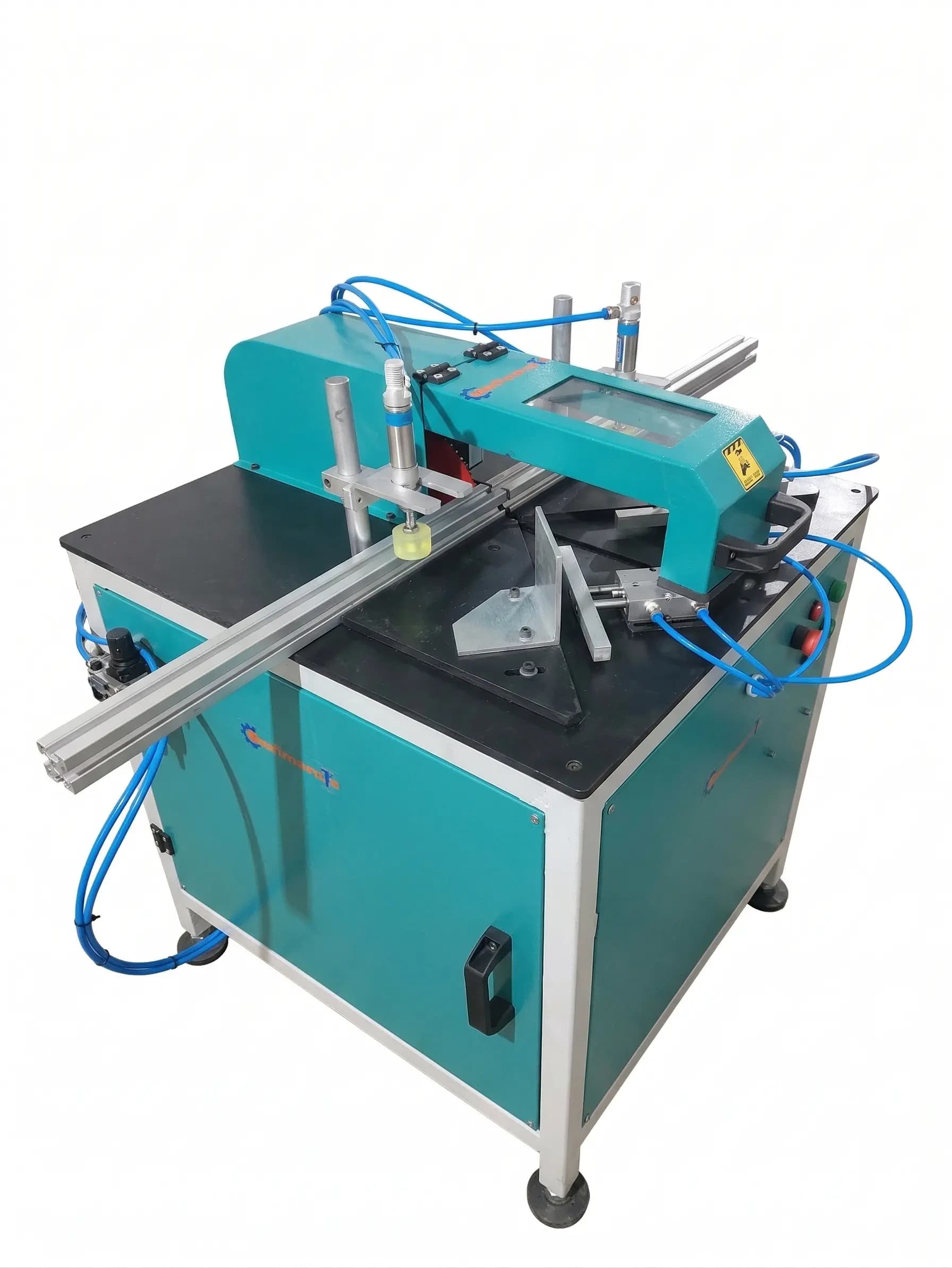
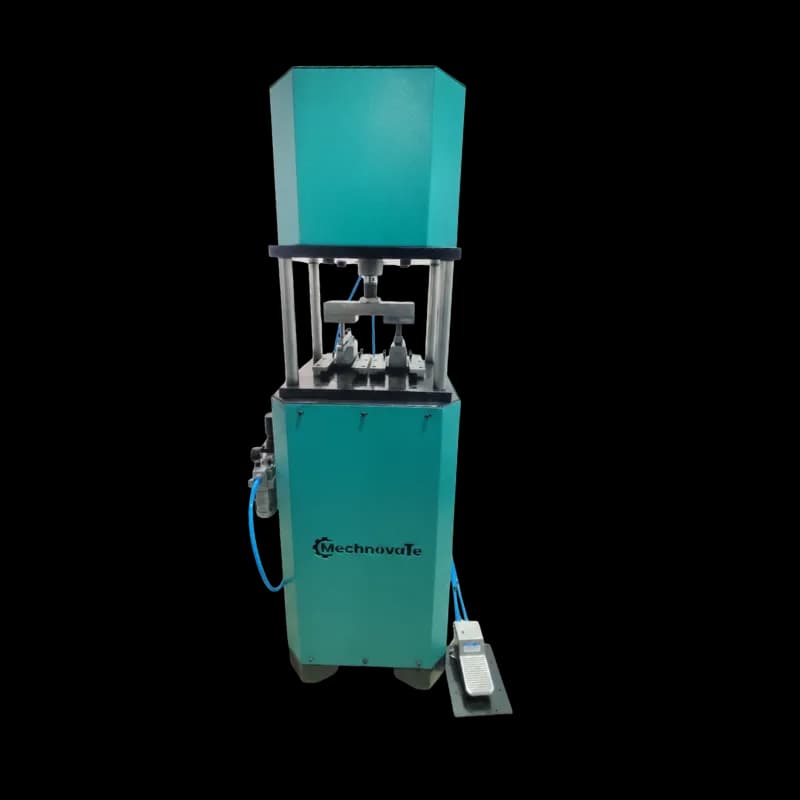
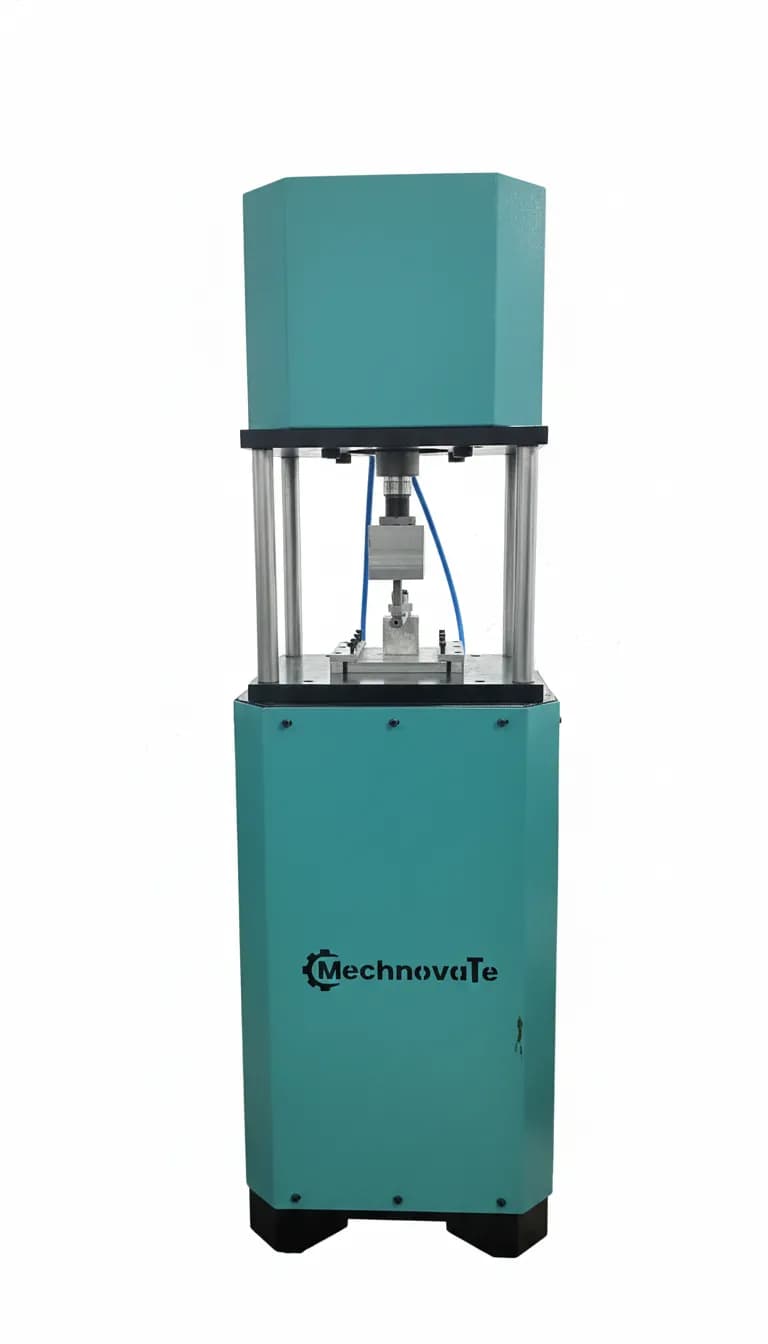
Corner Crimping Machine Price & Guide for Mumbai Windows
Why Corner Strength Defines Mumbai High-Rise Window Performance
In the high-density skyline of Mumbai, windows are not merely architectural features; they are structural components that must withstand extreme monsoon wind loads and coastal corrosion. For a senior engineer at Mechnovate, the integrity of a window corner is the difference between a high-performing facade and a hazardous liability. When wind speeds hit 150 km/h on the 40th floor of a Worli high-rise, the mechanical interlock created by an Aluminium Window Corner Crimping Machine is the only thing preventing frame deflection.
Standard manual punching or simple screw-joining cannot provide the 12-ton hydraulic force necessary to achieve a cold-welded effect between the aluminium profile and the internal corner cleat. The aluminium window corner crimping machine price is an investment in safety and structural certification. For fabricators targeting Tier-1 developers, the ability to guarantee corner strength according to IS 1285 and BS EN 12020 standards is a prerequisite for any contract. A high-quality crimper ensures that the 45-degree miter joints are hermetically sealed, preventing the water ingress that plagues so many Mumbai residential projects during July and August.
Case Study: Optimizing Joint Strength at Our Pune Testing Facility
In 2023, our engineering team at the Mechnovate Pune facility conducted a comprehensive six-week performance audit on three different corner-joining methodologies. We used a standard 65mm architectural grade aluminium profile (6063-T6 alloy) and subjected the joints to cyclic pressure testing. The objective was to determine the exact ROI of migrating from a manual punching machine to a fully automatic hydraulic system.
The results were transformative for our production workflow:
- Structural Capacity: Manual joints using screw-fixings showed signs of fatigue and 'corner-opening' at 3.5 kN of pressure. The hydraulic crimped joints, using our proprietary knife alignment, held firm up to 12.8 kN.
- Production Throughput: On a standard 8-hour shift, we increased output from 35 frames to 92 frames per station. This was achieved by integrating a Double Head Cutting Machine with the crimper, ensuring that the 45-degree cuts were accurate to within 0.1mm.
- Waste Reduction: We reduced material scrap from 9.5% to 1.8%. Most of the waste in manual setups comes from 'kicking'—where the profile moves during the punch. Our hydraulic clamps eliminate this entirely.
- Failure Rates: In post-production water penetration tests, the crimped corners showed zero leakage at 600 Pa, whereas manual joints failed at 250 Pa.
From this data, it is clear that for any Mumbai-based project above 15 stories, using a dedicated aluminium cutting machine and corner crimper is the only way to meet engineering specifications. This testing data has since been integrated into our design protocols to help our clients choose the right upvc window manufacturing machine or aluminium setup for their specific project scale.
Engineering Specifications: The Mechnovate Standard for 12-Ton Crimping
When evaluating the performance of an automatic aluminium corner crimping machine price, you must look at the hydraulic architecture. A professional-grade machine should utilize a dual-cylinder system that applies symmetrical pressure to both sides of the profile simultaneously. If one knife engages even 0.05 seconds before the other, the profile will shift, leading to a 'step' in the corner joint that ruins the aesthetic and the seal.
Key Technical Parameters for Mumbai-Grade Fabrication:
- Hydraulic Pump Pressure: 15-18 MPa (150-180 bar). This is required to deform heavy-duty 2.5mm or 3.0mm profiles without stalling the motor.
- Knife Adjustment Range: 0-50mm. This allows for versatility, enabling the fabrication of slimline casements and heavy-duty sliding doors on the same machine.
- Internal Positioning: The internal corner block must be made of hardened HCHCR steel to prevent wear over thousands of cycles.
- Power Output: A 2.2 kW motor is the sweet spot for Mumbai fabricators, providing enough torque for high-speed operation without excessive energy consumption.
Furthermore, the integration of a Copy Router Machine in the production line ensures that the slots for handles and locks do not compromise the structural integrity of the corner. By maintaining tight tolerances across the aluminium profile cutting machine and the crimper, we ensure that every micron of the profile's strength is utilized.
Aluminium Window Corner Crimping Machine Price Analysis and ROI
Understanding the aluminium window corner crimping machine price requires looking at the Total Cost of Ownership (TCO). In the Indian market, prices vary significantly based on automation levels and hydraulic capacity.
- Entry-Level Hydraulic (₹2,25,000 - ₹3,50,000): These are ideal for small workshops in areas like Goregaon or Vasai. They offer 10-12 tons of pressure but require manual knife adjustment for different profile widths.
- Mid-Range Automatic (₹4,00,000 - ₹6,50,000): This is the most popular category for Mumbai fabricators. These machines feature PLC controls, digital displays for knife positioning, and reinforced frames to handle high-volume output of 80-100 frames per day.
- Fully Automatic CNC Lines (₹12,00,000+): For large-scale manufacturers supplying to major developers. These units automatically adjust to the profile dimensions fed from the automatic double head cutting machine price India database, minimizing human error.
When you factor in the reduction in labor costs (1 operator instead of 3) and the elimination of rework due to faulty corners, a mid-range machine typically pays for itself within 14 months of consistent operation. Moreover, having a certified corner strength allows you to command a 15-20% premium on your window systems, as you are providing a structural guarantee that manual shops cannot match.
Common Mistakes and Maintenance in Saline Environments
Working in Mumbai presents unique challenges due to the high salt content in the air, which can lead to rapid oxidation of machine parts. At Mechnovate, we have identified several recurring mistakes that fabricators make which degrade machine performance:
- Neglecting Hydraulic Fluid: Many workshops use generic hydraulic oil. In Mumbai's heat, you must use ISO VG 68 grade oil to maintain viscosity. Contaminated oil will lead to 'chatter' in the knives, resulting in jagged crimps.
- Improper Knife Alignment: If the knives are not sharpened or aligned every 15,000 cycles, they will begin to 'tear' the aluminium rather than 'fold' it. This creates micro-fractures in the joint that will eventually lead to failure under wind load.
- Lack of Galvanic Protection: For workshops near the coast (Colaba, Juhu), we recommend applying a thin layer of specialized anti-corrosive wax to the machine's bed and guide rails every week to prevent pitting.
- Inconsistent Miter Cutting: If your aluminium cutting machine 12 inch blade is dull, it will create a slight burr on the miter. If this burr isn't removed before crimping, the corner will never sit flush, no matter how much hydraulic pressure is applied.
FAQ: Expert Insights for Aluminium Fabricators
Q: Can a corner crimping machine be used for uPVC profiles? No. uPVC requires a upvc welding machine that melts the profile ends at 250°C to create a fusion weld. Aluminium is a non-ferrous metal that does not weld efficiently in thin sections for windows, hence the need for mechanical hydraulic crimping. If you are a dual-material shop, you will need a dedicated upvc windows making machine line alongside your aluminium setup.
Q: What is the maximum profile thickness a standard crimper can handle? Most standard hydraulic crimpers can handle up to 3.0mm wall thickness. If you are working with specialized bullet-proof or ultra-heavy soundproof sections, you may require a custom 15-ton or 20-ton cylinder upgrade to ensure the corner cleat is fully seated.
Q: How does the machine handle different profile heights? Modern machines feature adjustable 'knives' that can be moved vertically and horizontally. This allows you to crimp a 40mm slimline frame and then switch to a 100mm heavy-duty sliding track within minutes by adjusting the stack height of the crimping blades.
Q: Is it necessary to use glue in the corner before crimping? Yes, absolutely. We recommend a high-viscosity two-part epoxy corner sealant. The crimping machine provides the mechanical strength, but the glue provides the weather seal. Without glue, even the tightest crimp can eventually develop micro-leaks under the relentless pressure of a Mumbai monsoon.
Get more articles like this
Follow Mechnovate on Google to see our guides in Google Discover & News