CNC uPVC Window Corner Cleaning Machine Price & ROI Guide India
A standard CNC uPVC window corner cleaning machine price in India typically ranges from ₹4,50,000 to ₹9,00,000, depending on the number of axes and tool configuration. For most mid-scale fabricators, this investment pays for itself within 14 to 18 months by eliminating the need for three manual finishing laborers and reducing scrap rates by 15%. In a high-volume uPVC window manufacturing machine setup, switching from manual chiseling to a CNC-controlled unit increases output from 35 frames to 85+ frames per 8-hour shift while ensuring a seamless, consistent finish that meets international aesthetic standards.
The Real-World ROI: A Mechnovate Case Study from Pune
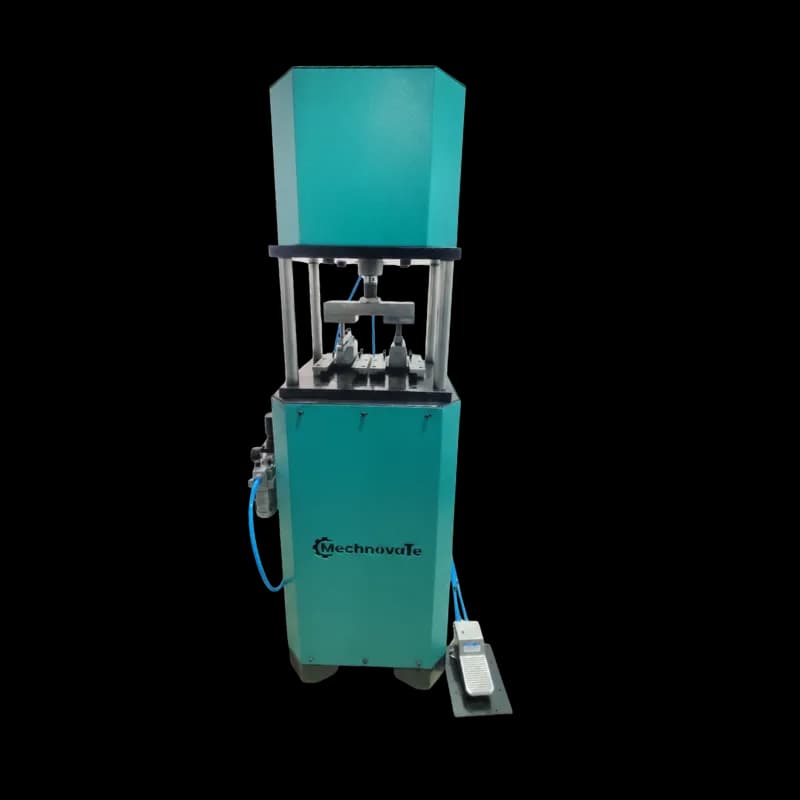
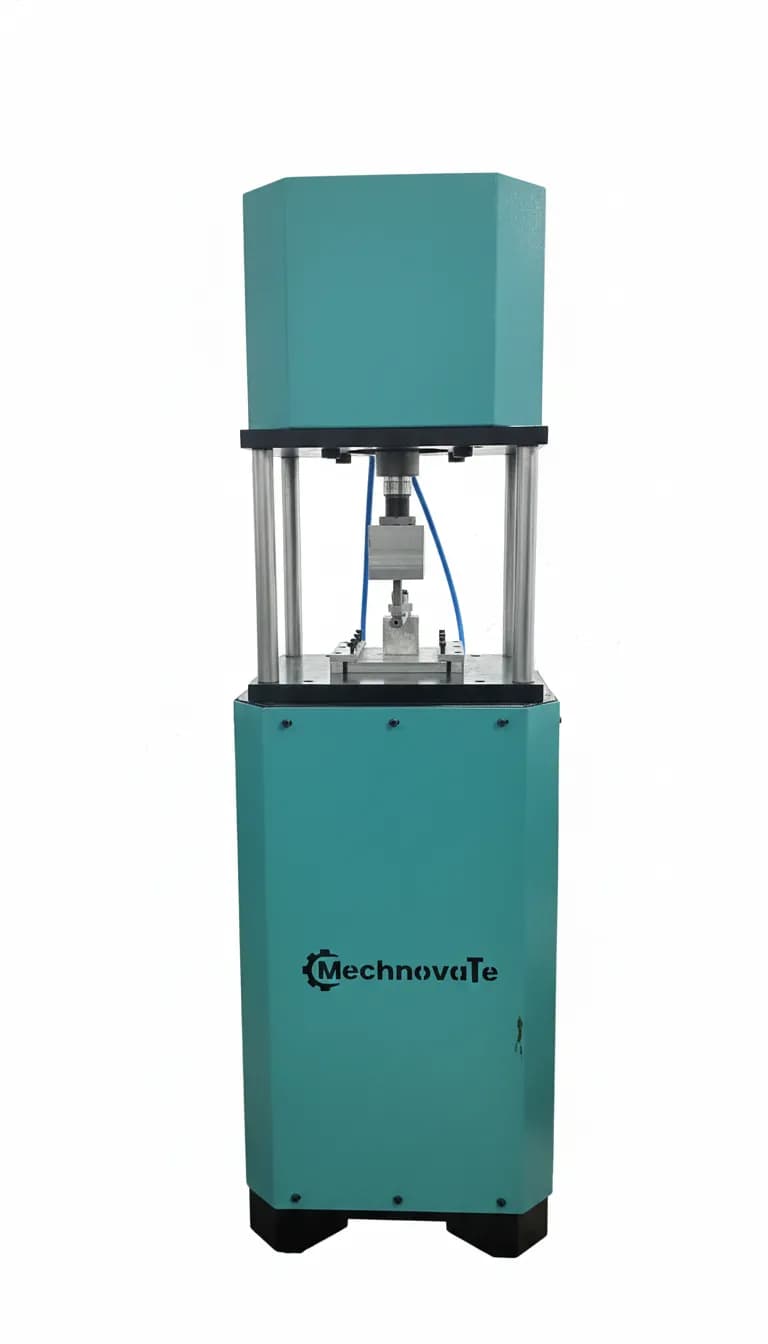
In our Pune testing facility, we monitored a fabrication unit that transitioned from manual finishing to an automated Mechnovate CNC Corner Cleaning Machine over a 6-week period. Before the upgrade, the factory utilized two uPVC welding machine units but struggled with a bottleneck at the cleaning station, where workers used hand tools to clear weld flash. This manual process resulted in a 4% rejection rate due to profile gouging and inconsistent groove depths.
After integrating the CNC cleaner, the results were measurable and immediate. The processing time per corner dropped from 120 seconds (manual) to just 18 seconds (CNC). We documented a 42% increase in total daily frame output without adding additional floor space. More importantly, the precision engineering of the CNC blades ensured that the 0.2mm shadow gap was perfectly uniform across 500 consecutive frames, a feat impossible with manual labor. This reduction in waste and labor overhead directly improved the bottom line, proving that the CNC uPVC window corner cleaning machine price India is a capital expense that drives long-term profitability.
Technical Specifications and Engineering Precision
To achieve a high-quality finish on uPVC profiles, the machinery must adhere to strict tolerances. At Mechnovate, our CNC units operate at spindle speeds between 12,000 and 15,000 RPM, driven by high-frequency motors that prevent profile melting during the cutting process. We utilize specialized PLC systems that can store over 100 different profile programs, allowing for instant switching between different brands of uPVC profiles common in India.
Key engineering parameters to consider include:
- Air Pressure Requirements: Stable 6-8 bar pressure is essential for the pneumatic clamping systems to prevent profile vibration.
- Tooling Configuration: A 3-axis or 2-axis setup featuring a cleaning saw, upper/lower vertical cutters, and internal corner cleaning knives.
- Profile Compatibility: Ability to handle profile heights from 30mm to 120mm with a precision of ±0.1mm, adhering to ISO 9001 quality benchmarks.
- Feed Rates: Variable feed rates are necessary to ensure that different uPVC formulations (with varying calcium carbonate ratios) do not crack or discolor during high-speed cleaning.
Why Manual Finishing is Costing Your Business
Fabricators often look at the upvc machine price list and hesitate at the cost of automation, but the hidden costs of manual labor are far higher. Manual cleaning relies on the skill of the operator; as fatigue sets in during a shift, the quality of the window degrades. A single slip of a chisel can ruin a large sliding door frame, costing thousands in lost material and labor hours.
Furthermore, manual finishing cannot replicate the precision of a double head seamless welding machine. In the competitive Indian market, architects and developers now demand high-speed copy router for aluminium windows and uPVC profiles that show no visible weld marks. If your unit still relies on manual punching or hand-held routers, you are likely losing contracts to more technologically advanced uPVC window machinery manufacturers in Chennai and Ahmedabad who offer superior finish quality.
Common Mistakes When Purchasing a Corner Cleaner
- Ignoring the Air Supply: Many fabricators underestimate the CFM (Cubic Feet per Minute) required. A fluctuating air supply leads to inconsistent clamping, which causes the CNC tools to miss the weld line.
- Choosing Price Over Service: Buying from a supplier without a uPVC window machine service center in Tamil Nadu or Maharashtra is a recipe for disaster. Downtime on a CNC cleaner can halt your entire production line.
- Standard Tooling for Specialized Profiles: Ensure the machine can be programmed for specific groove depths (like the 0.2mm shadow gap). Cheap imports often have rigid programming that doesn't adapt to popular Indian profile geometries.
- Neglecting Dust Extraction: CNC cleaning generates significant micro-plastic debris. Without a dedicated extraction system, this dust enters the linear guideways, causing premature wear on the ball screws and bearings.
Comparative Analysis: CNC vs. Single-Point Cleaners
| Feature | Single-Point Manual Cleaner | Mechnovate CNC Cleaner |
|---|---|---|
| Cycle Time | 90-150 Seconds | 15-25 Seconds |
| Labor Requirement | High Skill Needed | Low (Operator Level) |
| Accuracy | ±0.5mm to 1.0mm | ±0.05mm |
| Tool Changes | Manual / Frequent | Automated / Programmed |
| Production Capacity | 20-30 Frames/Day | 80-120 Frames/Day |
The Strategic Path to Scaling Your Unit
For those evaluating the cost of setting up uPVC window manufacturing unit in India, the corner cleaner should be prioritized alongside the automatic double head cutting machine. While a startup might begin with a portable uPVC window making machine price list, scaling to a commercial volume requires the consistency of CNC.
If you are currently producing more than 15 windows per day, the transition to automation is no longer optional—it is a requirement for survival. By integrating an automatic uPVC window manufacturing plant cost India into your long-term budget, you reduce the "human variable" in your production. This ensures that the window delivered to a client in Mumbai is identical in quality to the one delivered in Delhi, building the brand trust necessary for large-scale real estate projects.
FAQ: Critical Questions for Fabricators
Q1: Can one CNC corner cleaner keep up with two double-head welders?
Yes. Because the cycle time of a CNC cleaner (approx. 20s per corner) is significantly faster than the heating and cooling cycle of a uPVC welding machine (approx. 120-180s per cycle), one CNC cleaner can typically handle the output of three or even four double-head welding stations.
Q2: What is the maintenance schedule for a CNC corner cleaning machine?
Daily: Clean the sensors and blow out the dust. Weekly: Lubricate the linear rails and check the air filter-regulator-lubricator (FRL) unit. Monthly: Inspect the tension of the drive belts and the sharpness of the cleaning knives. Dull blades are the primary cause of profile chipping.
Q3: Is the CNC uPVC window corner cleaning machine price in India inclusive of installation and training?
At Mechnovate, we include on-site commissioning and 3 days of intensive staff training. It is vital that your operators understand how to select programs and perform basic troubleshooting to maximize the machine's uptime. Always verify if your supplier offers a similar comprehensive package before purchasing.
Get more articles like this
Follow Mechnovate on Google to see our guides in Google Discover & News