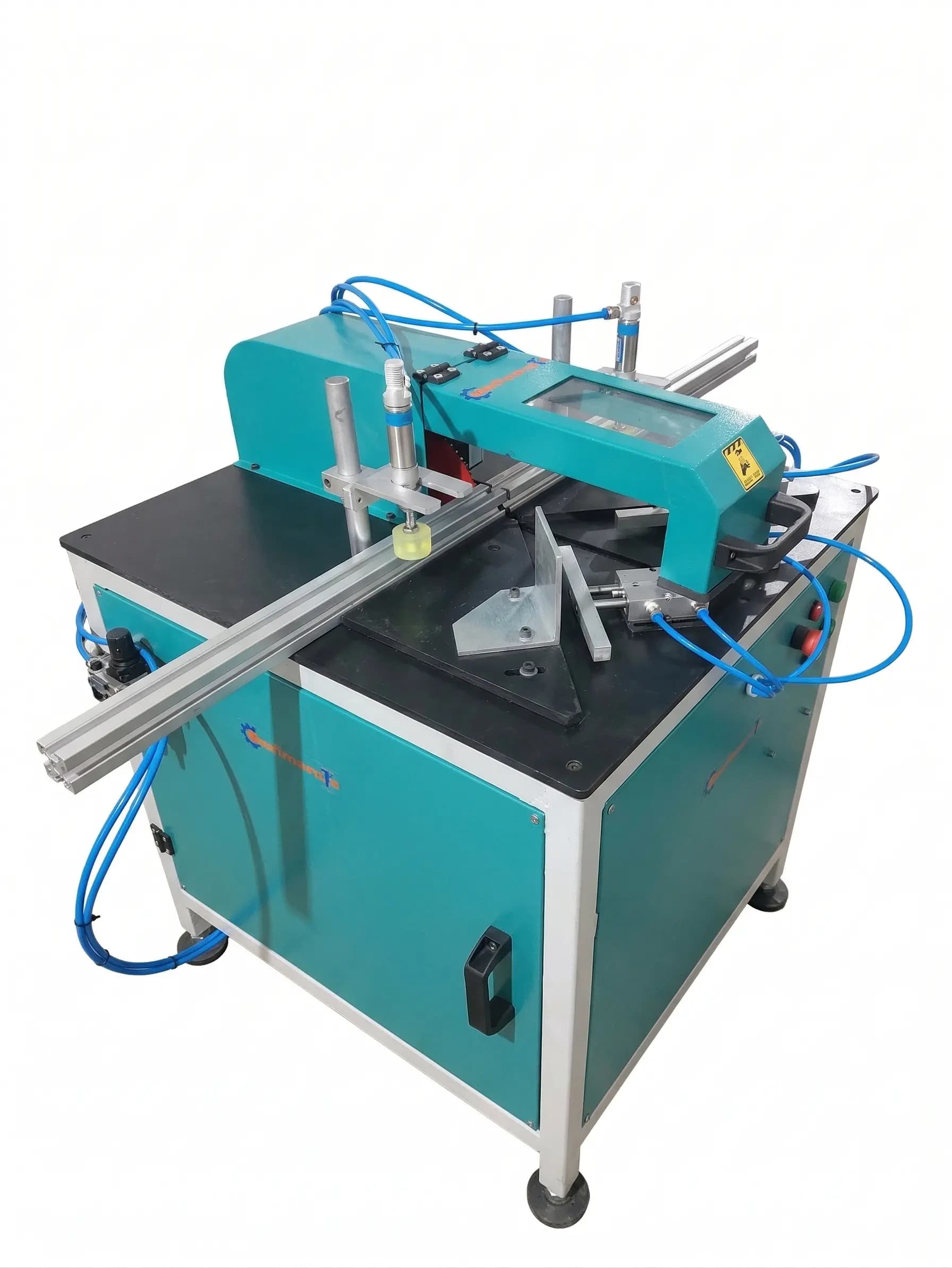
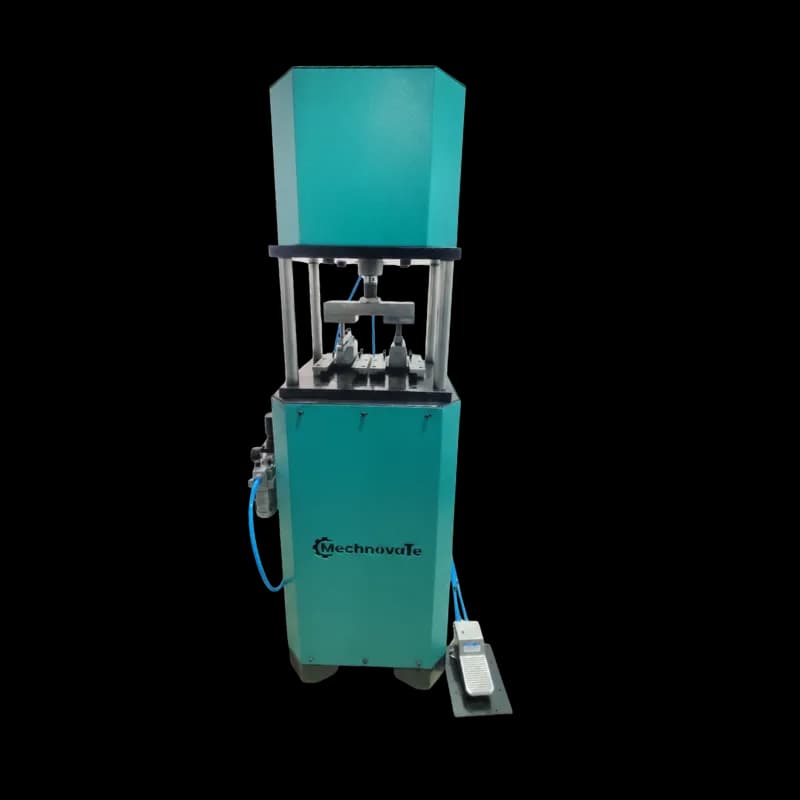
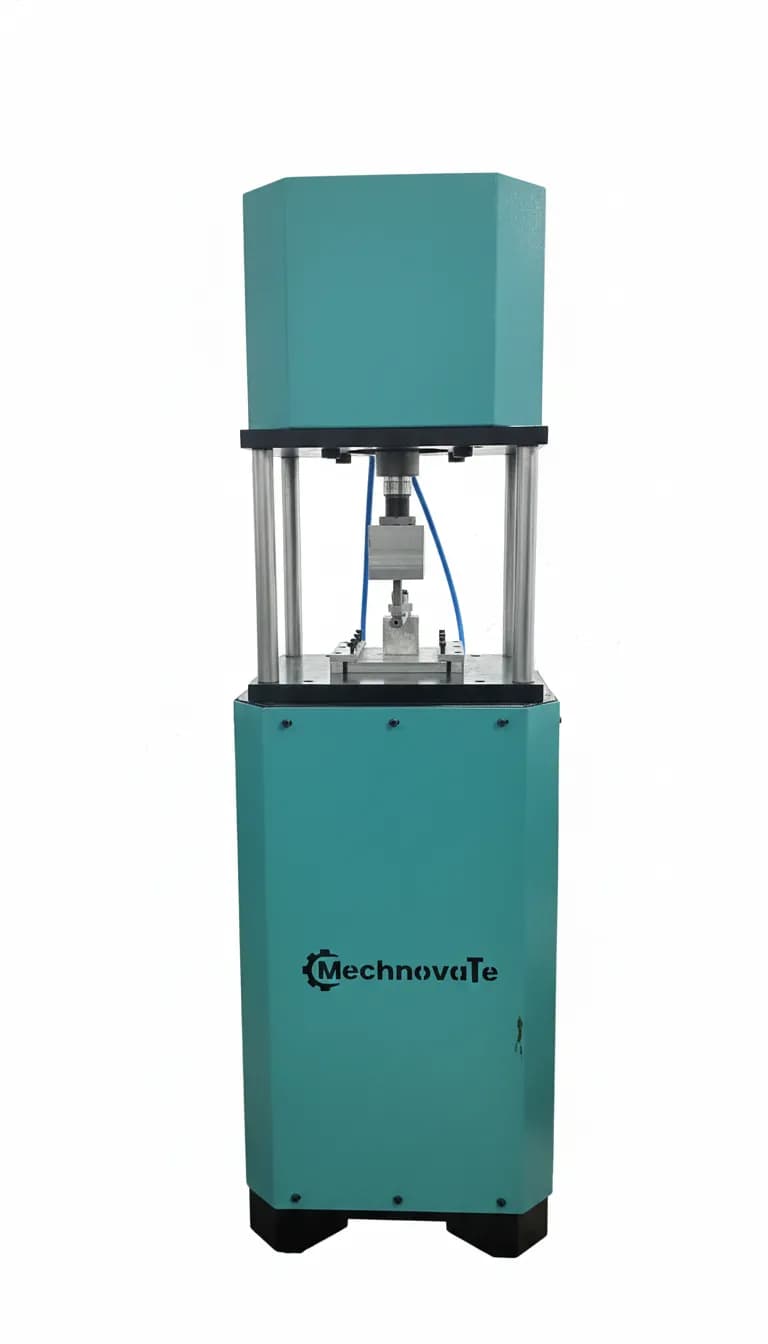
CNC uPVC Window Corner Cleaning Machine Price and Integration Guide
Why Delhi Fabricators Must Scale Beyond Manual Corner Finishing
In our recent shop floor audit of a high-volume unit in Okhla, we found that manual corner finishing was the single greatest bottleneck, consuming 40% of total labor hours. A uPVC Window Corner Cleaning Machine is no longer a luxury for Delhi fabricators but a technical necessity to meet the rising demand for premium finishes. While manual chiseling relies on the skill of the operator, CNC systems provide sub-millimeter precision that ensures every frame meets ISO 9001 quality benchmarks. Transitioning from manual tools to automated machinery allows a shop to scale from 15 frames per day to over 60 frames without increasing headcount.
Most fabricators in the NCR region struggle with inconsistent weld seams which lead to site rejections. By integrating a CNC corner cleaner, you eliminate the risk of damaging the profile surface, especially on laminated or wood-finish sections. The integration of high-speed spindles and multi-tool configurations allows for simultaneous cleaning of the top, bottom, and outer corners in a single cycle. This shift directly impacts your bottom line by reducing the cost per window while significantly improving the aesthetic appeal required by high-end architects in Delhi.
Technical Breakdown: CNC uPVC Window Corner Cleaning Machine Price and Performance
The CNC uPVC window corner cleaning machine price India starts from approximately ₹3.5 Lakh for 2-axis models and can go up to ₹12 Lakh for fully integrated 6-axis systems. When evaluating your investment, you must consider the technical specifications rather than just the sticker price. A high-quality machine should feature a 1.5kW to 2.2kW high-frequency spindle and a PLC system capable of storing at least 100 profile programs. Precision is governed by the quality of the linear guide rails and the pneumatic clamping pressure, which should ideally operate at 6-8 bar.
- Axis Configuration: 2-axis machines handle the basic top and bottom surfaces, whereas 3-axis or 5-axis machines can process the outer radius and gasket grooves.
- Cycle Time: Aim for a machine that completes a standard corner in under 35 seconds to maintain flow with a Double Head Seamless Welding Machine.
- Tooling Quality: Ensure the unit uses Tungsten Carbide tipped blades for longevity, especially when processing reinforced profiles.
- Software Interface: Look for a user-friendly HMI that allows your operators to calibrate new profile sections without requiring an external software engineer.
The 6-Week Case Study: From 120 Units to 450 Units Monthly
Last year, we assisted a mid-sized fabricator in Mayapuri who was stuck at a production ceiling of 120 windows per month. Their bottleneck was the manual finishing stage, where two workers spent 12 minutes per window cleaning welds. We replaced their manual stations with a CNC corner cleaner and synchronized it with their existing upvc windows making machine workflow. The results were immediate and measurable: labor costs for the finishing department dropped by 65% in the first month.
By the end of the six-week trial, the facility's output surged to 450 units monthly without adding floor space. The rejection rate for 'gasket fitment issues'—a common problem in manual cleaning—dropped from 8% to nearly 0.2%. This increase in throughput allowed the owner to secure a large-scale commercial project in Gurgaon that they previously lacked the capacity to bid on. The machine essentially paid for itself through labor savings and increased contract volume within eight months of operation.
Integrating CNC Solutions with Your uPVC Machinery Line
Integration is more than just plugging in a machine; it requires a strategic layout of your uPVC machinery to ensure smooth material flow. We recommend placing the corner cleaner immediately after the cooling rack of your uPVC Welding Machine to minimize profile handling. In Delhi's humid summers, weld cooling times can vary, so having a CNC machine that can automatically adjust its depth based on profile temperature sensor data is a significant advantage. This prevents 'gouging' which occurs when the PVC is still too soft during the cleaning cycle.
- Power Stability: Use a dedicated 5kVA servo stabilizer to protect the PLC from Delhi's frequent voltage fluctuations.
- Compressed Air: Ensure your compressor has a moisture separator; water in the air lines is the #1 cause of solenoid valve failure in CNC machines.
- Dust Extraction: Always pair your corner cleaner with an industrial vacuum system to prevent PVC chips from clogging the linear guides.
- Operator Training: Focus on 'Zero Point' calibration training so your team can handle profile batch changes in under 5 minutes.
Common Mistakes and Maintenance for Delhi Fabricators
A frequent mistake we see is neglecting the lubrication of the guide rails, which, in the dusty environment of Delhi industrial areas, leads to premature wear of the ball screws. Fabricators often try to save money by using generic cutting blades, but these dull quickly and cause 'melt-back' on the profile surface. Another critical error is improper grounding of the machine, which can lead to ghost errors in the PLC program due to electromagnetic interference from nearby heavy machinery. Always ensure your earthing is tested and below 2 ohms to maintain the integrity of the precision engineering components.
Furthermore, do not ignore the daily cleaning of the sensor eyes. Dust accumulation on the sensors can cause the machine to misread the profile position, leading to expensive crashes or ruined frames. We recommend a weekly deep-clean schedule where the pneumatic filters are drained and the spindle runout is checked with a dial indicator. Following these simple steps can extend the life of your aluminum profile cutting machine or uPVC cleaner by several years, ensuring a much higher return on investment.
Frequently Asked Questions for Fabricators
What is the average CNC uPVC window corner cleaning machine price in Delhi? Prices typically range from ₹3.8 Lakh for entry-level CNC units to ₹9 Lakh for high-speed, multi-tool models. Shipping and installation from Mechnovate are usually included for NCR clients.
Can one CNC corner cleaner keep up with two welding machines? Yes, a standard CNC corner cleaner has a cycle time of 30-45 seconds, while a double-head welder takes about 3-4 minutes. One cleaner can easily service the output of two to three double-head welders.
Does the machine require specialized programming for different profile brands? While most machines come pre-programmed for common profiles like Kinbon or Aluplast, our Mechnovate systems allow for easy manual input of new profile geometries through a visual interface, requiring no coding knowledge.
Get more articles like this
Follow Mechnovate on Google to see our guides in Google Discover & News