CNC Corner Cleaning Guide for Delhi uPVC Fabricators
Why Manual Finishing is Killing Your Profit Margins in Delhi
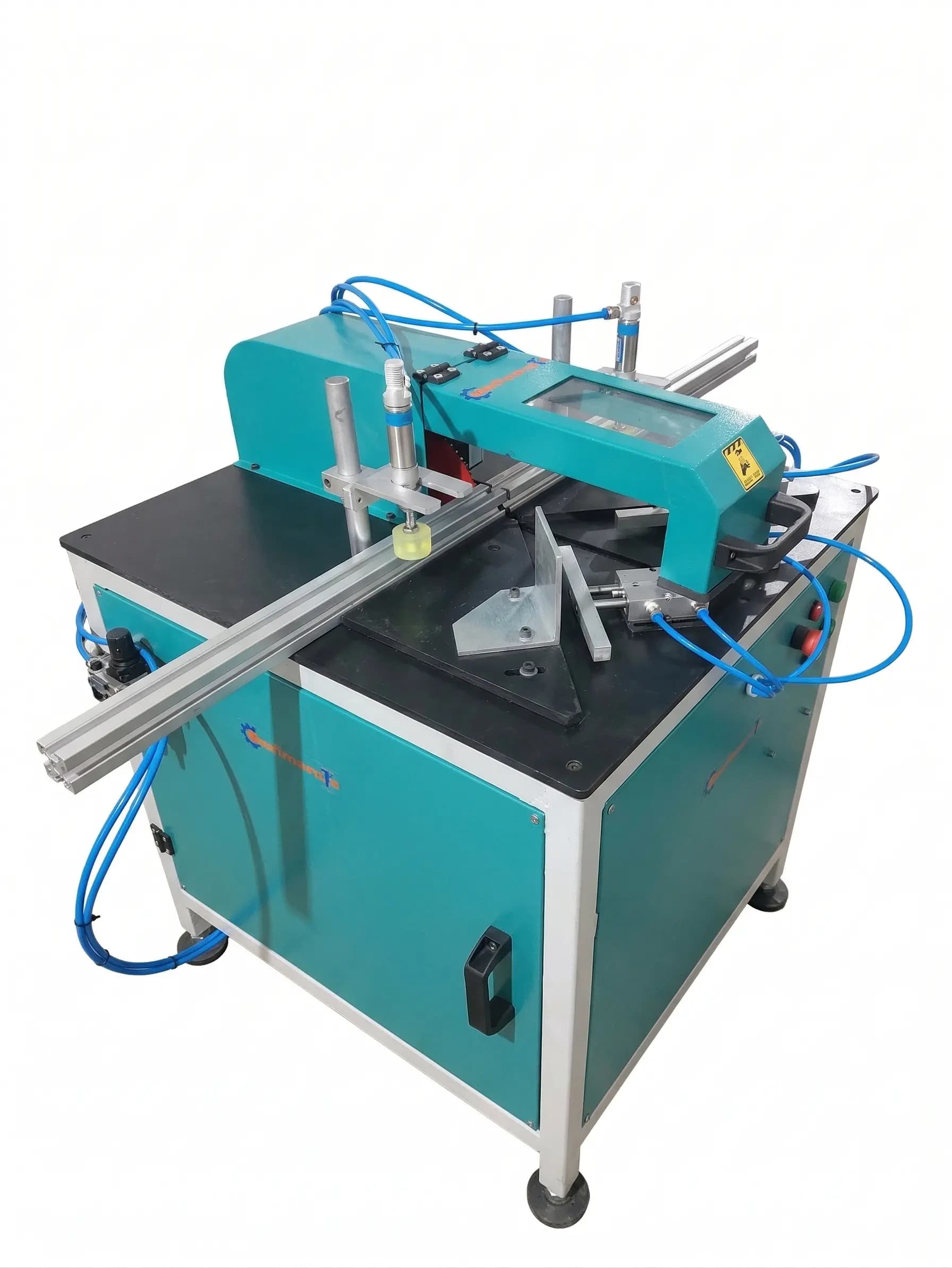
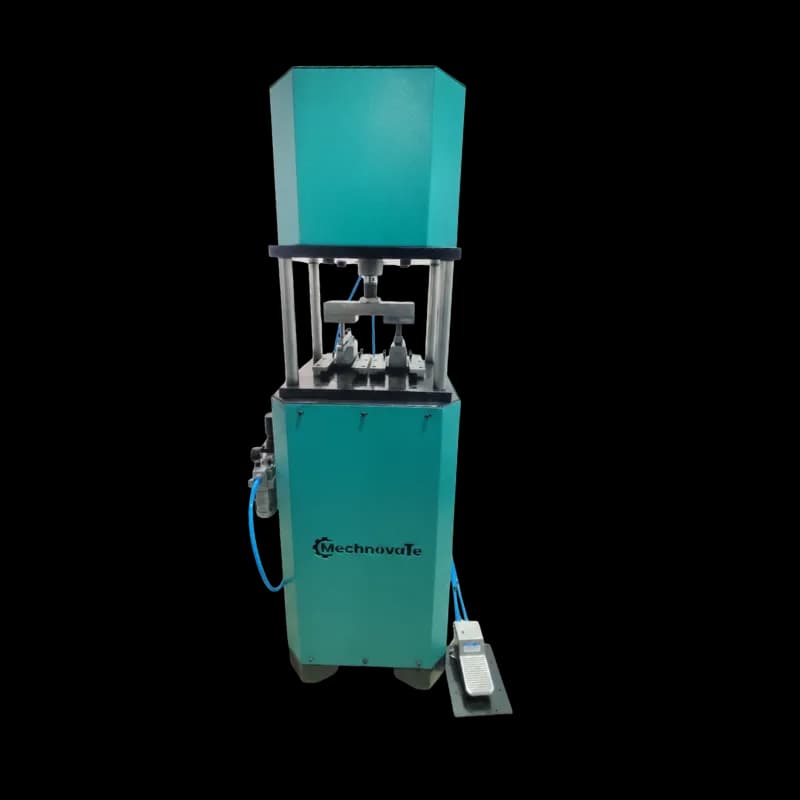
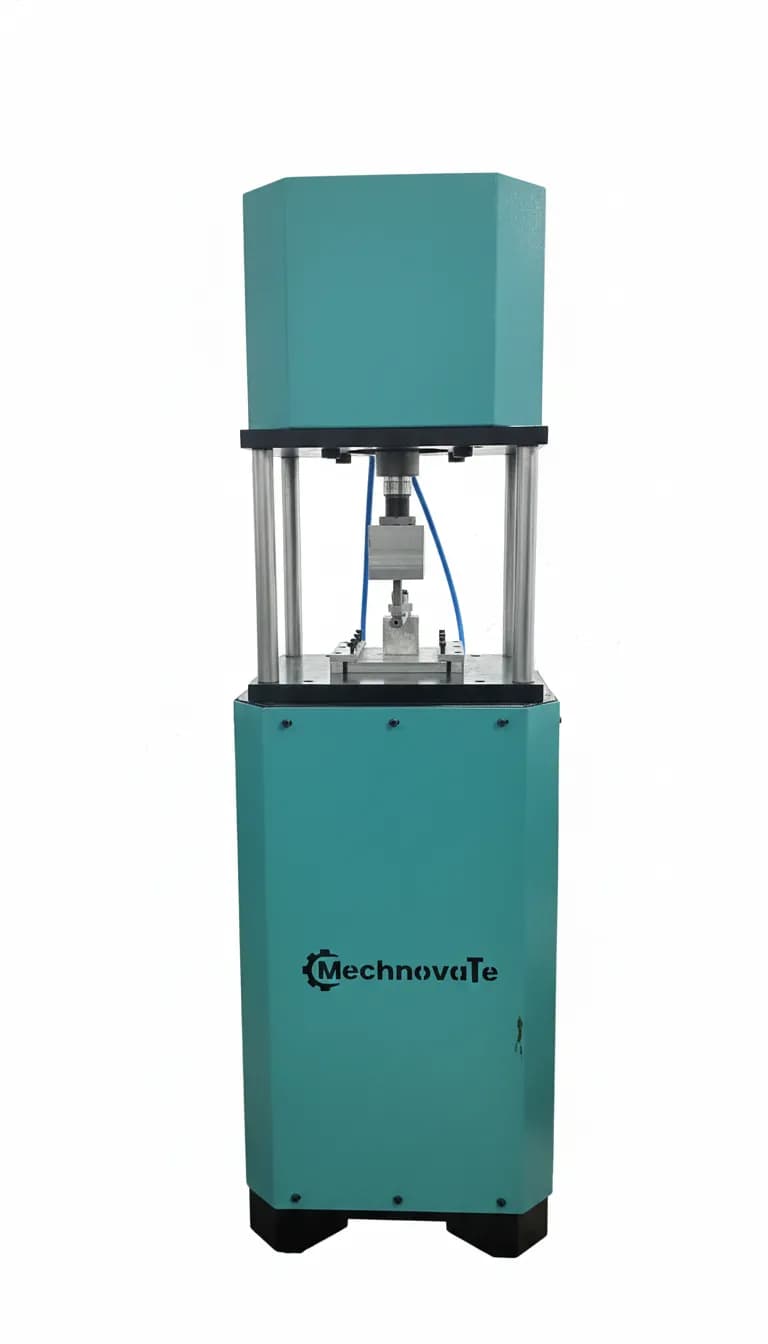
In the competitive uPVC market of Delhi-NCR, the difference between a premium fabricator and a roadside workshop is the finish of the corner. If your team is still using hand-chisels and sandpaper to clean weld burrs, you are losing money every hour. Manual cleaning is inconsistent, labor-intensive, and prone to damaging the profile surface. I have spent 15 years in workshops from Okhla to Bawana, and the most common failure point I see is a 'hollowed out' corner caused by over-sanding. When you use a CNC Corner Cleaning Machine, you achieve a sub-millimeter precision that manual labor simply cannot replicate. A standard 2-axis CNC cleaner ensures that the outer surface, inner corner, and gasket grooves are processed simultaneously in under 30 seconds. This is critical for high-volume orders common in Delhi’s real estate sector. By switching from manual to automated finishing, our clients have reported a 70% reduction in rejection rates during site inspections.
The Engineering Logic: Precision Parameters for uPVC Profiles
To understand why a CNC system outperforms manual labor, we must look at the technical specifications of the cleaning cycle. A professional-grade uPVC window manufacturing machine operates with high-speed spindles rotating at 12,000 to 18,000 RPM. This high velocity is necessary to cleanly shear the uPVC weld bead without melting the material. In our testing facility, we found that a feed rate of 3-5 meters per minute provides the cleanest finish on 2.5mm wall thickness profiles. When setting up your machine, the air pressure must be a stable 6 to 8 bar. Fluctuations in Delhi's industrial power grid often lead to inconsistent pneumatic clamping, which causes 'chatter marks' on the profile. We recommend installing a dedicated air receiver tank and a high-quality voltage stabilizer to protect the PLC and servo drivers. The goal is to maintain a tolerance of +/- 0.1mm across the entire weld line. This level of precision engineering ensures that the window sash fits perfectly into the frame, maintaining the thermal and acoustic insulation properties mandated by ISO standards.
Step-by-Step Transition: Manual to CNC Integration
Transitioning your shop floor requires more than just buying equipment; it requires a process overhaul. Based on my experience implementing these systems in over 200 factories across India, here is the standard workflow for upgrading your finishing line:
- Profile Scanning and Programming: Before the first cut, we map the profile geometry into the CNC software. This includes the slope angle and gasket groove depth.
- Machine Calibration: Align the milling cutters to the zero-point. Even a 0.5mm offset will leave a visible burr.
- Synchronized Production: Link your cleaning station with a Double Head Cutting Machine to ensure the weld quality is consistent. If the cut angle is off by even 0.2 degrees, the corner cleaner will struggle to compensate.
- Trial Runs: Run 10-15 sample corners using scrap profiles. Measure the groove depth using a digital caliper.
- Training: Your operators must understand that the CNC handles the precision, but they must handle the cleaning. Dust accumulation on the sensors is the #1 cause of downtime.
We recently assisted a medium-sized fabricator in Noida who was producing 25 frames per day with 4 manual cleaners. After installing a single-head welding unit and a CNC corner cleaner, their output jumped to 85 frames per day with only 2 operators. The labor savings alone paid for the CNC uPVC window corner cleaning machine price India within 14 months.
Essential uPVC Machinery Maintenance for Longevity
Delhi's high dust environment is the enemy of precision machinery. Without a strict maintenance schedule, even the best uPVC machinery manufacturer products will degrade. In my 15 years of field service, I have seen $20,000 machines ruined by 5-cent dust particles. Follow this checklist to ensure your equipment lasts for a decade:
- Daily Cleaning: Use compressed air to blow out uPVC shavings from the guide rails and ball screws every evening.
- Weekly Lubrication: Apply high-grade lithium grease to the linear bearings. In humid months (July-September), increase this to twice a week to prevent oxidation.
- Spindle Inspection: Listen for high-pitched whining. This indicates bearing wear. Replacing a bearing is cheap; replacing a seized spindle is not.
- Software Backups: Always keep a copy of your profile programs on an external drive. Delhi’s power surges can occasionally corrupt PLC memory.
When looking for a uPVC window manufacturing machine, prioritize units with enclosed electronics cabinets. This protects the sensitive controllers from the fine plastic dust that acts as a conductor and causes short circuits. If you are comparing a uPVC window making machine price list, remember that a cheaper machine with open rails will cost you three times more in repairs over five years.
Common Mistakes in Corner Cleaning and How to Avoid Them
Even with a CNC, errors can occur if the fundamentals are ignored. The most common mistake is using blunt milling cutters. A dull blade doesn't cut; it tears. This leaves a white, stressed edge on dark laminated profiles, which is a major complaint from architects in the Delhi luxury housing market. Another frequent error is improper clamping pressure. If the pressure is too low, the profile shifts during the 18,000 RPM milling cycle. If it is too high, it can deform thin-walled profiles. Always match your clamping pressure to the profile’s structural internal ribs. Lastly, avoid the 'set and forget' mentality. Every time you switch profile brands (e.g., from a premium German brand to a local economy brand), you must recalibrate the machine. Different uPVC formulations have different melting points and hardness levels, requiring slight adjustments to the spindle speed and feed rate.
Frequently Asked Questions for Delhi Fabricators
What is the ROI on a CNC corner cleaner for a small workshop?
If you are fabricating more than 15 windows per day, the ROI is usually under 18 months. You save on labor (2 fewer workers), reduce rework, and can charge a 10-15% premium for the 'factory-finish' quality that Delhi's architects demand.
Can one machine handle both white and laminated (wooden finish) profiles?
Yes, but you must ensure the machine has a 'laminate-safe' program. This uses a different milling path to avoid chipping the foil. We recommend using specialized diamond-tipped cutters for high-volume laminated production.
What are the power requirements for a standard CNC corner cleaning unit?
Most industrial units require a 3-phase 415V supply with a power rating of approximately 1.5kW to 3kW. Given the power fluctuations in many Delhi industrial areas, a 5kVA servo stabilizer is highly recommended to protect the electronics.
How does corner cleaning affect the strength of the uPVC welding machine joint?
The cleaning process should only remove the external bead. If the machine is set too deep, it can cut into the weld seam itself, compromising the structural integrity. A properly calibrated CNC machine leaves the core weld intact, maintaining the 35-45 MPa corner strength required by international standards.
Get more articles like this
Follow Mechnovate on Google to see our guides in Google Discover & News