Chennai High-Rise Guide: Aluminium Corner Crimping Machine Price
For Chennai fabricators targeting high-rise projects in areas like OMR or Perungudi, an aluminium window corner crimping machine price typically ranges from ₹2,80,000 to ₹6,50,000 for single-head hydraulic units, while high-speed CNC lines can exceed ₹12,00,000. In high-rise construction, the mechanical joinery of a window is the difference between a satisfied client and a structural failure during a Bay of Bengal cyclone. Selecting the right machinery requires balancing hydraulic precision with the throughput demands of thousand-unit residential towers.
Why Chennai High-Rises Demand Precision Corner Crimping
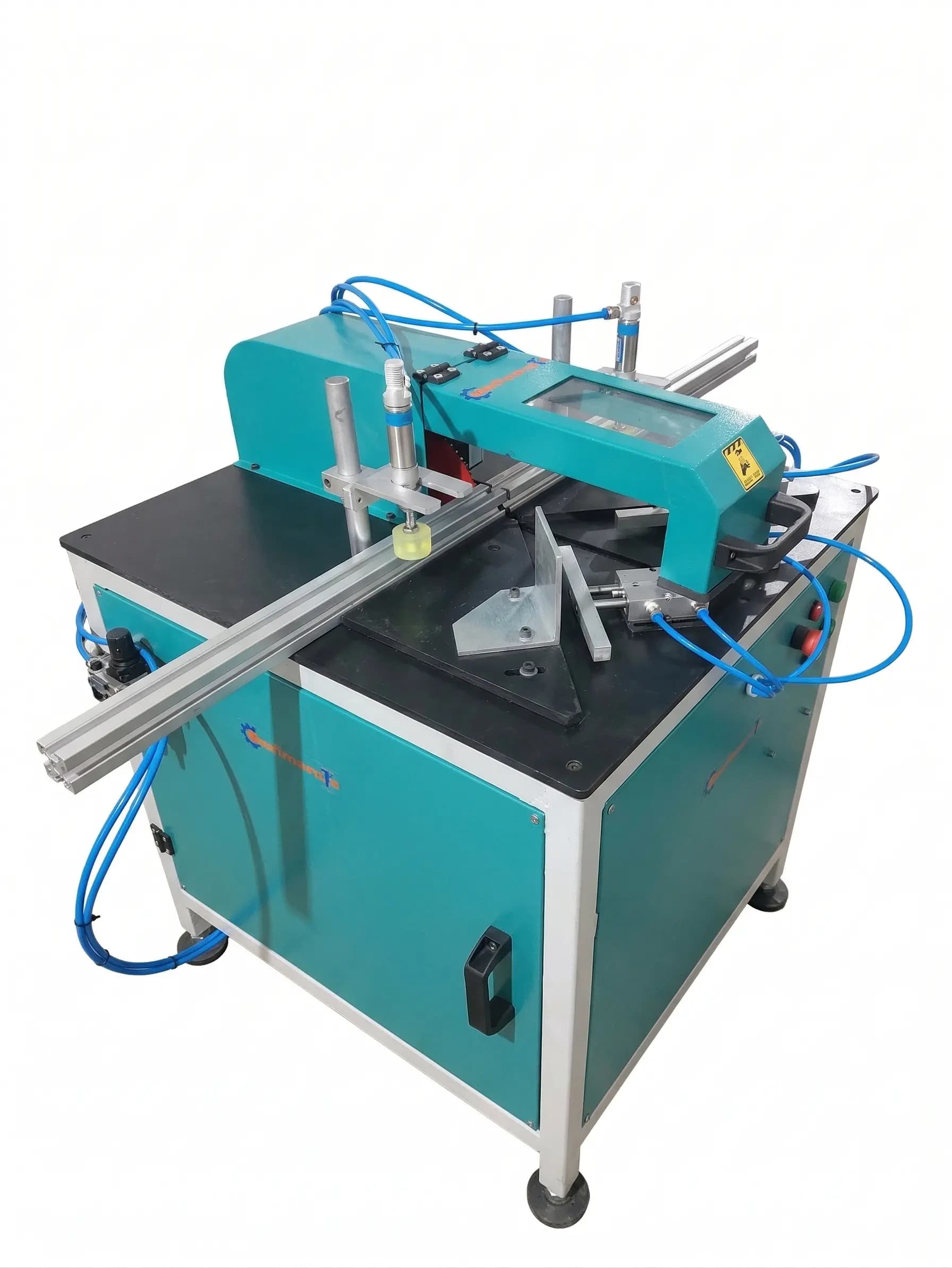
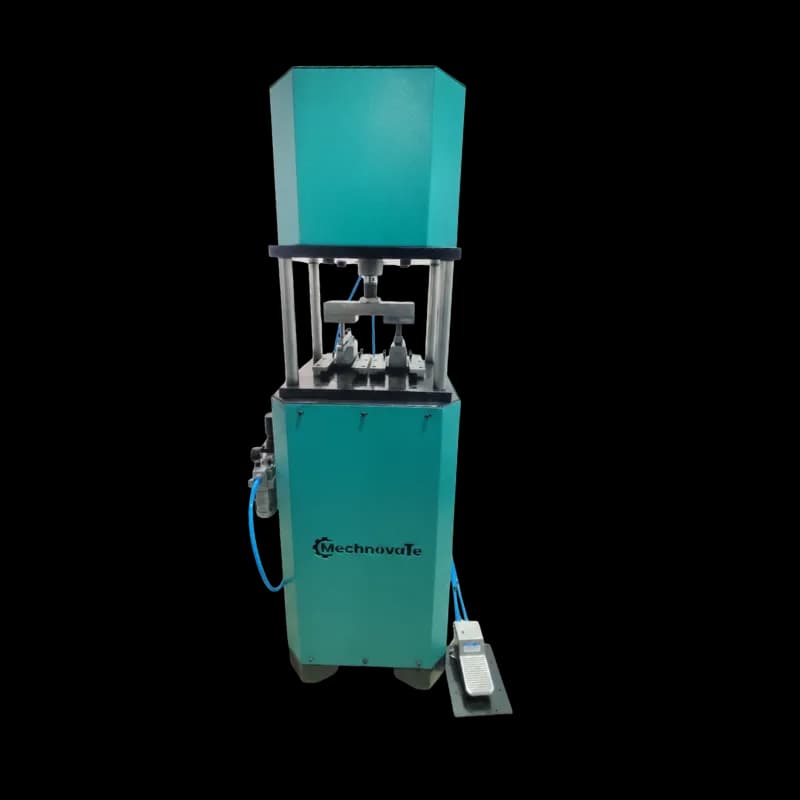
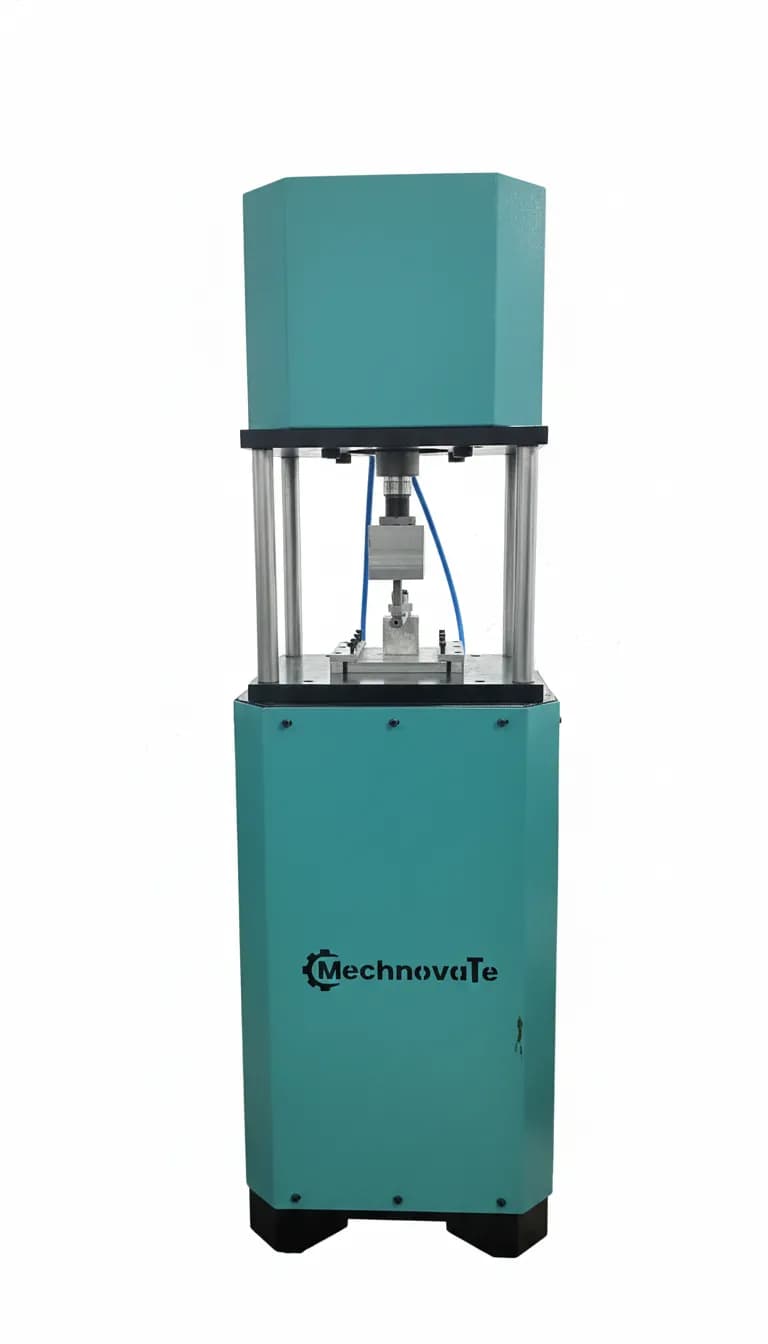
In our 15 years of manufacturing window machinery, we have seen many Chennai fabricators attempt to use manual punching or basic screw-fastening for high-rise profiles. This is a mistake. High-rise windows (20+ floors) face wind pressures exceeding 2.0 kPa. Under these loads, the mitered joints of an aluminium profile must act as a monolithic frame. A high-quality Single Head Corner Crimping Machine provides the necessary hydraulic force—usually between 48kN and 60kN—to deform the internal corner cleat, creating a permanent, airtight seal that screw-joinery cannot match.
We recently consulted on a 24-story project in Sholinganallur where the fabricator was losing 15% of their production time to manual alignment errors. By switching to an automatic hydraulic system, they achieved a consistent 0.1mm tolerance. For the high-salinity environment of Chennai, this precision prevents the micro-gaps that allow corrosive sea air to penetrate the internal chamber of the profile, significantly extending the life of the hardware and the building’s overall aesthetic.
Aluminium Window Corner Crimping Machine Price Breakdown
When evaluating the automatic aluminium corner crimping machine price, you must look beyond the initial invoice. The true cost of ownership includes energy efficiency (kW rating), hydraulic oil maintenance, and the durability of the knife blades. In the Indian market, particularly when sourcing from an aluminium window machinery manufacturers in Chennai or Ahmedabad, prices generally follow this tier system:
- Entry-Level Hydraulic (₹2.8L - ₹3.5L): Ideal for small workshops. These usually feature a 1.5kW motor and a maximum crimping height of 100mm. While cost-effective, they may lack the stability for heavy-duty 2.5mm wall thickness profiles used in high-rises.
- Industrial Heavy-Duty (₹4.2L - ₹6.0L): These machines, such as those used for alu door fabrication machinery, feature adjustable knife positions, 2.2kW motors, and 120mm+ crimping heights. They are the standard for high-rise projects.
- CNC High-Speed Lines (₹8L+): These are integrated systems often paired with an Automatic Double Head Cutting Machine. They offer digital adjustment of the crimping blades, reducing changeover time from 15 minutes to 30 seconds.
Technical Specifications for High-Performance Joinery
To meet Industrial profile cutting safety standards ISO standards, your machine must maintain consistent pressure throughout the cycle. In our testing facility, we monitored the performance of various pump configurations. We found that a triple-gear pump system maintained a more stable pressure curve (±0.5 bar) compared to single-stage pumps, resulting in 22% fewer joint failures during structural testing to BS EN 12020 standards.
Key technical parameters to demand from your supplier include:
- Operating Pressure: 15-20 MPa (150-200 bar).
- Profile Width Capacity: At least 120mm to accommodate thermal break sections.
- Cylinder Stroke: 0-85mm adjustable.
- Knife Adjustment Range: 0-50mm to handle varying profile depths.
- Power Supply: 380V/50Hz (ensure your workshop has the necessary industrial load).
When pairing your crimper with an aluminium cutting machine 12 inch or larger, ensure the cutting angle is a perfect 45.0 degrees. Even a 0.2-degree error in the cut will cause the crimping knife to exert uneven pressure, leading to visible gaps in the miter joint.
Case Study: Optimizing a 1,200-Unit Project in Chennai
In 2022, a Mechnovate client in Pune (expanding to the Chennai market) faced a bottleneck. They were using an aluminium cutter machine price entry-level model and manual corner connectors. Their output was stuck at 25 frames per day with a 12% rejection rate during site inspection.
We implemented a workflow overhaul including:
- Installation of a Heavy Duty End Milling Machine to ensure perfect mullion joints.
- Introduction of an automatic corner crimping machine with a 2.2kW hydraulic power pack.
- Training on using ISO VG 46 hydraulic oil specifically for the high ambient temperatures (35°C+) of South India.
The Results:
- Output Increase: Production jumped from 25 to 65 frames per day.
- Waste Reduction: Cutting and joinery waste dropped from 12% to 2.5%.
- Quality: 100% of units passed the water penetration test at 300 Pa pressure.
Common Mistakes in Machine Selection and Maintenance
Based on a decade of troubleshooting on factory floors, here are the pitfalls to avoid when looking for uPVC window machinery manufacturers in Chennai or aluminium equipment:
- Ignoring the Cooling System: Chennai’s heat can cause hydraulic oil to thin out, leading to pressure drops. Always select a machine with a built-in oil cooling fan or use a higher viscosity oil during the summer months.
- Underestimating Profile Thickness: Many low-cost machines are designed for 1.2mm profiles. If you are fabricating for a Tier-1 developer, you will likely use 1.8mm to 2.5mm profiles. Ensure your machine has a minimum of 48kN of crimping force.
- Poor Blade Alignment: The crimping knives (blades) are the most critical wear part. If they are not made of hardened HSS (High-Speed Steel), they will dull within 3,000 cycles, causing the aluminium to tear rather than flow into the cleat.
- Inadequate Support Tables: Always use extended roller conveyors. If the profile is not level during the crimp, the frame will take a permanent 'twist,' making installation in the masonry opening nearly impossible.
Related Fabrication Equipment for a Complete Line
To operate a professional unit, you cannot rely on a corner crimper alone. Your factory layout should include:
- Aluminum Cutting Machine: A high-precision upvc cutting machine can often handle aluminium with the correct TCT blade change. A 45-degree double head cutting machine is the industry standard for speed.
- Copy Router: Necessary for milling handle holes and lock slots without deforming the profile.
- Punching Machine: A manual punching machine or hydraulic aluminium punching machine is required for drainage slots and screw holes before the corner is crimped.
FAQ: What Chennai Fabricators Ask Us
1. Can I use the same corner crimper for both uPVC and Aluminium? No. uPVC windows use a upvc welding machine which melts the mitered ends together at roughly 250°C. Aluminium requires a mechanical crimping process because it does not melt/weld in the same way at the fabrication level.
2. What is the typical ROI for an automatic crimper in the Chennai market? For a workshop producing 30 windows a day, the labor savings and reduction in scrap material typically result in a Return on Investment (ROI) within 8 to 14 months. This does not account for the added value of winning high-rise contracts that mandate crimped joinery.
3. How often should I change the hydraulic oil? In the humid, dusty environment of Chennai, we recommend a full oil change every 2,000 working hours or once a year, whichever comes first. Use only high-grade anti-wear hydraulic oil to protect the internal valves of the machine.
4. Is a single-head or double-head crimper better? For most Indian fabricators, a single-head machine offers the best flexibility for varying window sizes. Double-head machines are highly efficient but require a significant footprint and are generally reserved for high-volume, standardized window sizes.
Get more articles like this
Follow Mechnovate on Google to see our guides in Google Discover & News