Chennai Fabricator’s Guide to Selecting Aluminium Window Machinery
Direct Answer: How to Choose the Best Supplier in Chennai
For Chennai-based fabricators scaling to high-volume projects, selecting the right aluminium window machinery is not just about the lowest price; it is about local service response times, pneumatic component durability in high-humidity coastal environments, and precision tolerances below 0.2mm. To win high-volume contracts in Chennai’s booming real estate sectors like OMR and Porur, you must prioritize suppliers who offer a complete automatic aluminium window production line price that includes installation, training, and a 24-hour service guarantee. Focus on machinery that maintains a blade run-out of less than 0.1mm to ensure perfect miter joints that meet international standards.
1. Technical Specifications for High-Volume Precision Engineering
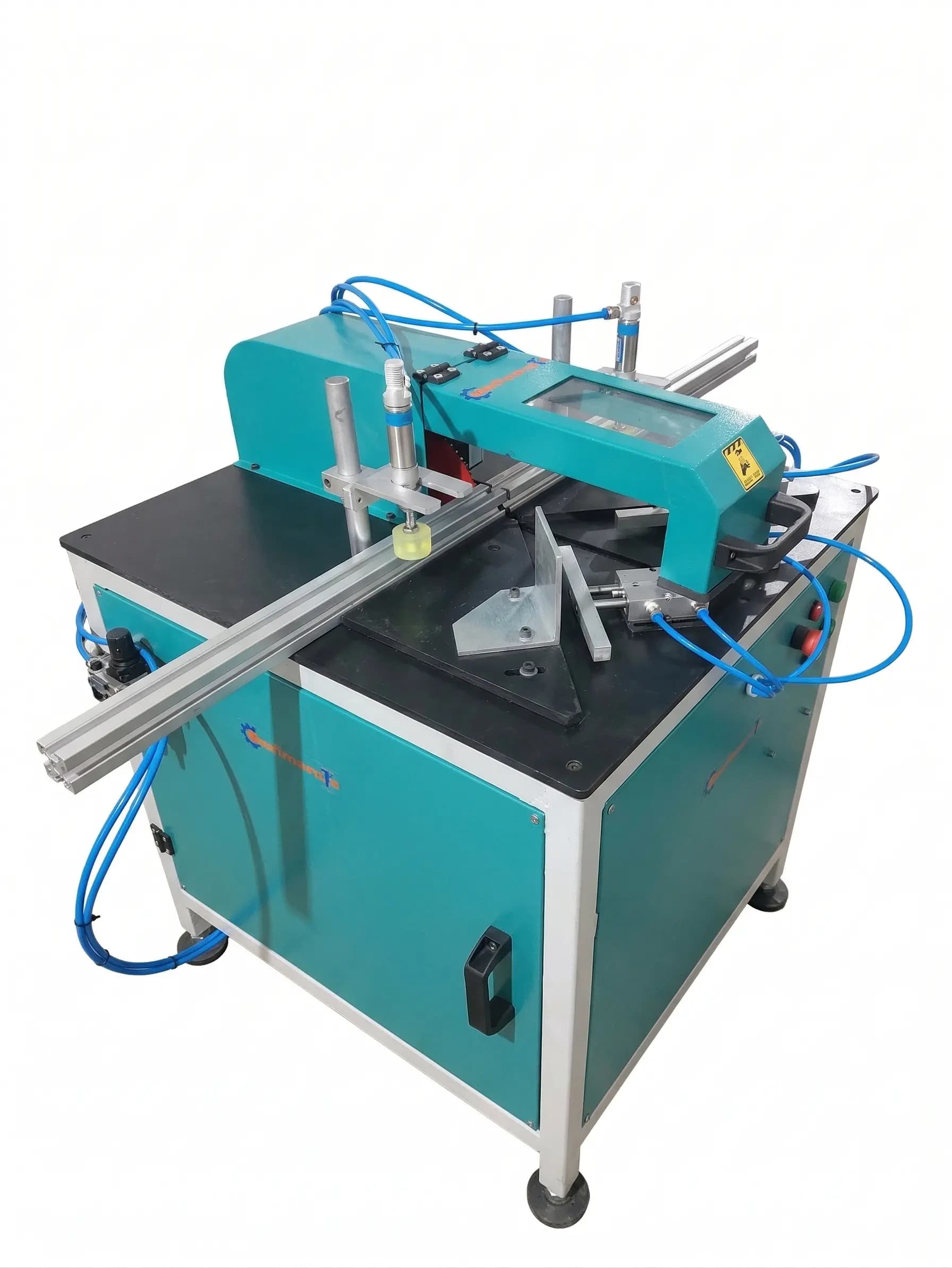
In our Mechnovate workshops, we have found that high-volume aluminium fabrication demands more than just basic cutting. When evaluating an aluminium profile cutting machine, the motor power should be at least 2.2kW to 3.0kW per head to handle heavy-duty architectural profiles without overheating. Look for a 45 degree double head cutting machine equipped with 450mm or 500mm TCT blades, as these allow for wider profile capacities required in modern facade engineering.
Key technical benchmarks for high-volume machinery include:
- Spindle Speed: Minimum 2800-3200 RPM for clean, burr-free cuts on aluminium profiles.
- Air Pressure Stability: Equipment must operate consistently at 6-8 bar; fluctuations here often lead to improper clamping and wasted material.
- Feed Rates: Hydro-pneumatic feeding systems provide smoother blade movement compared to pure pneumatic systems, significantly extending blade life.
- Tolerance Levels: High-precision machines must adhere to ISO standards, ensuring a cutting length tolerance within ±0.15mm over a 3-meter length.
If you are transitioning from smaller residential work, an aluminium cutting machine 12 inch may suffice for ancillaries, but your core production line should center on an automatic double head cutting saw for aluminium profiles to maintain a rate of at least 150-200 frames per shift.
2. Case Study: Scaling Production in a Chennai Industrial Hub
Last year, we assisted a mid-sized fabricator in the Ambattur Industrial Estate who was struggling with a 12% material waste rate and a bottleneck at the corner joining station. Their existing setup relied on a manual degree cutting machine and a slow manual punching machine. We implemented a three-stage upgrade over an eight-week period.
- Before: Output was 35 frames per day with three operators; 12% scrap due to cutting inaccuracies.
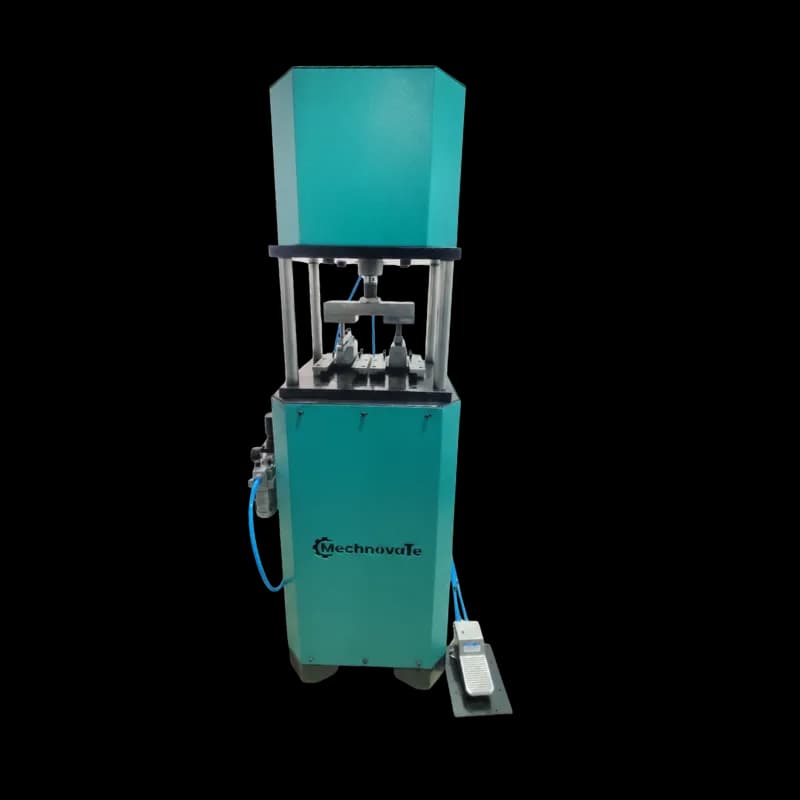
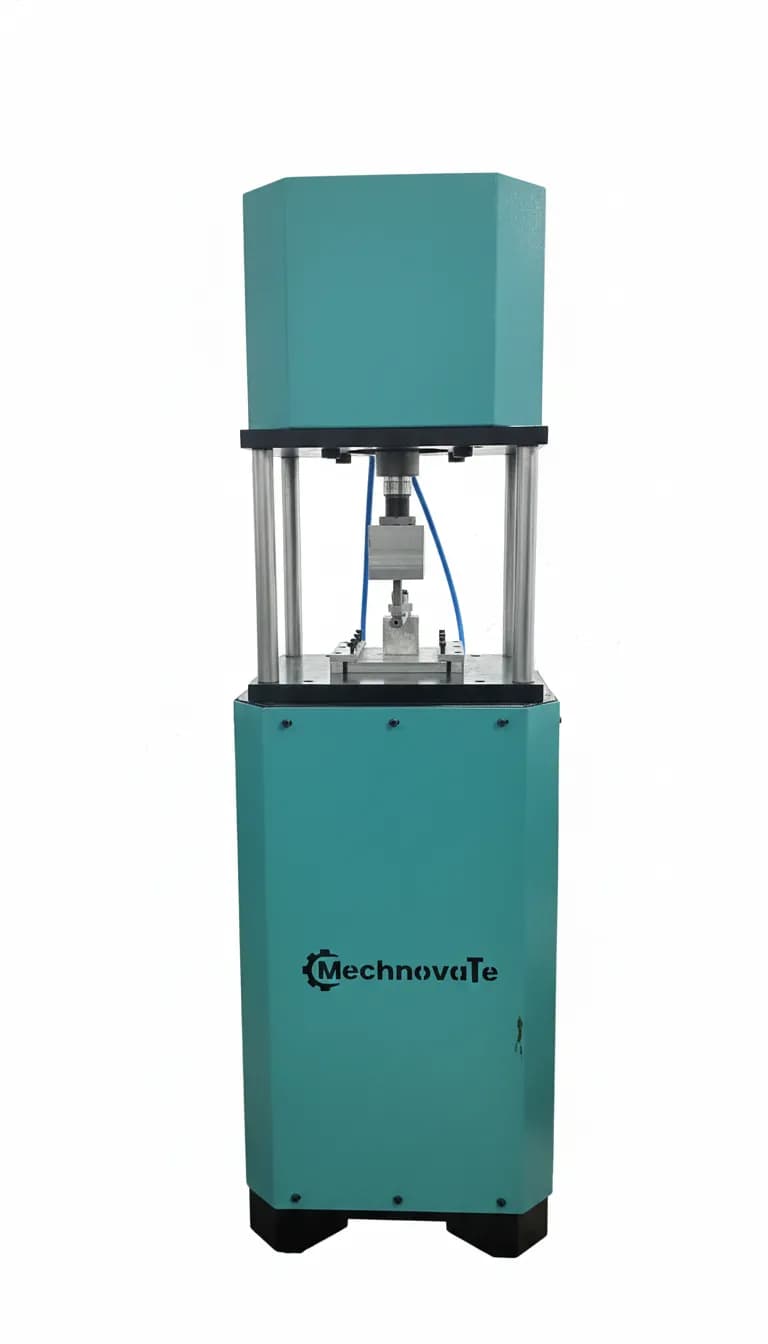
- After: We installed a Double Head Cutting Machine and an automatic aluminium corner crimping machine price-balanced for their budget. Output jumped to 85 frames per day with the same headcount.
- Results: Scrap was reduced from 12% to 2.8%, and the precision of the crimped corners eliminated the need for manual filing, saving an additional 15 minutes per window.
The lesson learned: Investing in a high speed copy router for aluminium windows is essential. Using a slow, vibrating router creates microscopic tears in the aluminium, which can lead to structural failure under wind load testing in high-rise buildings along the ECR coast.
3. The High-Volume Machinery Checklist: Must-Have Components
To compete as one of the top upvc windows manufacturers machine experts, your facility needs a balanced workflow. You cannot have a high-speed cutter paired with a slow joiner. Here is the essential machinery stack for a high-volume unit:
- Automatic Double Head Cutting Saw: This is the heart of the plant. Look for CNC-controlled length setting to eliminate tape-measure errors.
- Heavy Duty Aluminium Profile End Milling Machine: Required for clean mullion joints. The cutter diameter should be at least 200mm to handle multiple profiles simultaneously.
- Aluminium Punching Machine: For high-volume projects, a multi-station hydraulic punching machine is superior to several manual units, as it handles lock holes, handle holes, and drainage slots in one pass.
- Copy Router Machine: Ensure the model has a 1:1 ratio template and a minimum 12,000 RPM motor to prevent melting the profile during the milling process.
When calculating the cost of setting up uPVC window manufacturing unit in India, remember that aluminium lines typically require a 20% higher initial investment in tooling compared to uPVC, but the durability and market price of the finished product offer a faster ROI on high-end commercial projects.
4. Common Mistakes and Chennai-Specific Maintenance
One of the most common mistakes Chennai fabricators make is ignoring the impact of salt-laden air on industrial aluminum door manufacturing equipment. We have seen pneumatics fail in less than 12 months because the workshop did not use a high-quality refrigerated air dryer. Moisture in the lines leads to internal corrosion of the solenoid valves in your upvc window manufacturing machine and aluminium cutters.
What to Watch Out For:
- Voltage Fluctuations: Chennai's industrial grids can be erratic. Always include a dedicated servo stabilizer for CNC-controlled upvc machinery to prevent motherboard fry-outs.
- Blade Lubrication: Never run a cutting machine aluminium dry. Use a high-quality mist lubrication system; failure to do so will cause 'galling,' where aluminium sticks to the blade teeth, resulting in jagged cuts.
- Leveling: In older sheds with uneven flooring, machines often vibrate out of alignment. Use heavy-duty anti-vibration mounts and recalibrate the 90/45-degree angles every 30 days.
5. ROI Analysis: Automatic vs. Manual Production Lines
When evaluating the aluminium window corner crimping machine price, consider the labor cost savings. In a manual setup, one skilled technician can join roughly 15 corners an hour. An automatic corner joiner handles 60+ corners with higher structural integrity. For a high-volume project of 500+ windows, the automatic machine pays for itself in just 4-5 months purely through labor reduction and the elimination of rejected frames.
Whether you are looking for uPVC window machinery manufacturers in Chennai or aluminium specialists, verify their service center location. A machine down for three days while waiting for a technician from North India can cost a high-volume fabricator lakhs in liquidated damages on a construction site.
FAQ: Critical Questions for Chennai Fabricators
Q: What is the ideal floor space for a high-volume aluminium window manufacturing unit? A: For a high-volume line including a double head cutter, crimper, and end miller, you need a minimum of 3,000 to 4,500 square feet. This allows for proper material flow from the profile racks to the glass assembly and final QC station without bottlenecks.
Q: Can I use the same machines for both uPVC and Aluminium fabrication? A: While some machines like the copy router machine can be used for both with a change of bits, the cutting and welding/joining processes are entirely different. uPVC requires a upvc welding machine, whereas aluminium requires mechanical joining or crimping. We recommend dedicated lines to maintain precision and avoid cross-contamination of metal shavings on uPVC profiles.
Q: How do I ensure my machinery meets Industrial profile cutting safety standards? A: Ensure all equipment is ISO 9001 certified and features dual-hand safety triggers and protective hoods. In high-volume environments, operator fatigue is real; automatic clamping and safety sensors are non-negotiable for preventing workshop accidents.
Get more articles like this
Follow Mechnovate on Google to see our guides in Google Discover & News