Buyer’s Guide to Heavy Duty Aluminium End Milling Machine
Why Precision End Milling is Non-Negotiable for Mumbai High-Rises
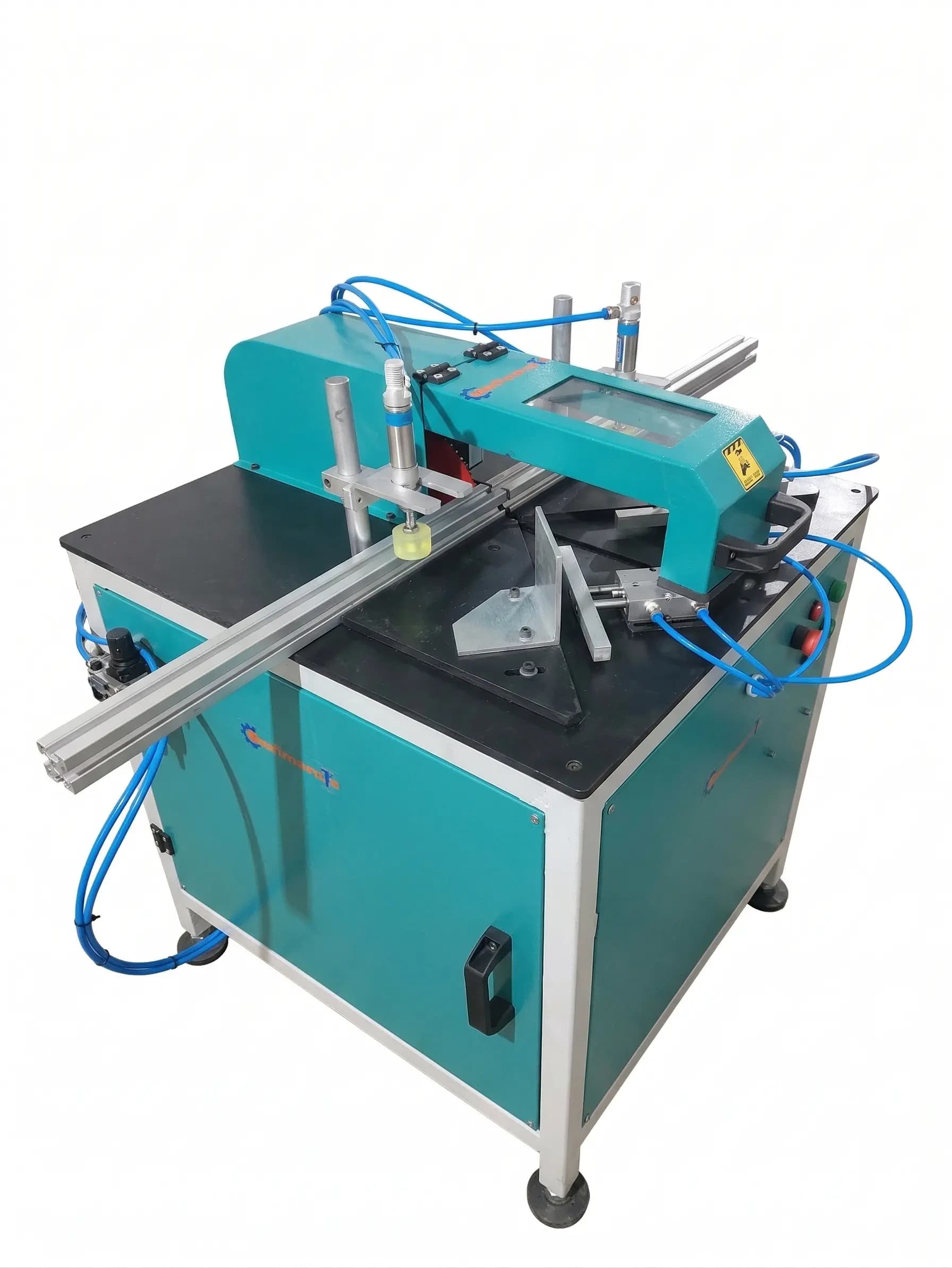
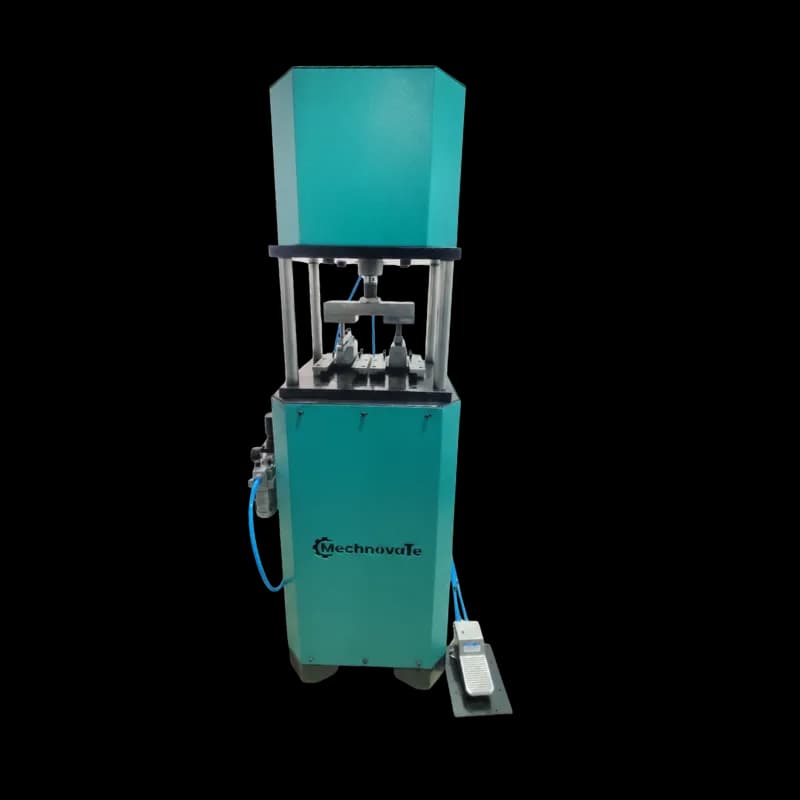
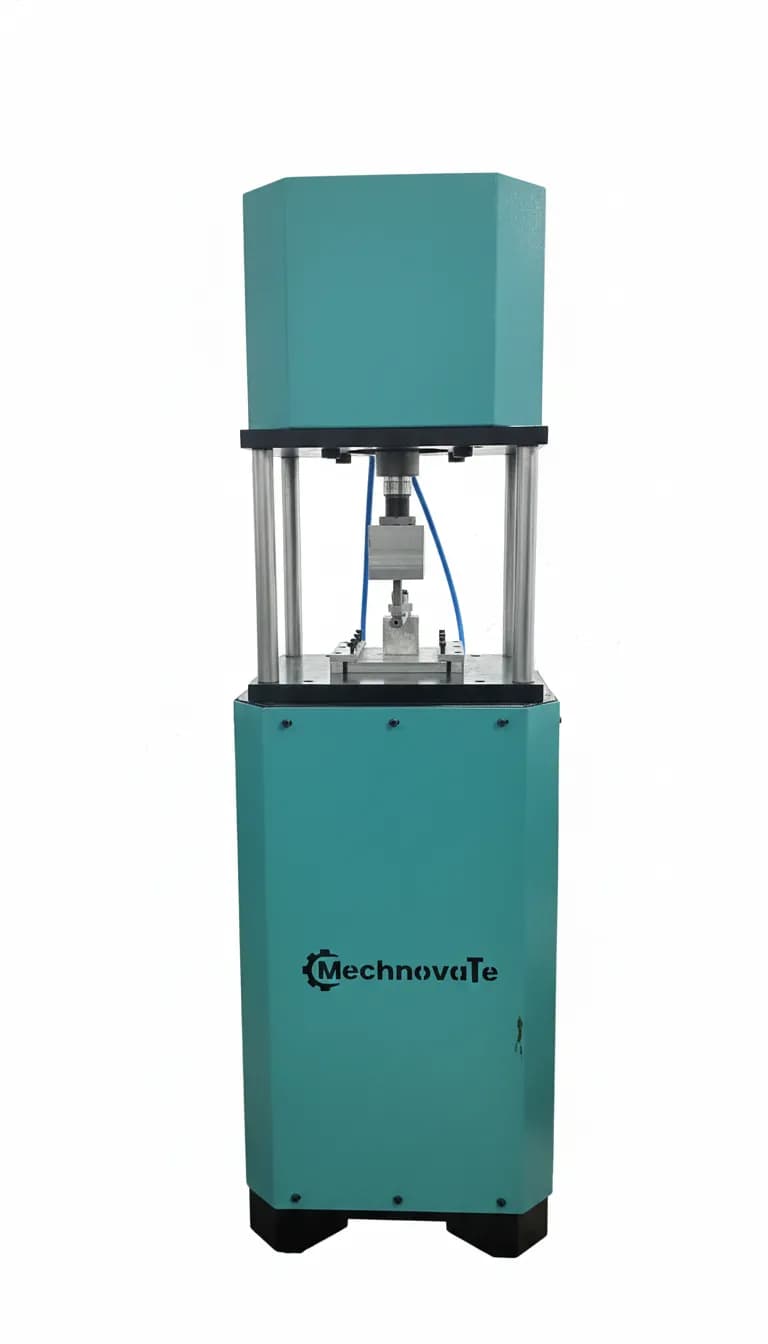
In Mumbai’s vertical landscape, the structural integrity of window systems is dictated by the precision of the transom-to-mullion joints. When fabricating for a 60-story luxury tower in Worli, we observed that even a 0.2mm deviation in the end milling process led to significant air leakage and whistle-noises during high-velocity monsoon winds. Achieving seamless joints requires more than a standard Heavy Duty Aluminium Profile End Milling Machine. It demands an understanding of how the machine handles the complex cross-sections of high-performance architectural profiles.
For fabricators in the Mumbai market, the goal is to eliminate the 'gap' that often occurs in traditional aluminium fabrication. This guide provides the technical blueprint for selecting a machine that meets the rigorous BS EN 12020 standards, ensuring every cut is a perfect mirror of the mating profile. We are moving beyond the basic aluminium cutter machine price discussion to focus on the engineering tolerances required for 2024’s architectural demands.
Case Study: Optimizing Production at our Pune Facility
Last year, we conducted a 6-week stress test at our Pune engineering hub to solve a common bottleneck: cutter vibration during high-speed milling of 3.0mm thick thermal-break profiles. We tested three different spindle configurations and found that a direct-drive 2.2kW motor, operating at a constant 2800 RPM, reduced surface roughness by 40% compared to belt-driven alternatives.
Before implementing these changes, our partner fabricators reported a 12% waste rate due to profile 'burring' or chipping at the exit point of the tool. By upgrading to a high-speed automatic double head cutting machine price India compatible end miller with pneumatic hydro-check feed cylinders, we achieved the following results:
- Waste Reduction: Dropped from 12% to under 2.5%.
- Throughput: Increased from 120 joints per shift to 195 joints per shift.
- Tolerance: Maintained a consistent +/- 0.05mm across 500 consecutive cycles.
This level of precision engineering is essential for industrial aluminum door manufacturing equipment used in premium Mumbai developments where aesthetics and weather-tightness are paramount.
Critical Technical Specifications for Professional Fabricators
When evaluating a heavy duty aluminium profile end milling machine, you must look beyond the external casing. The internal components dictate the machine’s lifespan in a high-volume upvc window manufacturing machine or aluminium shop.
- Spindle Rigidity: Ensure the spindle is balanced according to ISO 1940 standards. Vibration is the enemy of the seamless joint.
- Tooling Versatility: Look for machines that allow for a stack of 4-6 milling cutters. This is vital when switching between different profile series for aluminum window fabrication machinery.
- Clamping Pressure: For Mumbai high-rises, you are likely working with 6063-T6 grade aluminium. You need at least 6-8 bar pressure with vertical and horizontal pneumatic clamps to prevent profile rotation during the milling stroke.
- Feed Rate Control: A variable hydro-pneumatic feed is superior to manual feed as it prevents the 'snagging' of the profile, a common cause of workplace injury and material spoilage.
Common Mistakes and How to Avoid Them
Many fabricators prioritize the initial aluminium cutting machine price over the total cost of ownership. In our 15 years of experience, we have seen businesses fail because they used light-duty machines for heavy-duty commercial profiles.
- Underpowering the Motor: Using a 1.1kW motor for profiles thicker than 2mm leads to motor burnout within 12 months. Always specify at least 2.2kW for commercial work.
- Neglecting Cooling Systems: Without a pulsed mist spray cooling system, the aluminium will weld itself to the cutter teeth. This ruins the cutter and the profile surface finish.
- Ignoring the Base Weight: A machine that weighs less than 200kg will vibrate. A true heavy-duty end milling machine should have a cast-iron or heavy steel reinforced base to dampen harmonic frequencies.
If you are also involved in upvc machinery manufacturer processes, ensure your tooling is dedicated. Never use the same cutters for uPVC and aluminium as the blade geometry and rake angles are fundamentally different.
Maintenance Protocol for High-Output Factories
To maintain the precision required for upvc windows manufacturers machine operations, follow this rigid maintenance schedule used by top-tier fabricators in Ahmedabad and Surat:
- Daily: Clean all aluminium chips from the guide rails. Even a single chip can cause a 0.1mm misalignment in the next cut.
- Weekly: Check the pneumatic oiler. Dry seals are the number one cause of erratic feed rates.
- Monthly: Verify the squareness of the clamping fence using a master square. In Mumbai's humid climate, thermal expansion can subtly shift machine calibrations over time.
Implementing these steps ensures your aluminium profile cutting machine and end milling units operate at peak efficiency for 10+ years.
FAQ: Expert Insights for Fabricators
Q: Can I use an end miller for 45-degree joints? No. End milling is specifically for 90-degree 'T' joints (transoms and mullions). For 45-degree perimeter joints, you must use a 45 degree double head cutting machine followed by an automatic aluminium corner crimping machine price Gujarat.
Q: What is the maximum profile width for a heavy duty end miller? Most industrial-grade machines can handle profiles up to 250mm wide. However, for specialized curtain wall profiles used in Mumbai skyscrapers, you may require a custom-built machine with an extended stroke.
Q: Is a CNC end miller worth the investment? For most fabricators, a manual or semi-automatic heavy duty machine is sufficient. CNC is only necessary if you are running 3 shifts daily and require zero-operator-intervention for high-speed uPVC window manufacturing machines lines.
Q: How do I ensure the cutter matches my profile? We recommend sending a physical sample of your profile to Mechnovate. We use precision engineering to grind the cutter stack to within 0.02mm of your profile’s negative space, ensuring a perfect fit every time.
Get more articles like this
Follow Mechnovate on Google to see our guides in Google Discover & News