Bhopal Workshop Expansion: Automatic Aluminium Window Production Line Price
Setting up an automatic aluminium window production line in Bhopal requires a capital investment ranging from ₹12 Lakhs to ₹28 Lakhs for a high-performance setup. In the current Bhopal construction market, fabricators transitioning from manual processes to automated systems typically see a Return on Investment (ROI) within 14 to 18 months, driven by a 25% reduction in material waste and a 300% increase in daily frame output. This guide details the engineering specifications and economic realities of scaling your fabrication business.
Automatic Aluminium Window Production Line Price in Bhopal: 2024 Setup Guide
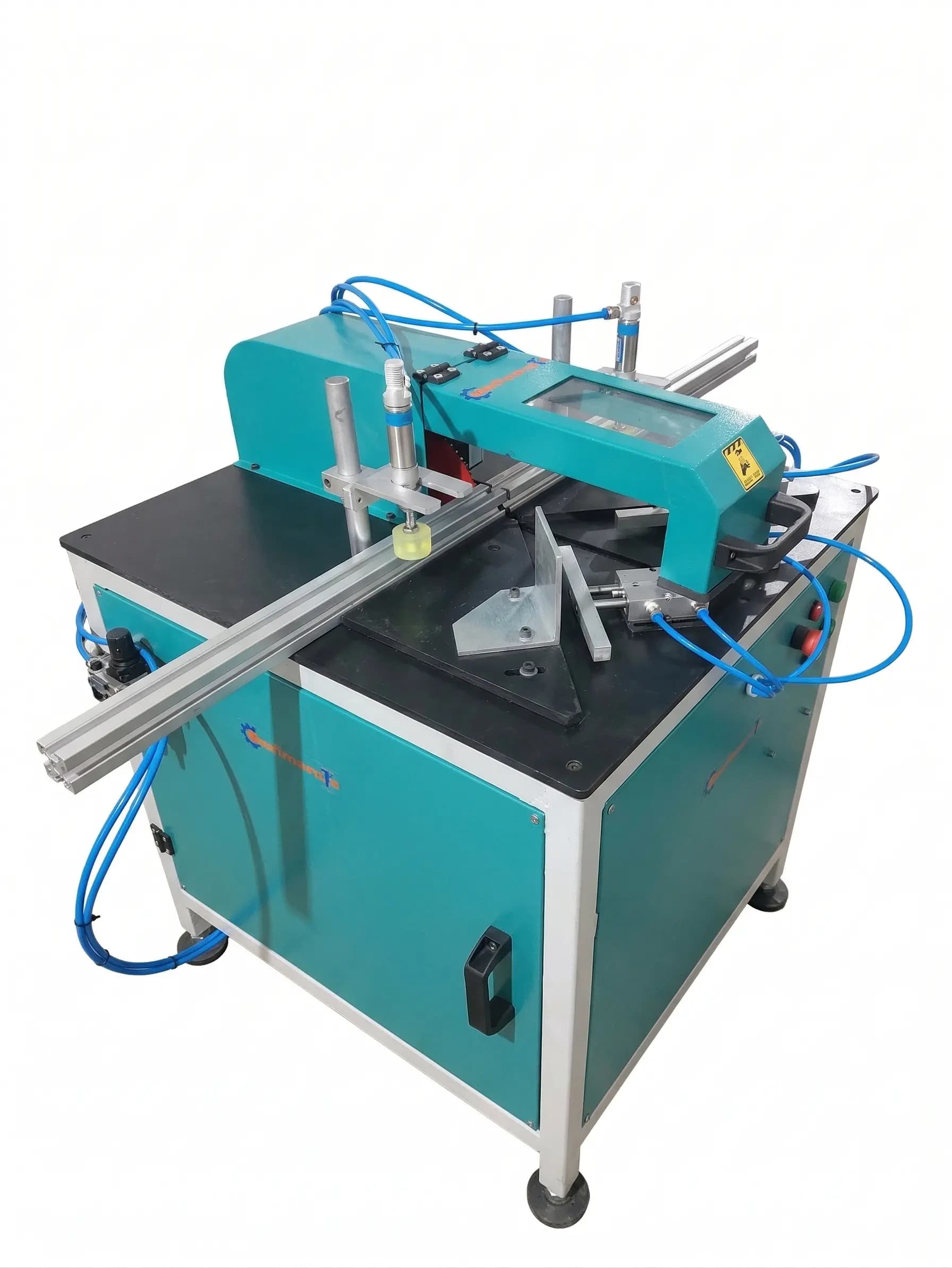
When evaluating an automatic aluminium window production line price, you must look beyond the initial invoice. A professional-grade line consists of five core machines: a double head miter saw, a corner crimping machine, an end milling machine, a copy router, and a punching machine. For a Bhopal-based facility aiming to compete in the premium villa and commercial high-rise segments, precision is non-negotiable.
- Double Head Cutting Saw: High-end models with 500mm blades and digital displays cost between ₹4.5L and ₹8L. These ensure the 45-degree miter cuts required for airtight seals.
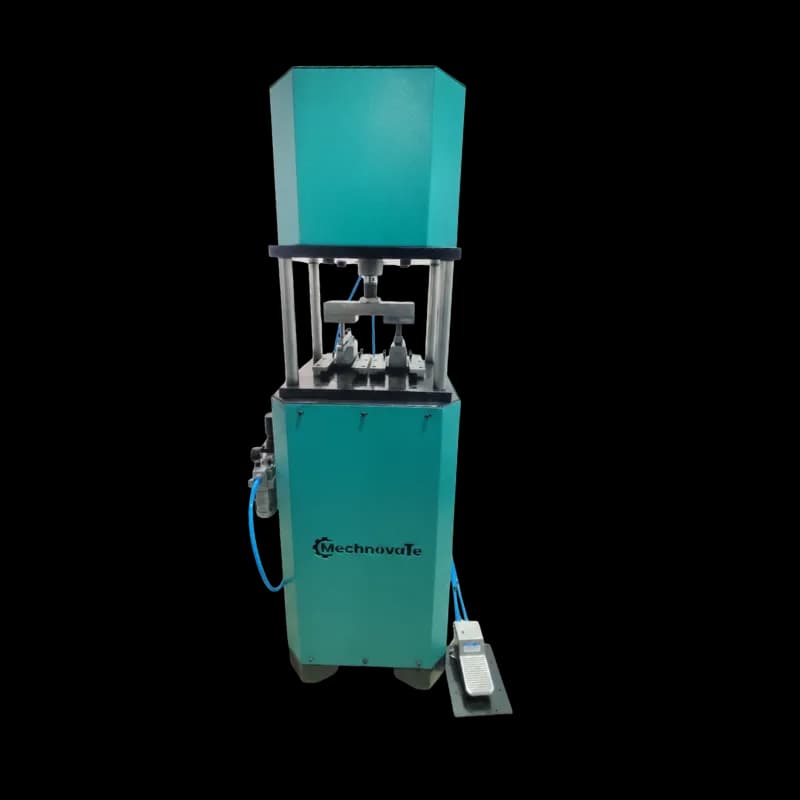
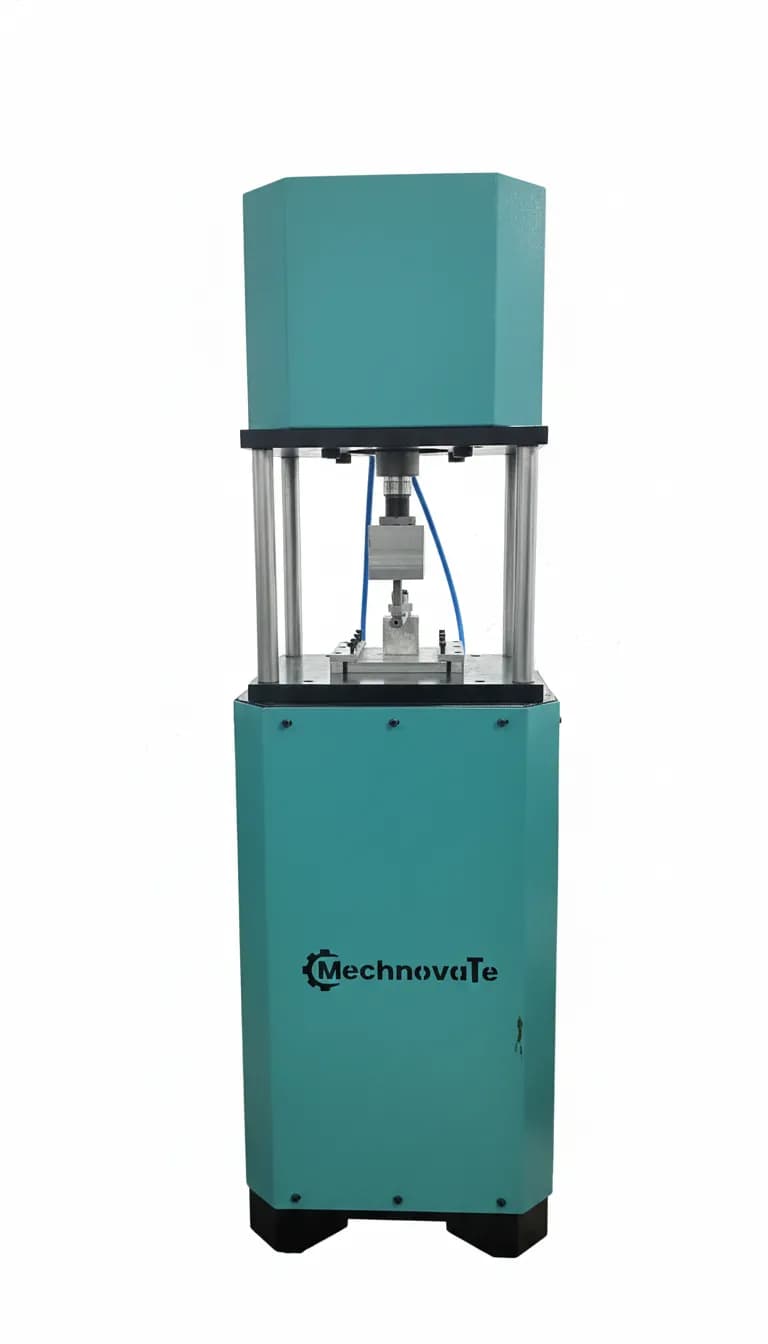
- Corner Crimping Machine: Essential for structural integrity, ranging from ₹3.5L to ₹5.5L. Look for hydro-pneumatic systems that deliver consistent pressure.
- End Milling & Copy Routing: Expect to allocate ₹1.5L to ₹3L for heavy-duty units that handle multi-step profile geometries without vibration.
- Ancillary Equipment: Air compressors (min 5.5kW / 7.5HP) and specialized assembly tables add another ₹1.5L to the budget.
Engineering ROI: From Manual Cutting to Precision Engineering Output
In our Mechnovate testing labs, we compared a traditional manual workshop in Bhopal's Govindpura industrial area against an automated Automatic Double Head Cutting Machine setup. The results were stark. Manual cutting using an aluminium cutting machine 12 inch variant often resulted in a ±1.5mm deviation over a 2-meter profile. This inaccuracy compounds during assembly, leading to gaps that require excessive silicone filler—a violation of IS 1285 standards for architectural profiles.
Switching to an automated Copy Router Machine reduced slotting time from 12 minutes per frame to just 90 seconds. In a high-volume scenario, this allows a 3-man team to produce 45-50 windows per shift, compared to just 12 windows using manual tools. This efficiency effectively lowers the cost per window by 40%, significantly boosting your competitive edge in government tenders and large-scale residential projects.
Case Study: Improving Yield with High-Precision Aluminium Profile Processing
During a recent expansion project for a fabricator in Indore (near Bhopal), we implemented a strategic layout that prioritized profile flow. Before the expansion, the workshop experienced a 12% scrap rate due to measurement errors and 'short-cutting.' By integrating a Aluminium Punching Machine and a 45 degree double head cutting machine with a digital linear guide, we achieved the following:
- Waste Reduction: Scrap dropped from 12% to under 2.8% by utilizing optimization software that calculates the best cut sequences from standard 6000mm profile lengths.
- Labor Efficiency: We reduced the dependency on 'skilled' cutters. The automation handles the precision, allowing operators to focus on assembly and quality control.
- Surface Finish: Using high-speed carbide-tipped blades running at 2800 RPM with mist spray lubrication ensured burr-free edges, eliminating the need for manual deburring.
Essential Machinery for a Bhopal Workshop Expansion
If you are expanding, do not settle for a generic aluminum cutting machine price quote without checking motor specifications. For continuous industrial use, insist on 2.2kW motors with induction drives rather than belt-driven hobbyist motors. A heavy duty aluminium profile end milling machine should feature quick-change tool systems to handle various series (like 25mm, 35mm, or 65mm) without 30-minute downtime between setups.
- Profile Support: Ensure your cutting line includes at least 3 meters of intake and outfeed rollers to prevent profile sagging.
- Pneumatic Stability: Use 7-8 bar pressure to ensure the Aluminium Corner Crimping Machine provides the 20kN of force required for a permanent mechanical bond.
- Safety Standards: All machines must comply with ISO standards, featuring emergency stop buttons and transparent safety hoods that prevent blade engagement unless the guards are down.
Common Fabricator Mistakes in Aluminium Window Production Setup
One of the most frequent errors I see in my 15 years of engineering is underestimating the air requirements. An automatic line is hungry for clean, dry air. Installing a 2HP compressor for a double-head saw will lead to pressure drops, causing the pneumatic clamps to loosen during a cut, which ruins the profile and risks operator safety.
Another mistake is neglecting the floor level. Bhopal’s industrial sheds often have uneven concrete. If your double head miter saw is not perfectly leveled using precision spirit levels, the two heads will never be truly parallel, resulting in windows that are 'out of square.' Always invest in vibration-damping pads and use an industrial-grade level during installation.
Frequently Asked Questions (FAQ)
Q: What is the power requirement for a full automatic aluminium window production line? A: A standard line requires a 3-phase connection with a total load of approximately 12kW to 15kW, including the air compressor. Single-phase options exist but are generally less durable for industrial production.
Q: Can I use uPVC machinery for aluminium fabrication? A: While some machines like the uPVC Window Welding Machine are specific to plastic, the cutting saws can sometimes be used if the blades are swapped for non-ferrous carbide tips and the RPM is adjusted. However, specialized aluminium machinery is recommended for better surface finish.
Q: How often does the copy router need maintenance? A: High-speed spindles should be greased every 40 hours of operation. You must also check the belt tension weekly and replace the milling bits as soon as you notice 'chatter' marks on the aluminium profile.
Get more articles like this
Follow Mechnovate on Google to see our guides in Google Discover & News