Bhopal uPVC Machine Price List 2024: Workshop Setup Guide
The 2024 uPVC Machine Price List for Bhopal Fabricators
For window fabricators in Bhopal's Govindpura or Mandideep industrial areas, expanding a workshop in 2024 requires a strategic balance between capital expenditure and machine throughput. A standard semi-automatic uPVC window manufacturing unit setup cost in India currently ranges from ₹8.5 Lakhs to ₹18 Lakhs, depending on the degree of automation. If you are scaling for high-volume government or real estate contracts in Madhya Pradesh, a fully automatic uPVC window manufacturing plant cost India can exceed ₹35 Lakhs. At Mechnovate, we have observed that Bhopal-based fabricators often lose 15-20% of their margins due to inaccurate cutting and poor welding finishes; upgrading to a Double Head Cutting Machine is the first step to reclaiming that lost profit.
2024 Estimated Price List for Individual Machines:
- Single Head Cutting Machine (12-inch): ₹45,000 - ₹75,000
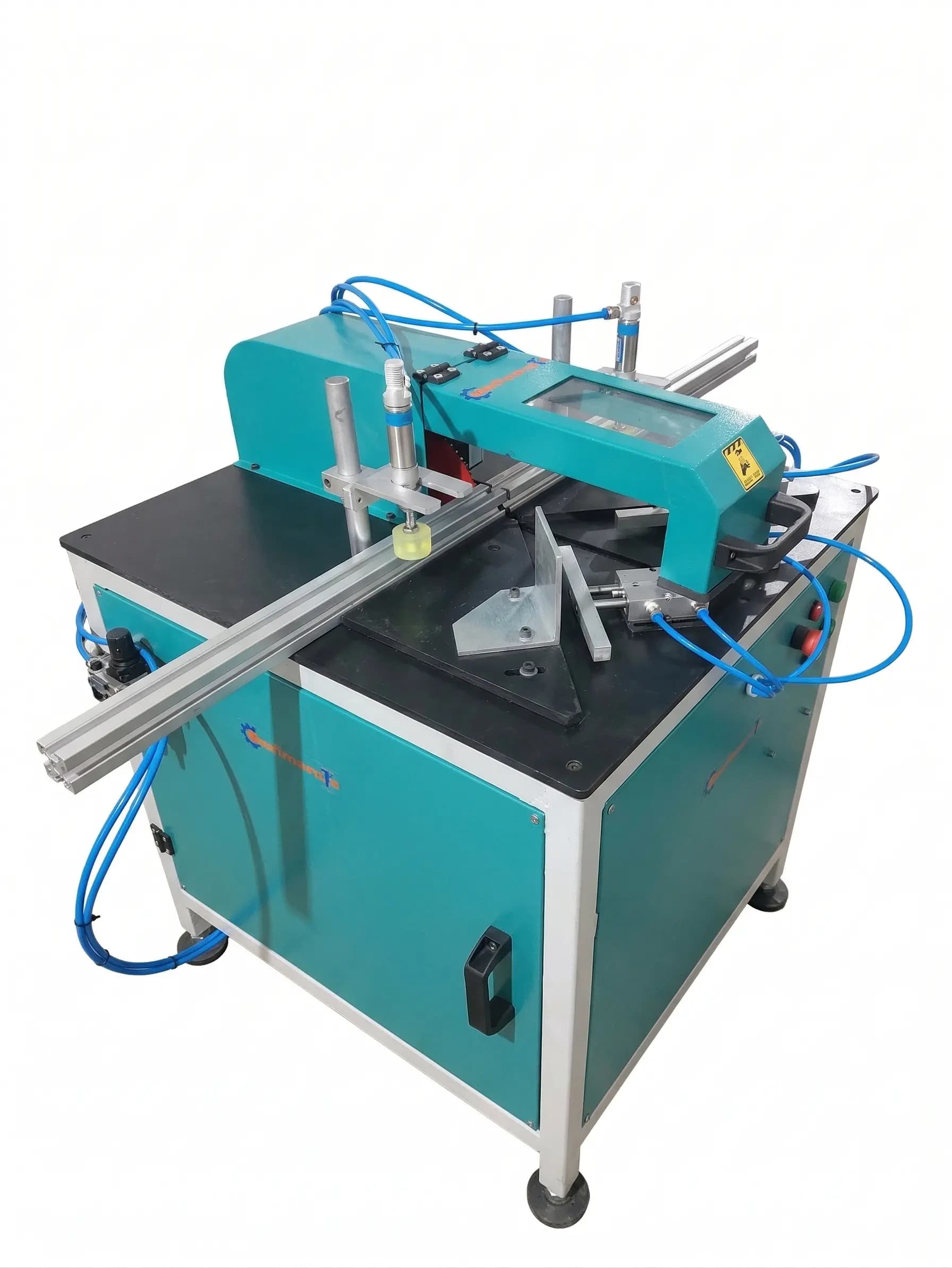
- Double Head Miter Saw for Aluminium Profiles Price: ₹2,80,000 - ₹4,50,000
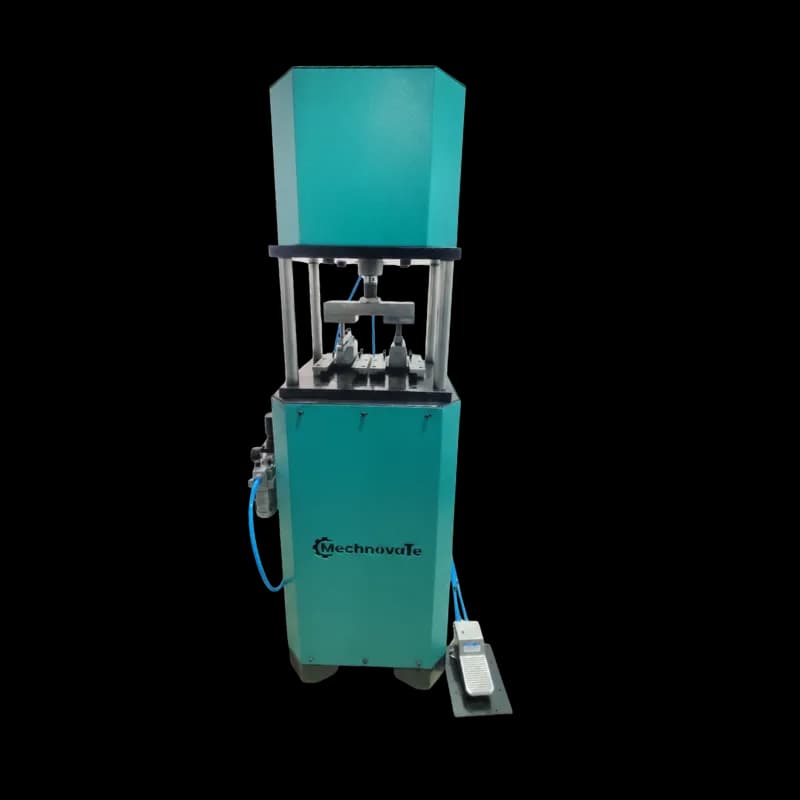
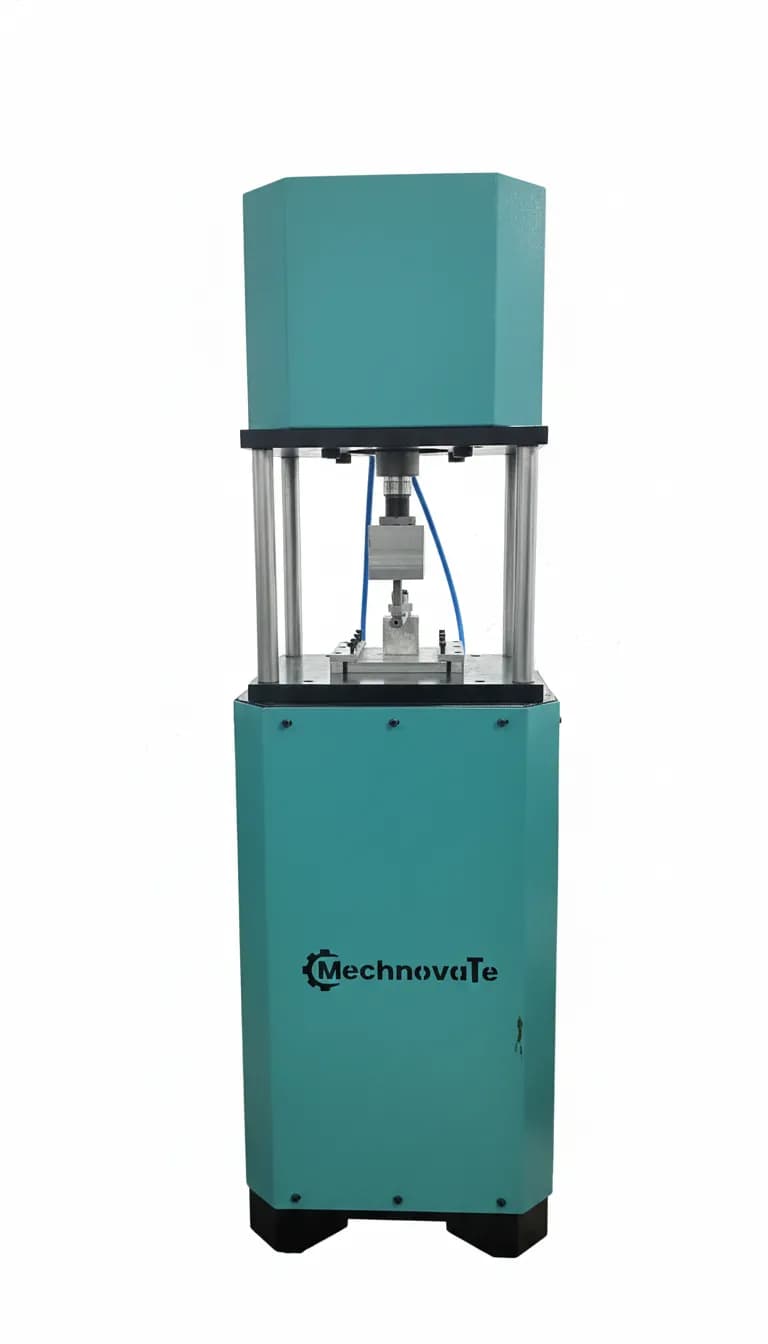
- Single Head Welding Machine (Seamless): ₹1,10,000 - ₹1,85,000
- Copy Router Machine (High Speed): ₹65,000 - ₹95,000
- Water Slot Milling Machine: ₹75,000 - ₹1,20,000
- CNC uPVC Window Corner Cleaning Machine Price India: ₹4,50,000 - ₹7,000,000
Engineering Deep-Dive: Specs for High-Precision Fabrication
Precision engineering in uPVC window manufacturing machinery is governed by profile thickness tolerances and motor stability. When selecting an upvc cutting machine, ensure the motor is at least 2.2kW with a spindle speed of 2800 RPM. This prevents profile melting during the cut, which is a common failure point for cheaper, low-torque machines. In our testing at the Mechnovate facility, we found that using a Single Head Welding Machine with a PLC-controlled heating timer reduces corner breakage by 35% compared to manual heating plate adjustments.
Operational air pressure must be maintained at a steady 6-8 bar. If your compressor fluctuates, your pneumatic clamps will slip, leading to a 'V' gap in your 45-degree joints. Always reference IS 1285 for aluminium profile tolerances and ensure your aluminium profile cutting machine uses a TCT (Tungsten Carbide Tipped) blade for cleaner edges. For those handling both materials, an aluminium cutting machine 12 inch is versatile, but for industrial-scale uPVC, a dedicated 45 degree double head cutting machine is non-negotiable for speed.
Case Study: Optimizing a Bhopal-Based Workshop
Last year, we assisted a fabricator near Misrod who was struggling with a 12% material waste rate. They were using a manual aluminium cutter machine and a portable welding setup. After auditing their floor plan, we replaced their manual tools with a semi-automatic Copy Router Machine and a double head cutting saw for aluminium profiles.
The Results:
- Waste Reduction: Dropped from 12% to 2.8% within 30 days.
- Output Increase: Production jumped from 15 frames per day to 45 frames per day.
- Labor Efficiency: Two operators managed the work previously done by four, allowing the owner to reassign staff to site installations.
- ROI: The capital investment was recovered in just 9 months through material savings and higher-value project wins.
Selecting the Right uPVC Window Manufacturing Machine
When scouting for a uPVC machinery manufacturer, do not just look at the upvc machine price list. Evaluate the build quality of the machine bed. A lighter bed vibrates during high-speed cutting, leading to micro-deviations that ruin the air-tightness of the window. For a startup business, the best uPVC window making machine is often a combination of a robust single-head welder and a high-precision degree cutting machine.
Critical Checkpoints for Fabricators:
- Pneumatic Components: Ensure the valves and cylinders are from reputable brands (like Airtac or Festo) to avoid frequent air leaks.
- Heating Plates: The welding plate must have a Teflon coating that can withstand 260°C without sticking to the uPVC profile.
- Safety Standards: Look for emergency stop buttons and blade guards that meet industrial profile cutting safety standards ISO standards.
Common Pitfalls in Workshop Expansion
One major mistake fabricators make when buying an upvc window manufacturing machine is ignoring the electrical load requirements. A full setup with a compressor, welding machine, and double head cutter can pull significant amperage. Ensure your workshop is wired for a 3-phase connection to prevent motor burnout. Another error is purchasing an aluminium punching machine without checking the die compatibility with local profile brands like Fenesta or Prominance. Always verify that your copy router machine template matches the hardware (locks and handles) you intend to use.
Maintenance and Safety Protocols
Maintenance is the difference between a machine lasting 3 years or 15 years. Daily cleaning of the welding heaters with a soft cloth and weekly lubrication of the guide rails on your head cutting machine is mandatory. For aluminium fabrication, ensure the cooling system for the blade is always topped up with cutting oil; dry cutting aluminium leads to blade warping and jagged edges. Always provide operators with ear protection and safety goggles, especially when operating a high-speed aluminium cutter machine 12 inch.
FAQ: Frequently Asked Questions for Bhopal Fabricators
Q1: What is the best uPVC window making machine for small business owners in Bhopal? For small businesses, a 3-machine combo including a single-head welder, a single-head 45-degree cutter, and a manual copy router is ideal. This keeps the initial investment under ₹3.5 Lakhs while maintaining professional quality.
Q2: Can I use an aluminium cutting machine for uPVC profiles? Yes, but you must change the blade. Aluminium requires a specific tooth count and cooling, while uPVC requires a blade that won't melt the plastic. A dedicated upvc windows making machine is always preferred for better finish quality.
Q3: How much space is required for a semi-automatic uPVC window manufacturing unit? A minimum of 1,500 to 2,000 square feet is necessary to allow for profile storage, cutting tables, assembly stations, and finished product storage. Proper workflow layout is essential to prevent bottlenecking at the welding station.
Get more articles like this
Follow Mechnovate on Google to see our guides in Google Discover & News