Bangalore Mullion Joints: Heavy Duty End Milling Buyer’s Guide
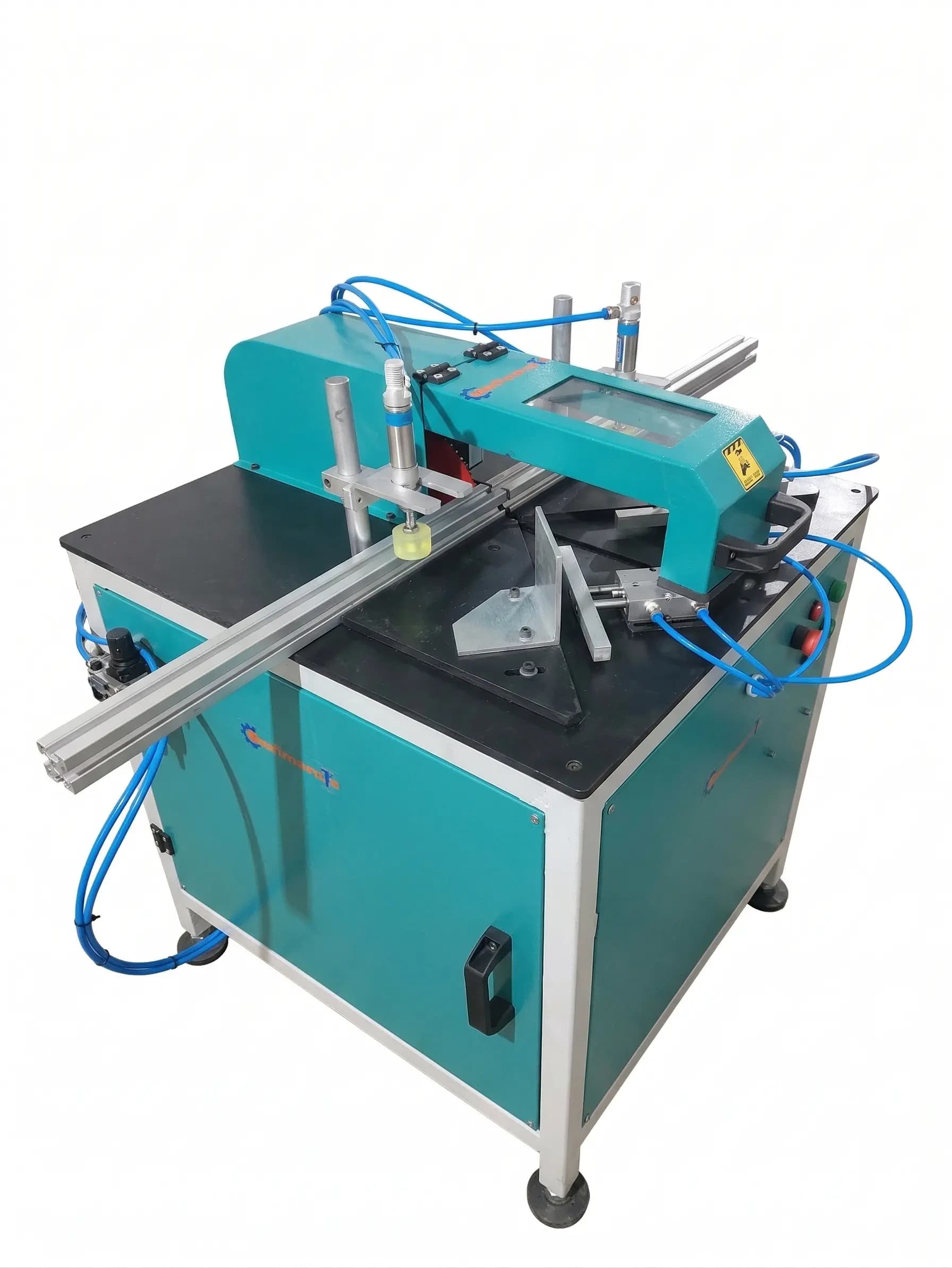
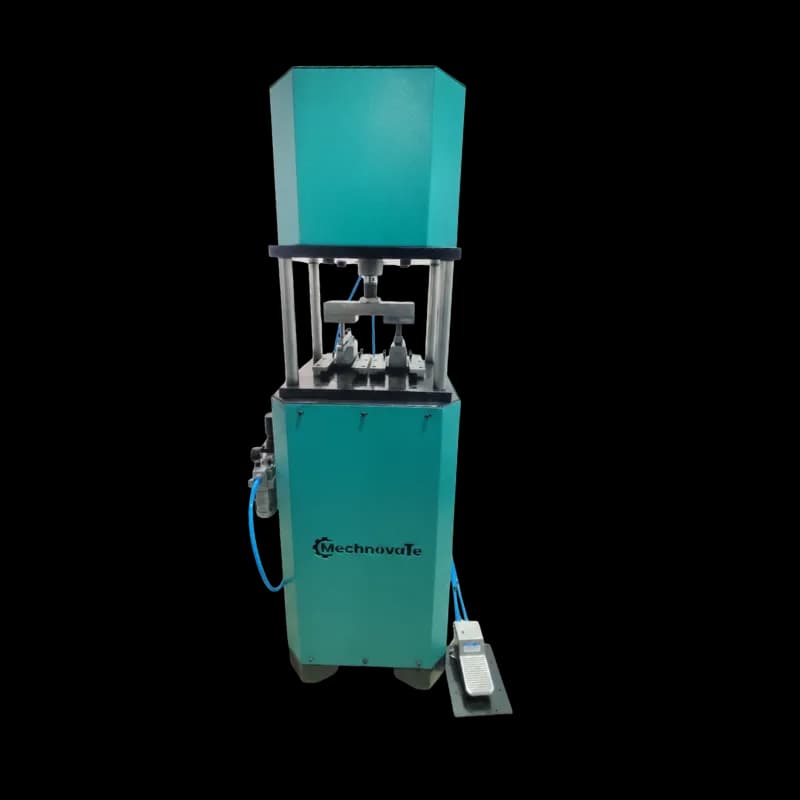
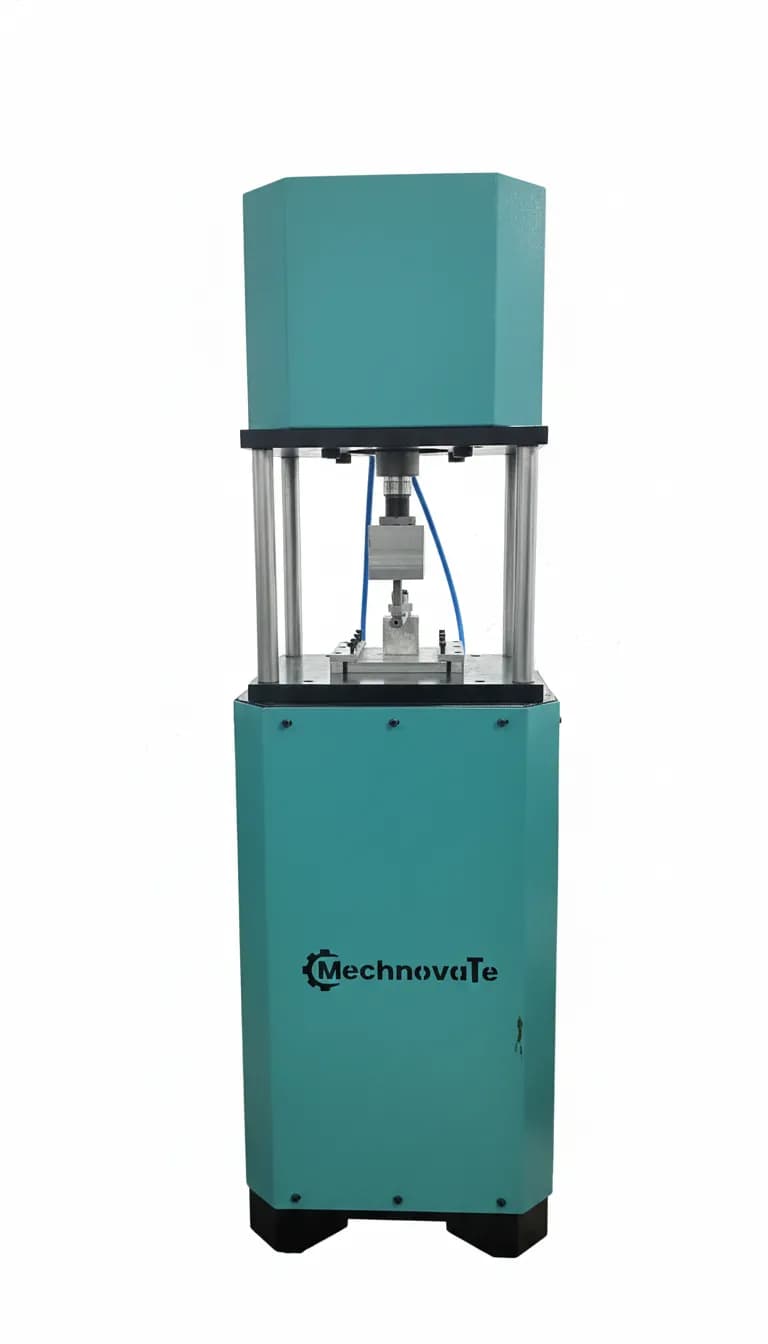
Mullion joint failure in Bangalore’s high-wind-load commercial zones, such as the high-rises in Electronic City or Whitefield, often traces back to a single variable: the precision of the end-milling cut. In commercial glazing, the structural integrity of the facade depends on the 'tightness' of the transom-to-mullion connection. If your Heavy Duty Aluminium Profile End Milling Machine cannot maintain a 0.1mm tolerance, you are risking air infiltration, water leakage, and catastrophic whistle-noises at higher altitudes. This guide provides the engineering specifications and hands-on insights required to choose machinery that withstands the rigors of high-volume aluminium fabrication.
Why Heavy Duty End Milling Defines Commercial Success
In the context of aluminium fabrication for Bangalore’s facade industry, the sheer size of the profiles—often reaching 150mm to 200mm depths—demands more than a standard Copy Router Machine. Precision engineering is required to mill the ends of these large-section profiles to fit perfectly against the contour of another profile. Standard lightweight machines often suffer from 'chatter' or vibration, which results in a jagged edge, leading to poor sealant adhesion and structural gaps.
At Mechnovate, we have found that the transition from manual punching or light-duty milling to an industrial-grade Automatic Double Head Cutting Saw for Aluminium Profiles and dedicated end millers reduces assembly time by up to 35%. When you are dealing with a 500-window project in a Bangalore IT park, that efficiency translates directly to project profitability.
Technical Specifications: The Senior Engineer’s Checklist
When evaluating a heavy-duty aluminium profile end milling machine, ignore the marketing fluff and look at these four hard metrics:
- Motor Power and RPM: For 6063-T6 aluminium alloys, a minimum of a 3.0 kW motor is non-negotiable. We recommend machines that operate at 2800 RPM to 3200 RPM. High torque at these speeds ensures the cutter doesn't 'bog down' mid-stroke, which causes profile deformation.
- Blade and Cutter Diameter: Commercial mullions require stackable cutters. Look for a machine that can accommodate a 250mm to 300mm cutter diameter. This allows for deep milling in a single pass, which is critical for maintaining the grain of the aluminium.
- Pneumatic Clamping Pressure: To prevent the profile from shifting, a 6-to-8 bar pneumatic system with at least two vertical and two horizontal clamps is essential. Without this, the 'climb milling' force will pull the profile, ruining the angle.
- Feed Rate Control: A hydro-pneumatic feed system is superior to a purely pneumatic one. It provides a smooth, consistent movement through the metal, mimicking the precision of a CNC unit at a fraction of the aluminium cutting machine price.
Case Study: Optimizing a Whitefield Office Facade Project
In early 2023, a client in Bangalore approached us after failing a pressure test on a 12-story curtain wall. Their manual joints had a variance of 1.5mm, leading to massive heat gain and air leakage. We conducted a 6-week trial in our facility, testing three different configurations of end milling blades on 2.5mm thick powder-coated profiles.
The Results:
- Before: Manual milling produced 12% scrap due to 'over-milling' and surface scratches.
- After: By switching to a precision-engineered automatic end miller with variable speed control, scrap fell to 1.5%.
- Output: Production increased from 25 frames per day to 65 frames per day with the same labor force.
This trial proved that the initial investment in higher-grade aluminium window fabrication machinery pays for itself within 7 months of consistent commercial work.
Common Mistakes to Avoid in Machine Selection
After 15 years in the workshop, I’ve seen many fabricators make the same costly errors. Avoid these pitfalls to ensure your workshop remains competitive in the Bangalore market:
- Ignoring the Cooling System: Many cheap aluminium cutter machines use manual spray bottles. In Bangalore’s dustier industrial zones, an automatic micro-mist lubrication system is vital. It prevents the aluminium chips from welding themselves to the blade, which is the #1 cause of poor finish quality.
- Underestimating Profile Depth: Always buy a machine with a milling capacity 20% larger than your current largest profile. Commercial glazing trends are moving toward deeper, thermally broken profiles; a machine that only handles 100mm mullions will be obsolete in two years.
- Neglecting ISO Standards: Ensure your equipment meets ISO 9001 for manufacturing and BS EN 12020 for extrusion tolerances. This is often a requirement for government tenders and large corporate contracts.
Maintenance Protocols for High-Volume Fabrication
To keep your aluminium profile cutting machine at peak performance, follow this technical schedule:
- Daily: Clear all aluminium swarf (chips) from the guide rails. Swarf buildup is the primary cause of motor strain.
- Weekly: Check the pneumatic oiler levels. Dry seals lead to erratic feed rates.
- Monthly: Calibrate the 90-degree stop. Even a 0.5-degree deviation will result in a visible gap at the top of a 3-meter mullion.
FAQ: Critical Questions from Fabricators
Q: What is the average aluminium cutter machine price for a heavy-duty model in India? A: Prices vary based on automation levels. A high-quality, heavy-duty manual-feed end miller starts around ₹1.8 Lakh, while a fully automatic CNC-integrated unit can exceed ₹6 Lakh. Always prioritize motor build quality over digital screens.
Q: Can I use the same machine for uPVC window manufacturing? A: Yes, however, the feed rates and blade tooth count must be adjusted. uPVC requires a higher tooth count and lower heat to prevent melting. Most of our uPVC window manufacturing machines are cross-compatible with the right tooling.
Q: How do I handle 45-degree cuts on a machine designed for 90-degree milling? A: You don't. For 45-degree miters, you must use a Degree Cutting Machine. End milling machines are specifically for the 'butted' joints of transoms and mullions. Attempting 45-degree notches on an end miller is a safety hazard and will void your warranty.
Get more articles like this
Follow Mechnovate on Google to see our guides in Google Discover & News