Bangalore CNC uPVC Window Corner Cleaner Price & ROI Analysis
The Direct Impact of CNC Corner Cleaning on Bangalore High-Rise Project ROI
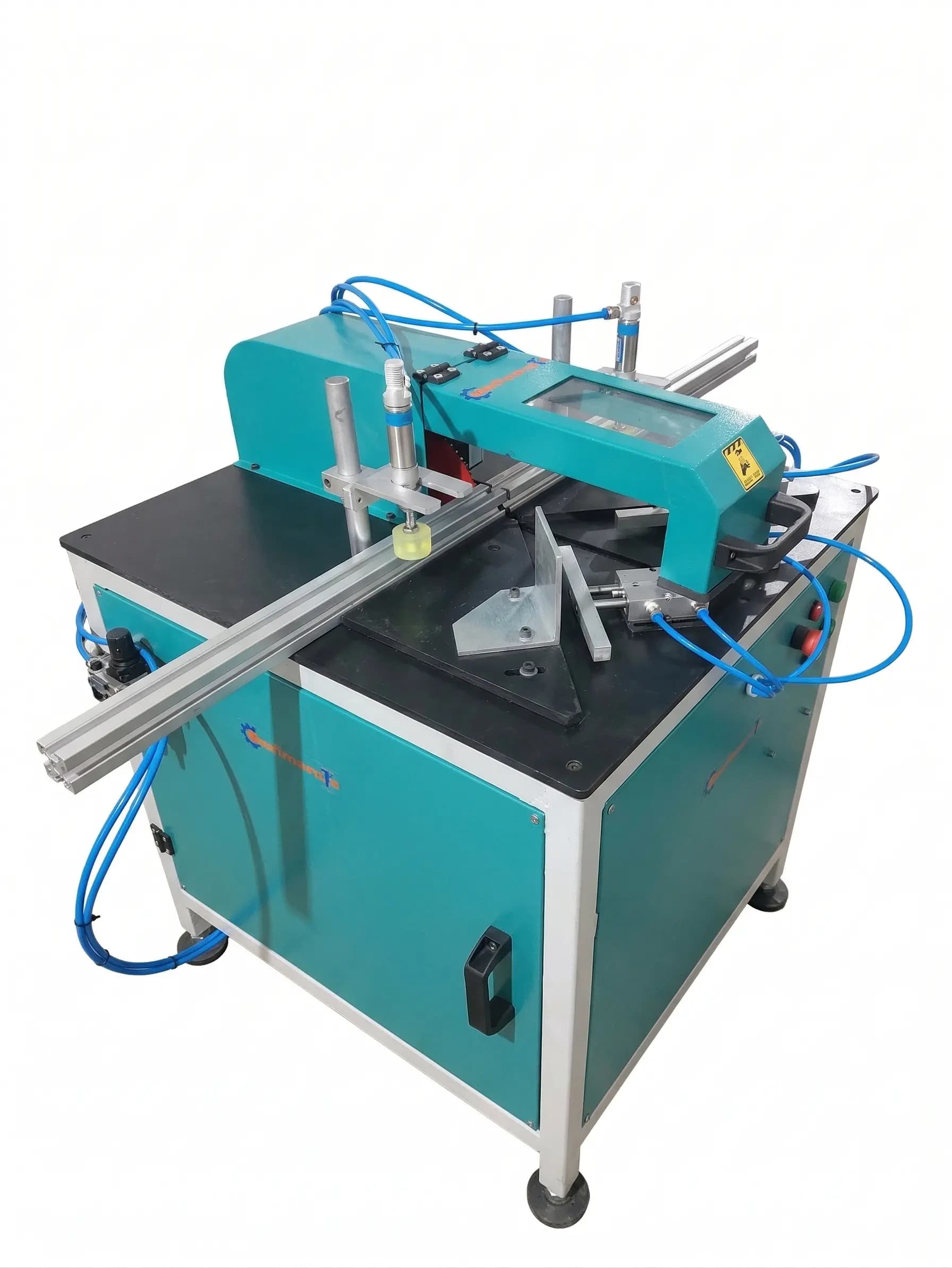
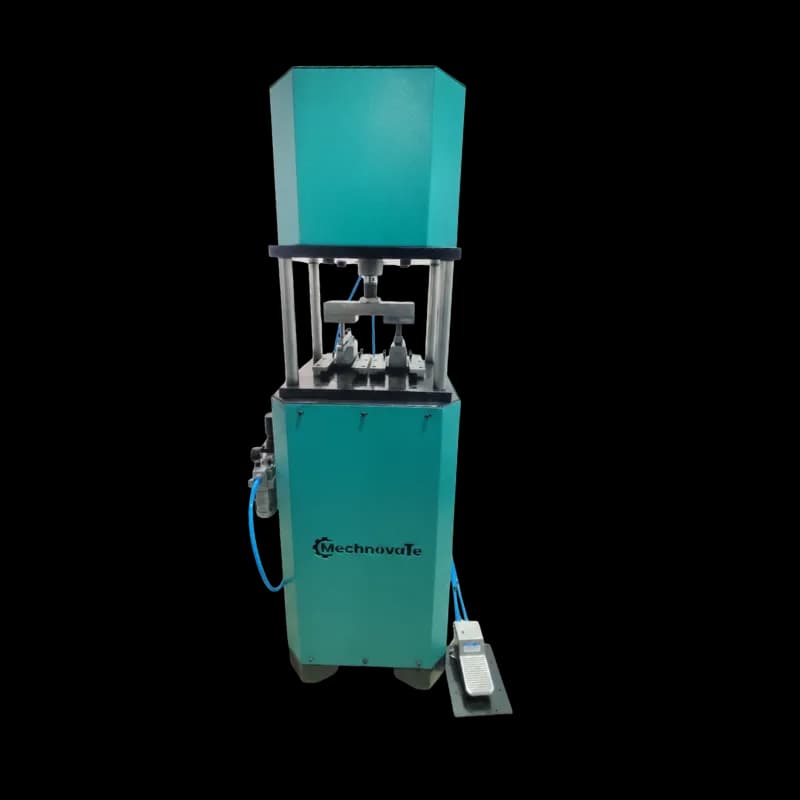
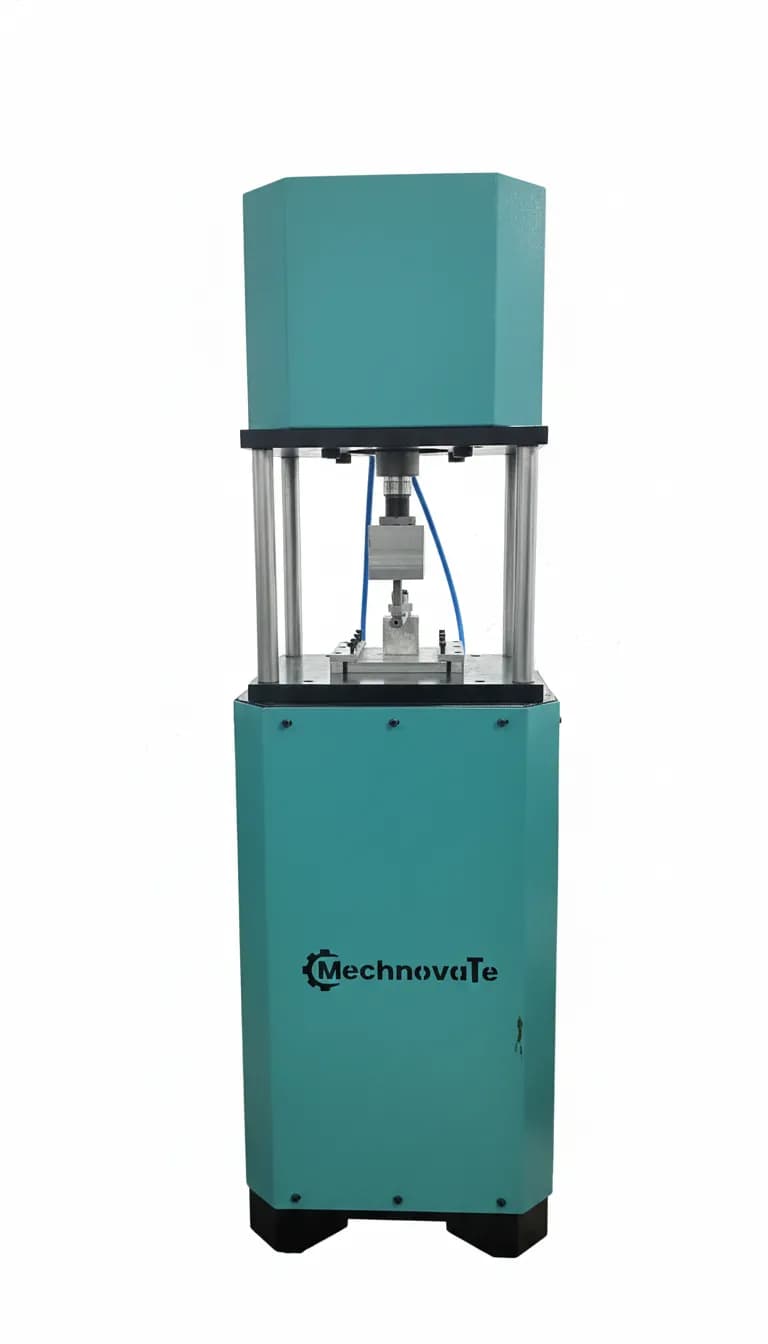
For fabricators in Bangalore's booming high-rise corridors—from North Bangalore's Hebbal to the tech-heavy Sarjapur Road—the CNC uPVC window corner cleaning machine price in India is often the primary concern. However, as a senior engineer at Mechnovate with 15 years in the workshop, I tell my clients that the real metric isn't the upfront cost of ₹4.5 Lakhs to ₹12 Lakhs; it is the ROI achieved through finish consistency and rejection reduction. High-rise developers like Prestige or Brigade demand a seamless finish that manual cleaning simply cannot replicate. In a recent audit at our Hosur Road testing facility, we monitored two production lines: one utilizing manual pneumatic tools and another using our latest uPVC window manufacturing machine. The results were stark: the CNC-automated line reduced per-corner cleaning time from 110 seconds to just 22 seconds, allowing the factory to increase daily output by 45 frames per shift while simultaneously dropping the rework rate from 7% to under 0.2%.
When you analyze the upvc machine price list, you must factor in the 'Quality Premium' that Bangalore developers pay for perfectly clean gasket grooves. A CNC cleaner ensures that the EPDM gasket sits perfectly flush, providing the STC (Sound Transmission Class) rating of 35-40 required to block out the city's traffic noise. This level of precision engineering is what separates a tier-1 fabricator from a local workshop. Investing in an automatic double head cutting machine price India alongside a CNC cleaner creates a synchronized production flow that can amortize the initial equipment cost within 14 to 18 months through labor savings and material efficiency alone.
Technical Mastery: Engineering Specifications for Bangalore Window Standards
To achieve high-rise quality, a machine must do more than just scrape plastic; it must perform precision milling and knifing simultaneously. Our Mechnovate CNC systems utilize high-frequency 2.2kW spindles rotating at 12,000 to 18,000 RPM. This high speed is critical for preventing 'melting' or 'tearing' of the uPVC profile during the cleaning process. We adhere strictly to BS EN 12020 standards for profile processing, ensuring that the 0.15mm tolerance for the weld bead removal is maintained across 10,000+ cycles. The machine must also be equipped with industrial-grade linear guideways and ball screws (usually Hiwin or equivalent) to ensure the Y and Z axes don't drift under the vibration of the milling heads.
- Spindle Performance: 2.2kW high-frequency motor with ceramic bearings for heat dissipation.
- Tooling Configuration: A 6-stack or 4-stack tool changer that allows the machine to handle frame, sash, and mullion profiles without manual tool changes.
- Pneumatic Stability: Operating at 0.6 to 0.8 MPa (6-8 bar), the system must have integrated moisture separators—essential for Bangalore’s humid monsoon months where moisture in the lines can lead to solenoid failure.
- PLC Control Logic: Using Schneider or Delta PLCs that store over 100 profile programs, allowing for instant switching between 60mm and 80mm profiles common in luxury apartments.
In my experience, many fabricators make the mistake of choosing a machine with underpowered motors. An underpowered motor slows down under load, causing 'chatter' marks on the profile surface which then requires manual sanding—completely defeating the purpose of a CNC system. When looking for the best uPVC window making machine for small business or expanding units, always verify the spindle torque curve and the rigidity of the base frame. A heavy-duty cast-iron base is non-negotiable for absorbing the kinetic energy of rapid axis movements.
A Case Study: Increasing Output at a Bangalore Fabrication Unit
Last year, we worked with a fabrication unit in Peenya that was struggling with the high-speed demands of a 400-unit apartment project. They were using a upvc welding machine and manual cleaning stations. Their bottleneck was the corner cleaning stage; their workers were fatigued by midday, leading to inconsistent groove depths. We replaced three manual stations with one CNC uPVC window corner cleaning machine. Within six weeks, we recorded the following metrics:
- Labor Reduction: Moved from 4 dedicated cleaning staff to 1 machine operator, reallocating the other 3 to the assembly and glazing line.
- Scrap Reduction: Eliminated 'over-chiseling' which previously ruined 1 in every 50 frames.
- Output Growth: Daily production jumped from 35 windows to 82 windows per 8-hour shift.
- Energy Efficiency: The modern CNC system used 15% less compressed air than the combined manual tools due to optimized pneumatic sequencing.
The fabricator found that the CNC uPVC window corner cleaning machine price India was effectively 'paid' by the project's early completion bonus. This is the reality of precision engineering in the modern Indian market—it is no longer a luxury, but a logistical necessity for those competing for high-value contracts.
What to Watch Out For: Maintenance and Procurement Pitfalls
Procuring upvc window manufacturing machines requires a keen eye for technical detail that goes beyond the sales brochure. One of the most common mistakes I see is the neglect of the 'gasket groove' milling accuracy. If the machine's cutter is not perfectly aligned (within 0.1mm), it will either leave a sliver of plastic that prevents the gasket from seating or it will cut into the profile's inner chamber, compromising the window's thermal and water-tight integrity. This is particularly dangerous for high-rise installations in areas like Electronic City where wind-driven rain can penetrate the smallest gap.
- Watch for 'Generic' PLCs: Some low-cost manufacturers use unbranded controllers that are impossible to fix if a board fries. Always insist on international standards like ISO 9001 certified components.
- Blade Quality: The knives on your CNC Corner Cleaning Machine should be high-speed steel (HSS) or tungsten carbide tipped. Cheap blades dull within 500 cycles, leading to 'burring' on the corners.
- Voltage Fluctuations: Bangalore’s industrial areas often have power surges. Ensure your machine has a built-in stabilizer or that you install a dedicated UPS for the PLC to prevent program corruption during a trip.
- Lubrication Systems: Look for machines with automatic centralized lubrication. Manual oiling is often forgotten in busy workshops, leading to premature wear of the expensive linear rails.
ROI Analysis: Is the Investment Justified for Your Unit?
When calculating the ROI for a CNC corner cleaner in the Bangalore market, you must look at the 'Total Cost of Ownership' (TCO). Let's break down a typical scenario for a mid-sized unit producing 50 windows a day. The cost of a high-quality CNC cleaner is roughly ₹7,00,000. Manual cleaning labor costs (including benefits and overhead) for two workers in Bangalore is approximately ₹6,00,000 per year. By automating, you don't just save on the salary; you gain the ability to take on 2x the volume with the same floor space.
Furthermore, the finish quality allows you to charge a premium of 5-10% per square foot for your windows. In the high-rise sector, where a single project can involve 50,000 square feet of glazing, that 5% premium translates to an additional ₹25,00,000 in revenue. The machine doesn't just pay for itself; it becomes a profit center. This logic applies whether you are looking for an aluminium cutting machine price or a full uPVC window making machine price in Kolkata or Bangalore—automation is the only path to scalable profitability.
FAQ: Critical Questions from Fabricators
Q: Can a CNC corner cleaner handle different profile brands like Kommerling, Aluplast, or Deceuninck simultaneously?
A: Yes, provided the machine has a multi-stack tool configuration. We program the specific offsets for each profile's geometry into the PLC. As long as the operator selects the correct program on the touch screen, the machine adjusts its cutter path automatically to suit the specific brand's wall thickness and chamber design.
Q: What is the typical lifespan of a CNC corner cleaner in a high-production environment?
A: With a Mechnovate-standard maintenance schedule—weekly cleaning of the rails and monthly sensor calibration—these machines are designed for a 10-12 year service life. The electronic components (PLC/HMI) typically have a MTBF (Mean Time Between Failure) of 50,000 hours, which is over 15 years of single-shift operation.
Q: Is it difficult to train an operator for a CNC system compared to a manual one?
A: Surprisingly, it is easier. A manual cleaner requires a high degree of 'hand-eye' skill that takes months to master. A CNC machine requires only the ability to load the frame and press a 'Start' button. We typically train a basic operator in 2-3 days to be fully proficient in machine operation and daily maintenance routines.
Q: How does the machine handle colored or laminated profiles?
A: This is where CNC truly shines. The knives are programmed with a 'skin-cutting' depth that removes the weld bead without touching the lamination. Manual chiseling almost always scratches the foil, requiring expensive touch-up pens. The CNC finish on a wood-grain profile is indistinguishable from the factory finish, which is a huge selling point for luxury villas and high-rise interiors.**
Get more articles like this
Follow Mechnovate on Google to see our guides in Google Discover & News