Automatic uPVC Window Plant Cost: A Guide for Indore Workshops
Setting up a fully automatic uPVC window manufacturing plant in Indore requires a capital investment ranging from ₹18 Lakhs to ₹35 Lakhs for the machinery line alone. This figure excludes land and electrical infrastructure but covers the core uPVC window making machine setup required to produce approximately 60-80 window frames per 8-hour shift. In the rapidly expanding residential hubs of Indore, from Nipania to Rau, workshops are increasingly transitioning from manual tools to precision-engineered CNC systems to meet the demand for high-performance fenestration.
Financial Breakdown of uPVC Machinery in India
To achieve professional-grade output that meets IS 1285 standards, Indore-based fabricators must consider the following core machinery components. Prices fluctuate based on automation levels and servo-motor configurations.
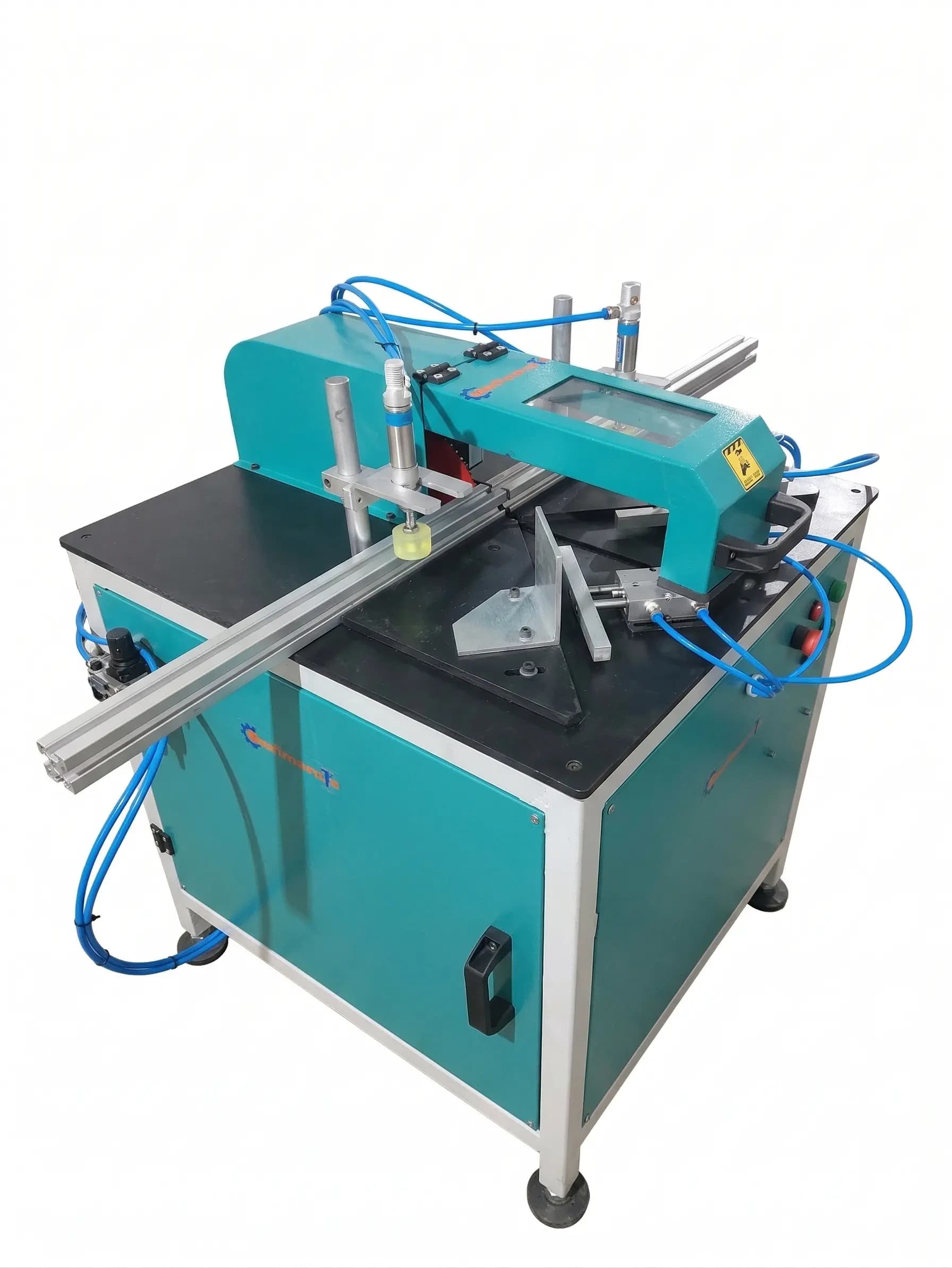
- Automatic Double Head Cutting Machine: This is the heart of your workshop. A high-precision automatic double head cutting machine price India typically ranges between ₹6.5 Lakhs and ₹12 Lakhs. It handles 45-degree and 90-degree cuts with a tolerance of +/- 0.2mm, crucial for seamless welding.
- Double Head Seamless Welding Machine: Essential for high-end finishes where corner cleaning is minimized. Expect to invest ₹5 Lakhs to ₹8 Lakhs.
- CNC Corner Cleaning Machine: A 3-axis or 5-axis CNC cleaner ensures the structural integrity and aesthetics of the joint. Prices range from ₹4 Lakhs to ₹7 Lakhs.
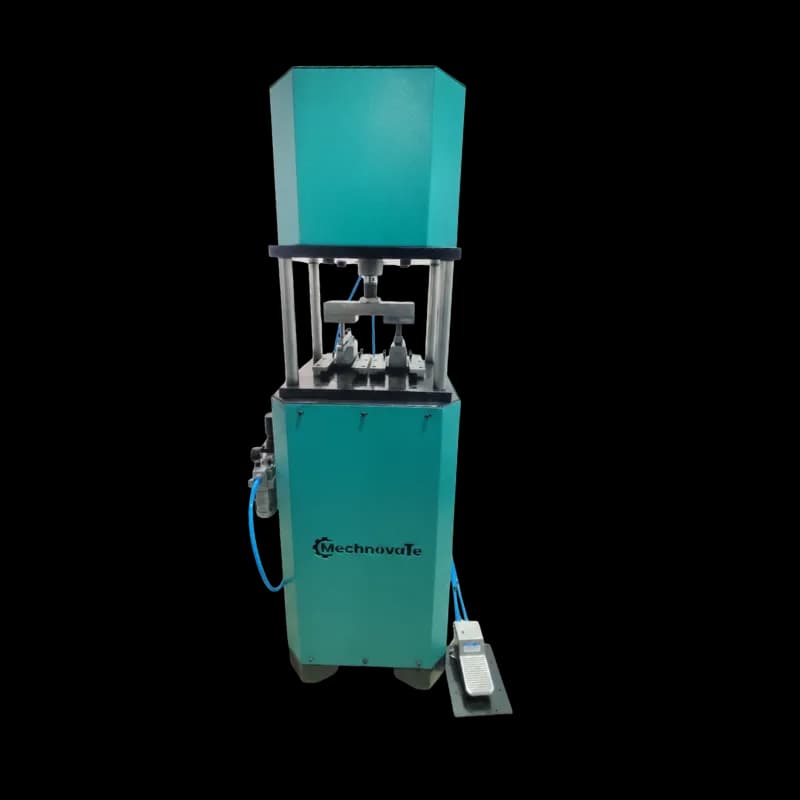
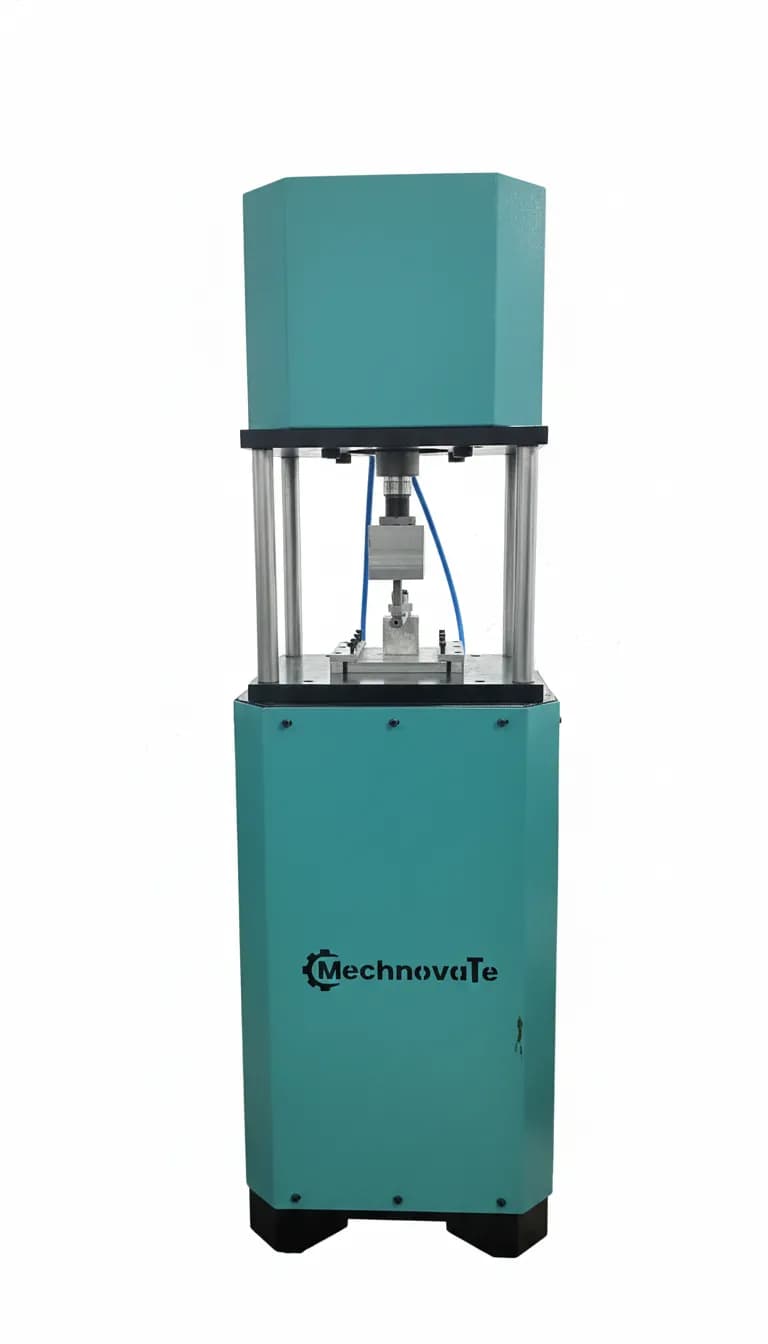
- Copy Router and End Milling: These machines handle lock-hole drilling and mullion processing, costing approximately ₹1.5 Lakhs to ₹3 Lakhs collectively.
- Ancillary Equipment: This includes glass beads cutting saws, v-cutting machines, and portable punching machines.
Technical Specifications for High-Performance Fabrication
When evaluating a uPVC machinery manufacturer, you must look beyond the price tag and scrutinize the engineering specifications. For an Indore workshop to remain competitive, the plant must handle profile thicknesses ranging from 2.0mm to 2.5mm with ease.
- Power Load: A standard automatic line requires a 15kW to 22kW connected load.
- Pneumatic Pressure: Most machines, especially the uPVC welding machine, require a consistent 6-8 bar air pressure. I recommend a 500-liter tank capacity with a refrigerated air dryer to prevent moisture from damaging solenoid valves.
- Feed Rates: Look for saw blade feed speeds that are adjustable via hydro-pneumatic cylinders to ensure the uPVC profile doesn't melt during high-speed cutting.
- Safety Standards: Ensure all equipment adheres to ISO 9001 and specific industrial profile cutting safety standards.
Case Study: Transitioning a Pithampur Workshop
Last year, we assisted a mid-sized fabricator in the Pithampur industrial area near Indore. They were struggling with a 12% wastage rate using manual circular saws and single-head welders. We installed a fully automatic uPVC window manufacturing unit featuring an optimized cutting list software integration.
The Results:
- Wastage Reduction: Scrap dropped from 12% to 2.8% by utilizing nested cutting algorithms.
- Output Increase: Production jumped from 15 frames per day to 55 frames per day with the same headcount.
- Quality Consistency: The rejection rate due to out-of-square frames fell to nearly zero, as the CNC sensors automatically compensated for profile expansion/contraction.
Critical Infrastructure Requirements in Indore
Indore’s climate, characterized by high temperatures in summer, can affect uPVC profile flexibility. Your workshop layout must include a temperature-controlled storage area to prevent profile bowing before they hit the aluminum cutting machine 12 inch or uPVC saws.
A minimum of 3,000 to 5,000 square feet is required for a smooth workflow, organized in a 'U' shape: Profile Storage -> Cutting -> Routing -> Welding -> Cleaning -> Glazing -> Dispatch. Using a heavy duty aluminium profile end milling machine for the transom joints ensures that even under Indore's wind loads, the windows remain airtight.
Common Pitfalls to Avoid in Plant Setup
- Under-sizing the Air Compressor: This is the most common mistake. A fluctuating air supply leads to weak welds and inaccurate cuts. Always buy 20% more CFM capacity than your combined machine ratings.
- Ignoring Local Service Support: While many import machines, ensure your uPVC window machine service center is accessible. Downtime in peak construction season in Indore can cost lakhs in penalties.
- Cheap Tooling: Using low-grade saw blades on your aluminium profile cutting machine leads to burrs that interfere with the welding heat plate. Invest in TCT (Tungsten Carbide Tipped) blades.
FAQ: Fabricator Concerns
Q1: What is the ROI on an automatic uPVC plant in Indore? With current real estate margins in Indore, most fabricators achieve a break-even point within 14 to 22 months, provided they maintain a 40% capacity utilization rate.
Q2: Can I use uPVC machines for aluminium fabrication? While a upvc window manufacturing machine and an aluminium cutter machine share some similarities, the motor RPM and blade types differ. uPVC machines typically run at lower RPMs to prevent melting, whereas aluminium requires higher torque and cooling mists.
Q3: Is 3-phase power mandatory? Yes. For any automatic double head cutting machine price India setup, a stable 3-phase connection is non-negotiable to prevent motor burnout and ensure CNC controller stability.
Get more articles like this
Follow Mechnovate on Google to see our guides in Google Discover & News