Automatic uPVC Window Manufacturing Plant Cost in India
For fabricators looking to capitalize on Mumbai’s vertical real estate boom, the transition from manual setups to an automated production line is no longer optional—it is a survival requirement. Based on current market rates in 2024, a fully automatic uPVC window manufacturing plant cost in India ranges between ₹22 Lakhs and ₹58 Lakhs for a high-output configuration capable of 80–120 window frames per 8-hour shift. This investment covers the core machinery required to meet the stringent soundproofing and thermal insulation standards demanded by high-rise developers in areas like Worli, Malad, and Thane.
Technical Specifications of a High-Output Automatic Line
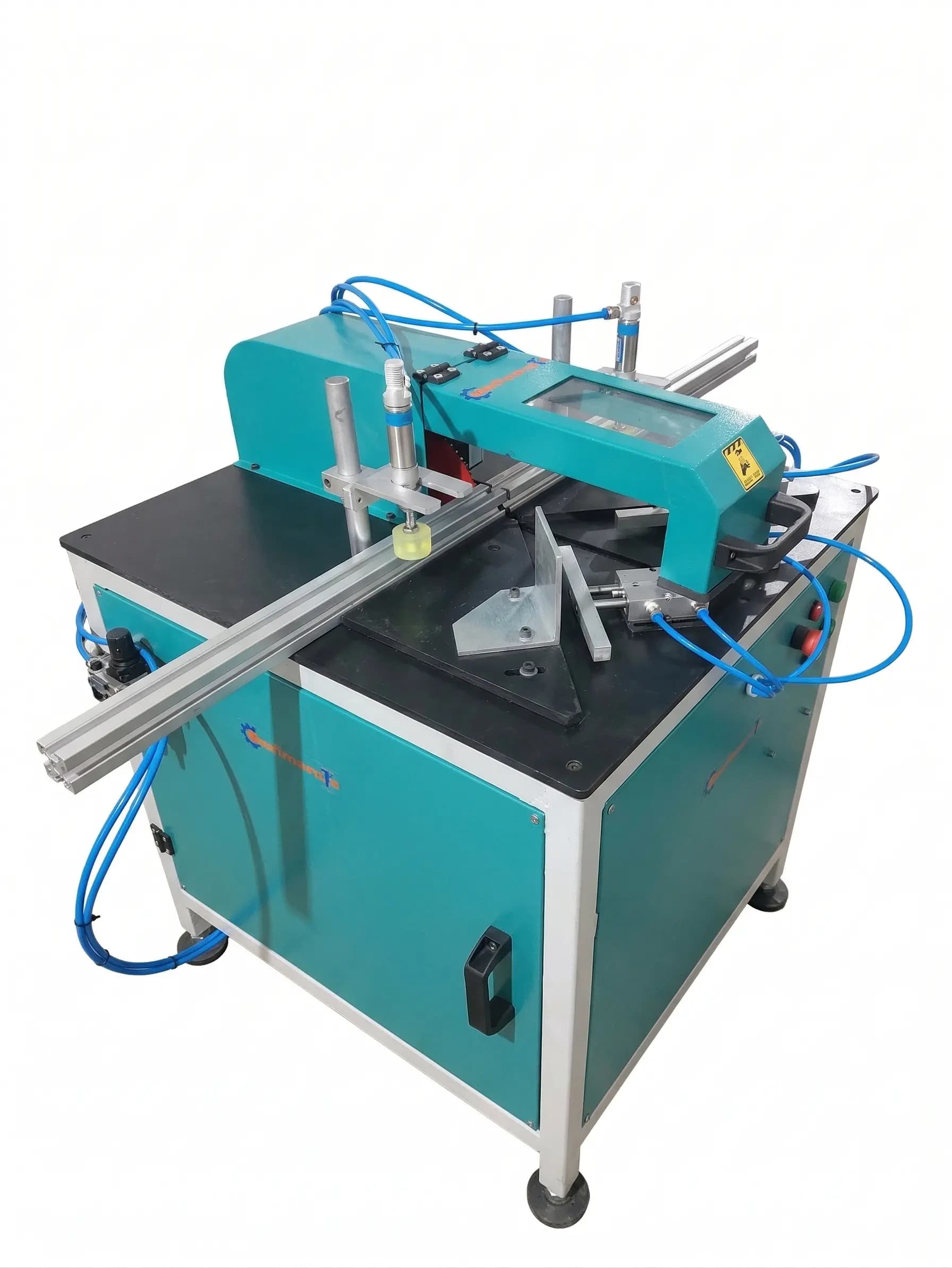
To achieve the precision required for high-rise glazing, your machinery must adhere to specific engineering tolerances. A standard automatic line starts with the Automatic Double Head Cutting Machine. We recommend a 450mm or 500mm saw blade diameter to handle multi-chamber profiles. From an engineering standpoint, the motor power should be no less than 3.0kW per head, running at 2800 RPM to ensure a burr-free finish on the uPVC profile. This is critical because any deviation in the 45-degree miter cut will result in a weak weld, failing BS EN 12020 standards.
Key technical parameters for the cutting stage include:
- Air Pressure Requirement: 0.6 to 0.8 MPa (6-8 Bar) for stable clamping.
- Air Consumption: 150L/min to prevent pressure drops during dual-head operation.
- Cutting Length Range: 400mm to 4200mm, allowing for large-scale balcony sliders.
- Feed Speed: Infinitely adjustable to prevent profile melting during the cut.
The next critical component is the uPVC Welding Machine. For Mumbai's high-volume market, a double-head or four-head seamless welding machine is preferred. These machines utilize PLC control to manage heating time (usually 20-30 seconds) and joining time (25-35 seconds) with a temperature precision of ±1°C. This level of control ensures that the weld bead is consistent, which is essential for the subsequent corner cleaning process.
Case Study: The Mechnovate Efficiency Benchmark in Pune
In our Pune testing facility, we conducted a 6-week comparative analysis between a semi-automatic line and a fully automated CNC-integrated line. We processed 1,200 frames of standard 60mm casement profiles. The results were definitive: we reduced profile cutting waste from 12% to just 2.8% by utilizing optimized nesting software integrated with the automatic double head cutting machine price India value-tier equipment.
Measurable results from the study included:
- Output Velocity: Increased from 32 frames/day to 78 frames/day with the same labor force.
- Accuracy: Achieved a diagonal tolerance of <1.5mm across a 2000mm frame, significantly exceeding the IS 1285 industry standard.
- Reject Rate: Dropped by 85% because the CNC corner cleaner eliminated manual chiseling errors that typically damage the profile finish.
Fabricators in Mumbai often ask why they should pay more for a CNC Corner Cleaning Machine. The answer lies in the finish. Luxury residential projects in South Mumbai require a seamless aesthetic. A CNC cleaner with 3-5 different cutters can process the top/bottom surfaces and external corners in under 15 seconds, providing a factory-grade finish that manual tools simply cannot replicate.
Breakdown of Automatic uPVC Window Manufacturing Plant Cost in India
When calculating the cost of setting up uPVC window manufacturing unit in India, you must look beyond the initial invoice. A balanced, high-efficiency plant requires a strategic mix of heavy-duty machinery. Below is a professional-grade equipment list for a mid-to-high capacity unit:
- Automatic Double Head Miter Saw: ₹6,50,000 – ₹12,00,000. Look for units with linear bearing guide rails for the moving head to ensure long-term repeat accuracy.
- Double Head Seamless Welding Machine: ₹5,50,000 – ₹9,50,000. Ensure the machine has a 'seamless' function to minimize cleaning time.
- CNC Corner Cleaning Machine: ₹7,00,000 – ₹14,00,000. This is the heart of your quality control.
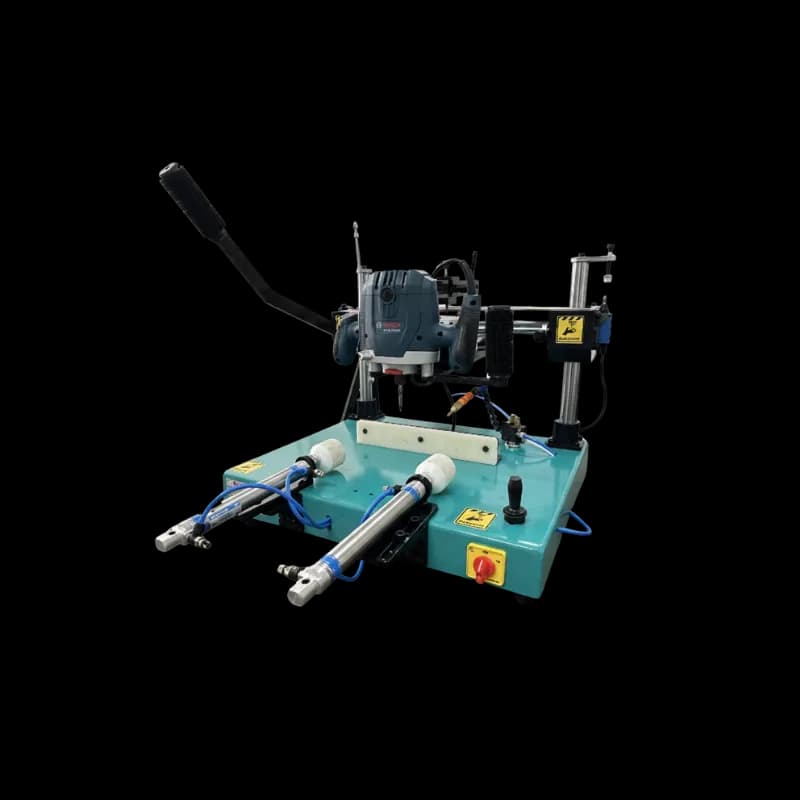
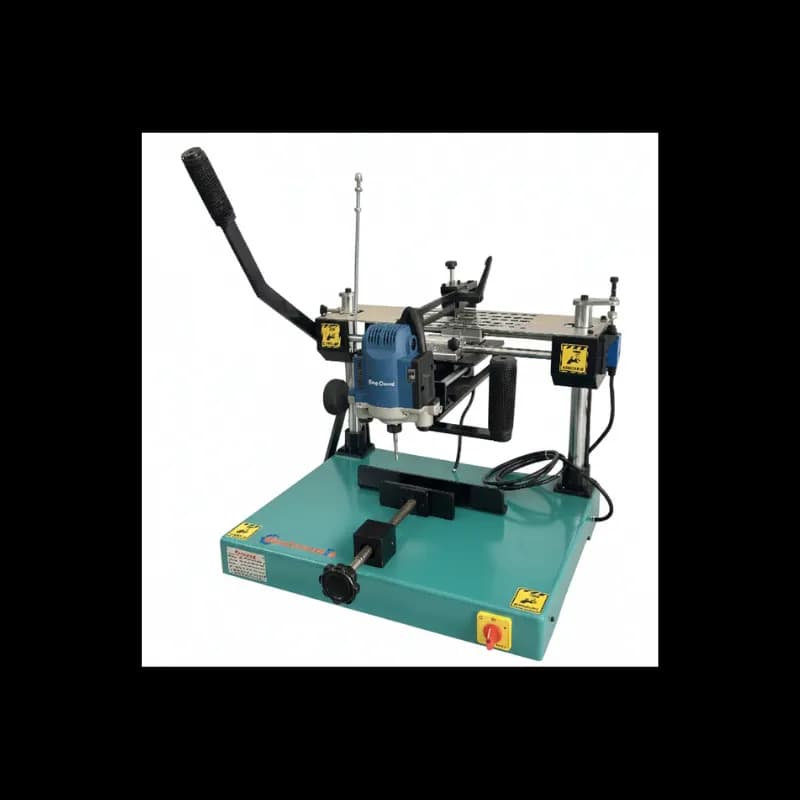
- Copy Router Machine: ₹1,20,000 – ₹2,50,000. Essential for hardware holes and drainage slots. High-speed spindles (12,000 RPM) are necessary for clean cuts in reinforced profiles.
- Glazing Bead Saw & End Milling Machine: ₹2,50,000 – ₹4,50,000 combined.
Total estimated machinery cost for a professional setup: ₹22.7 Lakhs to ₹42.5 Lakhs. For startups, a portable uPVC window making machine price list might start lower, around ₹4-6 Lakhs, but these units lack the speed and precision required for the Mumbai real estate volume. We often see startups struggle when they win a contract for a 20-story building and find their manual machines cannot maintain the 24/7 duty cycle required.
Scaling for Mumbai: Logistics and Power Requirements
Scaling in an urban environment like Mumbai presents unique challenges. Your uPVC machinery manufacturer should advise you on power factor correction. An automatic plant typically requires a 15kW to 25kW connected load. In Mumbai, where industrial electricity rates are premium, investing in machines with high-efficiency IE3 motors can reduce monthly overheads by 12-15%.
Furthermore, the workshop layout is critical. You need a minimum of 2,500 sq. ft. for an automated line. The flow should be linear: Profile Storage > Cutting > Reinforcement Steel Insertion > Welding > Corner Cleaning > Hardware Assembly > Glazing. Any 'back-tracking' in the flow results in 'bottlenecking,' which our data shows can cost a factory up to 5 frames per day in lost productivity.
Common Mistakes and Engineering Pitfalls
Having consulted for dozens of units across Maharashtra, I see three recurring mistakes:
- Ignoring Air Quality: Automatic valves in a Copy Router Machine or welder will fail if your air compressor does not have a refrigerated air dryer. Moisture in the lines causes pneumatic cylinder seals to perish prematurely.
- Undersized Reinforcement Cutting: Many fabricators focus on the uPVC but ignore the steel. An aluminium cutting machine 12 inch blade is often repurposed for steel, leading to poor cuts. Use a dedicated cold saw for the internal galvanized steel reinforcements.
- Poor Voltage Regulation: Mumbai's industrial zones can have voltage spikes. A 30kVA servo stabilizer is non-negotiable for protecting the PLC units in your CNC machinery.
Engineering Standards and Safety
Every uPVC windows manufacturing machine must be grounded correctly to prevent static buildup, which can interfere with the PLC logic. We adhere to Industrial profile cutting safety standards ISO standards, ensuring all machines feature dual-hand safety starts and emergency stop circuits. For high-speed operations, the protective hoods on the cutting saws must be interlocked—the motor should not engage unless the hood is fully closed.
FAQ: Real-World Fabricator Questions
Q1: What is the ROI timeline for an automatic uPVC plant in Mumbai? With the current demand in Mumbai's redevelopment sector, a plant running at 60% capacity (approx. 50 frames/day) typically achieves a break-even point on machinery investment within 14 to 18 months, provided you have established B2B ties with developers.
Q2: Can I use an aluminium cutting machine for uPVC profiles? Technically, yes, an aluminum cutting machine can cut uPVC, but the blade TPI (Teeth Per Inch) must be changed. However, dedicated uPVC saws have specific clamping pressures designed not to deform the hollow chambers of the uPVC profile, which an aluminium profile cutting machine might lack.
Q3: What maintenance is required for a CNC corner cleaner? Daily lubrication of the linear rails and weekly cleaning of the sensor eyes are mandatory. Every 500 operating hours, the cutter bits should be inspected for wear. Dull bits cause 'shivering' on the profile surface, leading to aesthetic rejections.
Q4: Is a single-head or double-head welder better for a startup? If your goal is Mumbai's real estate market, start with a double-head. A single-head welder requires four separate cycles to finish one frame, while a double-head does it in two, effectively doubling your throughput for only a 40% increase in capital expenditure.
Get more articles like this
Follow Mechnovate on Google to see our guides in Google Discover & News