Automatic Aluminium Window Production Line: Mumbai ROI Guide
An automatic aluminium window production line in the Mumbai industrial corridor typically requires an investment ranging from ₹18 Lakhs to ₹45 Lakhs, depending on the degree of automation and daily output targets. For high-volume projects, a properly configured line pays for itself within 14 to 18 months by reducing labor costs by 60% and cutting material wastage from a typical 12% in manual shops to under 2%. To scale successfully, you must move beyond the standard 12-inch aluminium cutter machine and transition to a CNC-controlled Double Head Cutting Machine that ensures sub-millimeter precision across every batch.
Technical Specifications for High-Volume Mumbai Operations
In our recent setup for a project in the Bhiwandi industrial zone, we found that heat dissipation and power stability are the two most overlooked factors in Mumbai's humid climate. When selecting an automatic aluminium window production line price point, technical mastery of the motor and blade specifications is non-negotiable. We recommend high-speed spindles operating at minimum 2800-3200 RPM with a motor power of at least 2.2kW per head to handle heavy-gauge thermal break profiles.
Key technical parameters for high-performance lines include:
- Blade Diameter: 500mm carbide-tipped blades are essential for multi-cavity profiles used in Mumbai high-rises.
- Cutting Accuracy: Error margins must be ±0.1mm per meter to meet ISO 9001 quality standards.
- Air Pressure Requirements: A consistent 6-8 bar supply is required for pneumatic clamping to prevent profile distortion.
- Profile Feed Rates: Adjustable servo-driven feeds (0-3m/min) allow for clean cuts on varied wall thicknesses (1.2mm to 3.0mm).
Scaling Output: A 6-Week Case Study from the Field
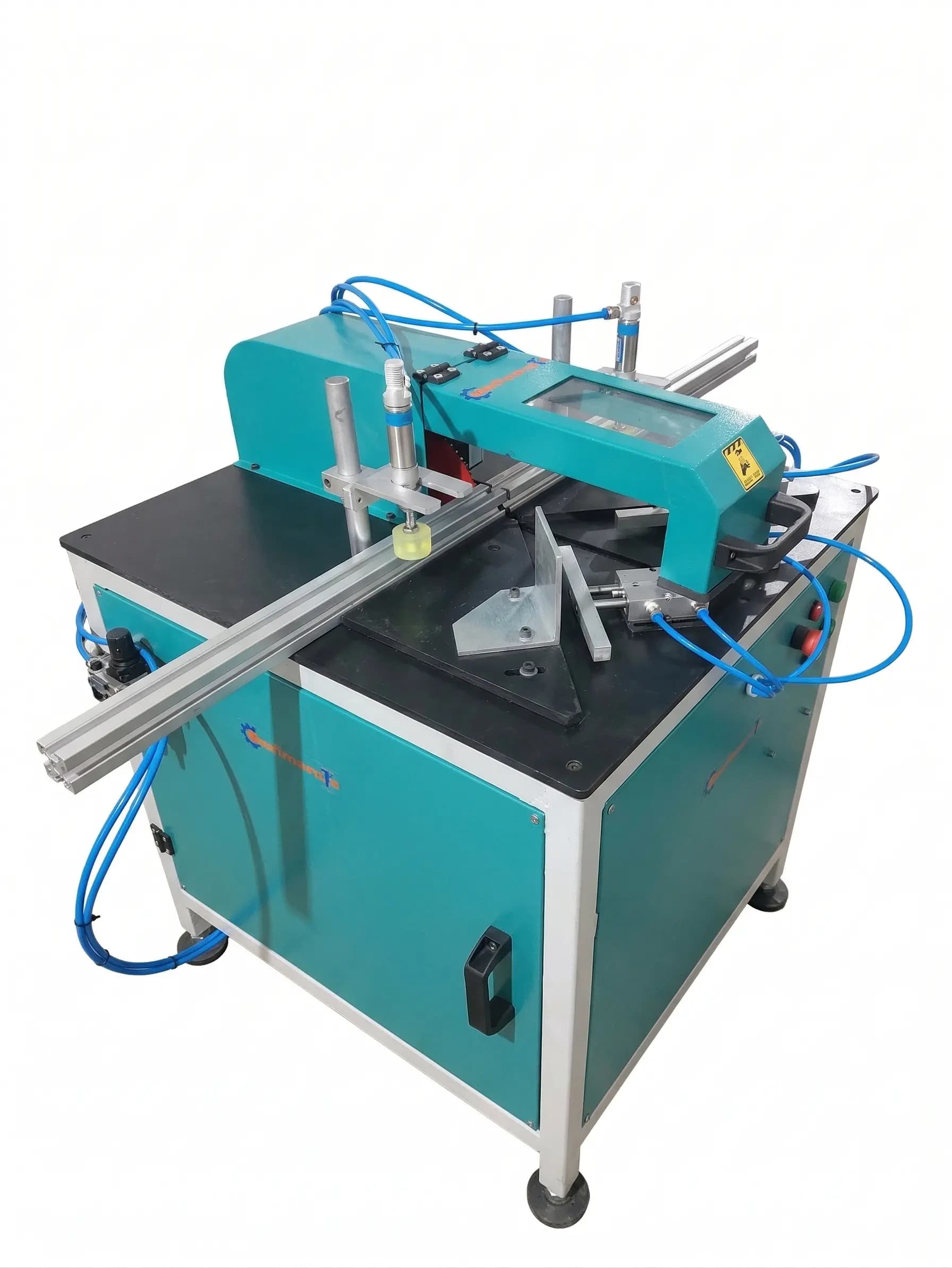
Last year, we worked with a fabricator in the Palghar region who was struggling to fulfill a 400-unit contract for a commercial complex using manual punch tools and a single head cutter machine. Their scrap rate was 14%, and they were averaging only 15 frames per 8-hour shift. We implemented a semi-automatic line including a Heavy Duty Aluminium Profile End Milling Machine and an Aluminium Corner Crimping Machine with a high-pressure hydraulic system.
Our transformation results over 6 weeks were measurable:
- Daily Output: Increased from 15 frames to 85 frames per shift.
- Material Savings: Reduced profile scrap by 9.5% through precision nesting and automatic double head cutting saw for aluminium profiles.
- Labor Efficiency: Reduced the fabrication team from 12 semi-skilled workers to 4 specialized operators.
- Quality Rejection: Post-installation inspection showed a 0% rejection rate on corner joints, compared to 8% previously.
The Essential Machinery for a Modern Production Line
To compete in the Mumbai market, your floor plan must facilitate a logical material flow. A linear arrangement prevents bottlenecking during the peak production months between monsoon seasons. The core of any high-speed line is the double head miter saw for aluminium profiles price vs. performance ratio; choosing a CNC-controlled version allows for automatic angle adjustments (45° to 90°), which is vital for complex architectural designs.
Essential equipment list for a high-volume unit:
- Automatic Double Head Cutting Machine: The primary driver of speed, capable of simultaneous cutting at both ends.
- High Speed Copy Router for Aluminium Windows: Necessary for milling lock holes and drainage slots without damaging the powder coating.
- Heavy Duty End Milling Machine: For precise mullion preparation on large-span window units.
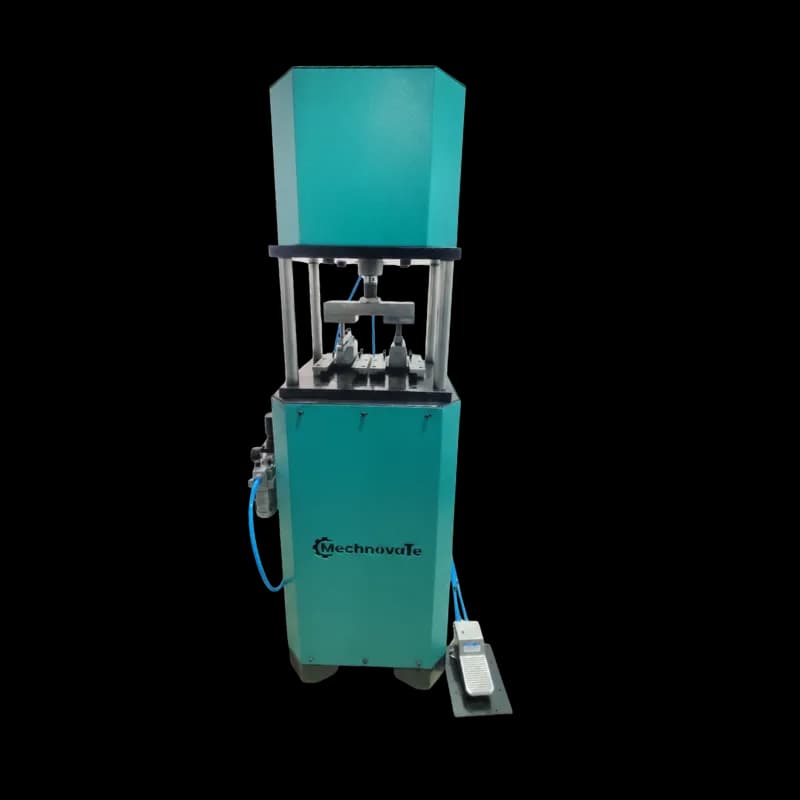
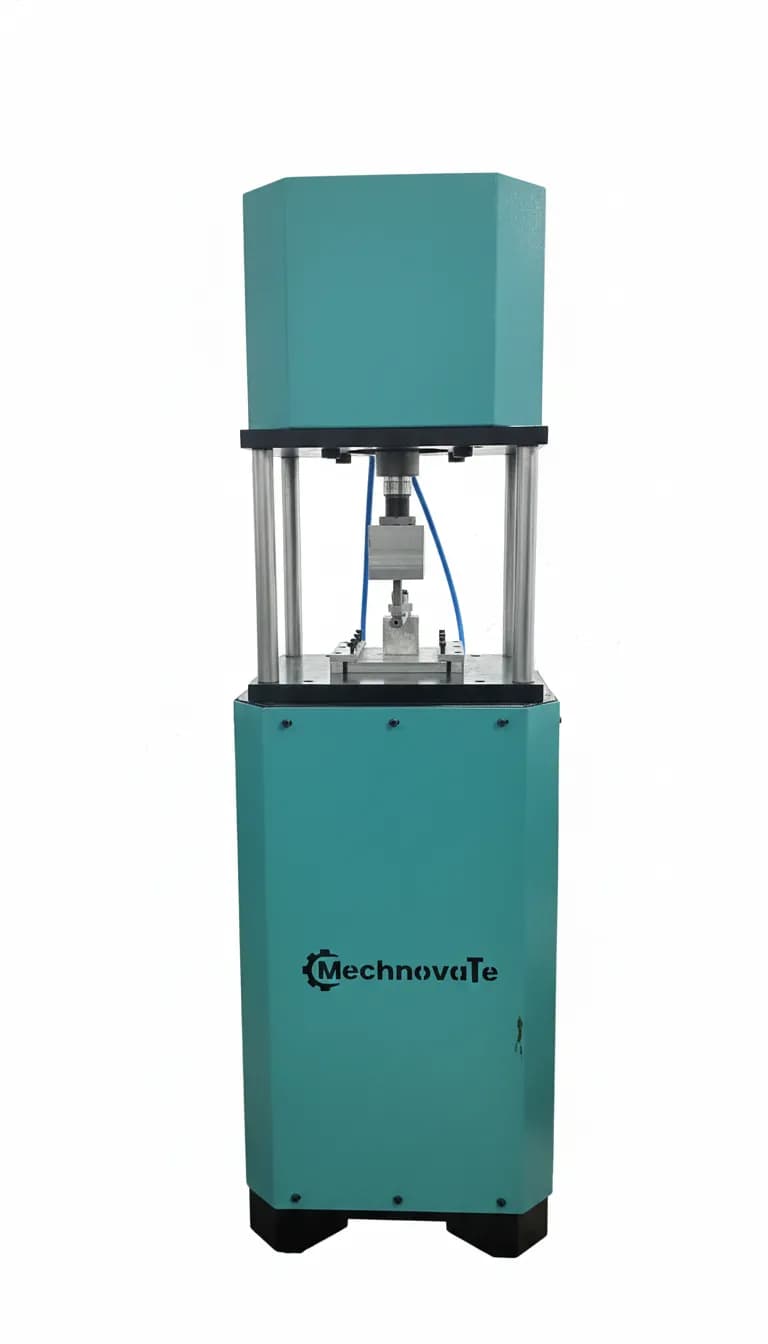
- Automatic Aluminium Corner Crimping Machine: Replaces manual screwing, providing the structural integrity required for wind loads in Mumbai coastal zones.
- Single Head Cutting Machine (Auxiliary): For small-run custom pieces and finishing work.
ROI Analysis and Hidden Costs to Avoid
When evaluating the cost of setting up uPVC window manufacturing unit in India or an aluminium equivalent, most owners focus solely on the sticker price. In my 15 years of engineering experience, I have seen 'bargain' machines fail due to poor casting and low-grade pneumatic valves within 6 months. Always factor in the cost of a voltage stabilizer—Mumbai’s industrial power grids can fluctuate, which destroys expensive PLC controllers on automatic aluminium window production lines.
Look for a supplier that offers a comprehensive upvc machine price list including installation and 12-month onsite support. A cheaper machine from an unverified source often lacks the heavy-cast iron base necessary for vibration dampening, leading to 'chatter marks' on the profile surface. These marks are unacceptable for premium 5-star hotel or luxury residential projects where high-gloss finishes are standard.
Common Pitfalls in Aluminium Window Fabrication
One major mistake is underestimating the importance of blade cooling. Without a high-grade mist spray system, aluminium tends to 'gall' or stick to the blade teeth, leading to jagged edges. We recommend using a high-viscosity vegetable-based lubricant rather than cheap oil blends to maintain the longevity of your aluminium cutting machine 12 inch or 20 inch blades. Furthermore, ensure your Aluminium Punching Machine dies are hardened to 60-62 HRC to handle the high-volume cycle counts typical of the Mumbai construction boom.
FAQ: Critical Questions for Fabricators
Q: Is it better to buy a CNC line or start with a manual punching machine? A: If your target is more than 30 windows per day, manual punching becomes a bottleneck. A CNC line ensures consistency that manual labor simply cannot match over an 8-hour shift. The automatic aluminium corner crimping machine price is offset by the speed of assembly and the structural strength of the joint.
Q: How does Mumbai’s humidity affect aluminium window machinery? A: High humidity leads to rapid moisture buildup in pneumatic lines. You must install a high-capacity refrigerated air dryer before the air reaches your upvc windows manufacturing machine or aluminium cutter to prevent internal valve corrosion.
Q: What is the typical lead time for an automatic aluminium window production line? A: For a custom-configured line, expect 4 to 8 weeks for manufacturing and testing. Installation in the Mumbai region usually takes 3 to 5 business days, including operator training on the specific CNC interface.
Get more articles like this
Follow Mechnovate on Google to see our guides in Google Discover & News