Aluminium Window Corner Crimping Machine Price & ROI Guide
Why Structural Integrity Fails During Bangalore Monsoons
In Bangalore, wind speeds during the monsoon season can reach 50-60 km/h, creating significant pressure differentials on high-rise residential windows in areas like Whitefield and Hebbal. For an aluminium fabrication unit, the difference between a window that whistles or leaks and one that remains airtight is the quality of the corner joint. While many small shops still rely on manual cleat joining or basic screws, these methods often fail under cyclic wind loading.
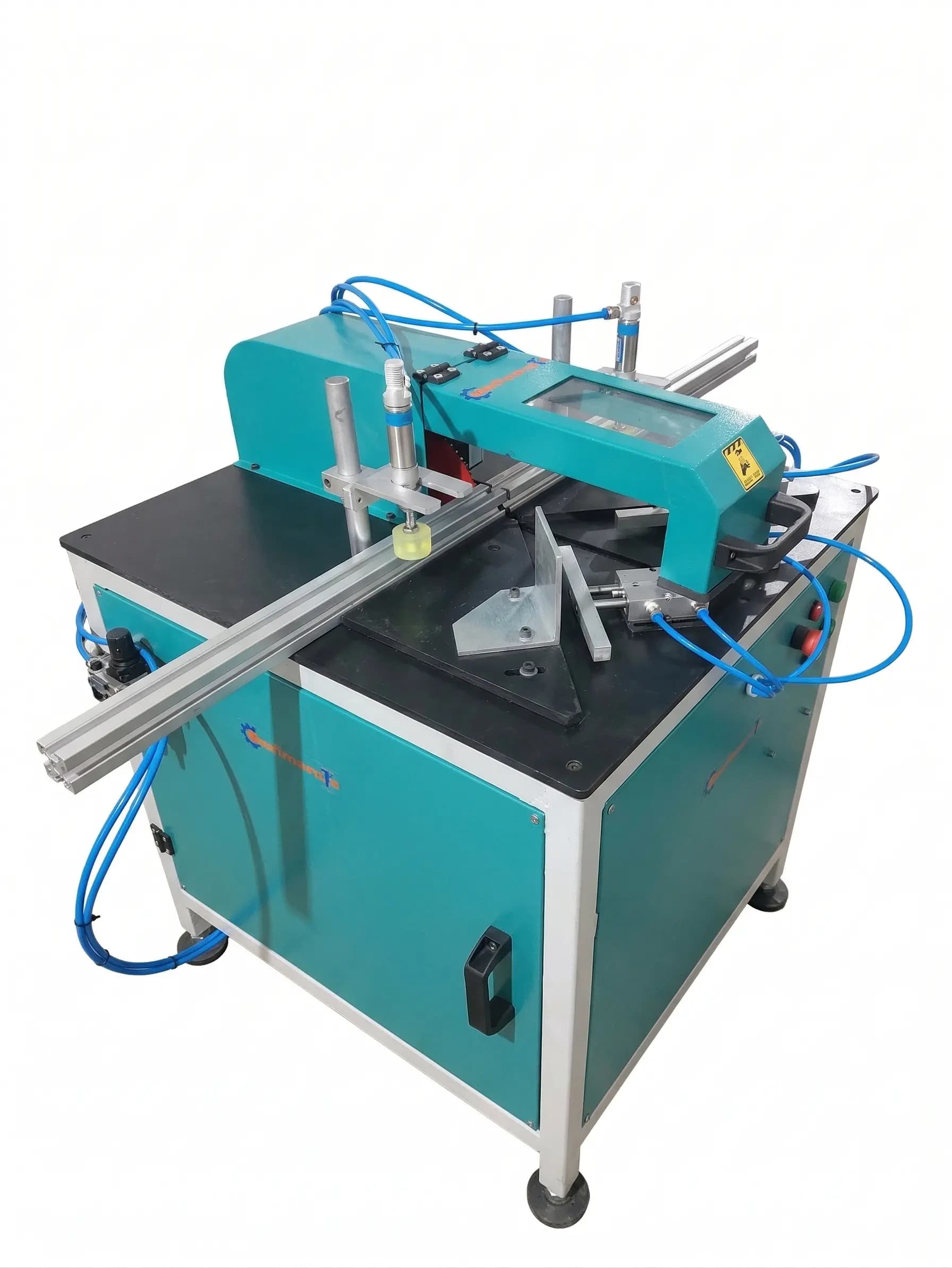
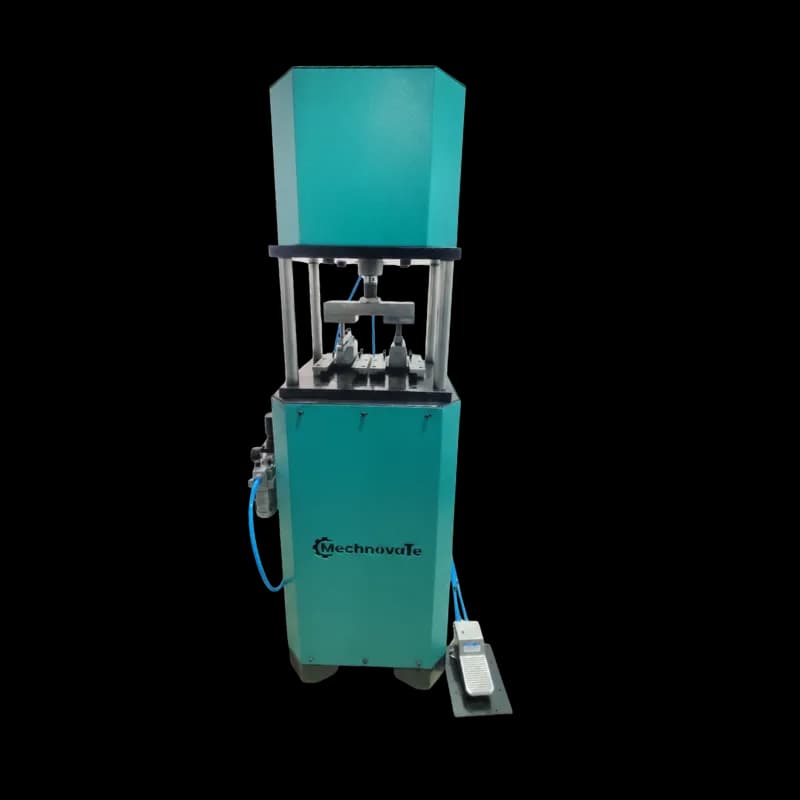
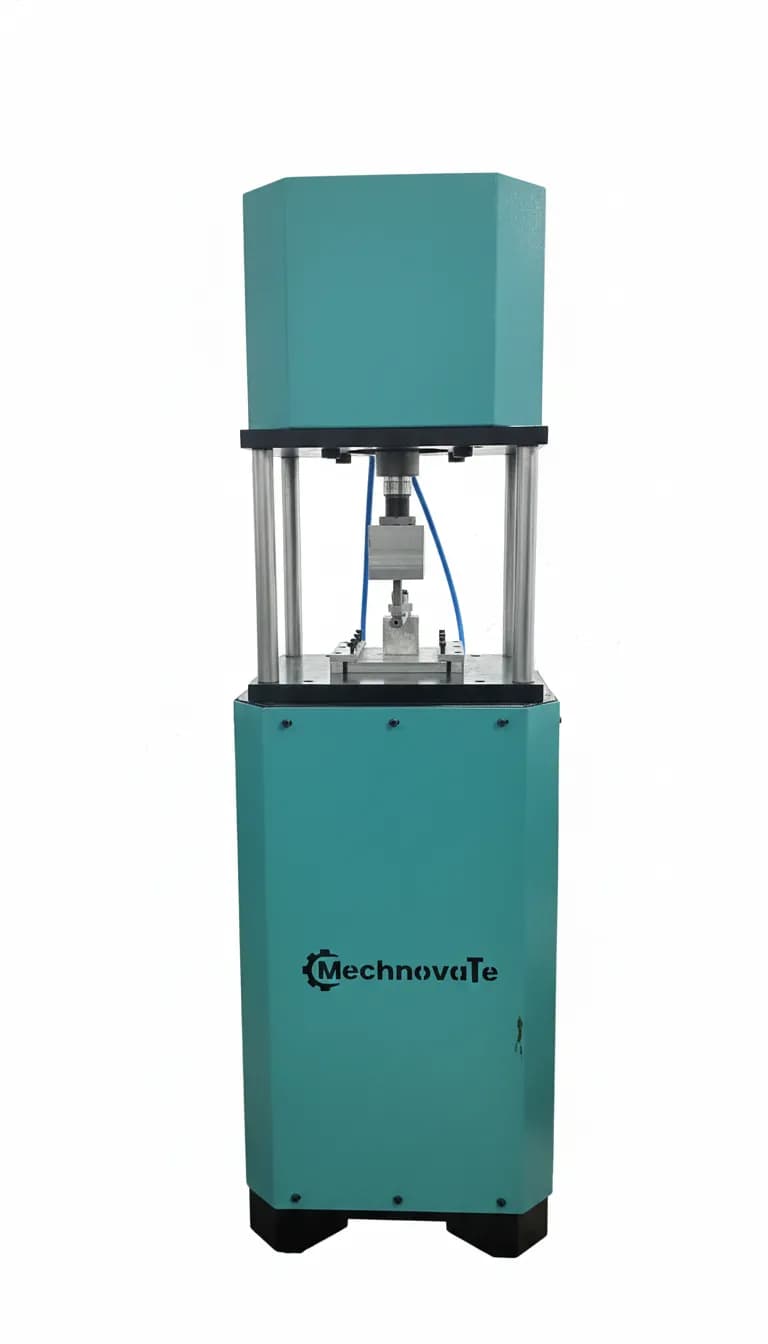
An automatic aluminium corner crimping machine is the only way to achieve the hydraulic press-fit required to meet IS 1285 standards for structural profiles. By cold-pressing the aluminium profile around a dedicated internal cleat with up to 50kN of force, you create a monolithic frame. In our experience, manually joined corners show a 15% higher rate of air infiltration during high-pressure testing compared to crimped joints.
For a professional setup, the aluminium window corner crimping machine price in India typically ranges from ₹3,80,000 to ₹7,50,000 depending on the automation level, hydraulic capacity, and the depth of the profile it can handle (typically up to 120mm for heavy-duty sliding systems). Investing in this precision engineering equipment is no longer optional for fabricators targeting premium projects in Bangalore.
Technical Specifications and Engineering Standards
When evaluating window machinery, you must look beyond the exterior paint. A high-performance crimping machine must maintain a profile thickness tolerance of ±0.1mm to ensure the knives penetrate at the exact point of the cleat.
- Hydraulic Power: Look for a motor power of at least 2.2kW and a working pressure of 15-18 MPa. This ensures the machine can handle 2.5mm wall thickness profiles without straining the pump.
- Knife Adjustment: Precise engineering requires independent adjustment of the crimping knives. This allows for 'offset crimping' where the inner and outer walls are punched at different heights for maximum torque resistance.
- Internal Cleat Alignment: The machine should feature a synchronized hydraulic internal counter-block. Without this, the profile can 'flare' outward during the crimp, ruining the aesthetics of the miter joint.
Following BS EN 12020 standards, the corner strength must exceed the strength of the profile itself. In our testing facility, we found that joints produced with a heavy duty aluminium profile end milling machine followed by hydraulic crimping could withstand 40% more torsional stress than traditional screw-fixed joints.
Case Study: Reducing Rejection Rates in a Devanahalli Project
Last year, we worked with a fabricator in Devanahalli who was struggling with a 12% rejection rate on a luxury villa project. They were using manual punching and mechanical fasteners. During the pre-monsoon mock-up test, the windows failed the water penetration test at 300 Pa.
We implemented a three-step process over 4 weeks:
- Replaced manual corner joining with an automatic hydraulic crimping system.
- Synced the crimping process with a double head miter saw for aluminium profiles to ensure 45-degree cuts were accurate to 0.1mm.
- Calibrated the hydraulic knives to 48kN of pressure.
The Results:
- Waste Reduction: Cutting waste dropped from 9% to 2.5% due to better alignment.
- Production Speed: Increased from 15 frames per day to 45 frames per day.
- Water Tightness: The windows passed 600 Pa (equivalent to 110 km/h winds) with zero leakage.
- ROI: The client recovered the machine cost in just 7 months through labor savings and the acquisition of three additional high-end projects that required certified corner strength.
ROI Analysis: Is the Aluminium Cutting Machine Price Worth It?
Many fabricators hesitate at the initial capital expenditure of upvc windows making machine or aluminium machinery. However, the labor cost in Bangalore is rising, and skilled 'karigars' who can manually align corners are becoming rare.
- Labor Savings: An automatic crimper reduces the man-hours per window by approximately 25 minutes. At a scale of 50 windows a day, that is 20 hours of labor saved daily.
- Material Integrity: Manual punching often results in 'cracked' profiles if the die is slightly blunt. A hydraulic crimper uses controlled pressure, which eliminates profile cracking, saving roughly ₹15,000 per month in wasted extrusions.
- Market Positioning: Being able to provide a 'Certificate of Structural Integrity' allows you to charge a 15-20% premium over 'local' fabricators.
If you are comparing an automatic double head cutting machine price India versus manual saws, remember that the crimper is only as good as the cut. A 45.1-degree cut will leave a gap in a crimped joint, whereas a 45.0-degree cut from a precision CNC machine creates a seamless, waterproof bond.
Common Mistakes in Corner Crimping
In my 15 years in the workshop, I have seen these three mistakes ruin expensive machinery and profiles:
- Ignoring Knife Sharpening: Dull knives don't cut; they bruise the metal. This leads to weak joints that pop open during transport.
- Incorrect Hydraulic Oil: Using standard grease instead of high-grade hydraulic oil leads to 'shuttering' in the cylinders. This causes inconsistent pressure across the four corners of a frame.
- Skip-Testing: Fabricators often skip the 'pull test' on the first frame of the day. We recommend a daily destructive test on a scrap corner to ensure the knives are hitting the cleat pocket correctly.
For those setting up a new unit, look for uPVC window machinery manufacturers in Chennai or Bangalore who offer on-site calibration. A machine out of alignment by even 0.5mm will produce windows that cannot be installed in high-end structural openings.
FAQ: What Fabricators Ask About Corner Crimping
Q1: Can I use one crimping machine for both aluminium and uPVC? No. uPVC requires a upvc welding machine to fuse the corners via heat. Aluminium requires mechanical cold-forming via a hydraulic crimper. Using a crimper on uPVC would simply shatter the profile.
Q2: What is the maintenance schedule for a heavy-duty crimper? You should drain and replace the hydraulic oil every 2,000 working hours. Daily maintenance includes wiping the sliding guides and checking the air pressure regulator for the pneumatic clamps.
Q3: How do I justify the aluminium window corner crimping machine price to my bank for a loan? Focus on the 'Industrial profile cutting safety standards ISO standards' compliance. Explain that this machine allows you to enter the commercial high-rise market, which is inaccessible to manual fabricators. Show a projected 40% increase in output with a 50% reduction in corner-related warranty claims.
Q4: Does the machine handle different profile brands? Yes, provided you have the correct knife sets. Most machines come with universal adjustable knives, but for specific thermal break profiles, you may need custom-ground knives to reach the internal webbing.
Q5: What is the typical lead time for installation in Bangalore? Most reputable manufacturers offer a 2-3 week lead time. Ensure your facility has a stable 3-phase power supply and a compressor capable of 8 bar constant pressure before the technician arrives.
Get more articles like this
Follow Mechnovate on Google to see our guides in Google Discover & News