Aluminium Window Corner Crimping Machine Price Guide: Bangalore
Bangalore Fabricator Guide: Aluminium Window Corner Crimping Machine Price Analysis
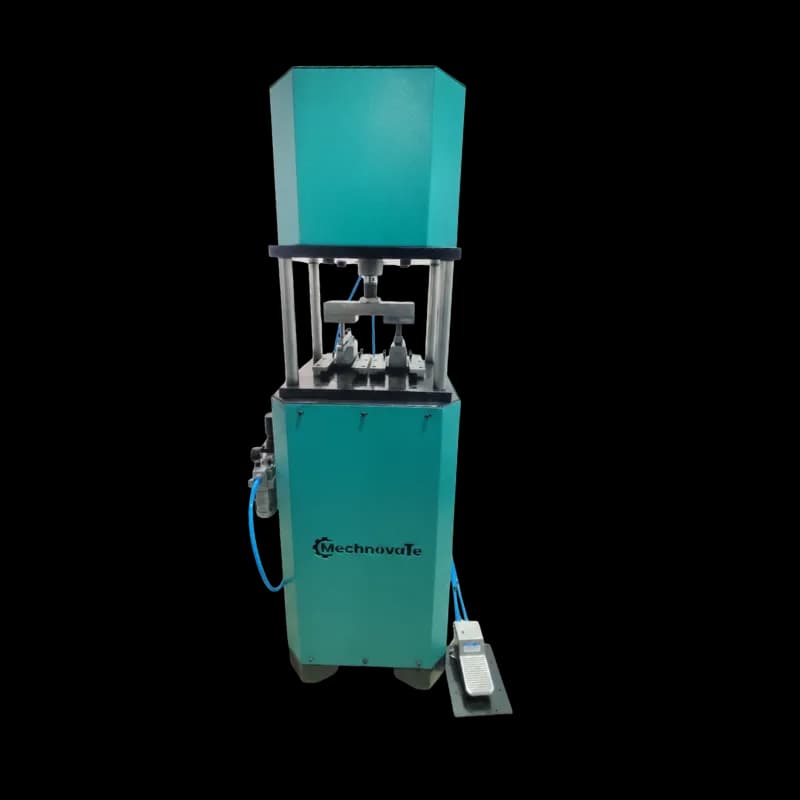
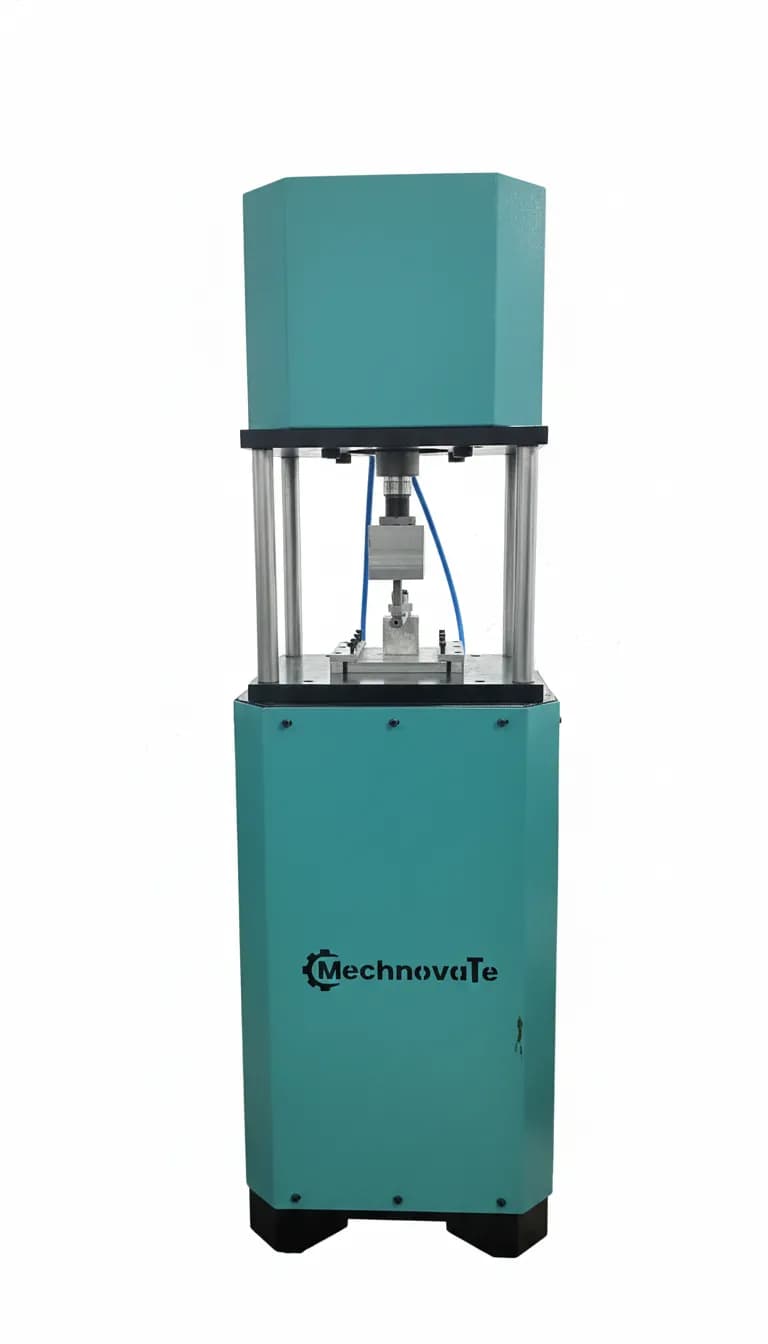
In the high-velocity wind zones of Bangalore's skyline, a window's structural integrity isn't just a design choice—it is a safety mandate. For fabricators, the core of this integrity lies in the corner joint. An Aluminium Corner Crimping Machine is the decisive tool that bridges the gap between a standard window and a high-performance architectural element. In Bangalore, the aluminium window corner crimping machine price typically ranges from ₹2.8 Lakhs for entry-level hydraulic models to upwards of ₹6.5 Lakhs for heavy-duty, synchronized multi-point systems. Investing in the right machinery ensures your frames withstand the 1.5 kPa to 2.5 kPa wind loads common in Whitefield or Electronic City high-rises.
Enhancing Structural Integrity in High-Rise Aluminium Fabrication
High-rise windows face immense lateral pressure. Traditional screw-fastened joints often fail under cyclic loading, leading to water ingress and whistling sounds. Precision engineering demands a mechanical bond where the aluminium profile and the internal corner cleat become a single monolithic unit. This is achieved through high-pressure cold-welding, or 'crimping.'
Key technical factors influencing the aluminium window corner crimping machine price include:
- Crimping Force: High-rise profiles often exceed 2.0mm thickness. You require a machine capable of delivering at least 48kN to 60kN of hydraulic pressure to ensure the knifing blades penetrate the profile and cleat effectively.
- Synchronization: Entry-level machines may have slight delays between the two knifing heads. Premium models use a mechanical or hydraulic synchronization bar to ensure both sides of the corner are pressed at exactly the same micro-second, preventing profile rotation.
- Adjustment Range: The ability to handle diverse profiles (from slim 45mm series to heavy 100mm lift-and-slide sections) dictates the machine's utility in a growing Bangalore workshop.
Case Study: 15% Faster Output in a Peenya Workshop
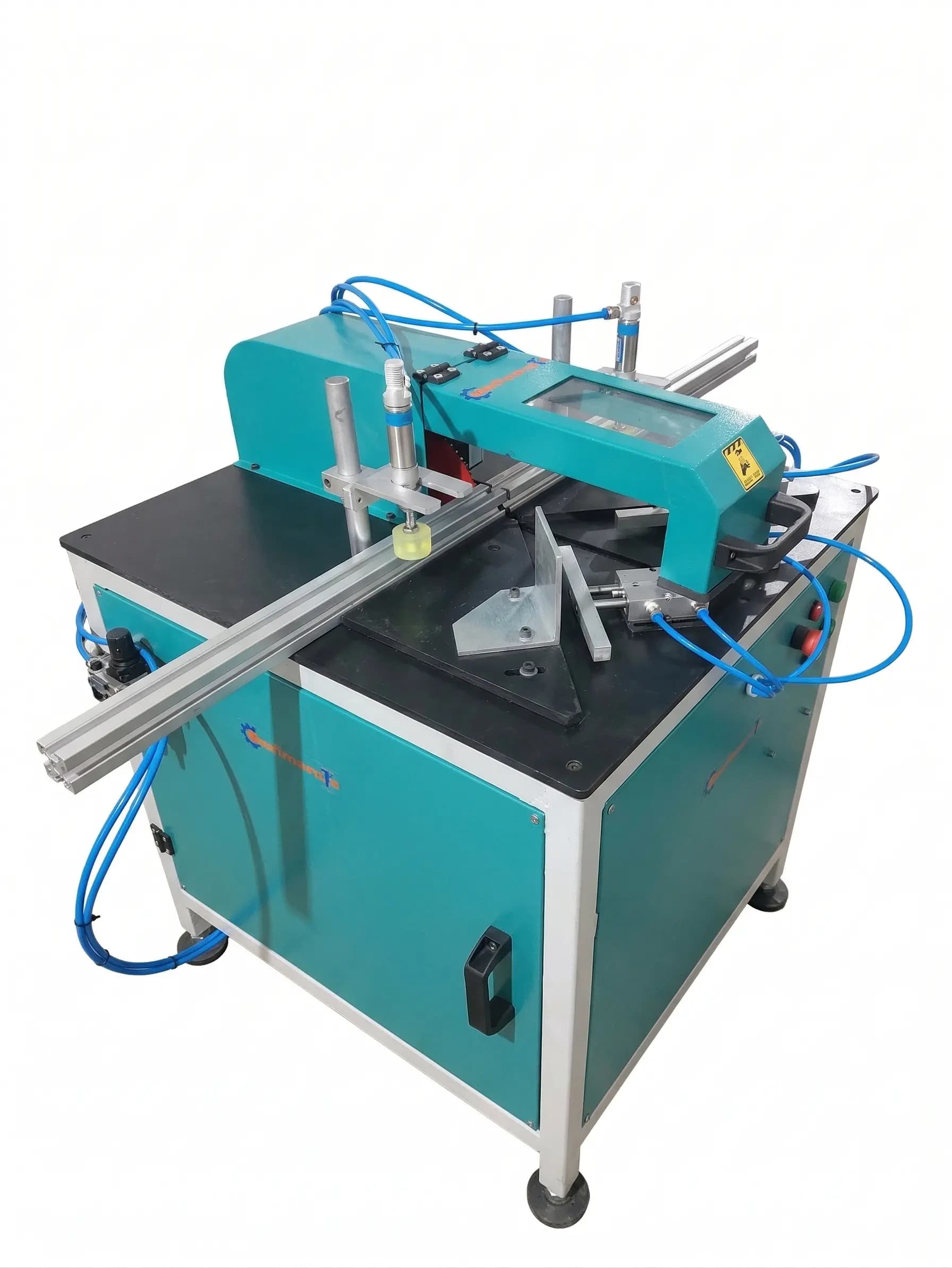
In our Mechnovate experience center, we recently partnered with a mid-sized Bangalore fabricator struggling with rejected frames on a 30-story project in Sarjapur. They were using manual punching methods which led to a 12% air-leakage failure rate during wind-tunnel testing. We integrated a semi-automatic Double Head Miter Saw for precise 45-degree cuts and a heavy-duty hydraulic crimper.
Over 6 weeks, the results were measurable:
- Output Increase: They moved from 25 frames/day to 40 frames/day.
- Quality Control: Zero rejections during the third-party structural glazing audit.
- Labor Efficiency: Two operators managed the entire assembly line, reducing manual rework by 70%.
For those scaling up, the automatic double head cutting machine price India varies by brand, but combining it with a high-speed Heavy Duty End Milling Machine creates a seamless production flow that justifies the initial CAPEX within 14 months.
Technical Specifications and Industrial Standards
When evaluating an aluminium window corner crimping machine price, fabricators must look beyond the sticker and examine the hydraulic circuit design. A high-quality machine should adhere to ISO 9001 quality management and reference IS 1285 for aluminium alloy extrusion tolerances.
Critical Machine Benchmarks:
- Motor Power: Minimum 1.5kW to 2.2kW for consistent hydraulic flow.
- Oil Tank Capacity: 20L to 40L to prevent overheating during double-shift operations.
- Knifing Depth: Adjustable from 0mm to 15mm with 0.1mm precision.
- Max Profile Width: Capability to accept up to 120mm wide sections for heavy balcony doors.
Common Mistakes to Avoid in Corner Crimping
- Ignoring Blade Maintenance: Dull knifing blades tear the metal rather than displacing it. This creates micro-fractures in the profile, which are catastrophic in high-altitude installations.
- Incorrect Cleat Sizing: If the internal corner key is even 0.5mm too small, the crimp will be 'hollow,' providing no structural value regardless of the machine's pressure.
- Skipping Corner Sealant: Always apply a high-grade joint sealer before crimping. The machine provides the strength; the sealant provides the weather-tightness.
- Over-Pressurization: Applying 70 bar pressure to a thin 1.2mm domestic profile will deform the outer visible face, leading to aesthetic rejection.
FAQ: Bangalore Fabricator Perspectives
Q1: Is a pneumatic crimper sufficient for high-rise projects? A1: Generally, no. Pneumatic systems lack the consistent 'bite' required for thick architectural profiles. For high-rise windows in Bangalore, a hydraulic system is the industry standard for durability.
Q2: What is the typical lead time for an aluminium window corner crimping machine in Bangalore? A2: Most reputable suppliers maintain stock in industrial hubs like Peenya or Bommasandra, offering delivery and installation within 7 to 10 business days.
Q3: How often do the knifing blades need replacement? A3: Under standard 8-hour shifts using 6063-T6 alloy, blades should be sharpened every 6 months and replaced every 18-24 months to maintain precision engineering standards.
Q4: Can one machine handle both aluminium and uPVC profiles? A4: No. Aluminium requires high-pressure crimping, whereas uPVC requires a upvc welding machine which uses heat to fuse joints. The two processes are fundamentally different.
Q5: What safety features should I look for? A5: Ensure the machine has dual-hand safety triggers (both hands must press buttons to activate the knives) and an emergency stop button. This is critical for meeting industrial profile cutting safety standards.
Get more articles like this
Follow Mechnovate on Google to see our guides in Google Discover & News