Aluminium Profile Punching Machine: Fixing Kanpur Production
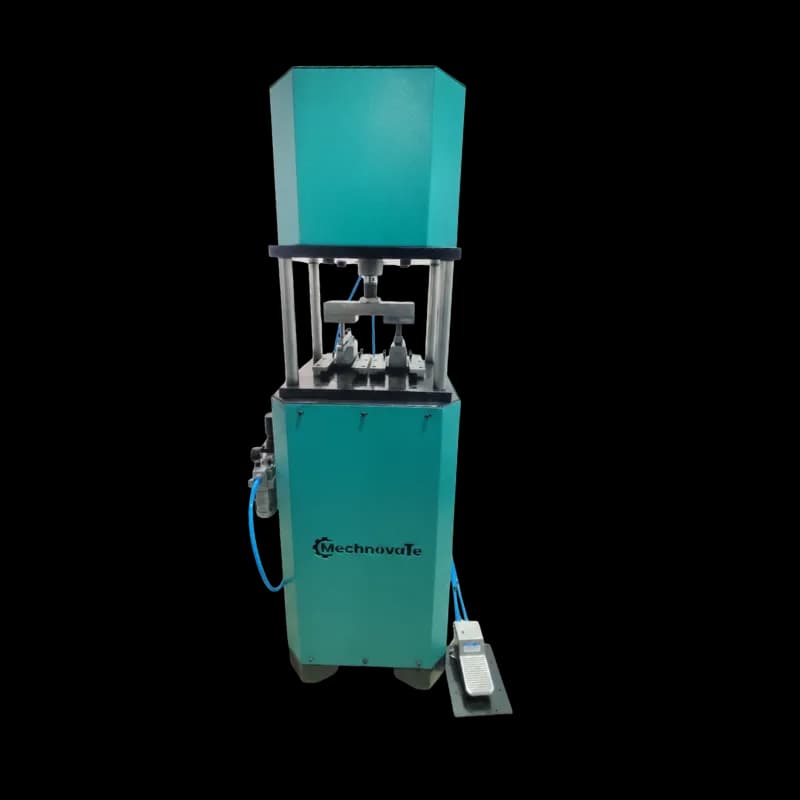
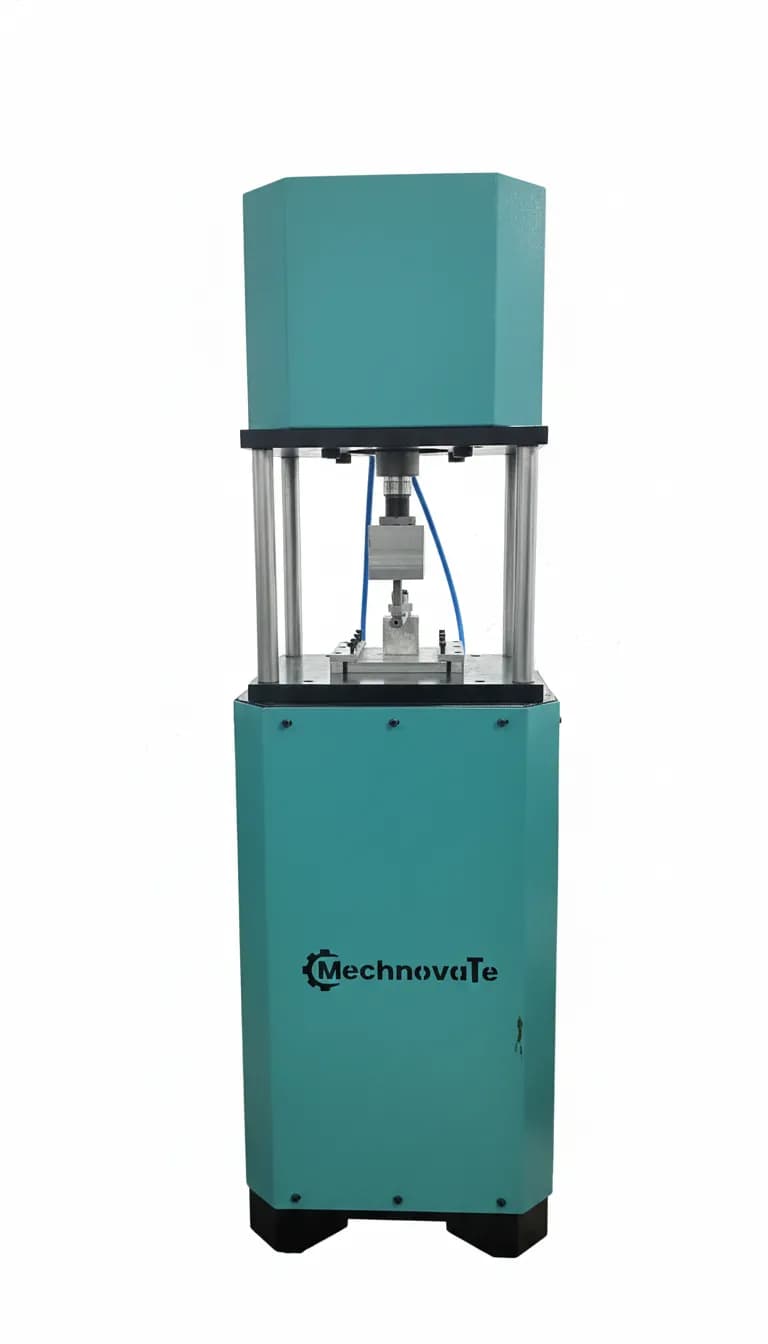
To increase daily output in Kanpur workshops, you must eliminate the manual drilling bottleneck. A high-performance Aluminium Profile Punching Machine replaces time-consuming manual layouts with precision-engineered dies that execute drainage holes, lock slots, and screw ports in under 10 seconds. In my 15 years of engineering, I have seen fabricators in industrial hubs like Panki and Dada Nagar struggle with manual punching machine setups that yield inconsistent results. Transitioning to a dedicated pneumatic punching system isn't just an upgrade; it is a fundamental shift from craft-based labor to industrial-scale manufacturing.
Why Kanpur Workshops Struggle with Manual Aluminium Fabrication
Most workshops in Uttar Pradesh still rely on manual marking and drilling, which accounts for nearly 30% of total fabrication time. This traditional approach leads to high rejection rates because manual drill bits often wander on the curved surfaces of architectural profiles. Furthermore, manual methods fail to meet the tight tolerances required by ISO 9001 standards for modern window systems. When we audited a mid-sized unit in Kanpur last year, we found that 12% of their material was wasted due to misaligned holes and profile deformations.
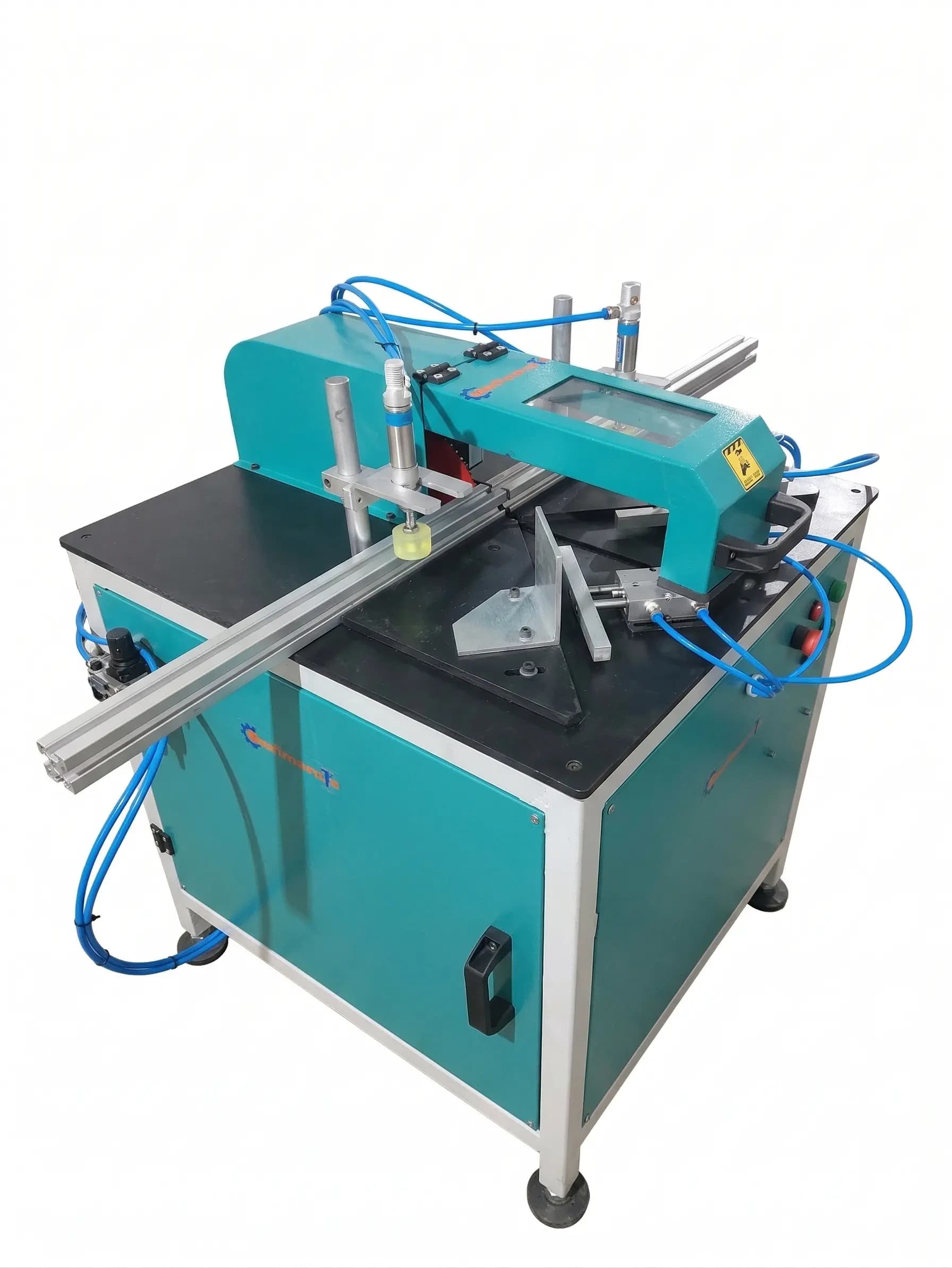
By integrating a pneumatic Copy Router Machine alongside a punching station, you create a synchronized workflow. This eliminates the 'human error' variable that plagues high-volume orders. Fabricators can then focus on assembly rather than rework, which is essential when handling large-scale commercial contracts in the region. The goal is to move from 15 frames per day to over 40 frames without increasing your labor headcount.
The 8-Second Cycle: How an Aluminium Profile Punching Machine Redefines Output
In our Mechnovate testing facility, we benchmarked a standard 6-die pneumatic setup against a skilled manual operator. The results were undeniable: the operator took an average of 145 seconds to mark and drill a single lock hole, while the machine completed a cleaner punch in exactly 8.2 seconds. This efficiency allows you to process a full set of profiles for a sliding window in less than 2 minutes. For a busy Kanpur workshop, this translates to an additional 25-30 units per shift.
Beyond speed, the quality of the punch is superior because it shears the metal at a controlled 6-8 bar pressure. This prevents the 'burr' effect common with a 12 inch aluminium cutter or high-speed drills. A clean shear ensures that plastic accessories and lock cylinders fit perfectly every time. This precision is what separates premium upvc windows manufacturers machine quality from local-grade fabrication.
Technical Specifications: Choosing the Right Pressure and Die Set
When sourcing an aluminium profile punching machine, you must look at the pneumatic cylinder's bore size and the stroke length. For standard 6063-T5 aluminium alloy, a cylinder with a 100mm to 125mm bore is recommended to ensure a clean cut through wall thicknesses up to 2.5mm. Operating pressure should ideally be maintained between 0.6 MPa and 0.8 MPa to prevent die fatigue. If your pressure drops, you will see 'tearing' rather than 'shearing' on the profile edges.
Your die set is the most critical component. High-quality dies should be made from Cr12MoV cold-work die steel, heat-treated to HRC 60-62. This ensures longevity even when processing thousands of cycles per week. If you are also manufacturing uPVC systems, ensure your uPVC Window Manufacturing Machine lineup includes compatible drainage punchers. Combining these technologies allows your workshop to handle both materials without doubling your footprint.
Avoiding Costly Mistakes in Aluminium Profile Punching Machine Maintenance
One common mistake I see in workshops is the failure to lubricate the die set daily. Without a light mist of cutting oil, friction heat builds up, causing the aluminium to gall (stick) to the punch. This eventually leads to cracked dies or jammed cylinders. You should implement a 'first-hour' maintenance check: check air lines for moisture, lubricate the guide pillars, and clear out the waste 'slugs' from the base plate.
Another error is using the wrong machine for the wrong profile. While a manual punching machine is fine for light-duty vents, heavy-duty sliding series require a pneumatic press. Using a underpowered machine leads to 'profile crushing,' where the structural integrity of the chamber is compromised. Always verify that your machine’s throat depth can accommodate your widest profiles, especially when moving toward high-end architectural systems.
Calculating ROI: From Manual Punching to Automatic Production
Investing in an automatic double head cutting saw for aluminium profiles or a punching machine has a clear payback period. In Kanpur, where skilled labor costs are rising, reducing the need for five manual drillers down to one machine operator saves approximately ₹45,000 to ₹60,000 per month in wages alone. Typically, a high-quality punching machine pays for itself within 6 to 8 months of consistent operation.
- Calculate your current hourly output per worker.
- Factor in the cost of 5% material waste due to manual errors.
- Compare this against the 99% accuracy of a pneumatic punch.
- Add the value of being able to accept 'deadlines' that competitors cannot meet.
Many fabricators also look at the Double Head Cutting Machine price in India and realize that a complete production line is cheaper than the long-term cost of inefficiency. When you combine a precise Aluminium Cutting Machine with a dedicated punching station, your workshop becomes a factory. This is how you scale from a local shop to a regional supplier for Uttar Pradesh.
FAQ: Frequently Asked Questions for Kanpur Fabricators
1. Can one machine handle multiple profile brands like Hindalco and Jindal? Yes, but the die set must be customized. While the pneumatic press is universal, the punching dies are specific to the profile geometry. We recommend a multi-station machine that can hold 6-10 different die sets simultaneously to avoid downtime during changeovers.
2. What is the electrical requirement for a pneumatic punching machine? Most punching machines are purely pneumatic, meaning they only require a stable compressed air supply (6-8 bar). However, you will need a 5HP or 7.5HP air compressor depending on how many machines (like a upvc welding machine or corner crimper) you are running at once.
3. Is it better to buy a manual or pneumatic punching machine for a startup? If you are processing more than 10 windows a day, go pneumatic. A manual punching machine will cause operator fatigue by mid-day, leading to sloppy work. The cost difference is negligible compared to the 3x increase in speed you get with a pneumatic system.
Get more articles like this
Follow Mechnovate on Google to see our guides in Google Discover & News