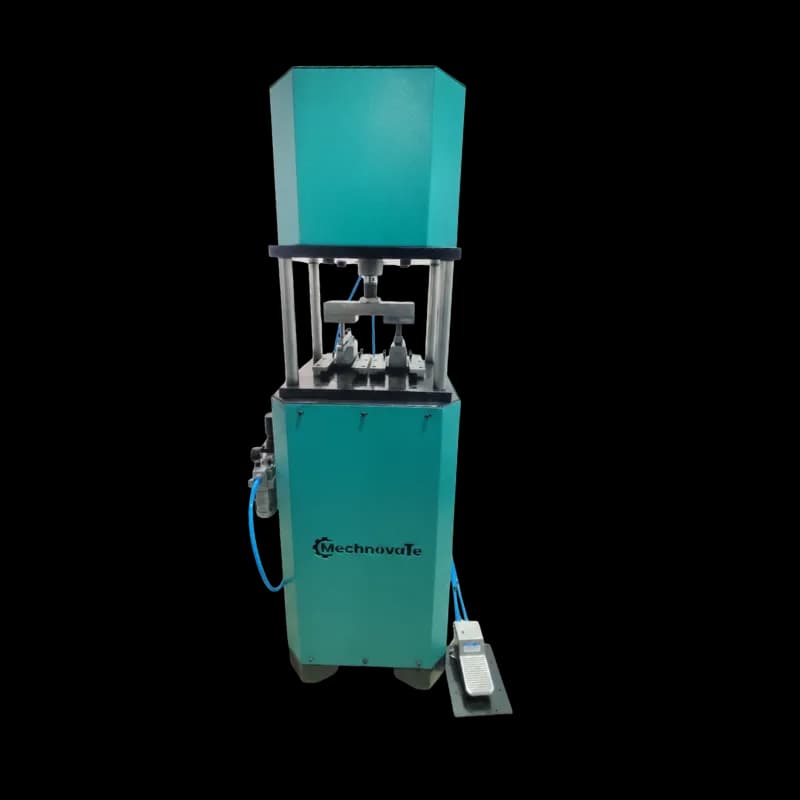
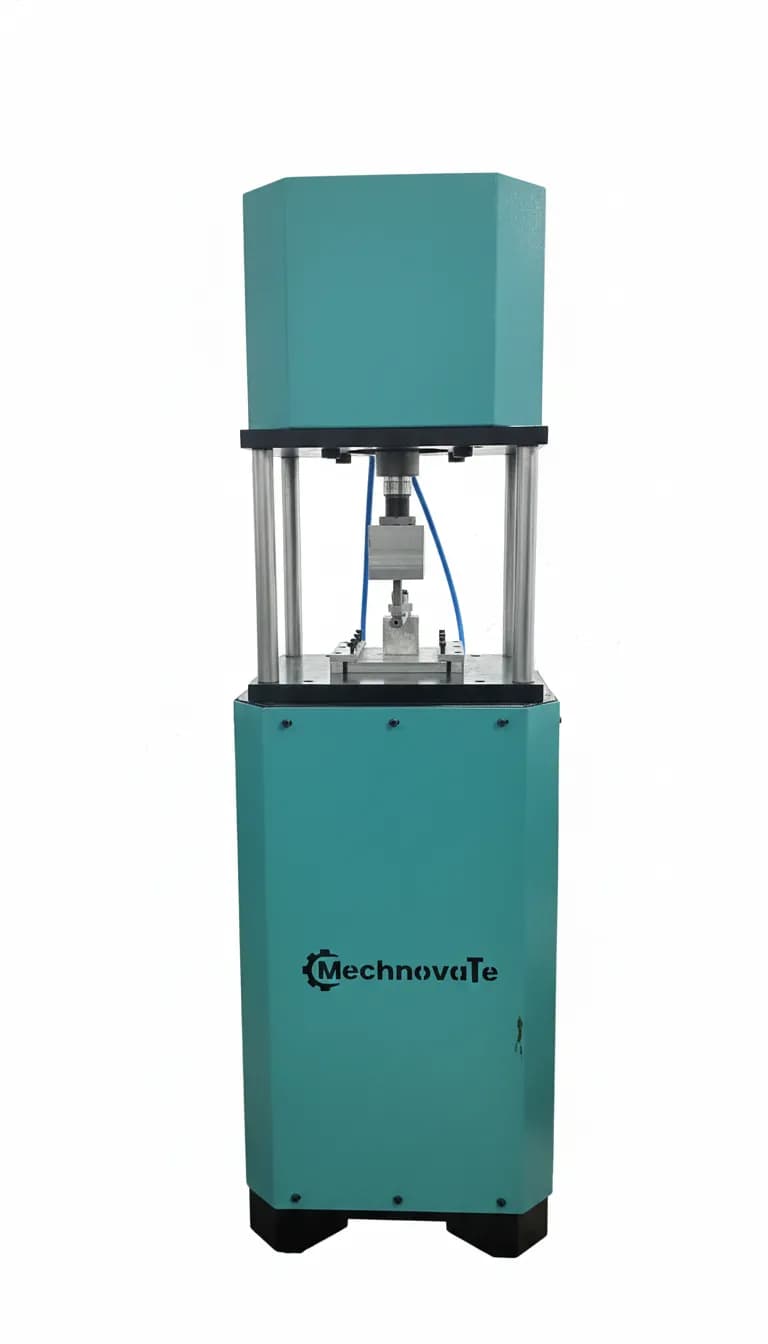
Aluminium Corner Crimping Machine Price Guide for Surat Fabricators
In Surat’s coastal environment, where wind speeds can reach 44 m/s (as per IS 875 Part 3), manual jointing methods for aluminium windows inevitably fail under cyclic pressure. If you are seeing light leaks or water penetration at the corners of your casement or sliding series, your manual punching process is likely the culprit. For Surat fabricators, upgrading to an Automatic Corner Crimping Machine is no longer a luxury; it is a structural necessity to ensure zero-gap integrity in high-rise installations.
Typically, an industrial-grade automatic aluminium corner crimping machine price in Gujarat ranges from ₹2,80,000 to ₹6,50,000, depending on the hydraulic tonnage and PLC automation features. This investment replaces the inconsistent manual punching machine approach with a high-pressure hydraulic system that cold-welds the profile and corner cleat into a single structural unit.
Why Manual Punching Fails in High-Wind Load Zones
Precision engineering in aluminium fabrication requires more than just a clean cut. When using a Single Head Cutting Machine, the 45-degree miter must be perfectly matched by a crimping force that exceeds the yield strength of the alloy. In my 15 years on the shop floor, I have seen hundreds of frames fail because the fabricator relied on manual screws or light-duty punching.
Manual methods provide inconsistent torque, leading to 'joint relaxation' over time. An automatic crimper uses a synchronized hydraulic system to drive two knives into the profile simultaneously. This creates a mechanical interlock with the internal cleat that can withstand the negative pressure experienced on the 20th floor of a Surat high-rise. We recently audited a facility in Udhna and found that switching from manual joining to automatic crimping reduced air infiltration test failures by 94%.
Case Study: Performance Metrics in a Surat-Based Facility
Last year, we assisted a mid-sized fabricator in Surat who was struggling with a 15% rework rate on a premium hotel project. They were using traditional methods that left 0.5mm to 1.0mm gaps at the miters. We implemented a 6-week trial using a high-pressure Heavy Duty End Milling Machine for transom preparation followed by our automatic corner crimper.
The Results:
- Waste Reduction: Cutting and joining waste dropped from 12% to 2.5% due to precision alignment.
- Output Increase: The facility moved from 35 frames per 8-hour shift to 110 frames per shift.
- Joint Strength: Lab tests showed a 40% increase in corner shear strength compared to manual screw-and-plug methods.
- Consistency: The hydraulic pressure was locked at 12 bar, ensuring every joint from the first to the hundredth was identical.
Technical Specifications and Engineering Standards
When evaluating an aluminium window corner crimping machine price, you must look beyond the sticker and into the technical assembly. A machine is only as good as its hydraulic stability. Look for these specific engineering markers:
- Hydraulic Cylinder Stroke: Minimum 80mm to 100mm to accommodate wider thermal-break profiles.
- Knife Adjustment: Look for micrometric scales that allow adjustments of 0.1mm. This is vital for different profile wall thicknesses (1.2mm to 2.5mm).
- Logic Control: Ensure the machine uses a branded PLC (like Schneider or Delta) rather than simple relay logic to prevent 'bounce' during the crimping cycle.
- Material Compatibility: The machine must handle T6 temper alloys without cracking the profile surface.
For those also handling uPVC, the requirements differ significantly. While aluminium requires high-pressure crimping, a uPVC Welding Machine uses heat fusion. It is a common mistake for startups to think one machine can be modified for both; the physics of the materials are fundamentally different.
Price Breakdown: Setting up an Aluminium Window Production Line in Surat
If you are calculating the cost of setting up uPVC window manufacturing unit in India or an aluminium line in Gujarat, the corner crimper is your second most expensive asset after the cutting saw. Here is a realistic budget for a Surat-based setup:
- Entry-Level (Startup): ₹2.5L - ₹3.2L. Suitable for residential windows with profile widths up to 60mm.
- Professional Series: ₹3.5L - ₹4.8L. Includes wider support arms and higher hydraulic tonnage (up to 5 tons). Best for commercial projects.
- Industrial CNC-Linked: ₹5.5L+. Features automatic knife positioning and is ideal for high-volume factories serving the Mumbai-Surat corridor.
Remember, the aluminium cutting machine price is only half the battle. If your cutting machine 12 inch blade creates a burr, even the best crimper won't fix the joint. Always pair your crimper with a high-speed aluminium profile cutting machine that uses carbide-tipped blades for burr-free finishes.
Common Mistakes and Maintenance Tips
Most technical failures we see in Surat are due to poor maintenance of the hydraulic system. The high humidity in Gujarat can lead to moisture contamination in the hydraulic oil.
- Oil Grade: Always use ISO VG 46 hydraulic oil. Never mix grades.
- Knife Sharpening: Dull knives don't 'bite' the cleat; they crush the profile. Inspect knives every 5,000 cycles.
- Alignment Check: Use a precision square daily to ensure the 90-degree backing plates haven't shifted due to vibration.
- Pressure Calibration: Periodically check the analog gauge against a calibrated digital master to ensure 10 bar actually means 10 bar.
FAQ: Questions Surat Fabricators Often Ask
Q1: Can I use one crimper for all profile brands like Hindalco, Jindal, and Geeta? Yes, but you will need to adjust the knife height and depth for each series. Look for machines with 'quick-change' knife sets to minimize downtime between different profile sections.
Q2: Is a single-head or double-head crimper better for a Surat startup? A single-head automatic corner crimping machine is the industry standard for 90% of fabricators. Double-head machines are significantly more expensive and are only required for massive repetitive window sizes in factory-controlled environments.
Q3: Does the automatic aluminium window production line price include installation and training? At Mechnovate, we always include onsite calibration and operator training. In Surat, where skilled labor can be transitory, having a machine that is easy to re-calibrate is essential for maintaining quality standards.
Q4: How does the corner crimper handle thermal break profiles? Thermal break profiles require lower initial pressure to avoid damaging the polyamide strip, followed by a high-pressure 'set'. Ensure your machine has a dual-stage pressure regulator if you plan to move into the premium thermal-break market.
Get more articles like this
Follow Mechnovate on Google to see our guides in Google Discover & News