Ahmedabad Fabricator Guide: Manual vs Automatic Aluminum Lines
Deciding Between Manual and Automatic Machinery in Ahmedabad
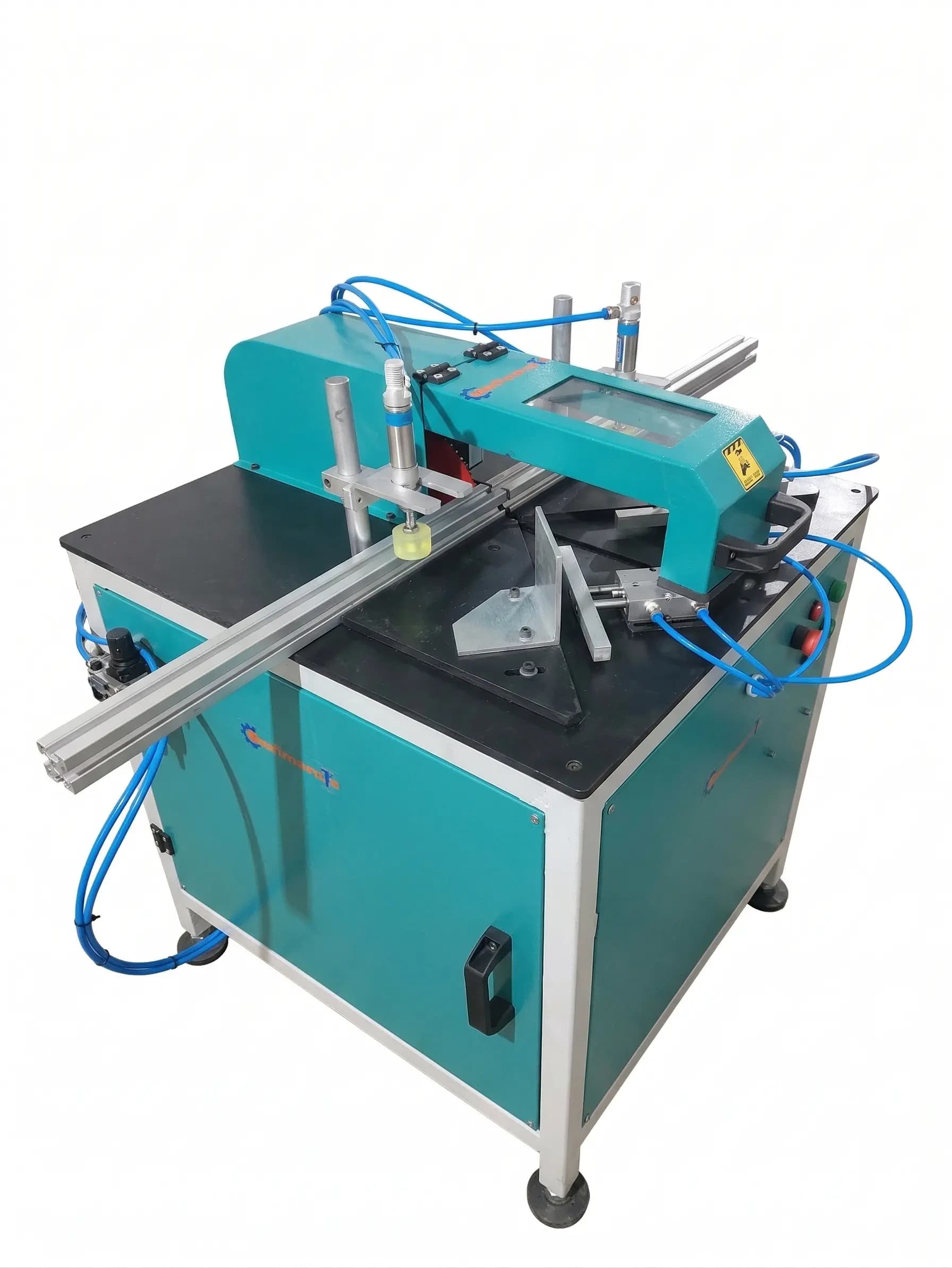
Deciding between a manual and an automatic production line in the Ahmedabad market comes down to one metric: linear meters of profile processed per 8-hour shift. If your workshop is currently processing fewer than 15 windows a day, a manual setup involving a high-quality Single Head Cutting Machine and manual punching tools is often the most cost-effective entry point. However, once your volume exceeds 25 units per day, the labor costs, material wastage, and inconsistency of manual measurement begin to erode your margins. As senior engineers who have set up dozens of units across GIDC Vatva and Odhav, we see fabricators struggle with the 'threshold gap'—where they have too much work for manual tools but fear the capital expenditure of a full CNC line.
The Technical Reality: Specs That Matter for Gujarat Fabricators
When evaluating aluminium window machinery manufacturers in Ahmedabad Gujarat, you must look beyond the price tag and analyze the engineering specifications. For instance, a standard Automatic Double Head Cutting Machine should feature a hydro-pneumatic feed system. Why? Because a purely pneumatic feed often 'stutters' when hitting the thick walls of architectural profiles (1.8mm to 2.5mm), leading to burrs and poor surface finish.
- Blade Diameter: Look for 500mm blades rather than the standard 400mm if you plan on cutting curtain wall profiles.
- RPM and Power: A 2.2kW motor running at 2800 RPM is the industry benchmark for clean cuts in 6063-T6 aluminium.
- Positioning Accuracy: Automatic lines should offer a tolerance of +/- 0.1mm per meter, conforming to ISO 9001 standards.
- Air Pressure: Most automated upvc machinery and aluminium lines require a stable 6-8 bar pressure. In Gujarat's humid months, an air dryer is mandatory to prevent solenoid valve failure.
Case Study: Scaling a Workshop in GIDC Vatva
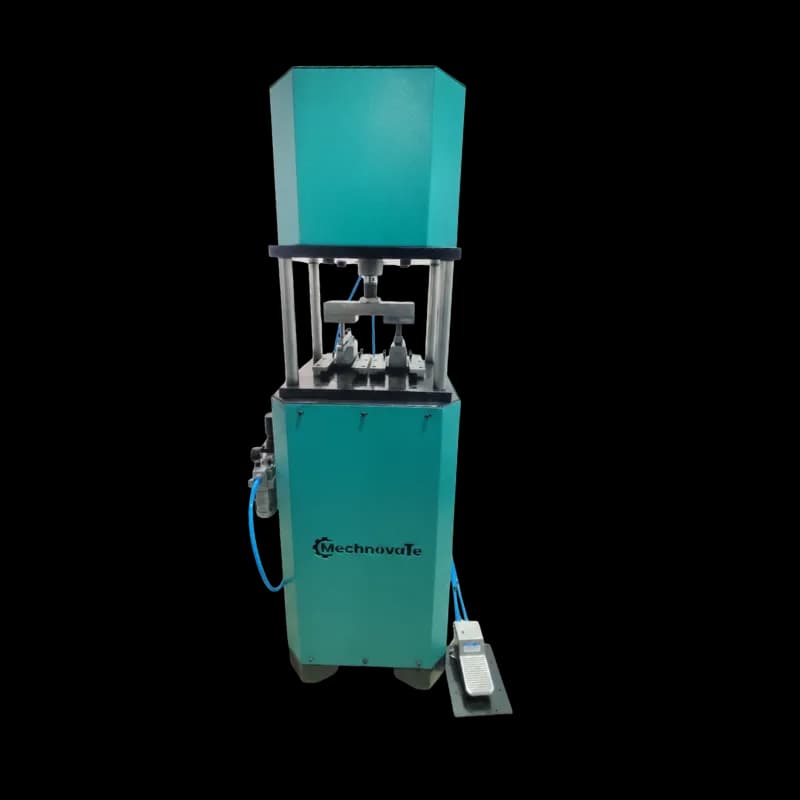
Last year, we consulted for a mid-sized fabricator in Ahmedabad using basic aluminium cutter machine 12 inch setups. They were losing 14% of their material to 'human error' measurements and re-cuts. We implemented a semi-automatic transition over 4 weeks. By introducing an Automatic Corner Crimping Machine and a digital length positioning system, the results were immediate:
- Wastage Reduction: Dropped from 14% to 2.8% within the first month.
- Output Increase: Jumped from 18 frames/day to 42 frames/day with the same 5-man crew.
- Accuracy: Eliminated the 2mm 'gap' issues in miter joints that were previously being filled with silicon, improving the final product's structural integrity.
This transition proved that the automatic aluminium window production line price is quickly offset by the savings in raw material alone, especially with the rising cost of aluminium ingots.
Common Mistakes When Buying Aluminium Window Machinery
In our 15+ years of experience, we have identified several recurring mistakes that Ahmedabad fabricators make when selecting aluminum window machine manufacturers in Ahmedabad:
- Under-speccing the Copy Router: Many buy a cheap manual punching machine for slots but find that for high-end thermal break profiles, only a high-speed Copy Router Machine can maintain the required tolerances without deforming the profile.
- Ignoring the Spindle Quality: Cheap machines use generic motors that overheat during Gujarat's 45°C summers. Always insist on Italian or high-end Indian spindles with thermal overload protection.
- Neglecting Local Support: Many fabricators buy imported machines only to find that getting a replacement sensor or solenoid valve takes three weeks. Always choose aluminium window machinery manufacturers in Surat Gujarat or Ahmedabad who maintain a local spare parts inventory.
Comparison: Manual vs. Automatic Workflow
| Feature | Manual Line (Entry Level) | Automatic Line (High Volume) |
|---|---|---|
| Cutting | Single head, manual measurement | Double head, CNC input |
| Punching | Hand-operated press | Pneumatic/Hydraulic Multi-station |
| Milling | Single spindle end miller | Automatic heavy-duty end milling |
| Joining | Mechanical cleats/screws | Automatic Corner Crimping |
| Labor Requirement | 6-8 Skilled Workers | 2-3 Operators |
Why Precision Engineering Trumps Low Initial Price
As a uPVC machinery manufacturer and aluminium specialist, we often see clients focus on the upvc machine price list rather than the TCO (Total Cost of Ownership). A machine that costs 20% less but breaks down twice a month costs you ten times more in lost production. For example, using a 45 degree double head cutting machine ensures that every miter is perfect, reducing the time spent on the assembly floor. This is critical when working with strict Indian Standards like IS 1285 for extruded sections. If the miter is off by even 0.5 degrees, the weather stripping will not seat correctly, leading to water leakage complaints from your clients.
FAQ: Scaling Your Fabrication Unit
Q1: Is it worth buying used machinery to save on the initial automatic aluminium window production line price? Generally, no. Used machines often have worn-out guide rails and fatigued pneumatic seals. The cost of refurbishing these to meet +/- 0.2mm tolerances usually exceeds the savings. New machines also come with warranties and updated safety features like induction-hardened beds.
Q2: What is the minimum power requirement for a full automatic line? A typical automatic line including a double head saw, crimper, and copy router requires a 15-20 HP connected load. We recommend a dedicated transformer or a heavy-duty stabilizer to handle voltage fluctuations common in industrial areas.
Q3: Can one machine handle both uPVC and Aluminium? While a upvc windows manufacturing machine like a cutting saw can technically cut aluminium with the right blade, the RPM requirements differ. Aluminium needs higher torque and specific lubrication systems that standard uPVC-only machines lack. It is always better to have dedicated lines to avoid cross-contamination of metal shavings in uPVC welds.
Get more articles like this
Follow Mechnovate on Google to see our guides in Google Discover & News