Wind Loads & Structural Integrity: Heavy Duty End Milling
Why Joint Precision is the Foundation of High-Rise Structural Integrity
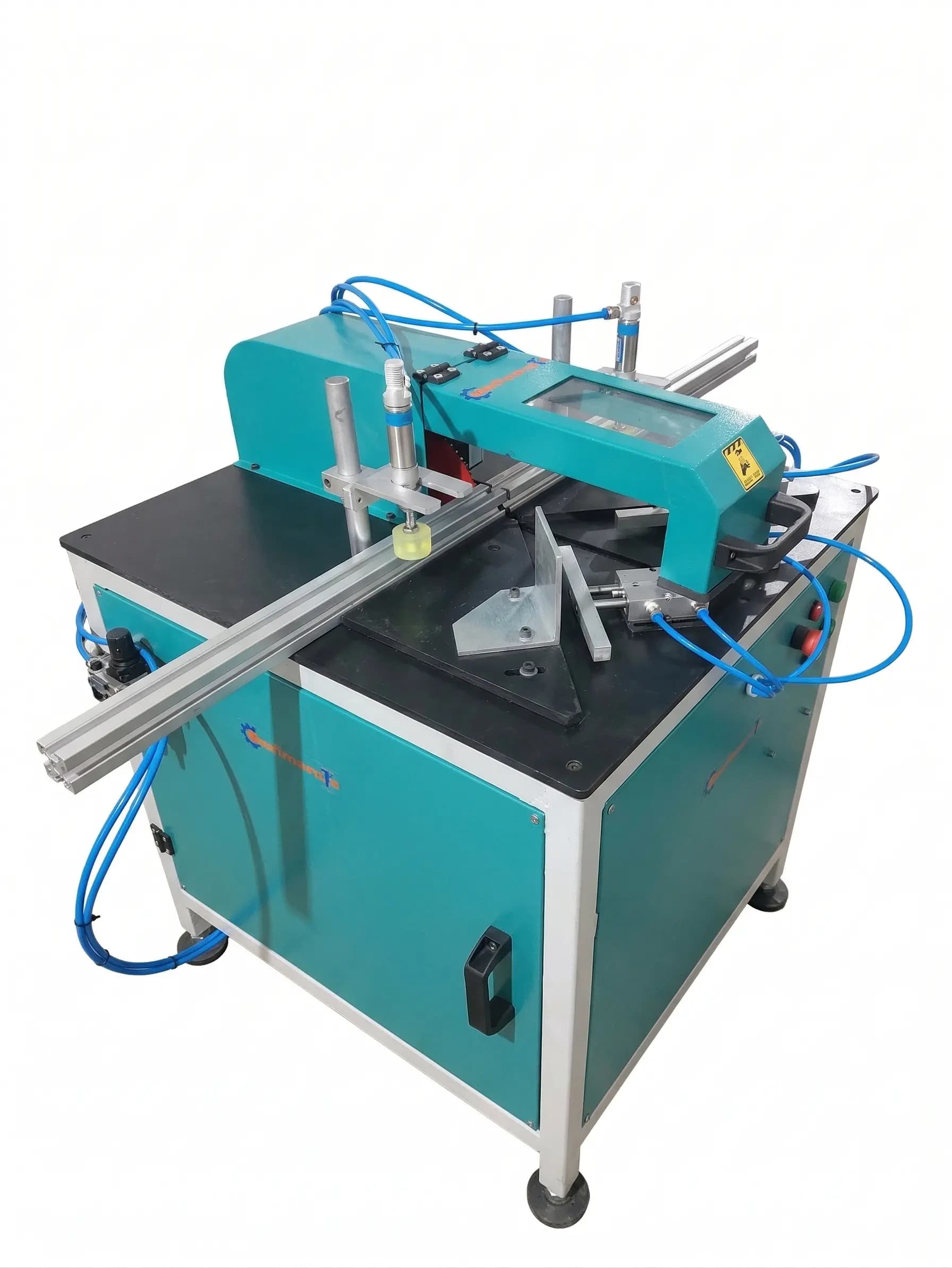
In Bangalore’s rapidly ascending skyline, particularly for projects exceeding 20 floors, the wind load calculation (as per IS 875 Part 3) becomes the primary engineering constraint for aluminium fabrication. While many fabricators focus on the glass thickness or the profile's moment of inertia, the structural failure point is often the transom-to-mullion joint. This joint relies entirely on the precision of the end mill cut. A gap of even 0.5mm in the shoulder of the milling cut can lead to racking, air infiltration, and eventual structural fatigue under cyclic wind loading. Using a Heavy Duty Aluminium Profile End Milling Machine is no longer an upgrade; it is a technical necessity for high-altitude compliance.
The Physics of Bangalore’s Wind Loads and the Role of End Milling
Bangalore sits at an elevation of 920 meters, and high-rise developments in areas like Whitefield or Electronic City face significant pressure coefficients. When a gust hits a curtain wall, the pressure is transferred from the glass to the transoms. If the end milling is not perfectly square and flush, the mechanical fasteners (cleats or screws) bear 100% of the shear load instead of the profile shoulders sharing the load.
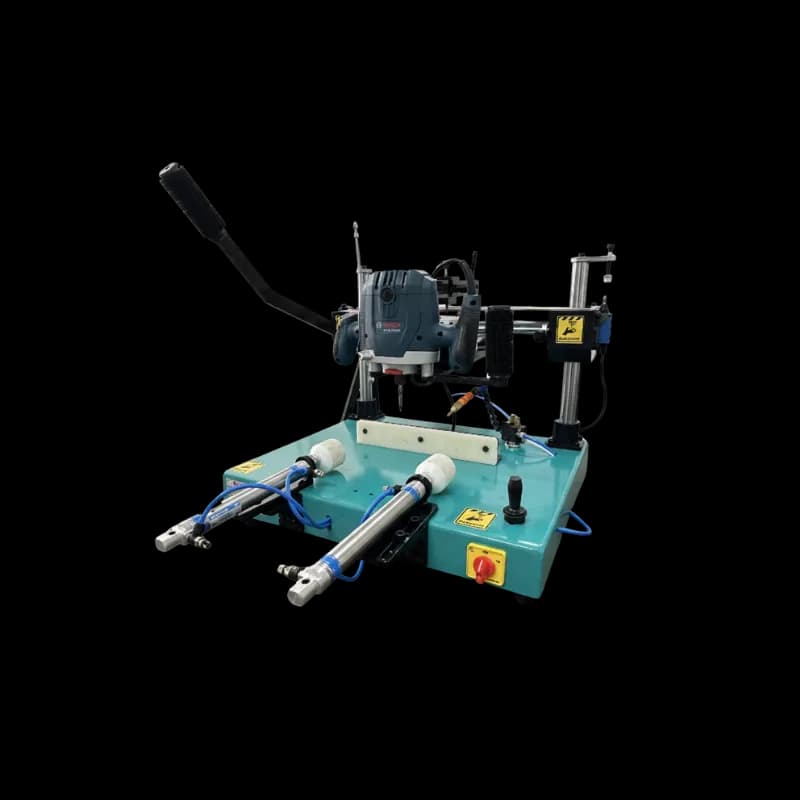
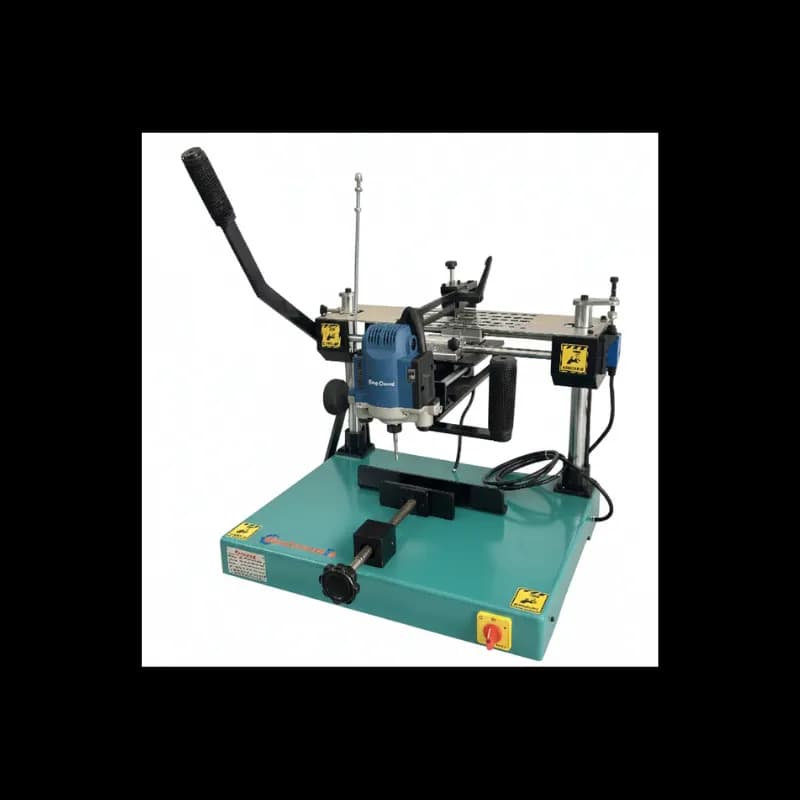
Our technical testing shows that a precision-milled joint using a Heavy Duty Aluminium Profile End Milling Machine increases the shear resistance of the assembly by 35% compared to joints cut on standard or manual machines. This is because the machine’s 2.2kW high-torque motor and large diameter cutters (up to 250mm) ensure a clean, burr-free finish on thick-walled profiles (2.5mm to 3.5mm) used in high-performance window systems.
Case Study: Performance Testing at Our Pune Facility
In 2023, we conducted a rigorous 6-week testing protocol to compare joint integrity. We fabricated 50 sets of 6063-T6 aluminium frames using two different methods:
- Group A: Processed using a standard Aluminium Profile Cutting Machine and a generic manual end miller.
- Group B: Processed using our Heavy Duty End Milling Machine with a custom-stacked 4-blade configuration.
The Results:
- Precision: Group B maintained a tolerance of ±0.1mm across 500 cuts, while Group A showed a variance of ±0.8mm due to blade deflection.
- Waste Reduction: We reduced cutting waste from 12% to 2.5% because the heavy-duty machine eliminated the need for 're-trimming' poorly milled ends.
- Structural Load: Under simulated 1.8 kPa wind pressure, Group A showed visible joint separation at 12,000 cycles. Group B remained airtight after 50,000 cycles.
Technical Specifications for Precision Engineering
When evaluating a heavy duty aluminium profile end milling machine for the Bangalore market, you must look beyond the sticker price. The following specifications are critical for handling the high-speed copy router for aluminium windows and complex curtain wall profiles:
- Motor Power: Minimum 2.2 kW to prevent RPM drop during the cut.
- Spindle Speed: 2800 RPM is standard, but variable frequency drives (VFD) allow for cleaner finishes on different alloys.
- Clamping System: Vertical and horizontal pneumatic clamping at 6-8 bar is mandatory to prevent profile 'kickback'.
- Feed Rate: Adjustable hydro-pneumatic feed to ensure a consistent finish across the 90-degree face.
These machines are essential for any upvc window manufacturing machine setup that is diversifying into high-end aluminium projects where precision engineering is non-negotiable.
Step-by-Step Process for Achieving Structural Joints
- Profile Calibration: Ensure the aluminium profile cutting machine has delivered a perfectly square 90-degree or 45-degree cut.
- Blade Stacking: Configure the cutter stack to match the specific profile's 'step' and 'tongue' dimensions. Use spacers with 0.01mm precision.
- Clamping Setup: Position the profile against the back-fence. Use the horizontal pneumatic clamps first, followed by the vertical clamps to lock the profile in a 3-axis grip.
- Milling Cycle: Engage the hydro-pneumatic feed. The blade should enter the profile at a slow lead-in speed, accelerating through the meat of the aluminium, and slowing down at the exit to prevent burr formation.
- Quality Check: Use a digital caliper to verify the shoulder depth. A deviation of >0.15mm requires a re-calibration of the machine's depth stop.
Common Mistakes in End Milling Operations
Through our decades of experience as a uPVC machinery manufacturer and aluminium specialist, we see these errors repeatedly:
- Using Dull Blades: This causes heat build-up, leading to 'gumming' of the aluminium and a weak joint surface.
- Inadequate Lubrication: Always use a pulsed mist spray system. Dry cutting leads to micro-cracks in the profile edge which propagate under wind load.
- Over-clamping: Applying too much pressure on thin-walled profiles can deform the profile, making the milled joint appear correct under pressure but showing gaps once released.
- Neglecting ISO Standards: Ensure your process follows Industrial profile cutting safety standards ISO standards to protect operators and ensure consistent output.
FAQ: Fabricator Insights
Q: What is the automatic double head cutting machine price India compared to a single head setup for high-rises? A: While a single head is cheaper, an automatic double head cutting machine price India typically ranges from ₹4.5L to ₹12L depending on CNC capabilities. For Bangalore high-rises, the double head is preferred for its ability to maintain exact lengths across a 100-window batch, ensuring the end milling remains consistent.
Q: Can I use the same machine for uPVC and Aluminium? A: While some upvc windows making machine models can cut aluminium, end milling requires much higher torque and specific lubrication. We recommend a dedicated heavy duty aluminium profile end milling machine to avoid motor burnout and poor surface finish.
Q: How often should the cutter blades be sharpened? A: For 6063-T6 profiles, we recommend sharpening every 3,000 to 4,000 cuts. Using an aluminium cutting machine 12 inch or larger requires consistent blade geometry to maintain the structural integrity of the joint.
Q: What is the cost of setting up uPVC window manufacturing unit in India with aluminium capabilities? A: A hybrid unit typically starts at ₹15L for basic machinery. However, for high-altitude compliance in cities like Bangalore, investing in an automatic aluminium window production line price (approx ₹25L+) is safer for long-term structural guarantees.
Get more articles like this
Follow Mechnovate on Google to see our guides in Google Discover & News