Why Kanpur uPVC Fabricators Upgrade to Seamless Welding Machines
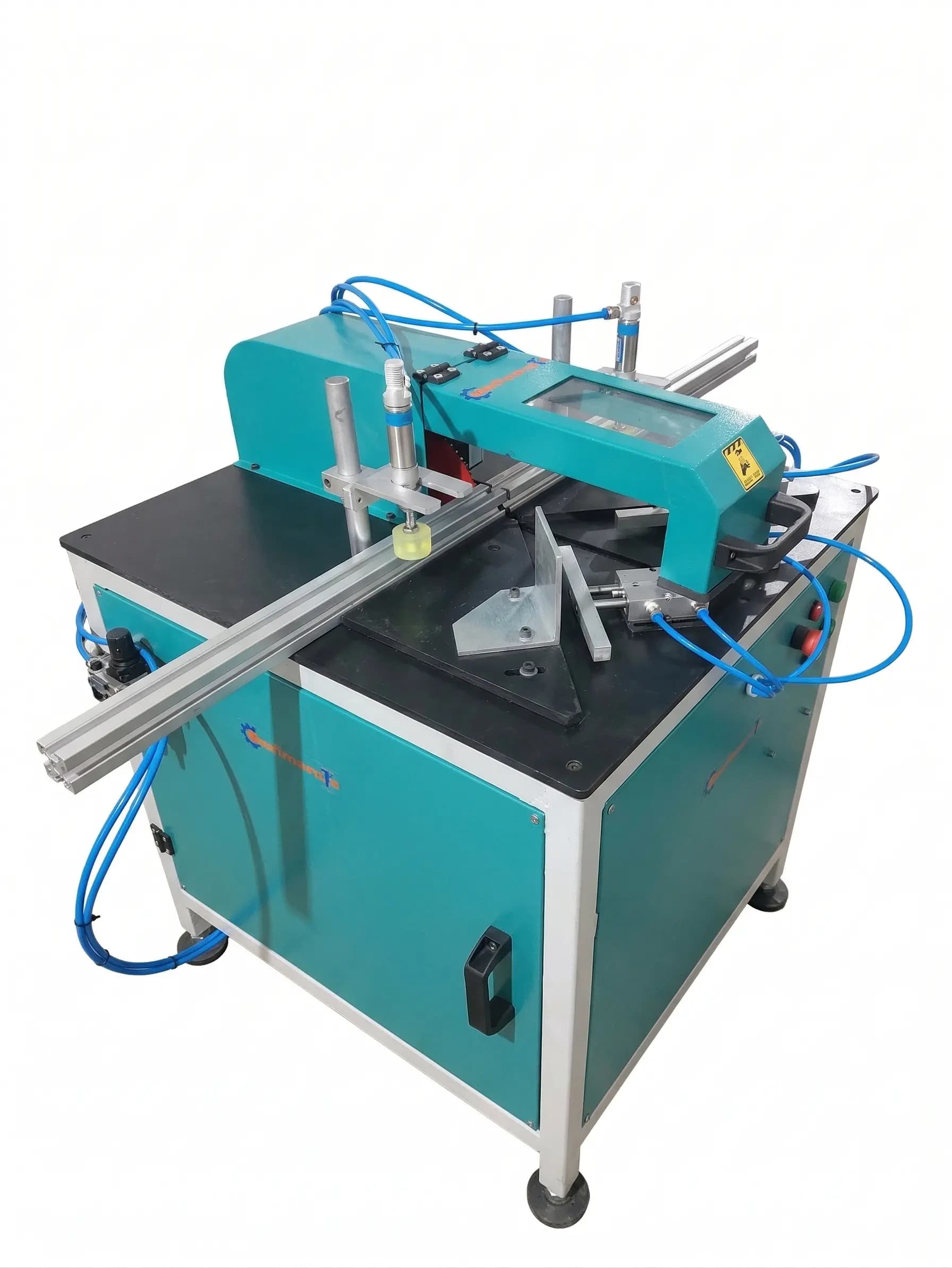
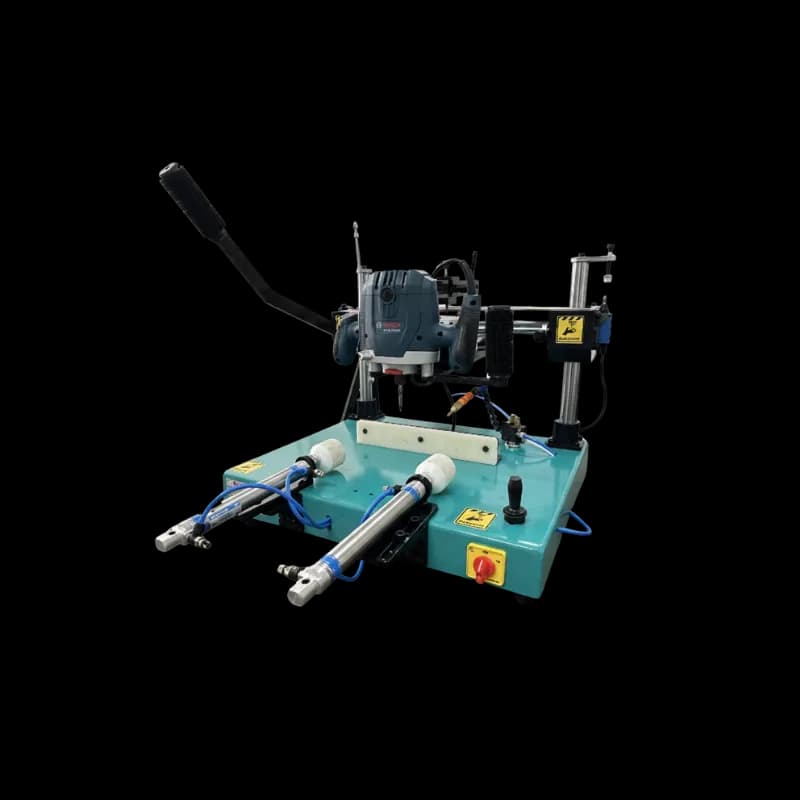
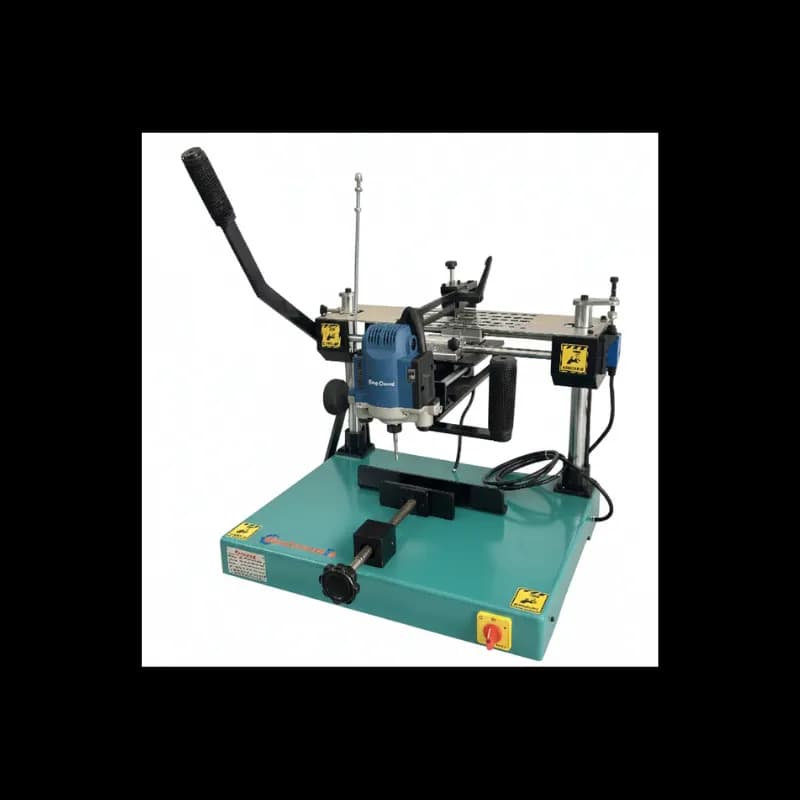
Fabricators in Kanpur industrial hubs like Panki and Dada Nagar are facing a shift in market demand where 'standard' corner joints are no longer acceptable for premium residential projects. The transition to a Double Head Seamless Welding Machine solves the primary bottleneck in uPVC fabrication: the labor-intensive corner cleaning process. In our testing at the Mechnovate facility, we compared traditional welding against seamless technology and found that seamless welding eliminates the need for manual CNC corner cleaning entirely, reducing the total fabrication time per window frame by approximately 4.5 minutes. This efficiency gain is critical for businesses looking to scale their upvc window manufacturing machinery setup. ## The Engineering Logic Behind Seamless Welding Technology Unlike a standard upvc welding machine that creates a 'bead' or 'burr' of melted plastic that must be later grooved out, the seamless process utilizes a specialized clamping and heating sequence. The machine uses a 0.2mm limited welding technology where the profiles are pressed together with such precision that the melt is forced inward or restricted by precision-ground knives. This results in a joint that is structurally superior, meeting IS 1285 and BS EN 12020 standards for corner strength while maintaining a perfectly flush surface. For Kanpur's humid climate, which can affect profile expansion, this precision is vital. The machine operates at a heating temperature of 240 to 260 degrees Celsius with a melt allowance of exactly 2.5mm to 3mm per side. Using a uPVC Cutting Machine with a high-grade 500mm saw blade ensures the initial 45-degree miter is perfect, which is a prerequisite for a clean seamless weld. ## Case Study: Increasing Output in a Kanpur Fabrication Unit Last year, we assisted a mid-sized firm in Kanpur that was struggling with a 12% rejection rate on laminated profiles due to visible white lines at the joints after grooving. By implementing a fully automatic uPVC window manufacturing unit cost-effectively, they transitioned to a double-head seamless system. Over a six-week monitoring period, we recorded the following results: 1. Corner cleaning labor was reduced from 4 workers to 1 quality checker. 2. Daily output increased from 35 frames to 58 frames using the same floor space. 3. Aesthetic rejection rate dropped to 0.5%. 4. Production lead time for a standard 3BHK project fell by 2 days. The owner noted that the ability to offer 'zero-joint' windows allowed them to secure contracts for luxury apartments in Civil Lines that were previously out of reach. This proves that investing in high-quality upvc windows machines is not just a capital expense but a strategic market entry move. ## 5 Critical Technical Specifications for Kanpur Fabricators When evaluating a upvc window manufacturing machine, senior engineers should look beyond the price list. 1. Profile Clamping Pressure: Ensure the machine provides at least 0.4 to 0.6 MPa (4-6 bar) of stable air pressure. 2. Heating Plate Uniformity: The temperature variance across the plate should not exceed 2 degrees Celsius to prevent brittle joints. 3. Knife Hardness: High-quality seamless machines use HSS or tungsten carbide tipped knives to maintain the 0.2mm seam over thousands of cycles. 4. PLC Control Systems: Look for Omron or Delta PLC systems that allow for micro-adjustments to the melting and cooling timers. 5. Power Compatibility: Given Kanpur's industrial power fluctuations, a machine with built-in surge protection and 3.5 kW to 4.5 kW total power consumption is ideal. We often recommend pairing this with a Copy Router Machine to ensure all hardware slots are as precise as the corner joints. ## Common Mistakes and Maintenance Lessons Learned One of the biggest mistakes we see in the field is neglecting the Teflon cloth on the heating plates. In a high-volume Kanpur factory, the Teflon should be inspected daily; any carbon buildup will transfer to the uPVC profile, causing a dark 'burn' line that ruins the seamless effect. Another issue is the mismatch between profile wall thickness and machine settings. If you are using a 2.5mm wall thickness profile but the machine is calibrated for 2.0mm, the 'seamless' joint will actually overflow. Always calibrate your melt timers based on the specific brand of profile you are running. For those transitioning from aluminium fabrication, remember that uPVC requires different feed rates and pressure settings than a standard aluminum cutting machine. ## Frequently Asked Questions (FAQ) Q: Is a seamless welding machine much more expensive than a standard one? A: While the initial automatic double head cutting machine price India and welding machine costs are higher, the ROI is usually achieved within 8-10 months through labor savings and the ability to charge a 15% premium for seamless finishes. Q: Can I weld both white and laminated profiles on the same seamless machine? A: Yes, that is the primary advantage. On white profiles, it eliminates the groove; on laminated (colored) profiles, it eliminates the white line showing through, which is a common complaint in upvc windows machinery operations. Q: What is the maintenance schedule for a Double Head Seamless Welding Machine? A: Daily cleaning of the heating plates, weekly lubrication of the linear guide rails, and a monthly check of the pneumatic moisture traps. This ensures your upvc window machine remains accurate within 0.1mm tolerances.
Get more articles like this
Follow Mechnovate on Google to see our guides in Google Discover & News