Setup Cost: High-Capacity uPVC Window Unit in Mumbai
Setting up a high-capacity uPVC window manufacturing unit in Mumbai’s industrial corridors—ranging from Bhiwandi to Vasai and Rabale—requires a capital investment of ₹25 Lakhs to ₹85 Lakhs for the machinery alone. In my 15 years of commissioning plants across Maharashtra, I’ve seen that the primary cost driver isn’t just the sticker price of the equipment, but the integration of high-speed automation to offset Mumbai’s high labor and real estate costs. A high-capacity line producing 60-80 windows per 8-hour shift necessitates a shift from manual standalone machines to a synchronized uPVC window manufacturing machine workflow.
Technical Breakdown of Automatic uPVC Window Plant Cost India
When calculating the automatic upvc window plant cost India, fabricators must account for the specific demands of the Mumbai climate. High humidity and salinity require machines with corrosion-resistant components and robust pneumatic systems. For a high-capacity setup, the core machinery stack includes:
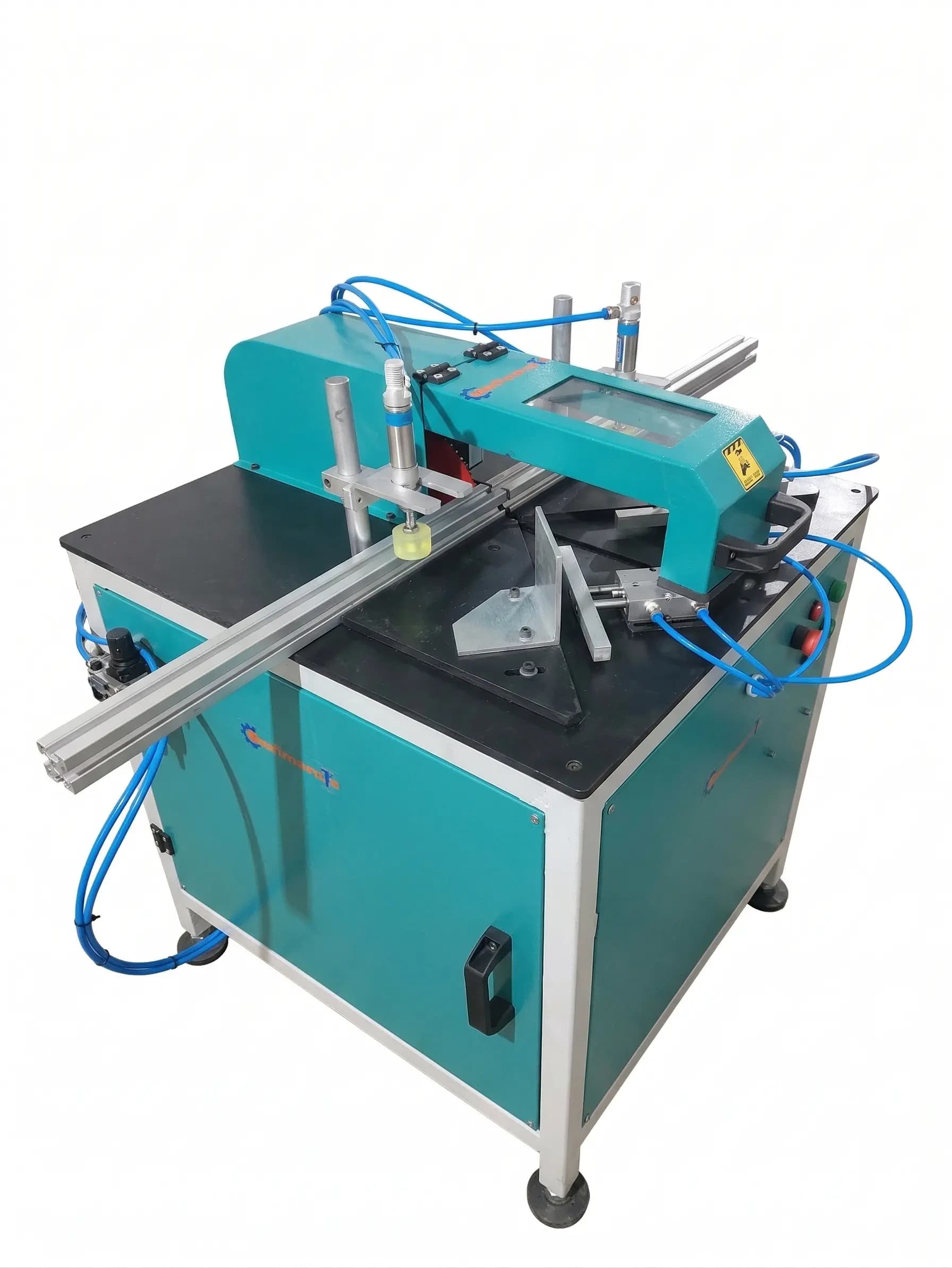
- Automatic Double Head Cutting Saw: This is the heart of the plant. A precision 45/90-degree upvc windows making machine with 500mm or 600mm blades is essential for handling multi-chamber profiles without deformation. Expect to budget between ₹8 Lakhs and ₹15 Lakhs for a high-accuracy CNC model.
- Four-Head or Two-Head Seamless Welding Machine: To maintain a high output, a upvc welding machine with PLC control is non-negotiable. Seamless welding eliminates the need for manual corner cleaning on the exterior face, saving approximately 4 minutes per frame.
- CNC Corner Cleaning Machine: High-capacity units cannot rely on manual chiseling. A 3-axis or 5-axis CNC cleaner ensures that the groove and outer surface are finished to ISO 9001 standards within 20-30 seconds.
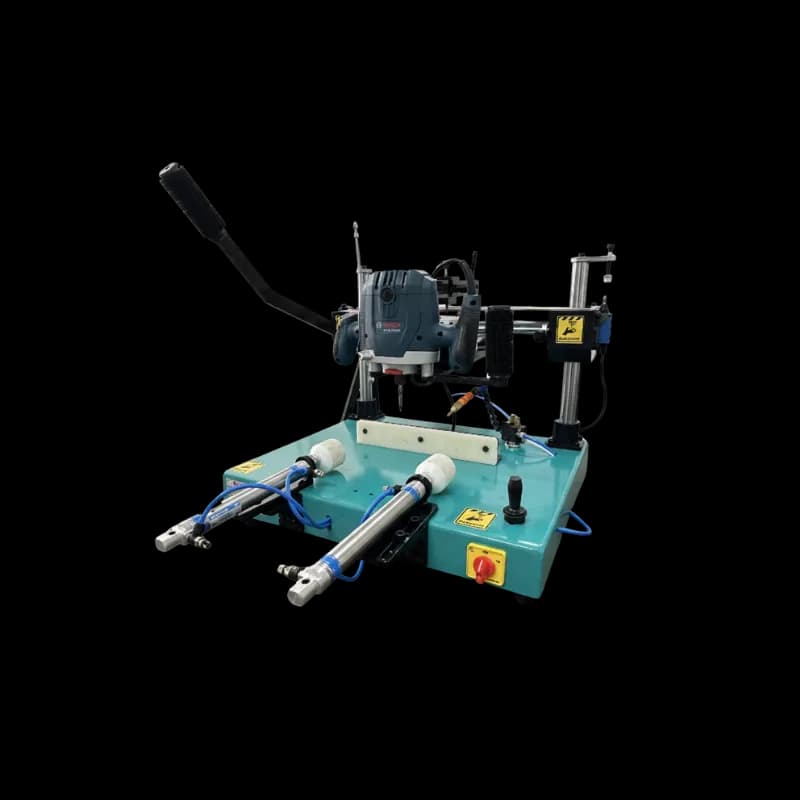
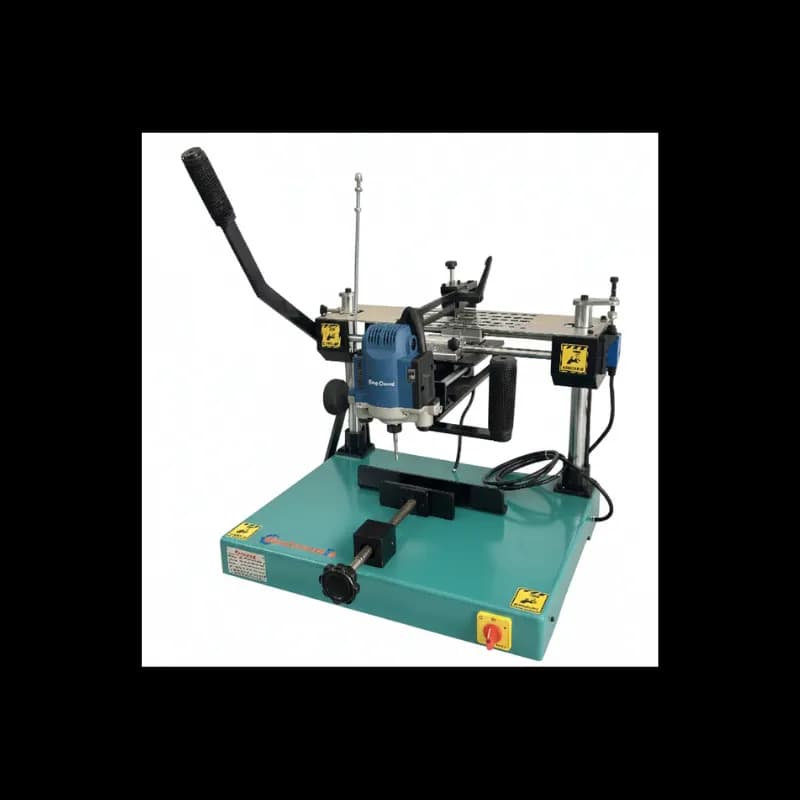
- Automatic Water Slot & Copy Router: High-speed copy routers for aluminium windows and uPVC profiles should operate at 12,000 RPM minimum to prevent melting the profile wall.
In our recent installation in a 4,000 sq. ft. facility in Taloja, we transitioned a client from a basic manual line to a semi-automatic setup. By introducing a double-head miter saw and a CNC cleaner, we reduced their frame rejection rate from 7% to less than 0.5% while increasing daily output by 45 frames.
Optimizing Floor Space in Mumbai’s Industrial Hubs
Real estate in Mumbai is a premium. Whether you are in the Bhiwandi logistics belt or the Vasai industrial estates, your floor plan must minimize the 'travel distance' of the profile. A 'U-Shaped' or 'Linear' flow is most efficient for a high-capacity upvc window manufacturing machine layout.
- Material Inflow: Racks for 6-meter uPVC profiles should be adjacent to the upvc cutting machine.
- Processing Zone: The cutting, water-slotting, and reinforcement insertion (using self-drilling screws) should form a tight cluster.
- Welding & Cooling: The upvc windows machine for welding requires a cooling buffer zone before it hits the corner cleaner.
- Assembly & Glazing: This requires the most floor space but the least power. Ensure your pneumatic glazing table is calibrated to handle heavy double-glazed units (DGU).
Precision Engineering and Calibration Standards
A common mistake I see among new fabricators is ignoring the calibration of the upvc windows manufacturing machine. If your 45-degree cut is off by even 0.2 degrees, the weld will be weak, and the frame will be out of square. We use digital angle protractors to verify the degree cutting machine every 500 cuts.
Furthermore, ensure your air compressor is rated for at least 10 bar pressure with a refrigerated air dryer. Moisture in the pneumatic lines is the number one cause of solenoid valve failure in the humid Mumbai climate. For a high-capacity plant, a 15 HP screw compressor is the industry standard to maintain consistent pressure for the upvc window making machine array.
Common Pitfalls and Expert Maintenance Tips
Based on a decade of troubleshooting in the field, here is what you must watch out for:
- Voltage Fluctuations: Mumbai’s industrial areas often face micro-surges. Always install a centralized 3-phase servo stabilizer for your CNC uPVC machinery to protect the PLC units.
- Tooling Sharpening: Don't push your blades. A dull aluminium cutter machine 12 inch blade will cause chipping in uPVC profiles. We recommend professional sharpening every 2,000 cuts for TCT blades.
- Scrap Management: High-capacity units generate significant off-cuts. Implement a strict sorting system. High-quality uPVC scrap can often be sold back to extruders, recovering about 2-3% of your material cost.
FAQ: Fabricator Concerns
Q1: What is the typical ROI for a fully automatic uPVC window manufacturing unit in Mumbai? With an average margin of 25-30% on premium window systems and the high demand in Mumbai’s real estate redevelopment sector, most well-managed units achieve ROI on machinery within 18 to 24 months.
Q2: Can I use an aluminium cutting machine for uPVC profiles? Yes, most high-quality aluminium profile cutting machine models are compatible with uPVC. However, the RPM settings and blade tooth count must be adjusted. uPVC requires a higher tooth count and slower feed rate to prevent cracking.
Q3: What certifications are required for the machinery? For high-capacity units supplying to major developers, your machines should be CE certified, and your manufacturing process should align with IS 1285 and BS EN 12020 standards to ensure structural integrity and wind load resistance.
Get more articles like this
Follow Mechnovate on Google to see our guides in Google Discover & News