Scaling uPVC Window Plant Cost & ROI in Chennai: Expert Guide
The Financial Reality of Scaling uPVC Production in Chennai
Setting up an automatic uPVC window manufacturing plant in Chennai's current residential boom requires a capital investment ranging from ₹18 Lakhs for a semi-automatic setup to ₹55 Lakhs for a fully CNC-integrated line. Based on our 15 years of engineering experience at Mechnovate, a mid-range automatic line typically pays for itself within 14 to 18 months when operating at 60% capacity. In the Chennai market, where high-rise developments in areas like OMR and Porur demand high-precision thermal efficiency, the shift from manual to automatic machinery is no longer optional for competitive bidding.
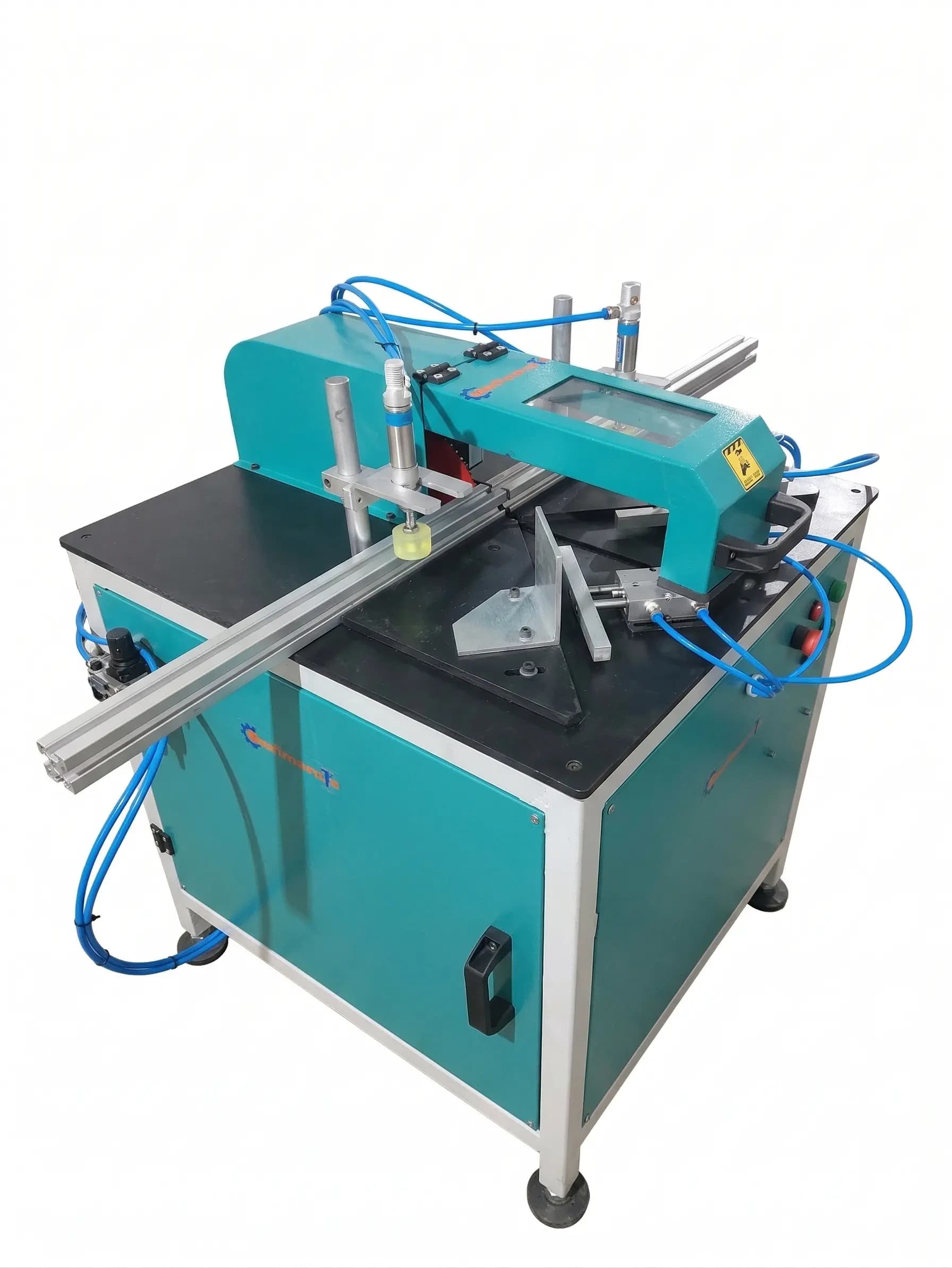
To achieve a sustainable ROI, your facility must focus on reducing the 'cost-per-frame' through precision engineering. By deploying an Automatic Double Head Cutting Machine, fabricators can reduce profile wastage by nearly 8%, which directly impacts the bottom line. Most startups fail by underestimating the importance of air pressure stability (requiring a consistent 6-8 bar) and electrical harmonics in industrial zones, which can degrade sensitive CNC components over time.
Case Study: Optimizing a Guindy-Based Fabrication Unit
Last year, we overhauled a facility in the Guindy Industrial Estate that was struggling with a 12% scrap rate and a daily output of only 20 window frames using manual tools. We implemented a synchronized line featuring a high-speed uPVC Seamless Welding Machine and a four-axis CNC corner cleaner. After 8 weeks of calibration and operator training, the results were measurable: waste dropped to 3.2%, and output surged to 75 frames per shift.
Before the upgrade, the client faced significant 're-work' costs due to 45-degree angle deviations exceeding 0.5mm. By switching to a precision-engineered Automatic uPVC Window Manufacturing Plant Cost India, we achieved a tolerance of ±0.1mm. This precision allowed the client to secure a Tier-1 developer contract that required strict compliance with ISO 9001 and BS EN 12020 standards for profile joinery strength.
Technical Specifications for Automatic uPVC Machinery
When evaluating a uPVC window manufacturing machine, engineering specifications must dictate the purchase, not just the price tag. For high-volume Chennai factories, we recommend the following minimum technical benchmarks:
- Cutting Precision: Use a 450mm or 500mm carbide-tipped blade with a feed speed of 2800 RPM to ensure burr-free edges on multi-chamber profiles.
- Welding Parameters: Look for a uPVC welding machine with a PLC-controlled heating time (usually 25-30 seconds) and a melting pressure of 0.4 to 0.6 MPa to ensure structural integrity.
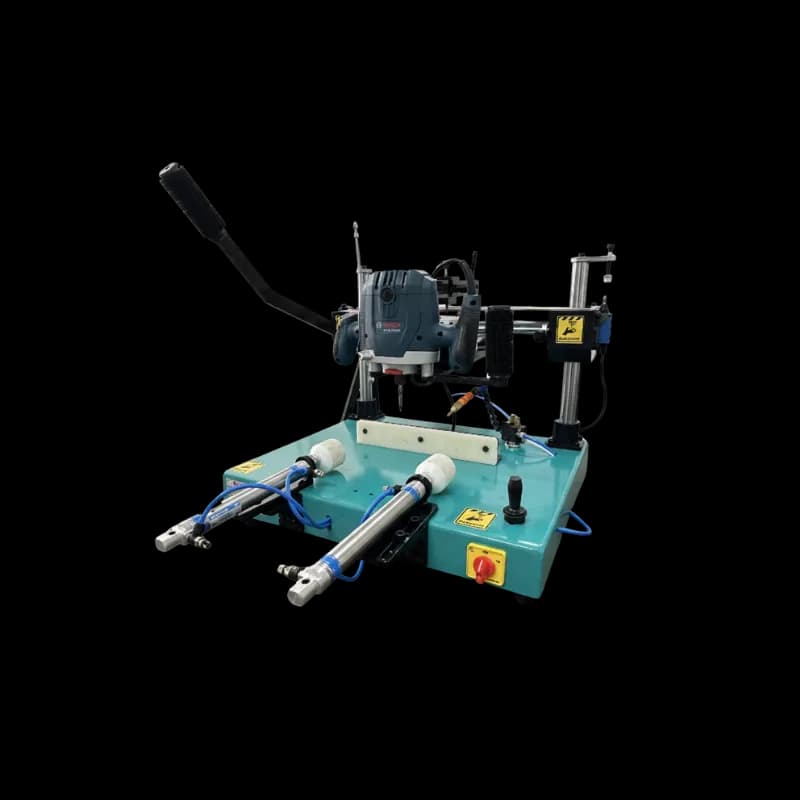
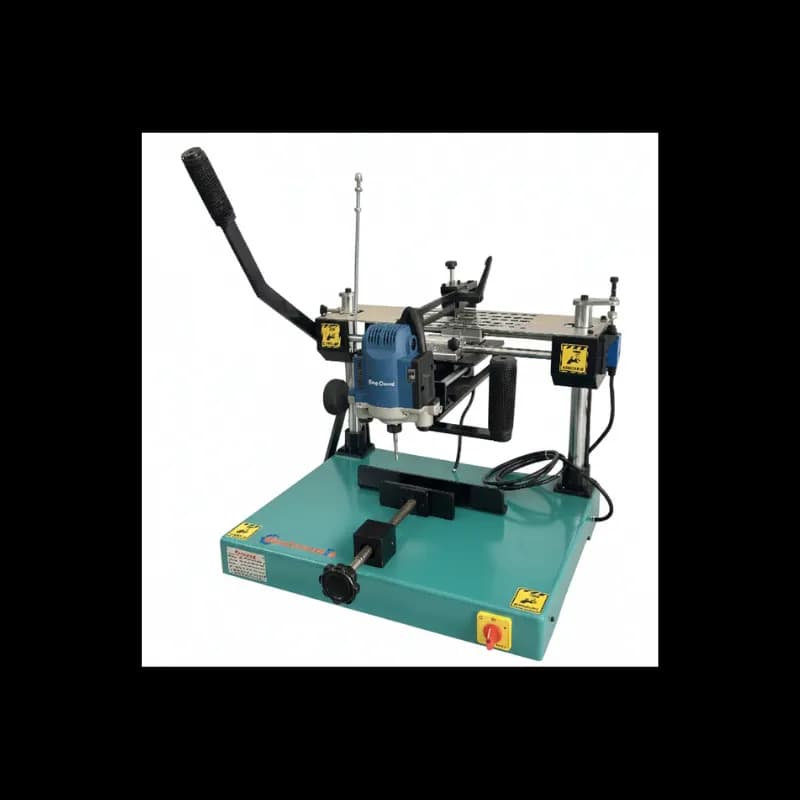
- Milling Accuracy: A high-speed copy router machine must operate at a minimum of 12,000 RPM to prevent the melting of uPVC during hardware slotting.
- Corner Cleaning: A CNC uPVC window corner cleaning machine price India often reflects the number of tools; seek a minimum 3-stack tool configuration to handle outer corners, top-bottom surfaces, and gasket grooves in a single cycle.
Strategic ROI Breakdown for Chennai Fabricators
The profitability of an automatic plant is tied to labor displacement and material yield. In a typical manual setup, you require 8-10 skilled laborers to produce 15 frames a day. With a fully automatic uPVC window manufacturing unit cost investment, 4 operators can produce 60+ frames. This 75% reduction in labor-per-unit cost is critical in South India, where skilled fabrication labor costs are rising by 12% annually.
- Monthly Output: 1,500 Frames
- Material Savings: ~₹45,000 (via precision upvc cutting machine software optimization)
- Labor Savings: ~₹1,20,000
- Total Monthly Margin Increase: ~₹1,65,000
Common Engineering Pitfalls to Avoid
One of the most frequent mistakes we see is the neglect of the pneumatic infrastructure. An aluminum cutting machine price might seem attractive, but if your compressor is undersized or lacks a refrigerated air dryer, moisture will enter the solenoid valves, leading to irregular clamping and expensive downtime. Always ensure your upvc window manufacturing machinery is serviced with a moisture-free air supply to protect the pneumatic cylinders.
Another critical error is mismatched blade selection. Using a blade designed for aluminium fabrication on uPVC without adjusting the tooth geometry leads to excessive heat buildup and 'welding' of the chip to the profile. Ensure your upvc window making machine price in Kolkata or Chennai includes a dedicated cooling system if you plan to switch between aluminium and uPVC profiles on the same line.
Essential Machinery Checklist for Scaling
To effectively scale your business in the Chennai residential corridor, your plant should ideally consist of these core components:
- Double Head Miter Saw: For simultaneous 45/90 degree cutting.
- Water Slot Milling Machine: Essential for drainage holes to prevent frame rot.
- End Milling Machine: For precise transom and mullion joinery.
- Automatic Corner Crimping Machine: If you are diversifying into the alu door fabrication machinery segment.
- Glazing Bead Saw: For final aesthetic finishing and glass security.
FAQ: Expert Insights for Fabricators
Q: What is the best uPVC window making machine for startup businesses in Chennai? A: For startups, we recommend a semi-automatic 3-machine starter pack: a single head cutting machine, a single head welder, and a portable corner cleaner. This keeps the upvc machine price list low while maintaining professional quality.
Q: How does Chennai's humidity affect uPVC window machinery? A: High humidity causes rapid oxidation of non-chrome plated parts and contaminates pneumatic lines. We advise using stainless steel fasteners and high-performance industrial lubricants specifically rated for coastal environments.
Q: Is it worth investing in a CNC uPVC window corner cleaning machine for a small plant? A: If your volume exceeds 30 windows per day, yes. A CNC uPVC window corner cleaning machine price India is justified by the elimination of manual filing, which is the primary cause of aesthetic complaints from high-end residential clients.
Get more articles like this
Follow Mechnovate on Google to see our guides in Google Discover & News