Scaling uPVC Window Making Machine Price & ROI in Kolkata
Direct Answer: Scaling uPVC Fabrication in Kolkata
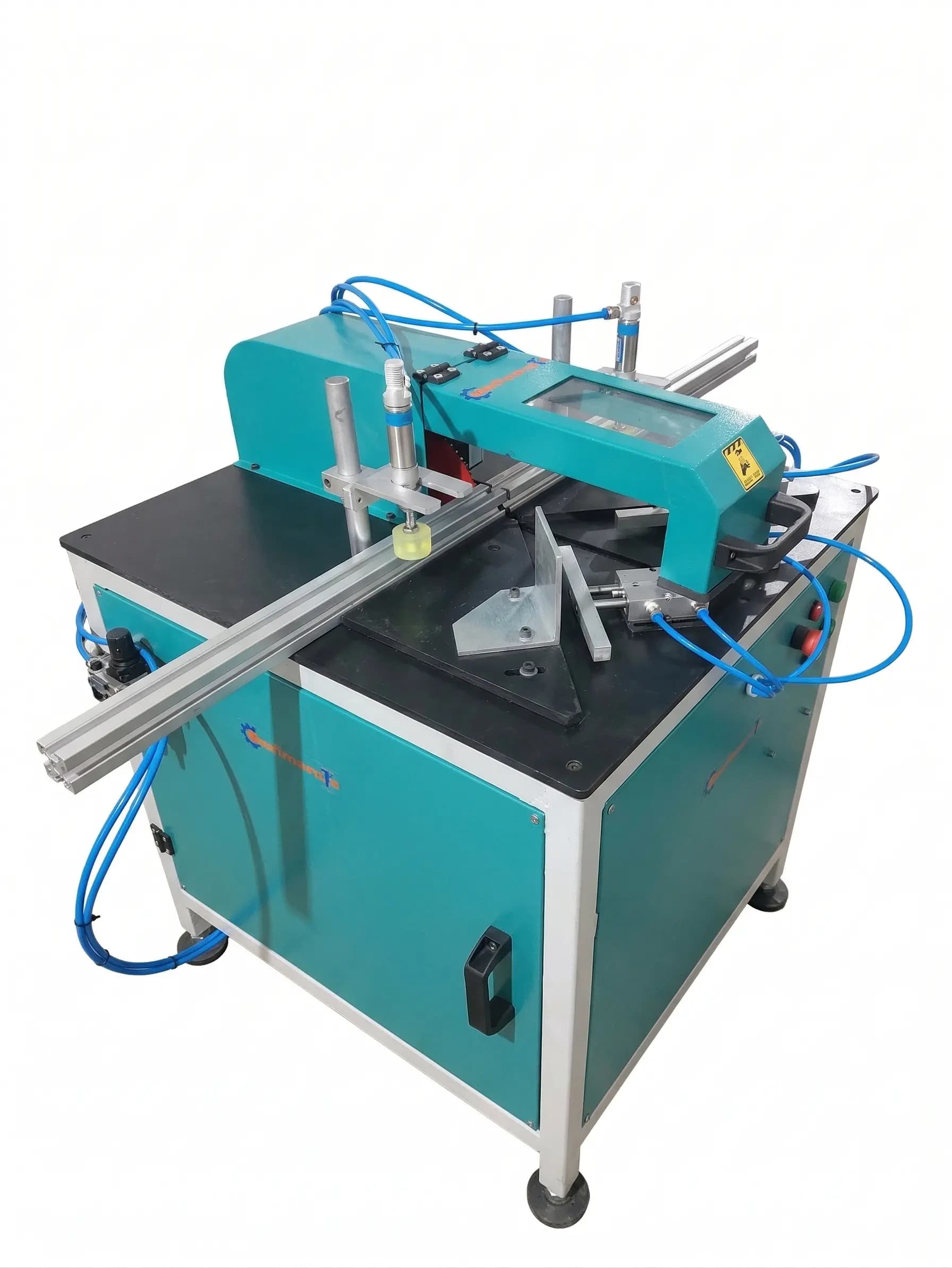
Scaling a uPVC fabrication unit in Kolkata’s high-rise market, particularly in hubs like New Town and Rajarhat, requires moving beyond entry-level manual tools to a semi-automated or fully automated production line. For a setup capable of delivering 40–60 windows per shift, the total uPVC window making machine price typically ranges from ₹8.5 Lakhs to ₹22 Lakhs depending on the level of CNC integration. If you are targeting Tier-1 developers, you cannot rely on manual miter boxes; you need the precision of a Double Head Miter Saw to maintain the 0.2mm tolerance required for airtight sealing in high-wind-load coastal environments.
Case Study: From 12 to 55 Units Daily in Howrah
Last year, we assisted a fabricator in Howrah who was struggling with a 14% rejection rate on a project for a 20-story residential tower. Their primary issue was corner strength and inconsistent welds. By replacing their generic 1.5kW single-head machines with a synchronized uPVC window making machine line, we transformed their output.
The Results:
- Cycle Time Reduction: Cutting time dropped from 4 minutes per frame to 45 seconds using an automatic double-head saw.
- Waste Management: Profile wastage was reduced from 9.5% to 2.8% by implementing software-linked cutting lists.
- Labor Optimization: The headcount for the welding and cleaning station was reduced from four workers to two while doubling output.
- Certification: They successfully passed BS EN 12608 corner strength tests, allowing them to bid for premium contracts in South Kolkata.
Technical Specifications for High-Output Workshops
As a senior engineer at Mechnovate, I emphasize that the motor and PLC are the heart of your workshop. When looking at an automatic double head cutting machine price India market offers, don't just compare the sticker price; compare the engineering specs.
- Cutting Precision: Ensure the saw utilizes a 450mm or 500mm TCT blade with a spindle speed of at least 2800 RPM. This prevents the profile from chipping at the edges.
- Welding Integrity: A high-quality uPVC welding machine must maintain a steady temperature of 245°C to 255°C. Cheaper controllers fluctuate by 10 degrees, which leads to brittle joints.
- Pneumatic Systems: Your workshop needs a consistent 6–8 bar pressure. We recommend high-flow valves to ensure the clamping pressure is uniform across the entire profile length, preventing bowing during the weld.
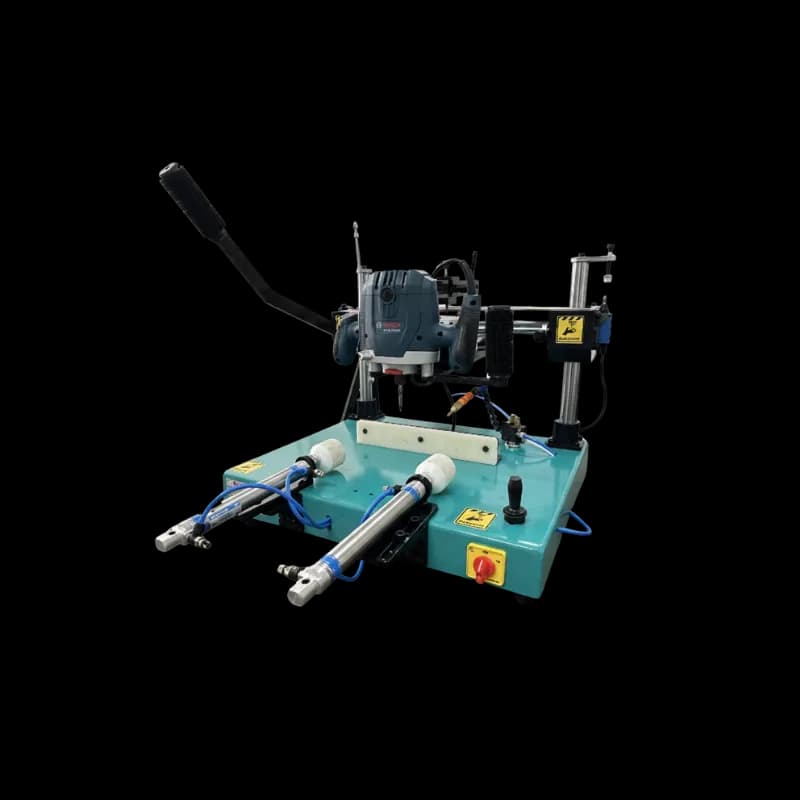
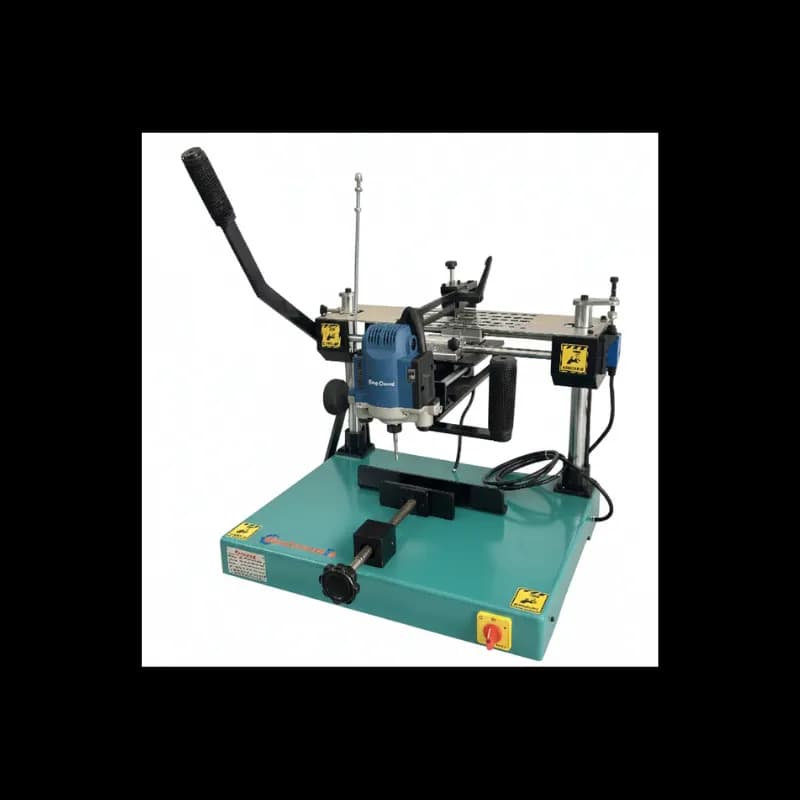
- Copy Routing: A high-speed copy router machine should operate at 12,000 RPM to ensure clean slots for handles and locks without melting the internal chambers of the uPVC profile.
The Financials: ROI and uPVC Window Making Machine Price List
Investing in uPVC window manufacturing machinery is a capital expenditure that must be justified by the floor-to-floor cycle time. In Kolkata, where real estate demand is soaring, the ROI on a ₹15 Lakh investment is typically realized within 14–18 months if the unit produces at 60% capacity.
| Machine Type | Estimated Price Range (INR) | Key Purpose |
|---|---|---|
| Double Head Cutting Saw | ₹4.5L - ₹9.5L | High-speed 45/90 degree miter cutting |
| Double Head Seamless Welder | ₹3.5L - ₹7.0L | Eliminates the need for manual corner cleaning |
| CNC Corner Cleaner | ₹3.0L - ₹6.5L | High-speed automated finishing |
| End Milling Machine | ₹0.8L - ₹1.5L | Creating mullion joints and transoms |
For those just starting, a portable uPVC window welding machine for startups can cost as little as ₹45,000, but be warned: these units lack the structural rigidity for heavy-duty 2.5mm wall-thickness profiles used in high-rise windows.
Common Engineering Mistakes in Kolkata Workshops
Over 15 years, I have seen the same three mistakes destroy ROI for new fabricators in West Bengal:
- Ignoring Profile Shrinkage: High-humidity environments like Kolkata affect profile stability. If your welding machine cooling timers are set too short (under 25 seconds), the joint will contract unevenly, leading to glass breakage later.
- Underpowered Air Compressors: Using a 3HP compressor for a line that requires 7.5HP leads to pressure drops. This causes the upvc cutting machine to slip during the stroke, ruining expensive profiles.
- Incorrect Blade Geometry: Using an aluminium cutter machine blade for uPVC often results in overheating. uPVC requires a specific tooth pitch to dissipate heat and prevent the plastic from fusing back onto the blade.
Adhering to Industrial Standards
Your production must align with ISO standards and local building codes. In Kolkata, wind loads at the 30th floor can exceed 2.0 kPa. This means your Double Head Miter Saw must be perfectly calibrated to ensure the steel reinforcement inside the uPVC profile fits snugly. Any gap between the steel and the profile wall reduces the window's structural integrity by up to 30%.
FAQ: Questions from Kolkata Fabricators
Q: Is it better to buy a separate corner cleaner or a seamless welder? A: If your budget allows, a seamless welder is superior for high-end residential projects in Kolkata because it leaves no visible groove, eliminating the need for a CNC cleaner and reducing labor costs by one full shift position.
Q: What is the cost of setting up a uPVC window manufacturing unit in India for small businesses? A: For a small-scale unit in West Bengal, you can start with a manual line for approximately ₹5 Lakhs. However, to be competitive in the Kolkata high-rise market, a semi-automatic setup at ₹10–12 Lakhs is the minimum viable investment for quality control.
Q: Can I use an aluminium cutting machine for uPVC profiles? A: Technically, yes, if you change the blade. However, a dedicated uPVC window manufacturing machine has integrated support rollers and clamping systems specifically designed for the geometry of multi-chambered vinyl profiles, which prevents the cracking common with standard aluminium saws.
Q: How do I maintain my uPVC welding machine? A: Daily maintenance is critical. You must clean the Teflon heating plate every morning with a soft cloth and check the thermocouple accuracy monthly. A 5-degree error in heat reading is the difference between a structural weld and a safety hazard.
Get more articles like this
Follow Mechnovate on Google to see our guides in Google Discover & News