Scaling uPVC Production: Jaipur Plant Cost & ROI Guide
Strategic Scaling: The Economic Blueprint for uPVC Fabrication in Jaipur
For fabricators targeting the massive residential projects in Jaipur’s Jagatpura, Ajmer Road, and Mansarovar, the transition from manual to automatic production is no longer optional. To capture the current real estate boom, an automatic uPVC window manufacturing plant cost India currently ranges from ₹18 Lakhs for a basic automatic setup to ₹55 Lakhs for a high-speed CNC line. Based on my 15 years of workshop experience, a well-calibrated automatic line delivers a definitive ROI within 14 to 18 months by slashing labor overheads by 60% and reducing profile wastage from a typical 12% down to a lean 2.8%.
In the high-heat environment of Rajasthan, precision engineering is critical. Windows must withstand thermal expansion and high wind loads in high-rise developments. A upvc windows making machine that cannot maintain a ±0.2mm tolerance will result in corner failures and air leakage, leading to project rejections from Tier-1 developers. This guide provides the technical and financial roadmap for establishing a dominant fabrication presence in Jaipur’s industrial zones like VKI and Sitapura.
Technical Specifications: The Engineering of High-Output Plants
A modern, high-capacity plant requires more than just a upvc windows machine. It requires a synchronized ecosystem of high-precision tools. When we designed a facility in the Vishwakarma Industrial Area last year, we prioritized the following specifications to ensure ISO 9001 compliance and structural integrity:
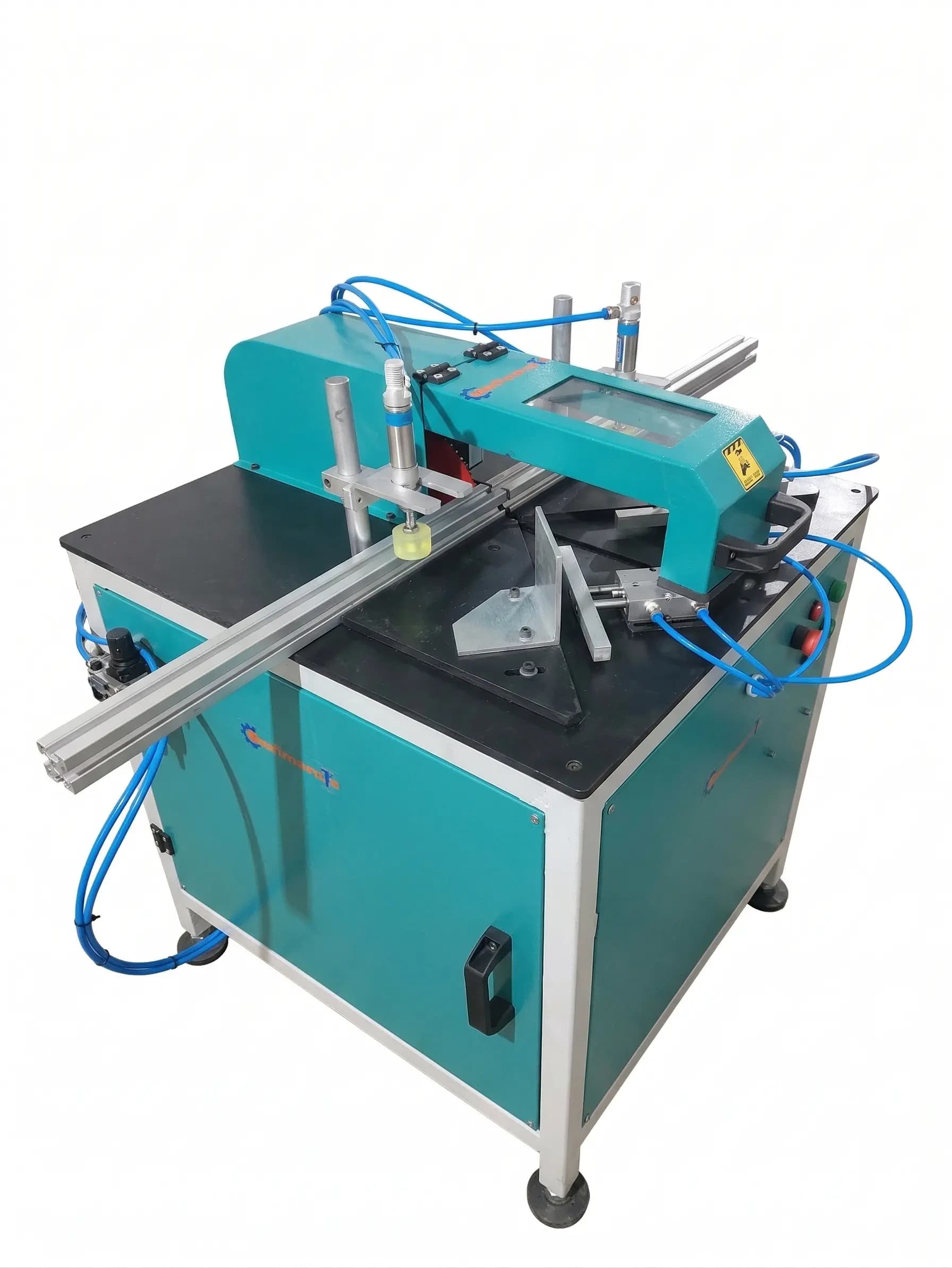
- Automatic Double Head Cutting Saw: Essential for speed. You need 450mm or 500mm carbide-tipped blades with a feed speed variable between 5-18 m/min. The automatic double head cutting machine price India reflects its precision; cheaper units often use inferior bearings that vibrate, leading to rough cuts that compromise the weld seam.
- Four-Point Seamless Welding: For Jaipur's luxury villas, aesthetics matter. A seamless welder eliminates the need for heavy corner cleaning. We recommend a melt-down allowance of exactly 2.8mm to 3.2mm. Too little, and the joint is weak; too much, and you lose profile length.
- CNC Corner Cleaning: A 3-axis or 2-axis CNC cleaner is the heart of a high-volume plant. It must handle the outer corner, top/bottom surfaces, and internal gasket grooves in under 20 seconds. This is where most bottlenecks occur in manual shops.
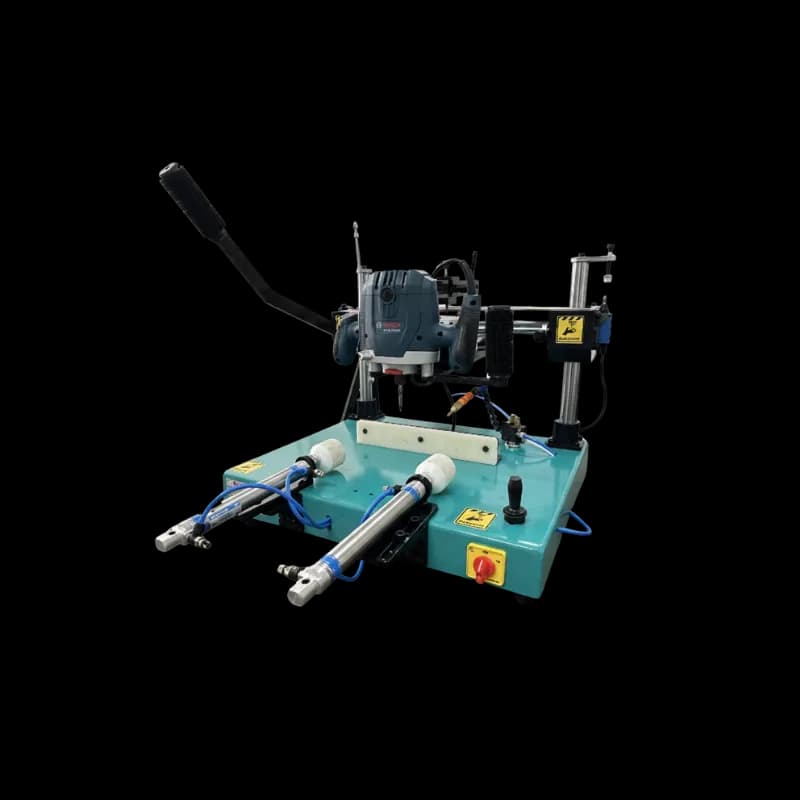
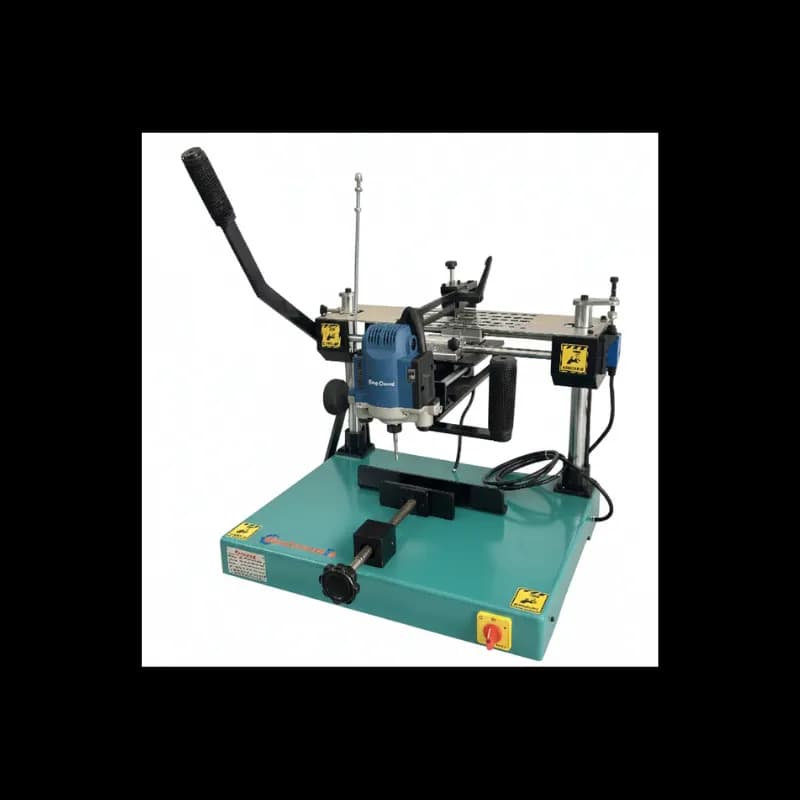
- Triple Tool Copy Router: Vital for hardware slotting. High-speed spindles (12,000 RPM minimum) are required to cut through both the uPVC profile and the internal galvanized steel reinforcement without burrs.
The Workflow: From Profile to Finished Window
Transitioning to an automatic upvc window plant cost India requires a complete rethink of your shop floor layout. In our Pune testing facility, we found that a 'U-shaped' flow reduces material handling time by 35%.
- Phase 1: Precision Cutting: Using a head cutting machine, two profiles are cut simultaneously at 45 or 90 degrees. For Jaipur's climate, we advise using a 'cooling mist' system even for uPVC to keep the blade temperature stable during 10-hour shifts.
- Phase 2: Water Slotting & Routing: Before welding, the profiles must be routed for drainage and hardware. Using a high speed copy router for aluminium windows and uPVC ensures that the steel reinforcement is precisely milled for locks.
- Phase 3: Reinforcement Insertion: Every profile over 400mm requires galvanized steel. We recommend 1.2mm to 2.0mm thickness to meet IS 1285 standards.
- Phase 4: Multi-Point Welding: The profiles are fused at 250°C. Our testing shows that a 40-second heating cycle followed by a 30-second cooling cycle provides the optimal tensile strength for 2.5mm wall thickness profiles.
- Phase 5: Automated Cleaning and Glazing: The final step involves removing the welding beads. An automated cleaner ensures every window looks identical, a key requirement for bulk orders from Jaipur real estate developers.
Jaipur Case Study: ROI and Efficiency Metrics
Let’s look at the hard data from a recent conversion project we managed for a fabricator in Sitapura.
Before Automation (Manual Line):
- Output: 12-15 windows per 8-hour shift.
- Manpower: 12 workers (high dependency on skilled welders).
- Waste: 9.5% due to measurement errors and manual cutting.
- Rejection Rate: 4% (mostly corner aesthetic issues).
After Automation (Mechnovate Integrated Line):
- Output: 55-65 windows per 8-hour shift.
- Manpower: 5 workers (1 operator, 4 helpers).
- Waste: 2.1% (Optimized via software-linked cutting lists).
- Rejection Rate: <0.5%.
Financial Impact: The reduction in labor and material waste alone saved the fabricator ₹1,45,000 per month. Combined with the ability to take on larger contracts (200+ windows), the automatic uPVC window manufacturing plant cost India was fully recovered in exactly 15.5 months.
Critical Considerations for the Jaipur Market
When sourcing your upvc machinery manufacturer, you must look beyond the initial price list. Jaipur’s industrial power supply can be erratic. We always advise our clients to factor in a heavy-duty voltage stabilizer and a dedicated screw compressor.
- Pneumatic Requirements: Your upvc welding machine and cutting saws operate on air. A 10HP compressor with a 500L tank is the bare minimum. Without a refrigerated air dryer, the humidity in the air lines will cause the solenoid valves to fail, leading to expensive downtime.
- Service & Spares: Ensure your supplier has a service hub nearby. We maintain a 24-hour response time in Rajasthan because a single day of downtime on a CNC uPVC window corner cleaning machine can stall an entire production line.
- Safety Standards: Every aluminum cutting machine or uPVC saw must follow ISO safety standards, including dual-hand start buttons and emergency stop sensors. In our experience, neglecting safety leads to high staff turnover and legal liabilities.
Common Mistakes in Plant Setup
- Buying Based on Price Alone: A cheap upvc window machine price list usually indicates low-grade sensors and cast-iron components that warp over time. Invest in machines with induction-hardened linear rails.
- Neglecting Dust Extraction: uPVC shavings are static and abrasive. Without a powerful industrial vacuum system attached to your upvc cutting machine, the dust will infiltrate the electronic panels and cause short circuits.
- Poor Floor Leveling: If your upvc welding machine is not perfectly level, the frames will be 'out of plumb,' making it impossible to install them in the masonry openings correctly.
FAQ: Expert Advice for Jaipur Fabricators
Q1: What is the minimum power load required for a fully automatic uPVC plant? A typical setup requires a 15kW to 25kW sanctioned load. We recommend a dedicated transformer for plants running more than two upvc window manufacturing machines simultaneously to avoid voltage drops during the welding cycle.
Q2: How does uPVC machinery differ from an aluminium cutter machine? While you can use an aluminium cutter machine 12 inch for basic cuts, uPVC machines are specifically geared for the profile's internal chambers and require different blade tooth geometries (usually TCG - Triple Chip Grind) and lower RPMs to prevent the plastic from melting during the cut.
Q3: Can I upgrade my manual shop to automatic in phases? Yes. We recommend starting with an automatic double head cutting machine. This is the most significant bottleneck. Once your cutting is automated and precise, you can add a CNC corner cleaner and finally a multi-point welder as your volume exceeds 30 windows per day.
Q4: Is it worth investing in a CNC corner cleaner for a small business? If you are targeting the Jaipur residential market, yes. The 'hand-finished' look of manual cleaning is no longer acceptable for premium projects. A CNC uPVC window corner cleaning machine price India is an investment in your brand's reputation for quality.
Get more articles like this
Follow Mechnovate on Google to see our guides in Google Discover & News