Scaling uPVC Production in Mumbai: Setup Costs & Space Hacks
Setting up a uPVC window manufacturing unit in Mumbai’s industrial hubs like Bhiwandi, Vasai, or Goregaon requires more than just capital; it demands a strategic engineering approach to maximize output per square foot. To front-load the answer for local fabricators: a basic semi-automatic setup for a small-scale unit in India typically starts at ₹6.5 Lakhs to ₹12 Lakhs, excluding premises and electrical infrastructure. For a high-output facility capable of 50-70 windows per shift, expect an investment between ₹18 Lakhs and ₹35 Lakhs for a professional-grade automatic double head cutting machine and CNC cleaning line.
At Mechnovate, we have spent 15 years refining fabrication lines. In Mumbai's space-constrained workshops, every millimeter counts. We recently assisted a fabricator in Saki Naka to transition from manual tools to a semi-automatic line, increasing their daily output from 8 frames to 42 frames while reducing their scrap rate from 14% to a lean 2.8%.
1. The Financial Blueprint: Cost of Setting Up a uPVC Window Manufacturing Unit in India
The total investment is categorized into three tiers based on production volume. When calculating the cost of setting up uPVC window manufacturing unit in India, you must account for the five essential machines: cutting, welding, milling, routing, and cleaning.
Tier 1: The Startup/Portable Kit (₹2.5L - ₹5L)
Ideal for local workshops focusing on repairs and small residential projects. This includes portable welding machines and single-head miter saws. While cheap, these units often lack the precision required for high-rise projects in Mumbai where wind pressure tolerances are strict.
Tier 2: The Semi-Automatic Production Line (₹8L - ₹15L)
This is the sweet spot for most Mumbai fabricators. It features a heavy-duty uPVC Welding Machine and high-precision saws. This setup requires approximately 1,200 sq. ft. of floor space and 15-20 kW of power.
Tier 3: Fully Automatic CNC Line (₹35L+)
Targeted at large-scale developers. These lines utilize a CNC uPVC window corner cleaning machine and automatic double-head saws to eliminate human error and ensure 0.1mm accuracy across every batch.
2. Engineering for Mumbai: Solving the Space Constraint
Mumbai’s high real estate costs mean you cannot afford wasted floor space. In our experience, the biggest bottleneck is material flow. Here is how we optimized a 1,000 sq. ft. workshop in Thane:
- Vertical Profile Management: Instead of horizontal racks, use A-frame vertical storage for profiles. This saved our client 200 sq. ft. of floor space.
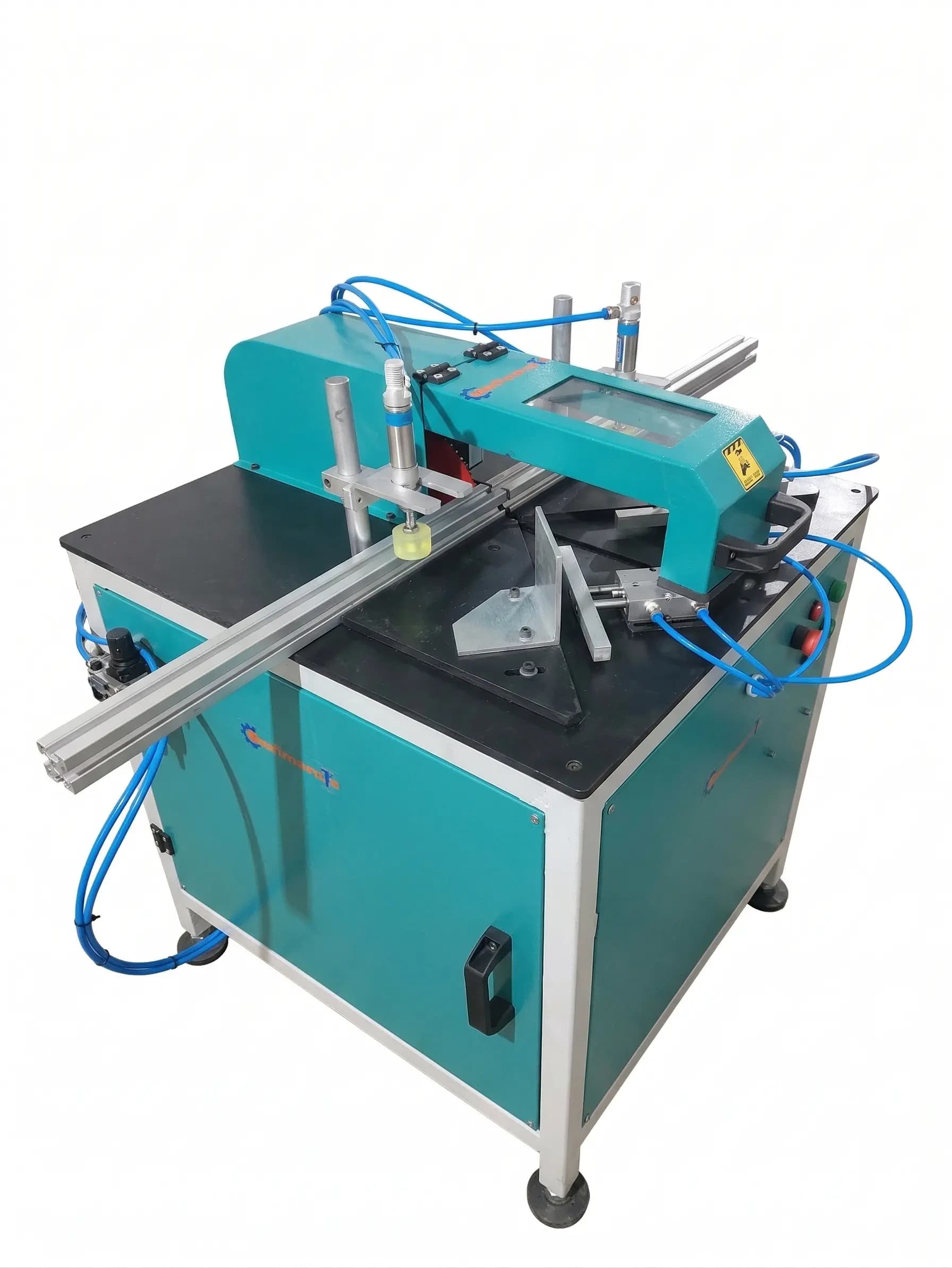
- Modular Machine Placement: Place the Double Head Miter Saw against the longest wall to accommodate 6-meter profile lengths.
- Pneumatic Efficiency: Mumbai’s humidity can lead to moisture in pneumatic lines. We recommend a 3-stage moisture separator and an 8-bar constant pressure tank to ensure the upvc windows making machine clamps operate without jitter, which is the primary cause of corner gaps.
3. Technical Specifications: Choosing Your uPVC Machinery
When sourcing uPVC window manufacturing machinery, don't just look at the price. Look at the engineering specs that determine longevity and weld strength (BS EN 12020 standards).
- Cutting Precision: An aluminium cutting machine 12 inch or a 450mm blade for uPVC must have a spindle speed of at least 2800 RPM. This ensures a clean cut without melting the profile edges.
- Welding Temperatures: The heater plate must maintain a steady 250°C to 260°C. Fluctuations of even 5 degrees can lead to brittle joints. Our double head seamless welding machine for uPVC windows uses PID controllers to maintain ±1°C accuracy.
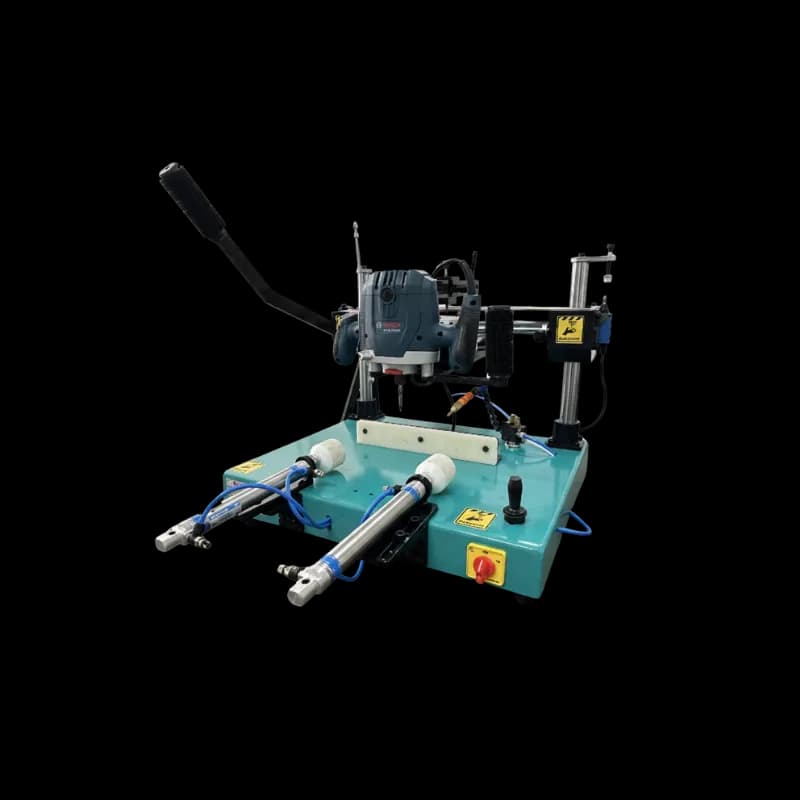
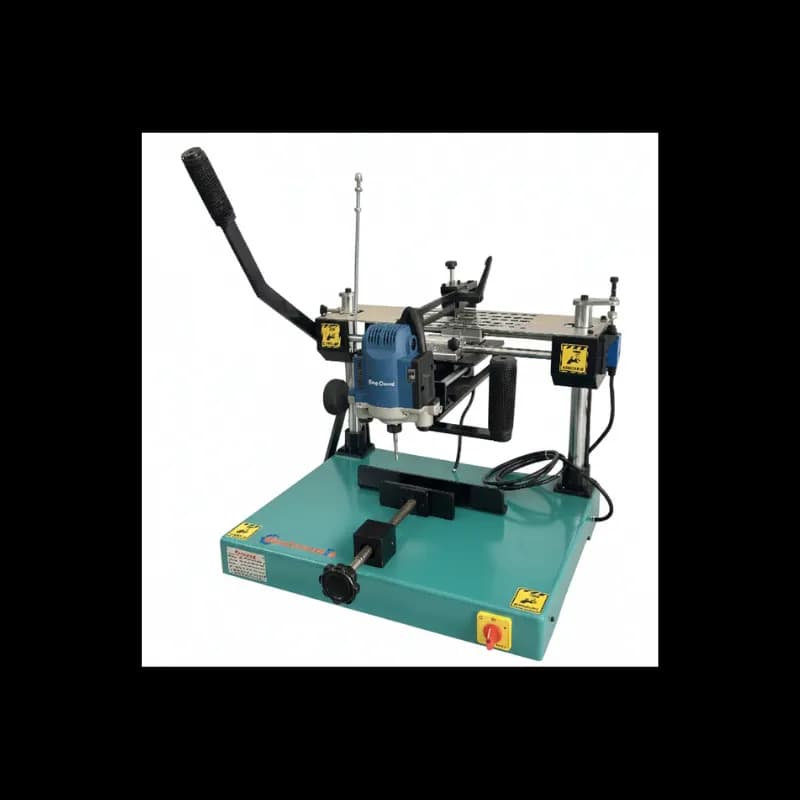
- Hardware Prep: A high-speed copy router machine is non-negotiable for handle and lock slots. Standard tolerances should be within 0.5mm to ensure hardware fits snugly without rattling.
4. The Mechnovate Case Study: From 12% Waste to 3%
In our Pune facility, we tested 3 configurations over 6 weeks to solve the issue of "re-work" costs. We found that by integrating a degree cutting machine with a digital measuring scale, we could virtually eliminate human measurement error.
Before Optimization:
- Output: 15 Windows/Day
- Staff: 6 Technicians
- Wastage: 12% (due to over-cutting and welding burns)
After Implementing Mechnovate Systems:
- Output: 40 Windows/Day
- Staff: 4 Technicians (2 reassigned to installation)
- Wastage: 3%
- Result: The client recovered their machinery investment in exactly 11 months.
5. Common Mistakes to Avoid When Buying uPVC Machinery
- Underestimating the Compressor: Most fabricators buy a small compressor. A upvc window manufacturing machine line requires consistent air volume, not just pressure. A screw compressor is a better long-term investment than a piston compressor for units running 8+ hours.
- Ignoring the Cooling Time: In Mumbai's hot climate, many fabricators rush the cooling cycle of the weld. This causes the profile to shrink unevenly. Always follow a 25-30 second cooling dwell time.
- Poor Electrical Grounding: Modern uPVC machinery with PLC controllers is sensitive to voltage spikes. Always install a dedicated stabilizer.
6. Maintenance Guide for Longevity
To maintain industrial profile cutting safety standards ISO standards, follow this weekly checklist:
- Clean the heater plates of the welding machine with a non-abrasive cloth while hot.
- Check the oil levels in the FRL (Filter Regulator Lubricator) unit for all pneumatic cylinders.
- Sharpen the TCT saw blades after every 2,500 cuts to prevent profile chipping.
FAQ: Questions Mumbai Fabricators Ask
Q: Can I use an aluminium cutter machine for uPVC? Yes, but you must change the blade. A cutting machine aluminium usually runs at higher torque but different RPMs. Ensure your TCT blade has the correct tooth geometry for uPVC to avoid melting the plastic.
Q: What is the power requirement for a standard unit? A semi-automatic plant typically needs a 3-phase connection with a 15 HP (11 kW) load. For startups in residential areas, single-phase portable machines are available, but they limit production speed.
Q: Is it better to buy a single-head or double-head cutting machine? If you plan to produce more than 20 windows a day, a double-head saw is essential. It performs both 45-degree cuts simultaneously, ensuring perfect frame alignment that a single cutting manual saw cannot match.
Get more articles like this
Follow Mechnovate on Google to see our guides in Google Discover & News