Scaling Pune Workshops: Evaluating Aluminium Window Machine Suppliers
Evaluating Aluminium Window Fabrication Machine Suppliers in Pune’s Residential Boom
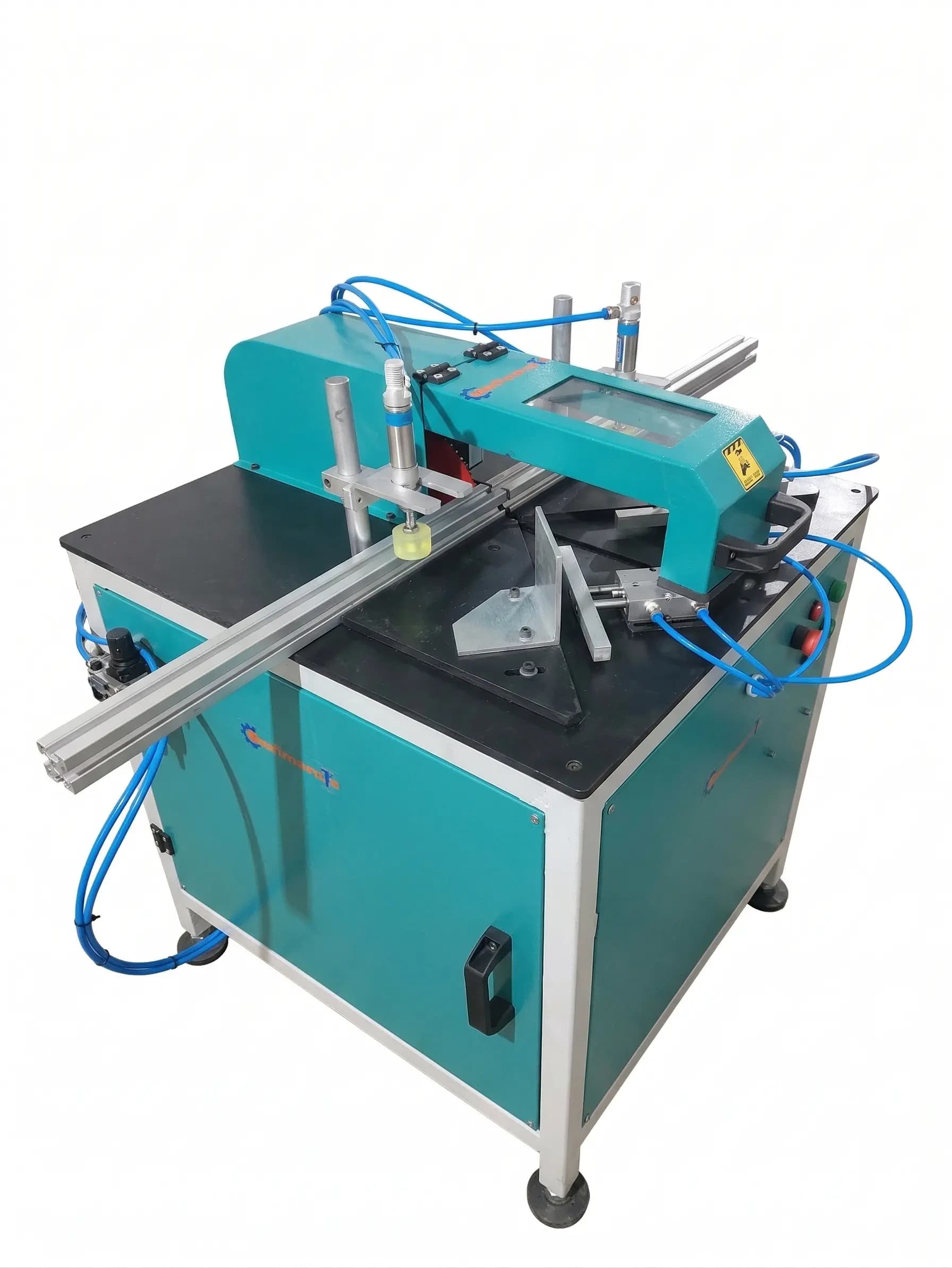
Selecting the right aluminium window fabrication machine suppliers in Pune requires evaluating three critical factors: local service response time, machine bed rigidity for vibration damping, and the availability of precision-grade saw blades. As Pune’s residential corridors from Baner to Wagholi expand, fabricators must transition from manual tools to high-speed Single Head Cutting Machine setups to maintain the ±0.2mm tolerances required by modern high-rise projects. The local market is flooded with options, but technical reliability often takes a backseat to the initial aluminium cutting machine price. For a senior engineer, the focus remains on the long-term cost of ownership and the ability to process high volumes of 6063-T6 alloy profiles without frequent recalibration.
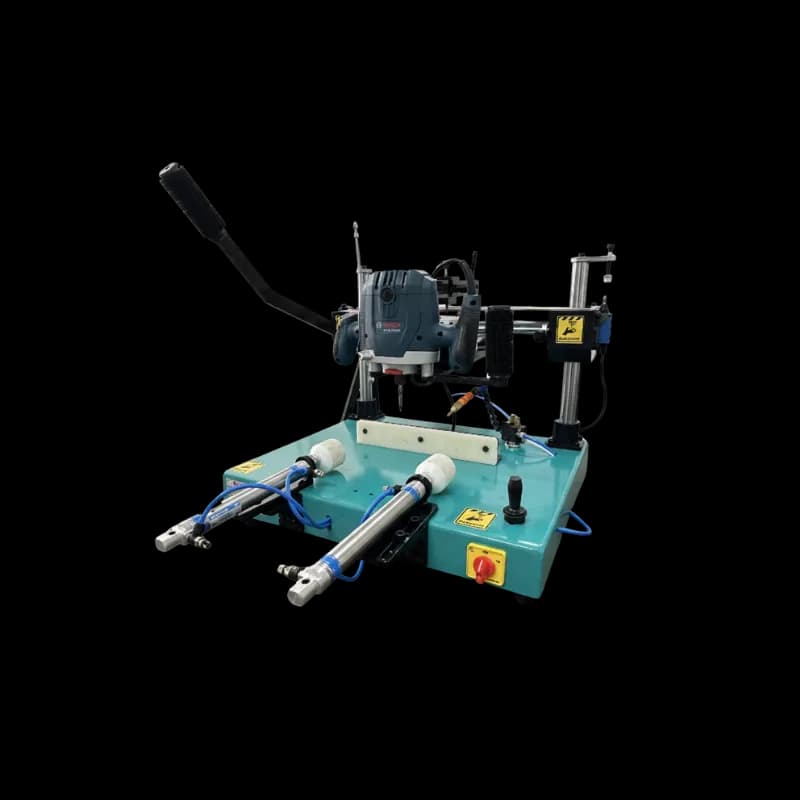
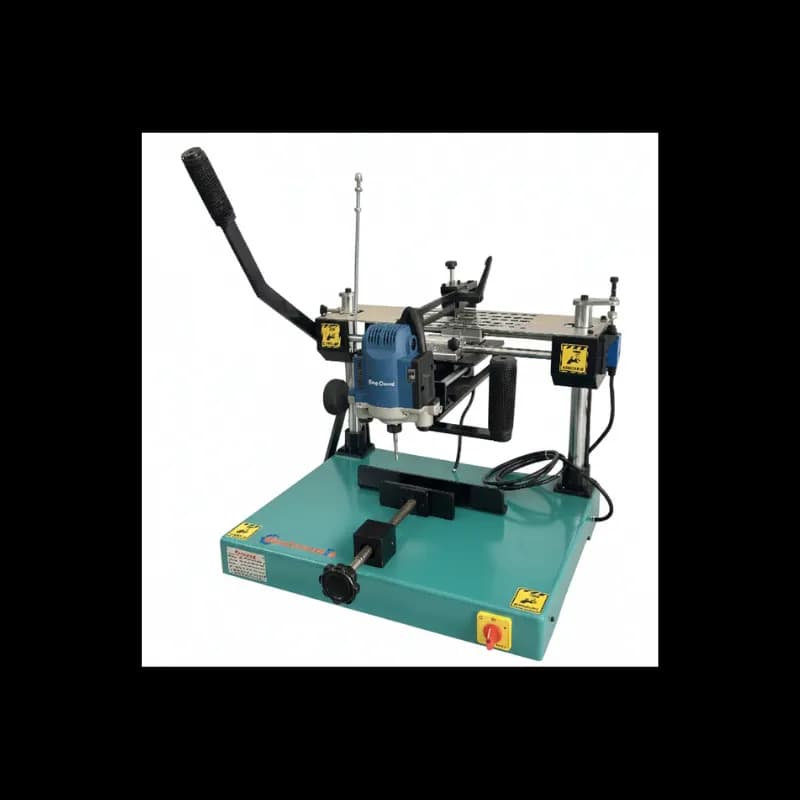
To effectively scale, your workshop needs more than just an aluminium cutter; it needs a synchronized production line. We recommend starting with a supplier that offers a comprehensive range, from a basic Copy Router Machine to complex automatic corner crimping units. The goal is to eliminate manual measurement errors that lead to wasted material. In our experience, workshops in industrial hubs like Chakan or Bhosari benefit most from suppliers who provide hands-on training for operators, ensuring that the transition to semi-automatic machinery does not result in downtime.
Technical Benchmarks: Precision Engineering and Performance Metrics
When you evaluate an aluminium profile cutting machine, the internal components dictate the finish quality of the window joint. Look for machines utilizing high-speed spindles capable of 2800 to 3200 RPM, coupled with a smooth pneumatic feed system. The feed rate should be adjustable to prevent burr formation on thin-walled sections (1.2mm to 1.5mm). For Pune's high-standard residential windows, adherence to IS 1285 standards for aluminium profiles is mandatory, and your machinery must be capable of cutting these profiles without distorting the structural integrity of the miter.
Key technical specifications to demand from your supplier include:
- Motor Power: Minimum 2.2kW (3HP) for heavy-duty cutting of thermal break profiles.
- Cutting Accuracy: Miter tolerance of ±0.1 degrees to ensure seamless corner joining.
- Blade Type: TCT (Tungsten Carbide Tipped) blades with a diameter of 400mm to 500mm for deep profile sections.
- Working Pressure: Consistent 6-8 bar pneumatic supply for clamping and blade advancement.
- Table Rigidity: Cast iron or heavy-gauge steel bases to absorb vibrations during high-speed operation.
Case Study: Boosting Output by 40 Frames Per Day in Our Testing Facility
In our Pune testing facility, we monitored three different workshop configurations over a 6-week period to identify bottlenecks in aluminium fabrication. The baseline setup used traditional manual mitre saws and handheld routers, averaging only 12 window frames per 8-hour shift. We introduced a semi-automatic Single Head Cutting Machine and a dedicated Automatic Corner Crimping Machine to replace manual screw-joining methods. The results were immediate: output increased to 52 frames per day, a 333% improvement in productivity.
Beyond speed, the reduction in material waste was significant. Manual cutting typically resulted in a 12% scrap rate due to measurement errors and over-cutting. By switching to a precision-engineered aluminium cutting machine with digital length counters, we reduced waste to less than 3%. This material saving alone paid for the machine's depreciation within the first year of operation. For any workshop looking to secure large contracts in Pune’s upcoming smart city projects, these efficiency gains are the difference between profit and loss.
Common Pitfalls When Selecting uPVC and Aluminium Window Machinery
Many fabricators fall into the trap of choosing a uPVC machinery manufacturer based solely on the cheapest quote. This often leads to hidden costs, such as frequent motor burnouts or non-standard spare parts that take weeks to arrive from overseas. When checking the upvc machine price list, always inquire about the brand of pneumatic cylinders and electrical components. We frequently see workshops fail because they lack a reliable head cutter machine that can maintain consistent 45-degree angles over 500+ cuts.
Avoid these mistakes during your evaluation process:
- Neglecting Service Support: A supplier without a local Pune service center will cost you thousands in downtime.
- Ignoring Safety Standards: Ensure the aluminum cutting machine has safety hoods and dual-hand operation switches to meet Industrial profile cutting safety standards.
- Undersizing the Machine: Buying a 12-inch cutter when your projects require 14-inch or 16-inch profile depths limits your future contract capabilities.
- Overlooking Spares: Confirm that the supplier stocks critical items like solenoid valves, limit switches, and drive belts locally.
The True Cost of Scaling: ROI and Maintenance of Window Manufacturing Machinery
Scaling a workshop involves calculating the return on investment (ROI) beyond the initial aluminium cutting machine price. A high-quality Automatic Corner Crimping Machine might seem expensive initially, but it replaces the labor of two manual joiners while providing a superior aesthetic finish. In the Pune market, where labor costs are rising by 10-15% annually, automation is the only way to stabilize your overheads. We suggest budgeting for a preventive maintenance contract with your supplier to ensure your upvc window manufacturing machine operates at peak efficiency.
Consider the following maintenance timeline for long-term reliability:
- Daily: Clean the profile guide rails and check the pneumatic oil mist lubricator level.
- Weekly: Inspect the saw blade for chipped teeth and check the tension of the drive belts.
- Monthly: Calibrate the 45-degree and 90-degree stops using a precision square.
- Quarterly: Grease all linear bearings and check for pneumatic leaks in the clamping cylinders.
Frequently Asked Questions (FAQ)
What is the best aluminium window making machine for a small business in Pune?
For startups, we recommend a heavy-duty Single Head Cutting Machine with a 450mm blade and a portable Copy Router Machine. This combination allows you to handle most residential profiles with high precision while keeping your initial investment under control.
How do I compare aluminium cutting machine prices between different suppliers?
Do not compare price alone; compare the weight of the machine (indicates rigidity), the brand of the motor (e.g., ABB or Siemens), and the inclusion of outfeed rollers. A cheaper machine often lacks the structural mass required to prevent vibration, which ruins your cut quality.
Can I use the same machine for both uPVC and aluminium fabrication?
While some cutting machines can handle both materials by changing the blade, the processing requirements for joining are different. uPVC requires a uPVC Welding Machine, whereas aluminium requires a corner crimping machine or mechanical cleats. Dedicated machines for each material generally yield better results and faster production speeds.
Get more articles like this
Follow Mechnovate on Google to see our guides in Google Discover & News