Scaling Kanpur’s Window Production: Automatic uPVC Plant Cost Guide
Setting up a high-output uPVC window manufacturing facility in Kanpur typically requires a capital investment ranging from ₹18 Lakhs for semi-automatic lines to over ₹55 Lakhs for fully automatic CNC-integrated systems. For a medium-scale setup capable of producing 60-80 windows per 8-hour shift, fabricators should budget approximately ₹28-35 Lakhs for the core machinery, excluding factory rent and electrical infrastructure. This strategic investment is currently the most viable path for Kanpur-based fabricators looking to move beyond manual processing to meet the rising demand from high-rise residential projects in Sarvodaya Nagar and Civil Lines.
The Technical Blueprint: Automatic uPVC Window Manufacturing Plant Cost in India
When calculating the automatic upvc window plant cost India, you must look beyond the sticker price and evaluate the technical throughput. A high-performance production line is anchored by four critical machines that determine your facility's precision and speed. At Mechnovate, we categorize these based on their engineering tolerances and cycle times.
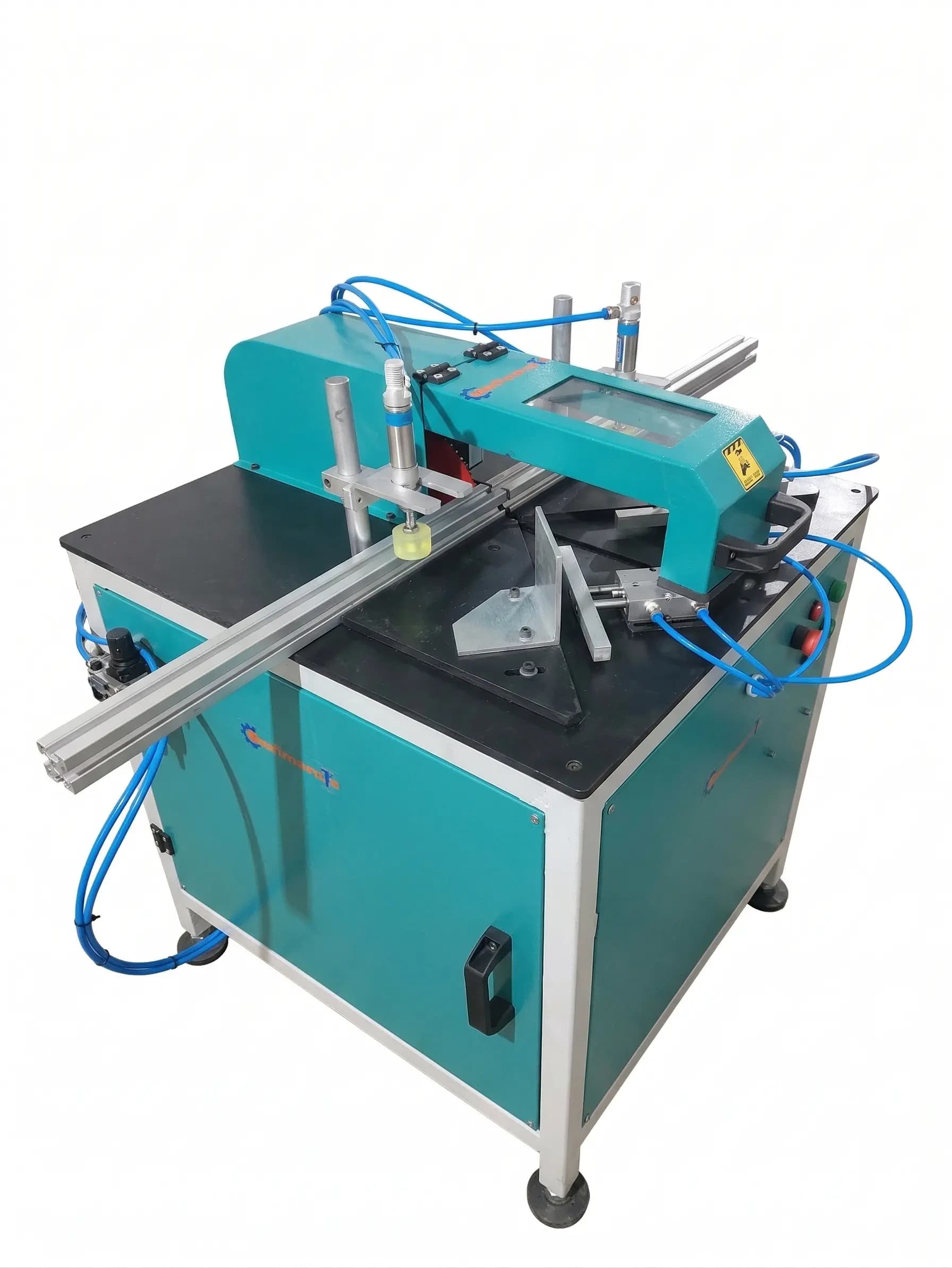
- Double Head Cutting Machine: This is the heart of the plant. A high-precision Automatic Double Head Cutting Machine with 450mm or 500mm blades and digital display ensures length tolerances within ±0.2mm.
- Four-Corner or Two-Head Seamless Welding: To achieve the structural integrity required by IS 1285 standards, a uPVC Seamless Welding Machine is essential. It eliminates the need for manual corner cleaning, saving approximately 4 minutes per frame.
- CNC Corner Cleaning: For those targeting the premium segment, a CNC Corner Cleaning Machine ensures consistent finish quality that manual tools cannot replicate.
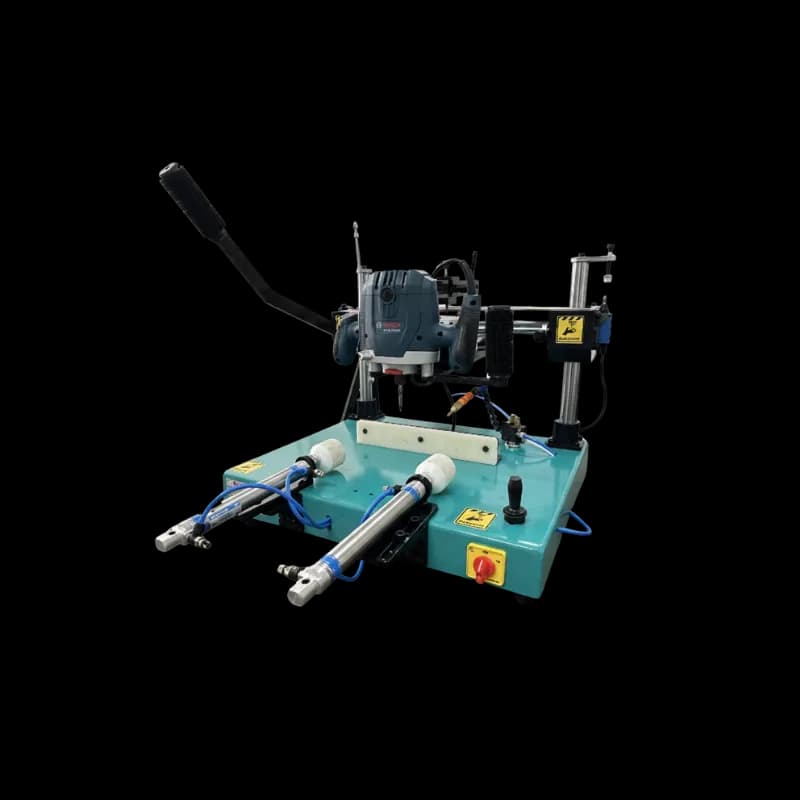
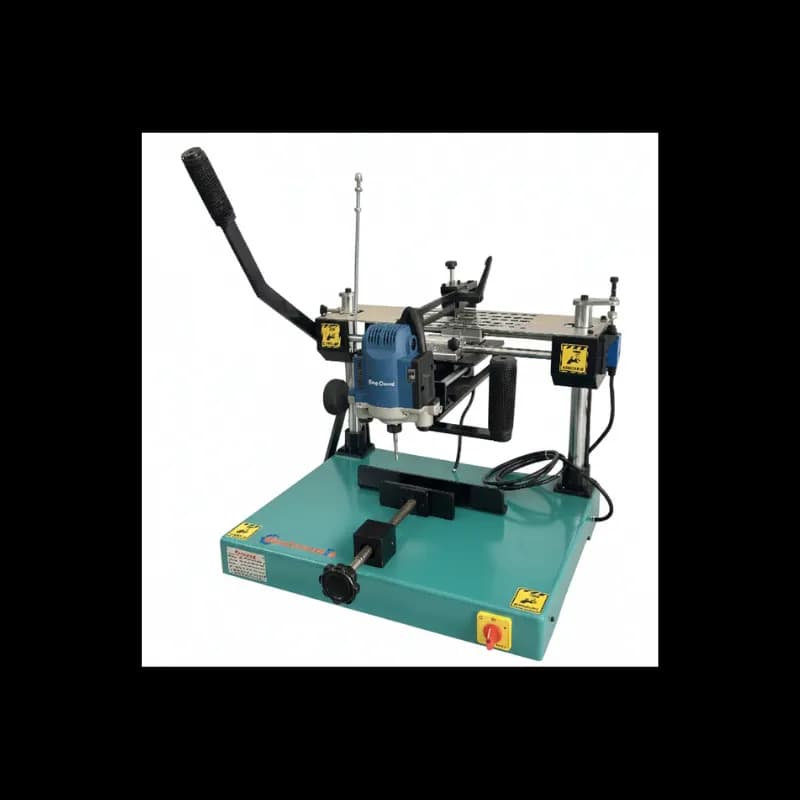
- Copy Router and End Miller: High-speed copy routers (12,000 RPM+) are necessary for slotting and handle holes without melting the profile.
Case Study: Boosting Throughput in Panki Industrial Area, Kanpur
In early 2023, we consulted for a Kanpur-based fabrication unit that was struggling with a 12% material waste rate using manual single-head cutters. Their production was capped at 15 frames per day with a 6-man team. We implemented a strategic upgrade to an automated line featuring a 45-degree double head cutting machine and a triple-axis copy router.
The Results:
- Waste Reduction: Profile wastage dropped from 12% to 2.8% due to precision optimized cutting software.
- Output Increase: Daily production jumped to 48 frames per day with the same headcount.
- Labor Savings: The need for post-weld manual chiseling was eliminated by transitioning to a seamless welding setup.
- ROI Timeline: The capital expenditure was recouped within 14 months through labor savings and increased order capacity for local commercial projects.
Engineering Specs: What Fabricators Must Verify
When evaluating upvc window manufacturing machine options, don't just look at the price list. You must demand specific engineering benchmarks to ensure long-term durability in the dusty, humid environment typical of North India.
- Pneumatic Systems: Ensure the machines operate on a stable 6-8 bar pressure. We recommend a 7.5 HP screw compressor with a refrigerated dryer to prevent moisture from entering the solenoid valves.
- Motor Ratings: Look for 2.2kW to 3.5kW motors on cutting saws. Underpowered motors lead to 'burr' formation on profiles, which compromises weld strength.
- Blade Quality: Use tungsten carbide-tipped (TCT) blades with at least 120 teeth for uPVC. This ensures the cut is clean enough for ISO 9001-compliant fusion welding.
- Frame Stability: Machines should be constructed from stress-relieved heavy steel. Lightweight machines vibrate, leading to 1-2mm deviations that cause 'window whistling' after installation.
Avoiding the 'Cheap Machine' Trap: Lessons from the Shop Floor
Many entrepreneurs entering the Kanpur market make the mistake of buying the lowest-priced upvc window making machine from unverified traders. In my 15 years of experience, I’ve seen these machines fail within 18 months due to proprietary PLC locks or non-standard pneumatic cylinders that cannot be sourced locally.
Instead, focus on the automatic double head cutting machine price India in the context of spare part availability. A machine that is ₹50,000 cheaper but has a 2-week downtime for a simple sensor replacement will cost you lakhs in lost contracts. Always verify if the supplier has a service center in nearby hubs like Lucknow or Delhi.
Operational Checklist for New Plants
To successfully run an automatic uPVC window manufacturing plant cost India, follow this sequence:
- Power Grid Check: Ensure you have a 15-25 kW sanctioned load. Fluctuating voltage in industrial clusters can fry expensive CNC boards; an industrial-grade servo stabilizer is non-negotiable.
- Profile Compatibility: Calibrate your welding heat plates according to the specific profile brand you use (e.g., Fenesta, Deceuninck, or local brands). Standard melting temperature is 240°C-260°C, but this varies by wall thickness.
- Dust Extraction: uPVC swarf is abrasive. An industrial vacuum system connected to your Aluminium Cutting Machine or uPVC saw is critical for operator health and machine longevity.
FAQ: Expert Answers for Kanpur Fabricators
Q: Can I use uPVC machines for aluminium fabrication in the same plant?
Technically, yes, you can use an aluminum cutting machine for uPVC, but you cannot use a uPVC welder for aluminium. Aluminium requires a corner crimper. If you plan to do both, prioritize a high-quality aluminium profile cutting machine that handles both materials.
Q: What is the minimum floor space required for an automatic line?
You need a minimum of 2,500 to 3,000 square feet. This allows for a linear flow: Profile Storage -> Cutting -> Routing -> Welding -> Corner Cleaning -> Glazing -> QC/Packing.
Q: How often do the blades need sharpening?
In a standard 8-hour shift, TCT blades should be professionally sharpened every 3,000 to 4,000 cuts. Using dull blades increases the motor load and results in poor weld joints, significantly reducing the structural integrity of the final window frame.
Get more articles like this
Follow Mechnovate on Google to see our guides in Google Discover & News