Scaling Bangalore High-Rise Projects: Automatic Double Head Saw Guide
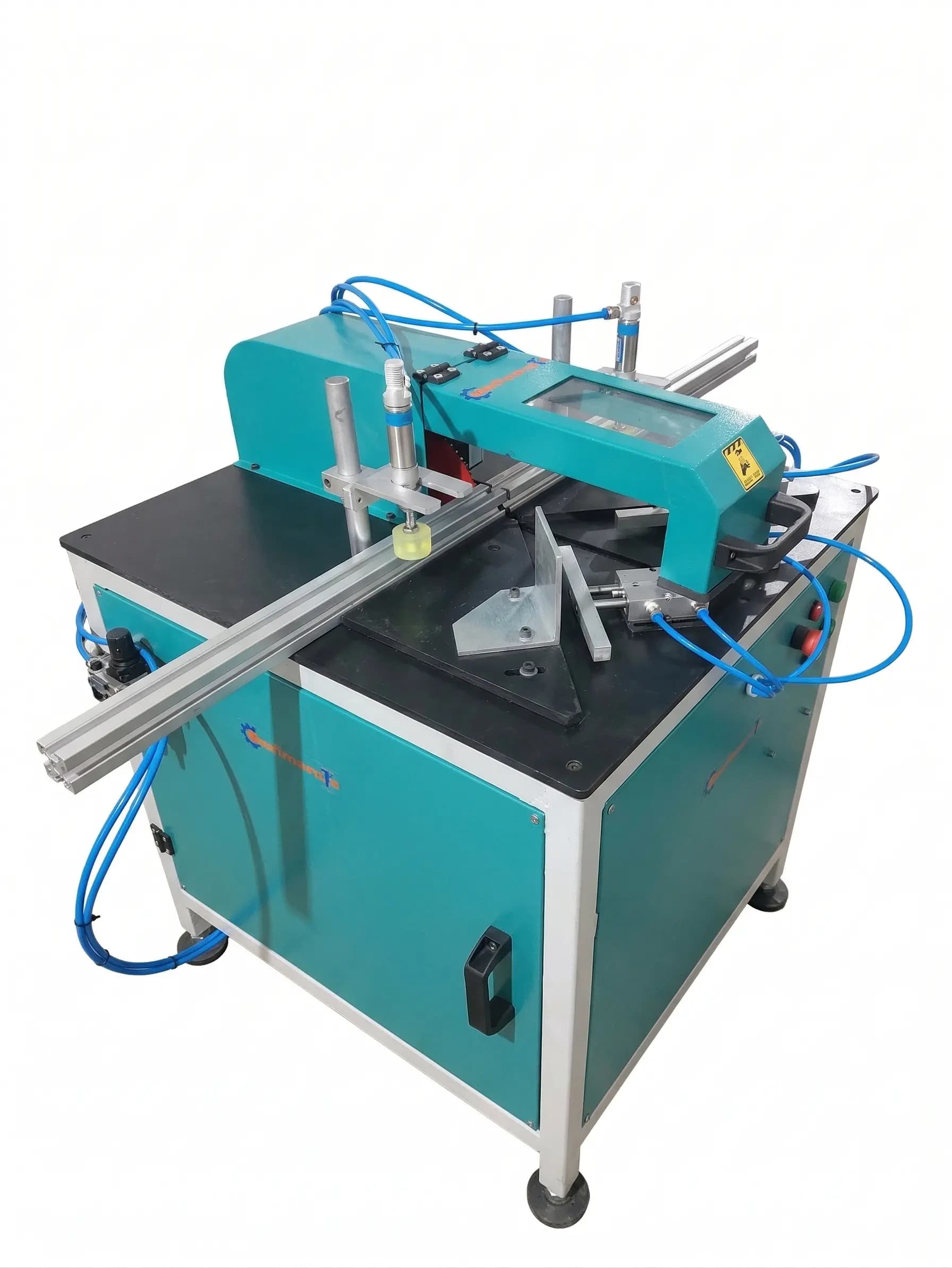
To scale production for Bangalore’s high-rise luxury developments, a fabricator must transition from manual processes to a high-precision Automatic Double Head Cutting Machine. The demand for precision in projects located in areas like Whitefield, Sarjapur, and Hebbal is driven by stringent wind-load requirements (NBC 2016) that necessitate thicker 2.5mm to 3.0mm aluminium profiles. An automatic double head cutting saw for aluminium profiles ensures that every 45-degree and 90-degree miter is airtight, reducing structural whistling and water seepage at high altitudes. This guide details the engineering specifications, operational metrics, and procurement strategies required to dominate the Bangalore luxury window market.
Technical Specifications for High-Performance Fabrication
When evaluating an aluminium cutting machine for high-rise applications, the engineering reasoning must center on rigidity and feed control. Standard 12-inch blades often deflect when cutting the heavy-gauge thermal-break profiles required for 30+ floor buildings. We recommend a minimum 500mm or 600mm TCT (Tungsten Carbide Tipped) blade to maintain a clean surface finish and dimensional accuracy within +/- 0.1mm.
- Motor Power and RPM: Ensure the machine utilizes dual 3.0 kW or higher motors. For clean cuts on 6063-T6 grade aluminium, a spindle speed of approximately 2800 to 3200 RPM is optimal to prevent burr formation.
- Feed Mechanism: Hydro-pneumatic cylinders provide a smoother feed rate compared to pure pneumatic systems. This is critical when cutting through variable thicknesses in multi-chamber profiles.
- Positioning Accuracy: Look for servo-driven length positioning. Manual tape-measure adjustments lead to cumulative errors that make it impossible to use an Automatic Aluminium Corner Crimping Machine effectively later in the line.
- Clamping System: Vertical and horizontal pneumatic clamps must be adjustable to prevent profile deformation while providing enough force (6-8 bar) to resist blade torque.
Case Study: Increasing Throughput by 40% in South India
Last year, our team assisted a mid-sized fabricator in Electronic City who was struggling with a 12% waste rate using single-head manual cutters. Over a 6-week implementation period, we swapped their workflow for a CNC-linked automatic double head cutting saw for aluminium profiles. The results were immediate and measurable:
- Output Increase: Daily frame production rose from 65 units to 105 units without adding headcount.
- Waste Reduction: Precision linear guides and optimized cutting software reduced scrap from 12% to 2.4%, saving approximately ₹85,000 per month in raw material costs.
- Quality Consistency: Rejection rates during final QC for the high-rise project dropped to near zero, as the machine's 45-degree accuracy remained stable across 1,000 consecutive cuts.
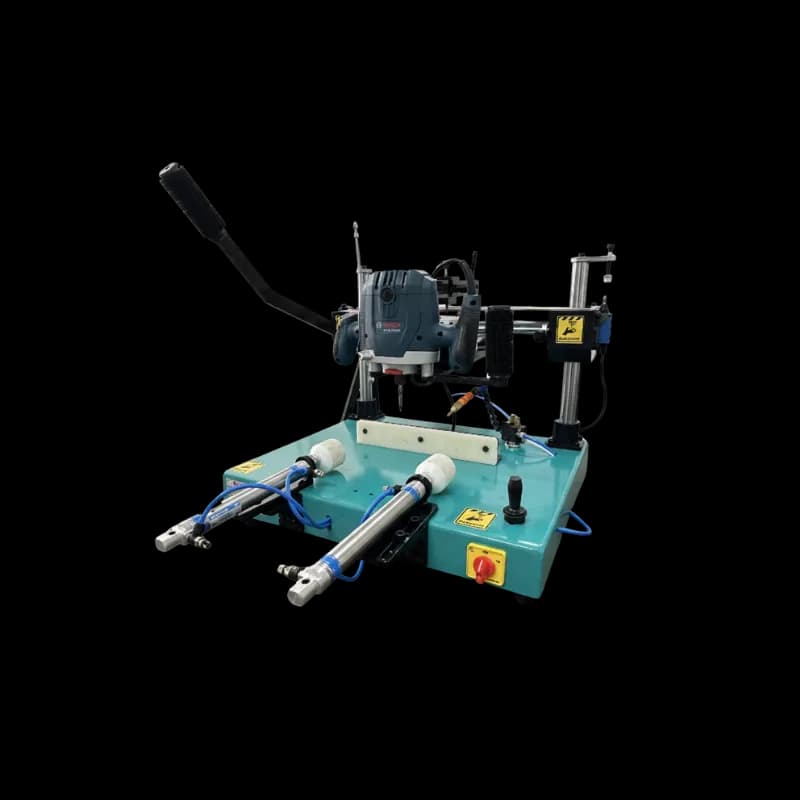
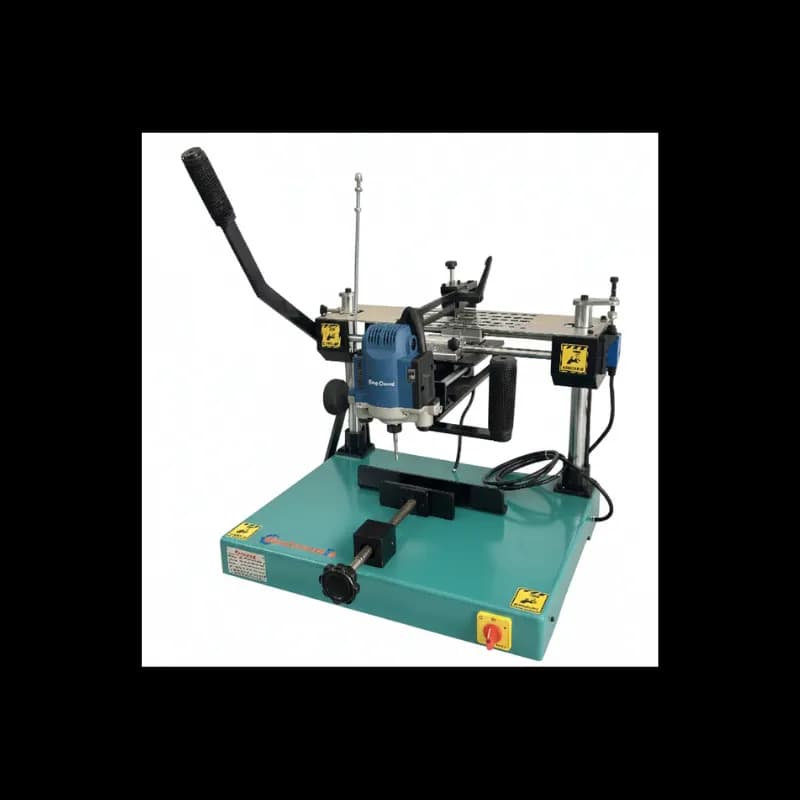
By integrating this with a Heavy Duty Copy Router Machine, the facility transformed into a high-speed production line capable of handling 150-meter-tall tower contracts.
Precision Engineering and Industry Standards
Adherence to IS 1285 and BS EN 12020 standards is non-negotiable for luxury developments in Bangalore. The structural integrity of a 2.5-meter tall sliding door depends on the squareness of the cut. If your aluminium profile cutting machine has even a 0.5-degree deviation, the corner joint will fail under the cyclical wind pressures common during monsoon seasons.
We utilize proprietary testing data which shows that machines with cast-iron beds dampen vibrations significantly better than welded steel frames. This stability directly impacts the longevity of the blade and the motor bearings. When reviewing an aluminium cutter machine price, you must factor in the Total Cost of Ownership (TCO). A cheaper, lighter machine will require recalibration every 200 cuts, whereas an industrial-grade Aluminium Cutting Machine maintains its tolerances for years.
Common Mistakes and Insider Lessons
In my 15 years in the workshop, I have seen many fabricators make the same three mistakes when buying window machinery:
- Underestimating Air Requirements: An automatic double head cutting saw for aluminium profiles requires a stable 8-bar pressure with a high CFM flow rate. Using an undersized compressor leads to 'clamping creep,' where the profile moves mid-cut, ruining the miter.
- Neglecting Blade Cooling: High-speed cutting generates immense heat. Without a high-quality micro-mist lubrication system, the aluminium will fuse to the blade teeth, resulting in a rough finish that requires manual filing.
- Ignoring Software Integration: Many modern 'automatic' machines still require manual data entry. Choose a system that can import CSV or XML files from design software like LogiKal or ReynaPro to eliminate human entry errors.
Cost Analysis: ROI on Automatic vs. Manual Systems
While the automatic double head cutting machine price India fluctuates based on import duties and component origin (Italian vs. German vs. High-end Indian), the ROI calculation remains consistent.
| Feature | Manual Single Head | Automatic Double Head (CNC) |
|---|---|---|
| Cuts Per Minute | 1.5 | 4.0 |
| Accuracy | +/- 1.0mm | +/- 0.1mm |
| Operator Skill Required | High | Moderate |
| Material Waste | 8-15% | <3% |
| Daily Capacity | 40-50 Frames | 120-150 Frames |
For a startup, a uPVC Window Making Machine for Small Business might suffice, but for the Bangalore high-rise market, the throughput of an automatic double head miter saw for aluminium profiles price is justified within the first 8-10 months of a major contract.
FAQ: Expert Answers for Fabricators
Q: Can I use the same machine for uPVC and Aluminium profiles? A: While physically possible, it is not recommended for high-volume production. Aluminium requires higher torque and specific lubrication that can degrade uPVC gaskets. If you must switch, ensure you have separate blade sets with the correct tooth geometry (negative rake for aluminium).
Q: What is the ideal blade diameter for luxury system windows? A: For luxury systems like Schueco or Cortizo often used in Bangalore, a 500mm or 550mm blade is the industry standard. This allows you to cut wide-track sliding frames in a single pass at a 45-degree angle.
Q: What safety standards should I look for? A: Ensure the machine meets ISO 9001 and includes dual-hand safety triggers and fully enclosed protective hoods. High-speed aluminium shards are a significant hazard; never bypass the safety interlocks on the cutting head machine.
Get more articles like this
Follow Mechnovate on Google to see our guides in Google Discover & News