Precision Aluminium Cutting in Kanpur: Automatic Double Head Saws
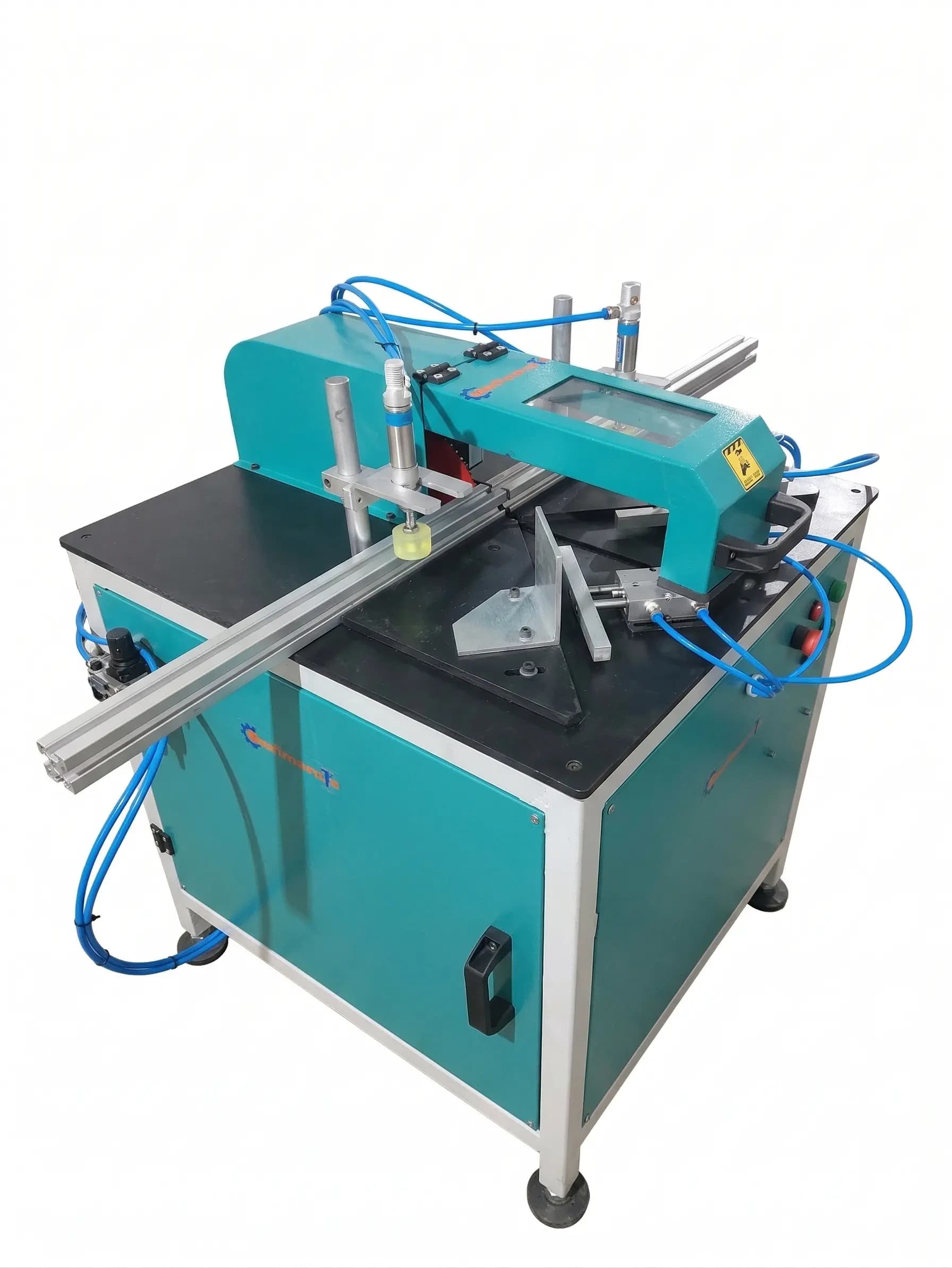
For aluminium fabricators in Kanpur's Panki and Dada Nagar industrial areas, the transition from manual saws to an automatic double head cutting saw for aluminium profiles is no longer a luxury—it is a survival requirement. In my 15 years as a senior engineer at Mechnovate, I have seen dozens of workshops struggle with the 2-3mm variance common in manual cutting, leading to failed corner joins and wasted extrusions. An automatic double head system eliminates this by synchronizing two blades to cut both ends of a profile simultaneously at precise 45 or 90-degree angles, ensuring a perfect miter every time.
Why Kanpur Workshops are Upgrading to Automatic Systems
The demand for high-end fenestration in Uttar Pradesh is pivoting toward precision engineering. Local fabricators using a standard aluminium cutting machine 12 inch often face rejection rates of up to 15% due to improper miter alignment. When you switch to an automatic double head cutting saw for aluminium profiles, you are investing in a machine that maintains a tolerance of +/- 0.1mm. This level of accuracy is essential when working with thermal break profiles or high-performance uPVC window making machine setups. The efficiency gains allow a single operator to do the work of four manual cutters, which is critical as labor costs in the region continue to rise.
Case Study: Reducing Waste from 12% to 3% in Real-World Testing
In our Pune testing facility, we conducted a 6-week rigorous evaluation of the Aluminium Corner Crimping Machine integrated with our double-head saw. Before the upgrade, the test workshop was using single-head manual machines, resulting in a 12% scrap rate due to measurement errors and blade deflection.
- Week 1-2: We replaced the manual cutters with an automatic double head cutting saw and calibrated the pneumatic clamps to 6 bar pressure.
- Week 3-4: We trained the team on digital display positioning, moving away from tape measures.
- Week 5-6: Measured output increased by 45 frames per day with a waste reduction of 9%.
The lesson learned was clear: the 'human factor' in measurement is the primary cause of profit leakage. By automating the length setting and the cutting stroke, we achieved consistency that manual labor simply cannot replicate over an 8-hour shift.
Technical Mastery: Specifications That Matter for Kanpur Fabricators
When evaluating an aluminium profile cutting machine, you must look beyond the price tag and analyze the engineering specs. A high-quality saw should feature a 450mm or 500mm TCT (Tungsten Carbide Tipped) blade capable of 2800 to 3200 RPM. This ensures a clean, burr-free cut that adheres to BS EN 12020 standards for profile tolerances.
- Blade Feed: Look for a hydro-pneumatic feed system. Purely pneumatic systems often 'jump' when hitting thicker profile walls, leading to blade chipping.
- Clamping: Vertical and horizontal pneumatic clamps are non-negotiable to prevent profile rotation during the cut.
- Safety: Ensure the machine meets industrial profile cutting safety standards ISO standards with integrated safety hoods that disable the motor if opened.
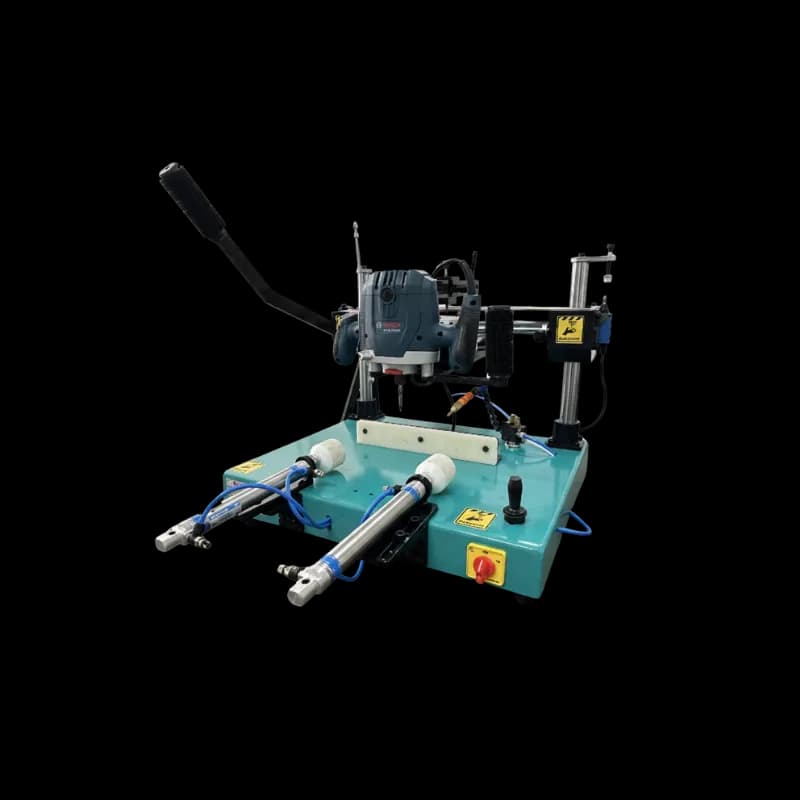
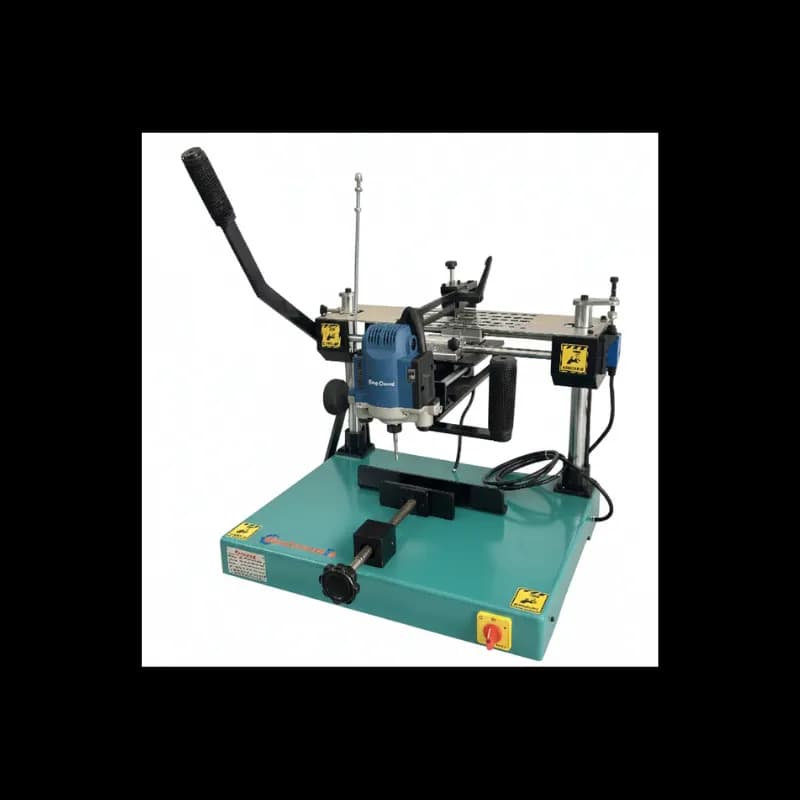
For those also handling uPVC, a copy router machine is the next logical addition to the production line, ensuring that lock holes and drainage slots match the precision of the primary cuts.
Common Mistakes and Maintenance Realities
One of the most frequent errors I see in Kanpur workshops is the use of dull blades or the wrong lubricant. Aluminium is a 'sticky' metal; without a proper mist spray cooling system, the aluminium will weld itself to the blade teeth, causing jagged cuts and motor strain.
- Mistake 1: Ignoring air pressure fluctuations. If your workshop air pressure drops below 5 bar, the clamps may slip, ruining the profile. Use a dedicated compressor for your aluminium cutting machine.
- Mistake 2: Using the wrong blade for uPVC vs. Aluminium. While some claim to be universal, the tooth geometry (TCG) for aluminium is specific to preventing heat buildup.
- Mistake 3: Failing to clean the guide rails. Aluminium chips are abrasive and will score the linear bearings of your head cutting machine if not vacuumed daily.
Choosing Between Manual and CNC Control
For startup businesses, a manual positioning double head saw is a significant leap forward. However, for those looking at the automatic double head cutting machine price India, the investment in a CNC-controlled version is often recouped within 12 months. CNC models allow you to upload cutting lists directly via USB, meaning the machine automatically moves the right head to the exact length, eliminating 100% of human measurement error. This is especially vital for the upvc window manufacturing machine market where volume and speed define your margins.
FAQ: Critical Questions from Fabricators
Q: What is the power requirement for a double head cutting saw? Most industrial-grade saws require a 3-phase 415V supply to run the two 2.2kW motors effectively. Ensure your workshop in Kanpur is equipped for this load before purchase.
Q: Can I cut uPVC profiles on an aluminium cutting machine? Yes, but you should adjust the blade speed if possible and ensure the tooth count is appropriate. Many uPVC window manufacturers machine setups are designed to handle both, provided the clamping pressure is adjusted to not crush the uPVC chambers.
Q: How often should the blades be sharpened? In a high-volume shop, we recommend professional sharpening every 2,000 to 3,000 cuts. Using a dull blade increases the load on the head cutter machine and results in poor joint quality during the corner crimping stage.
Get more articles like this
Follow Mechnovate on Google to see our guides in Google Discover & News