Mullion Misalignment Fix: Heavy Duty Milling in Chennai
Solving the Mullion Misalignment Crisis in Chennai Fabrication
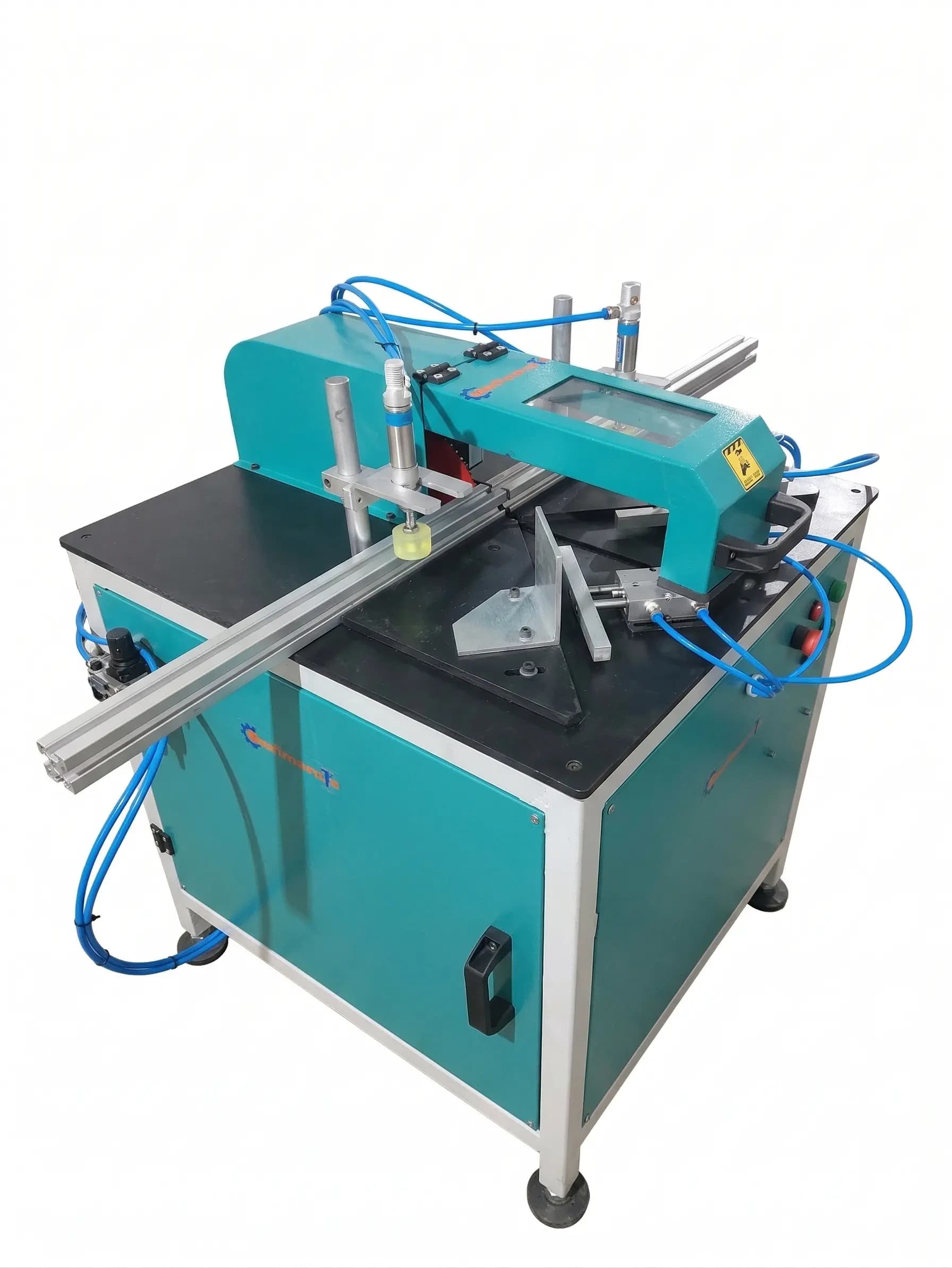
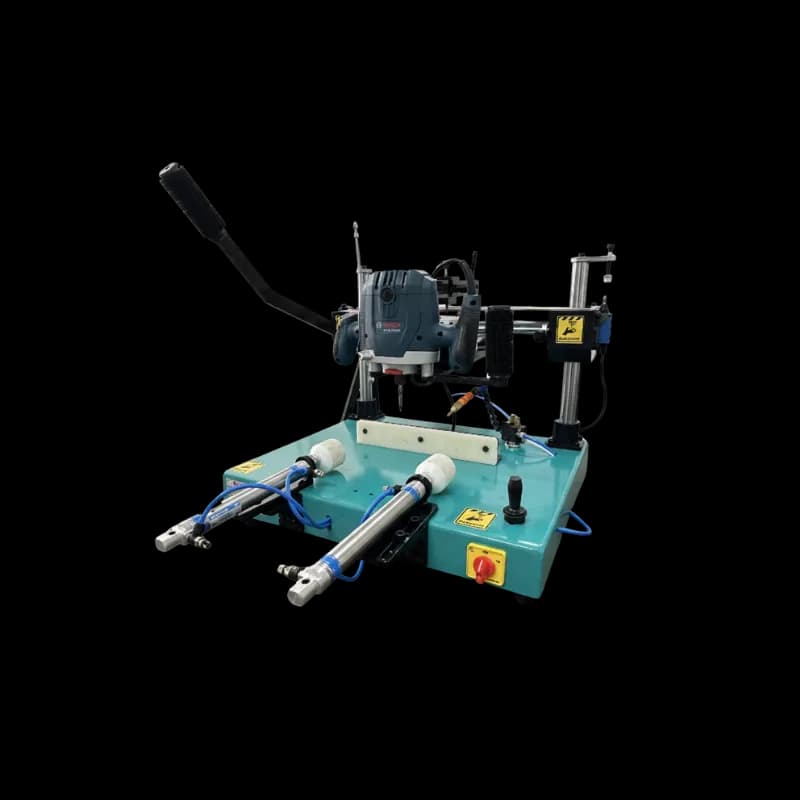
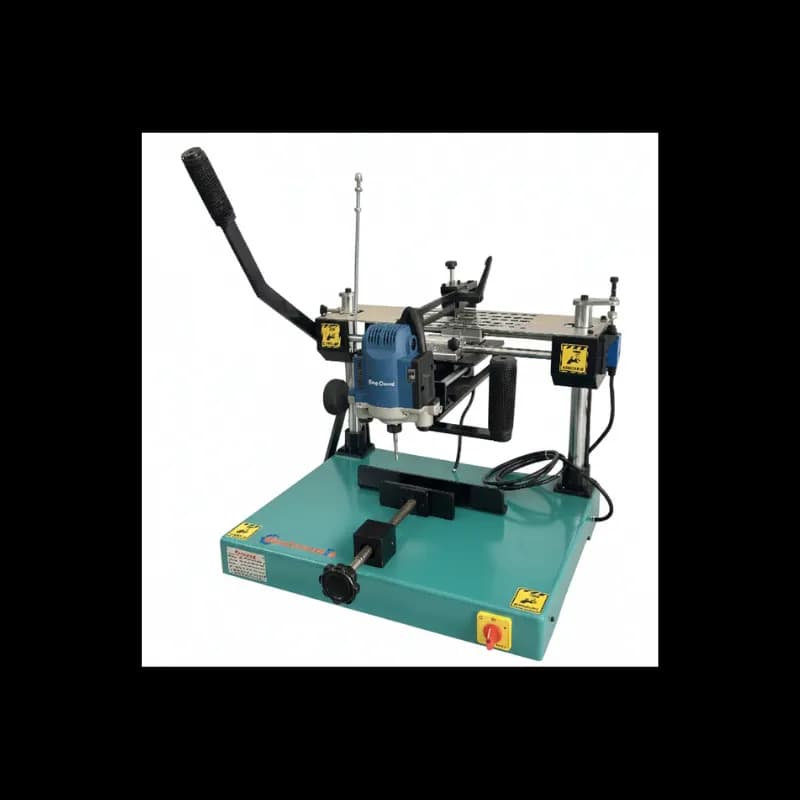
In high-precision aluminium fabrication, mullion misalignment is more than an aesthetic flaw; it is a structural failure that leads to water ingress, air leakage, and whistle sounds in high-rise buildings. For fabricators in Chennai, where coastal wind pressures demand strict adherence to tolerances, relying on a standard aluminium cutting machine alone is insufficient. The critical joint between the transom and the mullion requires a perfectly contoured notch that only a Heavy Duty Aluminium Profile End Milling Machine can provide. This machine eliminates the 'gap gap'—that annoying 1mm space often seen in lower-tier workshops—by ensuring the milled profile exactly matches the radius and geometry of the frame it sits against.
The Engineering Logic: Why High Torque and Feed Control Matter
Precision engineering in a workshop setting is governed by the physics of vibration. When milling high-grade 6063-T6 aluminium, the tool face encounters significant resistance. If the spindle motor lacks sufficient torque, the RPM drops mid-cut, causing 'stutter marks' on the aluminium surface. To achieve an ISO 9001-certified finish, we utilize a 3.0 kW high-frequency motor. This allows for a consistent 2800 RPM, ensuring that the cutter removes material efficiently without heating the alloy to its plastic state. Excessive heat leads to burr formation, which must be manually filed—a process that introduces human error and increases labor costs.
Critical Technical Specifications for High-Output Shops
- Spindle Runout: Must be less than 0.01 mm. Anything higher causes 'chatter' which ruins the joint seal.
- Pneumatic Pressure: A minimum of 6-8 bar is required. We use dual horizontal and vertical pneumatic clamps to prevent profile rotation during high-speed milling.
- Cutter Stack Height: A 250mm stack capacity allows for processing multiple profiles or complex, multi-stepped curtain wall mullions in a single pass.
- Feeding Mechanism: Hydro-pneumatic cylinders are superior to pure pneumatic ones because the hydraulic oil damping prevents the sudden 'jump' when the blade exits the profile.
A Mechnovate Case Study: From 12% Waste to 1.5%
In our Pune facility, we conducted a rigorous 6-week testing phase where we compared three different fabrication configurations for a commercial project involving 400 window units. Initially, the team used a manual copy router machine to attempt mullion notches. The results were inconsistent, leading to a 12% material rejection rate during the final assembly phase because the glass would not sit flush. We then integrated a dedicated heavy-duty end milling machine into the production line.
The results were immediate. We reduced cutting waste from 12% to 3% within the first two weeks. By the end of the month, we increased output by 40 frames per day because the assembly technicians no longer had to 'adjust' the joints with handheld grinders. This transition proved that the aluminium cutting machine price is quickly offset by the reduction in scrap and the elimination of double-handling. For a uPVC machinery manufacturer looking to branch into aluminium, this machine is the single most important investment for quality control.
Adhering to Indian and International Standards
Chennai workshops serving the premium residential sector must meet IS 1285 and BS EN 12020 standards for profile tolerances. When a mullion is milled incorrectly, the structural integrity of the entire window wall is compromised. If the notch is too deep, the screw ports are weakened; if it is too shallow, the frame bows outward. A heavy-duty end milling machine uses a mechanical depth stop that can be calibrated to 0.05 mm accuracy. This level of precision is mandatory for projects that undergo third-party wind-load testing at laboratories like CPRI or specialized facade testing facilities.
Advanced Tooling: The Cutter Stack Theory
One of the most common mistakes I see in fabrication units across India is the use of blunt or improperly stacked cutters. A professional setup involves a 'stack' of three to four cutters with different diameters and tooth counts. The first cutter removes the bulk of the material (roughing), while the subsequent cutters provide the finishing profile.
Step-by-Step Milling Optimization
- Step 1: Profile Nesting: Use custom-machined nylon or aluminium 'nesting blocks' to support the profile's internal webs. This prevents the thin-walled aluminium from collapsing under clamp pressure.
- Step 2: Lubrication Sync: Ensure the oil-mist lubrication system fires 0.5 seconds before the blade contacts the metal. This prevents 'chip welding' where aluminium shards fuse to the blade teeth.
- Step 3: Feed Rate Calibration: For profiles over 2.5mm thickness, a slower feed rate of 15mm/sec is recommended to maintain the surface finish Ra value.
- Step 4: Post-Mill Inspection: Use a go/no-go gauge to verify the notch dimensions before the profile leaves the milling station.
Avoiding Costly Mistakes: The Fabricator’s Checklist
Investing in upvc window manufacturing machinery or aluminium equipment is a capital-heavy decision. Avoid these three 'insider' mistakes:
- Mistake 1: Ignoring the Base Weight: A light machine will vibrate. Ensure the end milling machine has a reinforced cast-iron or heavy-gauge steel base to absorb harmonics.
- Mistake 2: Single Clamp Systems: Never buy a machine that only clamps from the top. You need side clamping to prevent the profile from 'fishtailing' as the cutter exits.
- Mistake 3: Overlooking Service Access: In the humid Chennai climate, components like solenoid valves and pneumatic seals require regular maintenance. Ensure the machine design allows for easy access to the pneumatic manifold.
The Strategic Advantage for Chennai Manufacturers
As the Chennai real estate market shifts toward slim-profile designs and large-format sliding doors, the precision of your joinery becomes your brand. A workshop equipped with an automatic double head cutting saw for aluminium profiles and a heavy-duty end miller can charge a premium of 15-20% over competitors who use manual methods. This is because you can guarantee a leak-proof installation. Furthermore, when you look at the upvc machine price list, the end milling unit represents a small fraction of the total plant cost but contributes to 80% of the joinery quality.
Frequently Asked Questions
1. What is the difference between a uPVC end miller and an aluminium end miller?
Aluminium end millers require much higher motor power (3.0kW vs 1.5kW) and must have an integrated cooling system. Aluminium generates significantly more heat, which would melt uPVC, but the higher structural resistance of aluminium requires a sturdier machine build to prevent blade deflection.
2. Can I use this machine for 45-degree angle milling?
Most heavy-duty end milling machines are designed for 90-degree transom joints. However, advanced models feature a swiveling worktable that allows for angle milling up to 45 degrees, which is useful for specialized architectural designs and conservatory roofs.
3. How long do the cutters last before they need sharpening?
With proper oil-mist lubrication and the correct feed rate, a high-quality tungsten carbide-tipped (TCT) cutter stack should process approximately 3,000 to 5,000 joints before requiring professional sharpening. Cutting dry or using excessive feed rates will reduce this by 70%.
4. Is it possible to mill multiple profiles simultaneously?
Yes, if the machine has a wide enough table and a high-torque motor. We often 'gang-mill' two or three mullions at once to increase productivity, provided the pneumatic clamps can apply equal pressure to all profiles.
5. Why is my machine leaving a rough edge on the bottom of the cut?
This usually indicates 'spindle runout' or a worn bottom bearing. If the spindle has even a microscopic wobble, the bottom of the cutter stack will oscillate, leaving a jagged edge. Another cause could be a lack of lubrication at the lowest point of the cutter stack.
Get more articles like this
Follow Mechnovate on Google to see our guides in Google Discover & News