Manual vs. Automatic: Choosing uPVC Window Machines in Nagpur
The Direct Answer: Manual vs. Automatic for Nagpur Fabricators
For small business owners in Nagpur looking to enter the uPVC market, the choice between manual and automatic machinery hinges entirely on your daily output targets and the precision requirements of your target clientele. If you are producing fewer than 15 window frames per day for local residential renovations, a manual setup is a viable, low-risk entry point. However, to scale beyond 25 units or to bid for commercial contracts in Nagpur's growing real estate sector, an automatic double head cutting machine is non-negotiable. Manual machines involve higher human error, often leading to a 5-8% material waste due to incorrect miter cuts, whereas automatic CNC-controlled systems reduce this waste to less than 1.5%.
Technical Comparison: Manual vs. Automatic uPVC Windows Making Machine
In my 15 years of workshop experience, I have overseen the commissioning of dozens of fabrication lines. When evaluating a uPVC window making machine, you must look at the pneumatic stability and the motor's RPM.
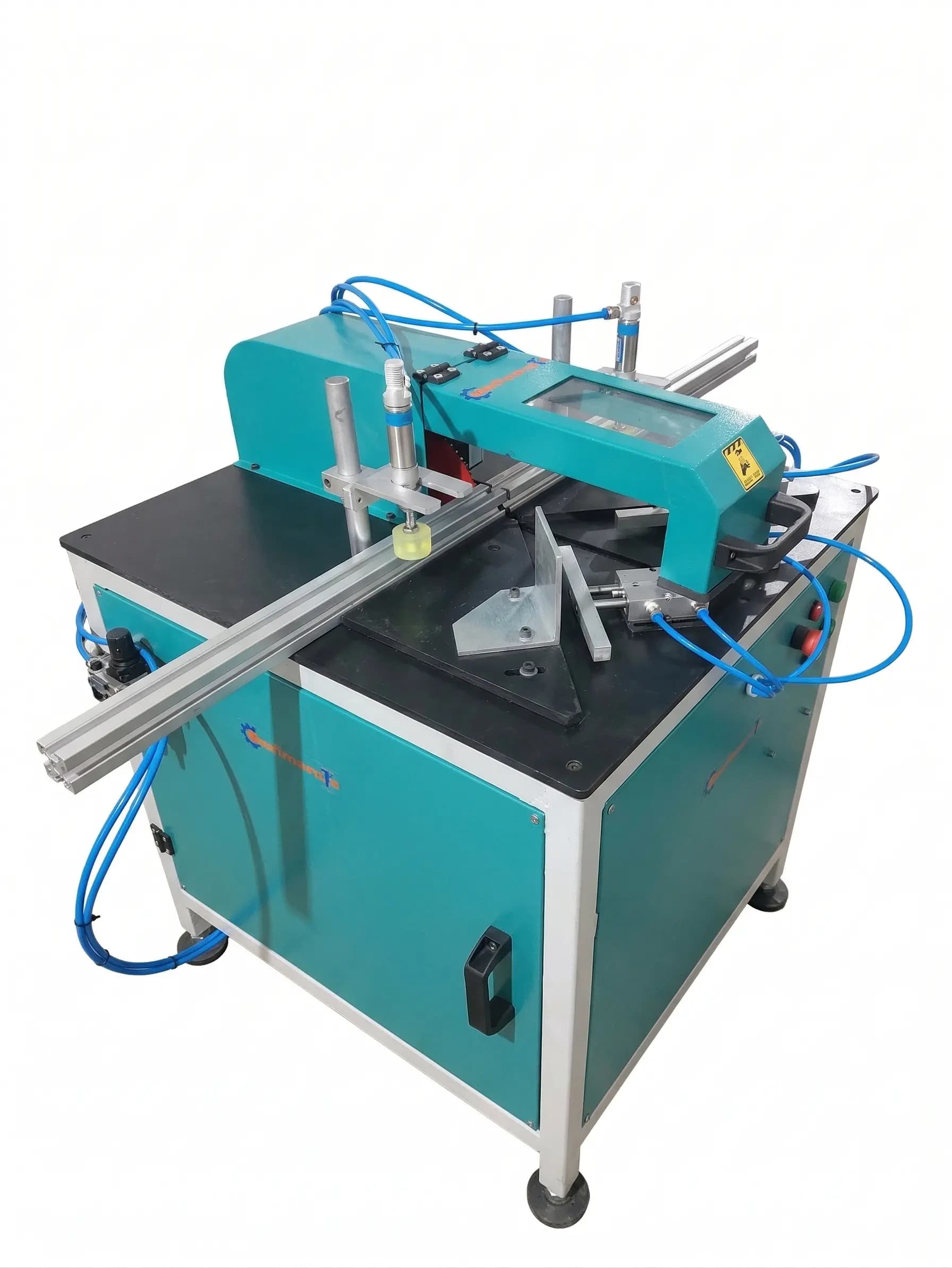
- Manual Single Head Cutting Machine: These typically feature a 2.2kW motor and a 12-inch blade. The operator manually adjusts the angle (45 or 90 degrees). While the aluminium cutter machine price is lower, the speed is limited to roughly 4 minutes per cut when accounting for manual clamping and measurement.
- Automatic Double Head Cutting Machine: This is the backbone of precision engineering. It utilizes synchronized pneumatic cylinders to clamp the profile and cut both ends simultaneously. In our testing at a facility in Butibori, Nagpur, we achieved a production rate of 1 frame every 90 seconds. The automatic double head cutting machine price India reflects its ability to maintain a tolerance of +/- 0.2mm, which is critical for the welding stage.
- Welding Precision: A manual welder requires the operator to monitor the heating plate temperature constantly. An automatic Single Head Welding Machine uses PLC controllers to manage the heating (usually 240-260°C) and cooling times (25-35 seconds), ensuring the weld strength meets IS 1285 standards.
The Nagpur Case Study: Scaling from 10 to 50 Frames
Last year, we assisted a startup in the Nagpur MIDC area that began with a manual 12-inch aluminium cutting machine. Initially, their waste rate on premium 2.5mm profiles was 12% because of inconsistent manual feed rates which caused chipping. We upgraded their line to a semi-automatic configuration including a Copy Router Machine and a double-head miter saw.
The Results:
- Output: Increased from 12 frames to 48 frames per 8-hour shift.
- Labor: Reduced from 6 operators to 3, as the automatic upvc welding machine handled the heavy lifting.
- Quality: Rejected frames dropped from 1 in 10 to 1 in 200.
This shift proved that while the initial upvc machine price list for automatic equipment is higher, the ROI is achieved within 14 months through labor savings and material optimization.
Essential Machinery for a Growing Nagpur Workshop
To compete with established upvc windows manufacturers machine setups, your workshop must house these five essential components:
- Double Head Cutting Saw: Essential for 45-degree precision. Look for a 450mm or 500mm blade diameter to handle multi-chamber profiles.
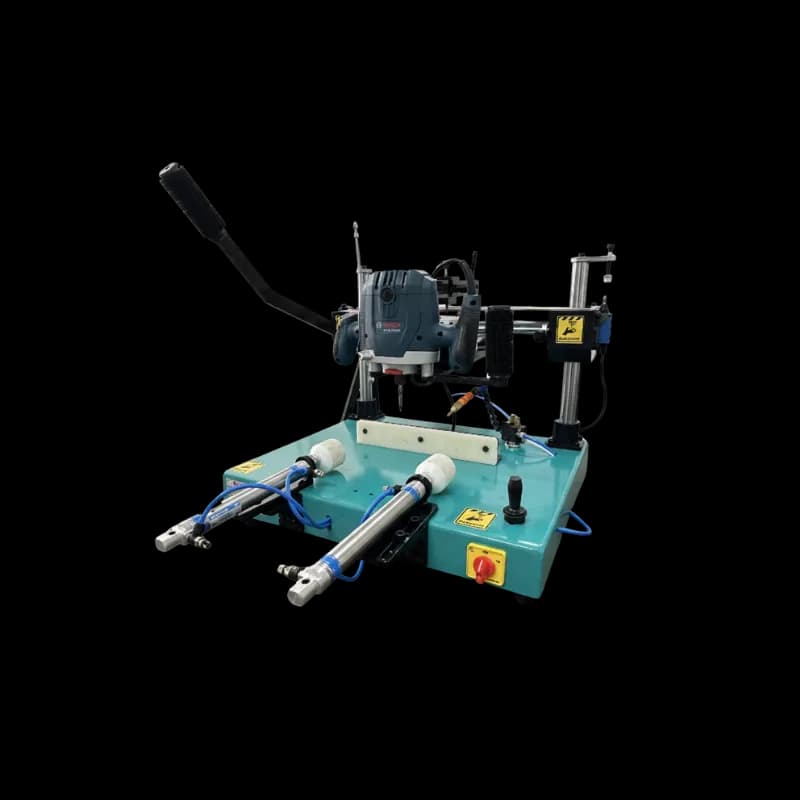
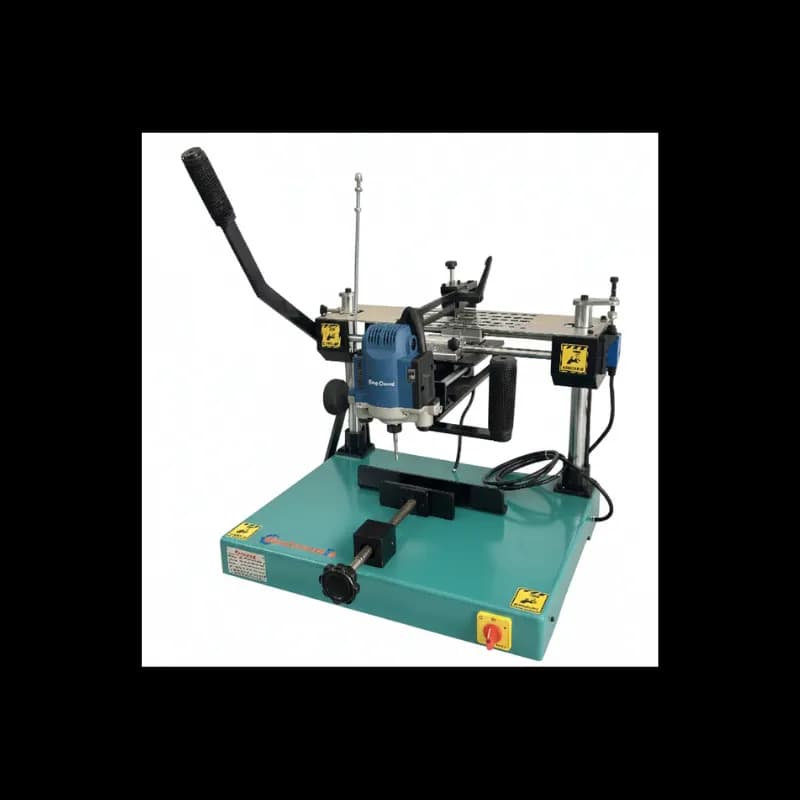
- Copy Router Machine: Used for milling lock holes and handle slots. A high-speed spindle (12,000 RPM) prevents melting the uPVC profile.
- End Milling Machine: Necessary for transom joints. Ensure it has a quick-change blade system to accommodate different profile series (60mm, 80mm, etc.).
- Welding Machine: For small businesses, a single head is sufficient, but it must have a 'seamless' welding feature to eliminate the need for manual corner cleaning on premium profiles.
- Glazing Bead Saw: Often overlooked, this machine ensures the glass-holding beads are cut to the exact millimeter, preventing rattling windows.
Common Mistakes to Avoid When Buying uPVC Machinery
Many fabricators in Maharashtra prioritize the lowest upvc windows manufacturing machine price and end up with underpowered units. Here is what to watch out for:
- Inadequate Air Pressure: A standard upvc windows machine line requires a consistent 8-bar pressure. Using a small, domestic air compressor will lead to weak clamps and dangerous blade jumps.
- Blade Quality: Never use a blade meant for wood. Ensure you use TCT (Tungsten Carbide Tipped) blades specifically designed for uPVC and aluminium fabrication to prevent overheating.
- Voltage Fluctuations: Nagpur's industrial zones can have power surges. Always install a 3-phase stabilizer to protect the PLC circuits of your automatic aluminium window production line.
ROI Analysis: Is the Automatic Upgrade Worth It?
If you are evaluating the cost of setting up uPVC window manufacturing unit in India, consider the long-term operational costs. A manual line might cost ₹3-5 Lakhs, while a semi-automatic line ranges from ₹8-12 Lakhs. However, the upvc window manufacturing machine that is automated reduces the 'Cost Per Window' by 30% by eliminating the need for highly skilled (and expensive) manual miter cutters. In a competitive market like Nagpur, being able to offer a 'seamless' corner finish at a lower price point than your competitors is the only way to secure high-volume builder projects.
FAQ: Expert Insights for Fabricators
Q: Can I use an aluminium cutting machine for uPVC profiles? Yes, but with caveats. You must ensure the RPM is adjusted and the blade has the correct tooth count. However, a dedicated upvc cutting machine usually has better cooling systems for the plastic profiles.
Q: What is the maintenance schedule for a double head cutting machine? Daily: Clean the swarf (dust) from the guide rails. Weekly: Check the pneumatic oiler levels. Monthly: Inspect the tension of the drive belts and calibrate the 45-degree stop bolts.
Q: How much space do I need for a full uPVC window manufacturing unit? A minimum of 1500 to 2000 sq. ft. is required to allow for the length of the profiles (usually 6 meters) and the movement of the frames between the cutting, welding, and cleaning stations.
Get more articles like this
Follow Mechnovate on Google to see our guides in Google Discover & News