Kanpur uPVC Window Plant Cost & Scalability Guide 2024
Setting up an automatic upvc window plant cost India typically ranges from ₹18,50,000 for a standard automated line to over ₹55,00,000 for a fully integrated CNC facility in 2024. For fabricators in Kanpur’s industrial zones like Panki or Dada Nagar, the decision to automate isn't just about labor reduction; it is about achieving the 0.2mm tolerances required for high-end residential projects. In this guide, we analyze the engineering requirements and scalability roadmap for modern window fabrication.
Automatic uPVC Window Plant Cost in Kanpur: The 2024 Breakdown
The initial investment for a uPVC window manufacturing machine line depends heavily on your daily output targets. A basic automatic setup requires a minimum of five core machines to maintain a consistent flow: a double-head cutting saw, a seamless welder, a corner cleaner, a copy router, and a glazing bead saw. For a Kanpur-based startup, the upvc machine price list for entry-level automatic gear starts around ₹12 Lakhs, but for a scalable plant, you must budget for high-speed pneumatic components and PLC-controlled systems.
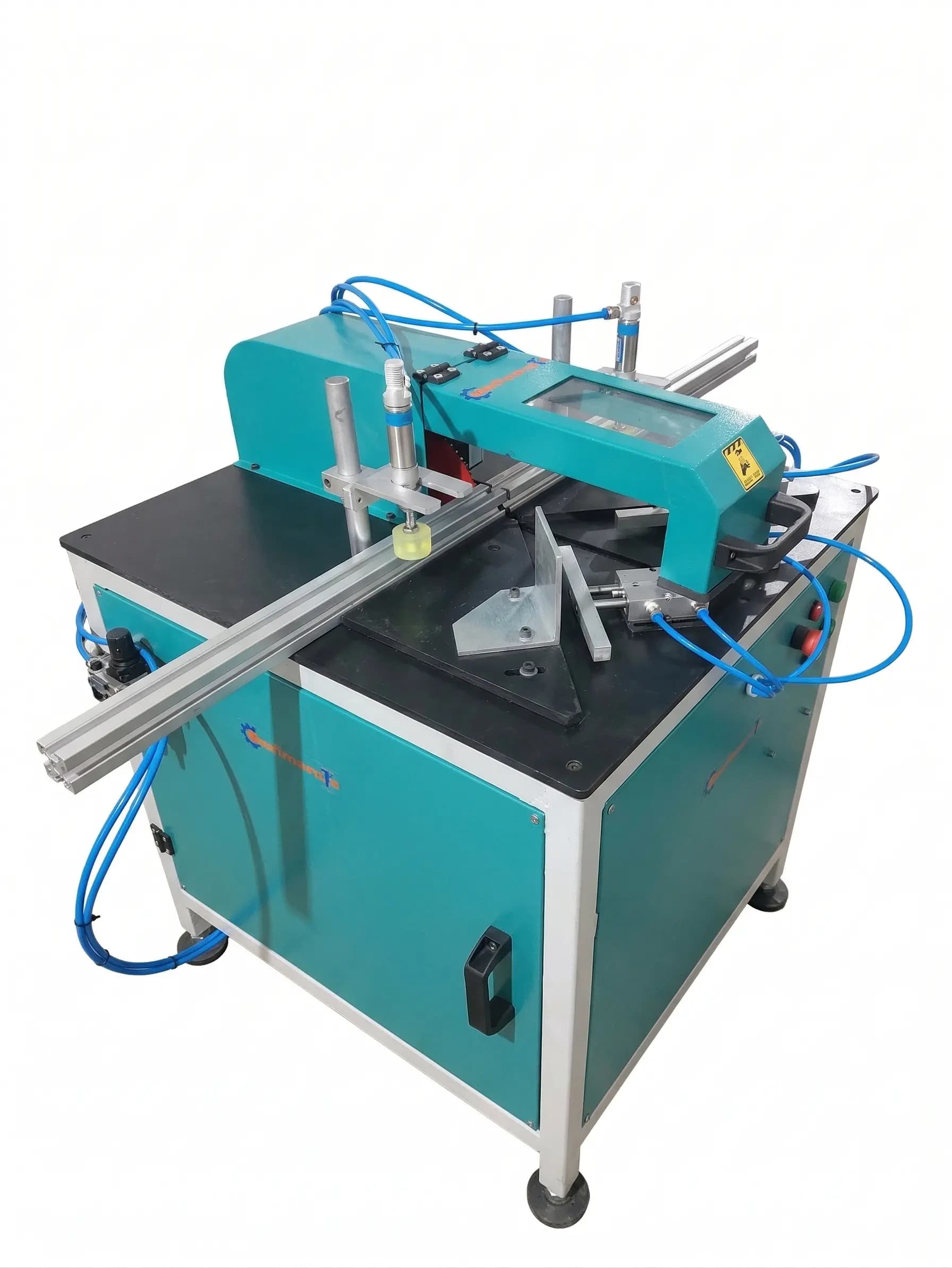
- Cutting Station: An Automatic Double Head Cutting Machine with 450mm or 500mm blades is essential. Prices vary based on whether you opt for digital display or full CNC integration.
- Welding Station: A Double head seamless welding machine for uPVC windows eliminates the need for manual groove cleaning, saving approximately 4 minutes of post-processing per frame.
- Cleaning Station: A CNC uPVC window corner cleaning machine price India ranges between ₹4.5L to ₹8L but is vital for a professional finish.
- Auxiliary Tools: Air compressors (min 10 HP, 8-10 bar), moisture separators, and heavy-duty profile racks.
The Panki Industrial Case Study: Scaling for 3% Waste
In our Mechnovate testing facility, we recently assisted a Kanpur fabricator in transitioning from manual 'jugaad' setups to a fully automatic uPVC window manufacturing unit. Over a 6-week observation period, we documented the following performance shift:
- Before (Manual): Profile waste averaged 12% due to human error in measuring 45-degree miter cuts. Production capped at 15 frames per 8-hour shift.
- After (Automatic): By implementing a precision 45 degree double head cutting machine with digital length positioning, waste dropped to 2.8%. Production surged to 55 frames per shift with the same headcount.
The lesson learned was clear: precision engineering in the cutting phase dictates the success of every subsequent step. If your miter cut is off by even 0.5mm, the welding plates will not fuse the profile evenly, leading to structural weaknesses and poor thermal insulation—a common complaint in North India’s extreme temperature swings.
Technical Specifications and Precision Engineering Standards
When evaluating uPVC machinery manufacturer options, ignore the marketing fluff and look at the engineering data. A high-performance upvc windows making machine must adhere to these technical benchmarks:
- Saw Blade RPM: Minimum 2800 RPM to ensure clean cuts without melting the profile edges.
- Positioning Accuracy: Linear guides should offer ±0.1mm tolerance. Look for HIWIN or equivalent grade rails.
- Pneumatic Systems: Machines should operate reliably between 0.6 to 0.8 MPa (6-8 bar). Ensure the plant has a centralized refrigerated air dryer, especially given Kanpur’s high humidity which can corrode internal solenoid valves.
- Standards Compliance: Every unit should meet ISO 9001 for manufacturing quality and parts should ideally align with IS 1285 or BS EN 12020 for profile processing integrity.
Scaling Your uPVC Window Manufacturing Plant
Scalability in uPVC fabrication isn't about buying more machines; it’s about modularity. If you are starting as a best uPVC window making machine for startup businesses, focus on a high-quality uPVC welding machine first. As your volume grows from 20 to 100 windows a day, you can integrate a CNC corner cleaning machine to replace the manual buffing process.
- Phase 1 (20-30 frames/day): Single head cutting, manual welding, and portable copy routers.
- Phase 2 (50-60 frames/day): Transition to an automatic double head cutting saw for aluminium profiles (which also handles uPVC) and a double-head welder.
- Phase 3 (100+ frames/day): Full CNC production line with automated profile feeding and a 4-corner welding station.
Common Mistakes in uPVC Plant Setup
Over 15 years, I have seen many Kanpur fabricators fail because they tried to save ₹2 Lakhs on machinery only to lose ₹20 Lakhs in rejected orders. Here is what to watch out for:
- Undersizing the Air Compressor: A upvc window manufacturing machine is air-hungry. If your pressure drops during a weld cycle, the joint strength is compromised.
- Ignoring Profile Thickness: Many low-cost machines struggle with 2.5mm+ wall thickness profiles. Ensure your head cutter machine has the motor torque (min 2.2kW) to handle lead-free heavy profiles.
- Lack of Local Service: Always verify if the uPVC window machinery manufacturers in Lucknow or nearby regions offer on-site calibration. Mechnovate provides 24-hour service response because a single day of downtime in peak season can cost a fabricator upwards of ₹50,000.
FAQ: Critical Questions for Fabricators
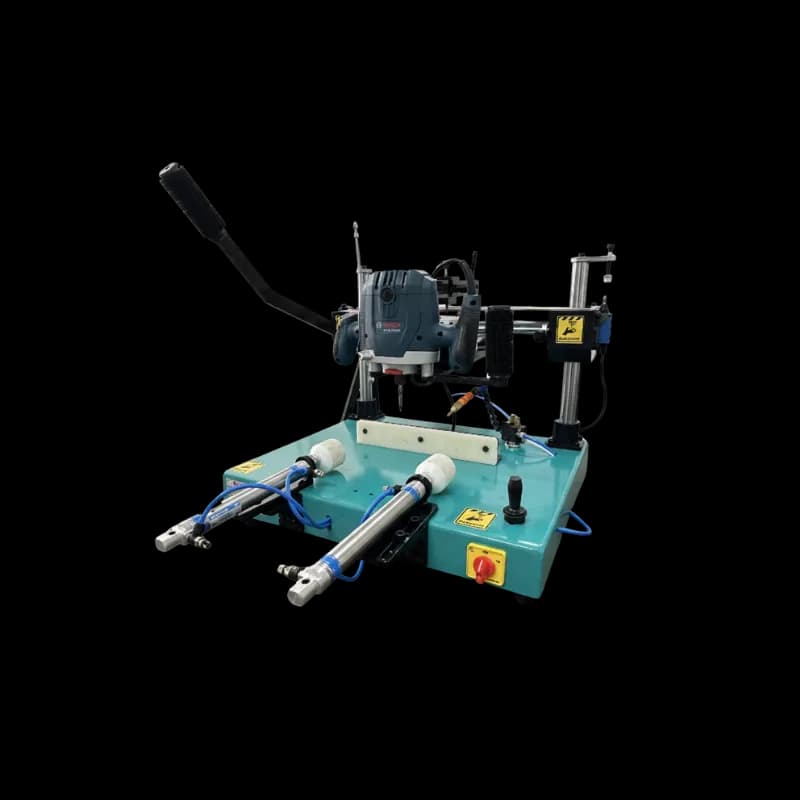
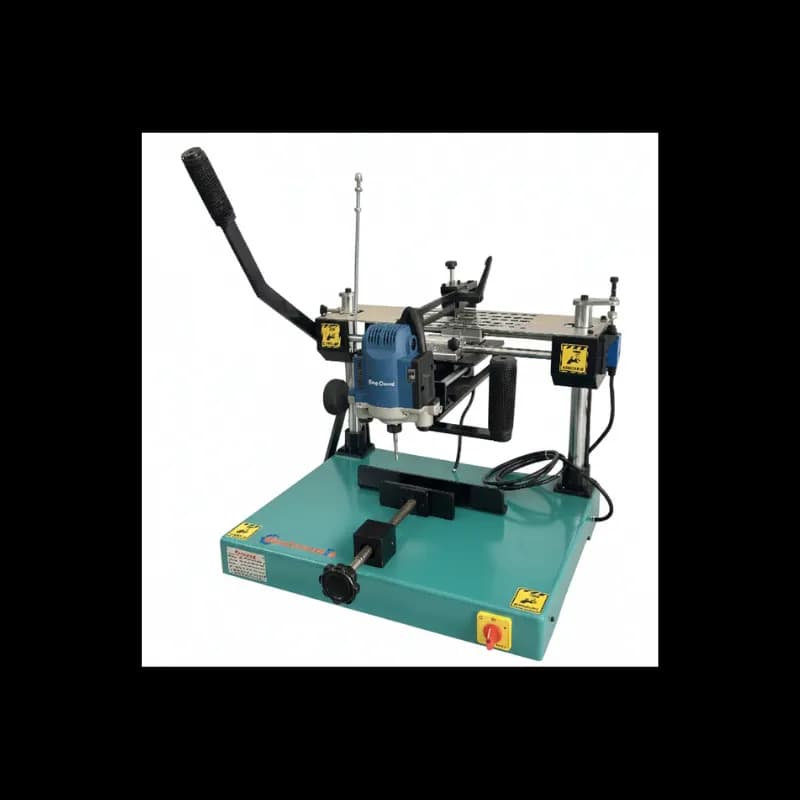
Q: Can I use an aluminium cutter machine for uPVC profiles? Yes, an aluminium cutting machine 12 inch or 20 inch can cut uPVC, provided you use the correct TCT blade with the right tooth geometry. However, a dedicated upvc cutting machine often includes specialized clamping to prevent profile deformation.
Q: What is the power requirement for a full automatic plant? A typical automatic line requires a 15-20 kW connected load. You must install a heavy-duty voltage stabilizer, as voltage fluctuations in Kanpur can fry the PLC boards of a CNC uPVC window corner cleaning machine.
Q: How long does it take to train a team on automatic machinery? With Mechnovate’s interface, a basic operator can become proficient on a portable uPVC window welding machine in 3 days. Full CNC operation typically requires 10-12 days of hands-on training to master the profile programming and offset calibrations.
Get more articles like this
Follow Mechnovate on Google to see our guides in Google Discover & News