High-Rise Window Production: Double Head Cutting Machine ROI
Optimizing High-Rise Window Production: Automatic Double Head Cutting Machine Price India and ROI
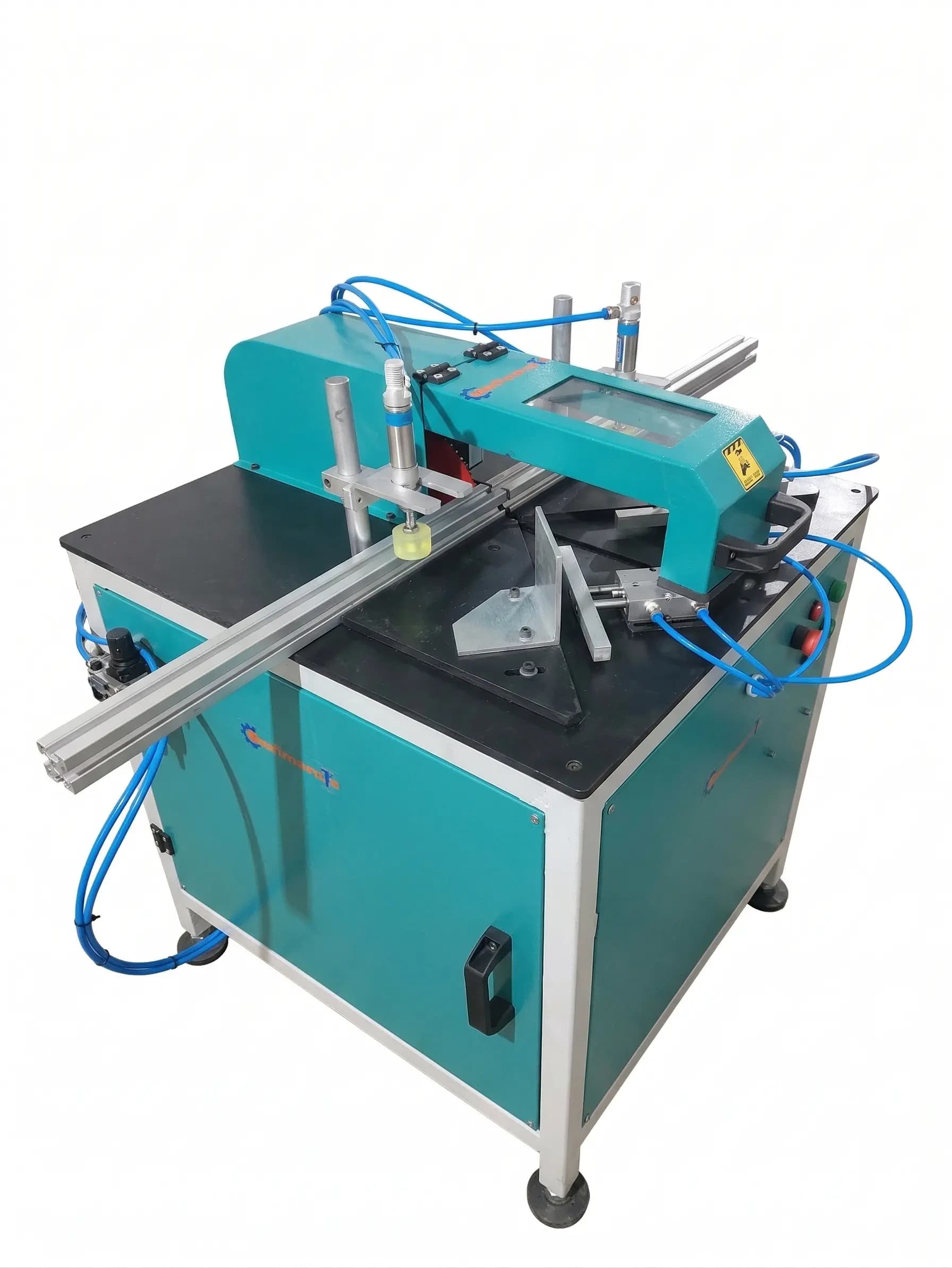
In Bangalore’s competitive high-rise construction sector, achieving structural integrity and thermal efficiency depends entirely on the precision of the window frame. For a 20-story residential project in Whitefield or Electronic City, a manual cutting error of just 0.5mm can cause catastrophic air leakage or water ingress. An automatic double head cutting saw for aluminium profiles is the industry standard for bridging this precision gap, with market prices in India ranging from ₹4,80,000 to ₹12,50,000 depending on CNC automation and blade diameter. Investing in a high-precision aluminium profile cutting machine ensures that the 45-degree and 90-degree miters meet the tight tolerances required for high-wind-load glazing.
The Engineering Reality of Window Fabrication in Bangalore
Bangalore’s climate and architectural trends demand aluminium fabrication that exceeds standard Indian market quality. When we set up a production line in the Peenya industrial area, we focused on BS EN 12020 standards for profile tolerances. High-speed 12-inch aluminium cutting machines are no longer sufficient for profiles with 2.5mm wall thickness; you need a 500mm blade with a controlled hydro-pneumatic feed to prevent profile deformation. A heavy duty aluminium profile end milling machine must follow the cutting process to ensure seamless mullion joining.
- Feed Rate Optimization: We recommend a feed rate of 3-5 meters per minute for 6063-T6 aluminium alloys to minimize burr formation.
- Blade Geometry: Using a negative rake angle blade significantly improves the surface finish on powder-coated profiles.
- Clamping Pressure: Horizontal and vertical pneumatic clamps must exert at least 6-8 bar pressure to prevent profile vibration during high-speed rotation.
- Cooling Systems: Mist spray lubrication is mandatory for heat dissipation, preventing the 'welding' of chips to the blade teeth.
Case Study: Reducing Waste from 12% to 3% in Peenya
In my 15 years of workshop experience, the most significant gain I witnessed was at a large-scale facility where they were using single-head manual saws. They were experiencing a 12% waste rate due to human measurement error and 'creeping' cuts. We implemented a 45-degree double head cutting machine with a digital display system and observed a 40% increase in daily frame output. Within six weeks, the waste was reduced to under 3%, which, at current aluminium prices per kg, saved the company nearly ₹1.2 Lakhs per month.
ROI Analysis: Is the Automatic Double Head Cutting Machine Price Justified?
When evaluating the upvc machine price list or aluminium cutting machine price, fabricators often overlook the total cost of ownership. A cheap machine requires frequent blade sharpening and has a higher downtime due to pneumatic cylinder failure. The automatic aluminium window production line price is justified when you calculate the labor saving from three manual operators down to one semi-skilled technician. In Bangalore's high-labor-cost environment, the machine typically pays for itself within 14 to 18 months of consistent operation.
- Manual Output: 15-20 windows per shift (high error rate).
- Semi-Automatic Output: 45-55 windows per shift.
- Full CNC Output: 80+ windows per shift with sub-millimeter repeatability.
- Structural Safety: Accurate cuts ensure the corner crimping process achieves maximum mechanical strength for ISO 9001 compliance.
Common Pitfalls in uPVC and Aluminium Machinery Procurement
Many startups make the mistake of choosing a uPVC window making machine based solely on the lowest quote. I have seen countless 'best upvc window making machine for startup' units sitting idle because the manufacturer failed to provide a stable service center in Bangalore. Always verify the spindle motor's kW rating and ensure the machine uses reputable electrical components like Schneider or Siemens. An underpowered motor will struggle with heavy-duty profiles used in 120mm sliding systems, leading to motor burnout and uneven cuts.
Technical Standards and Safety Considerations
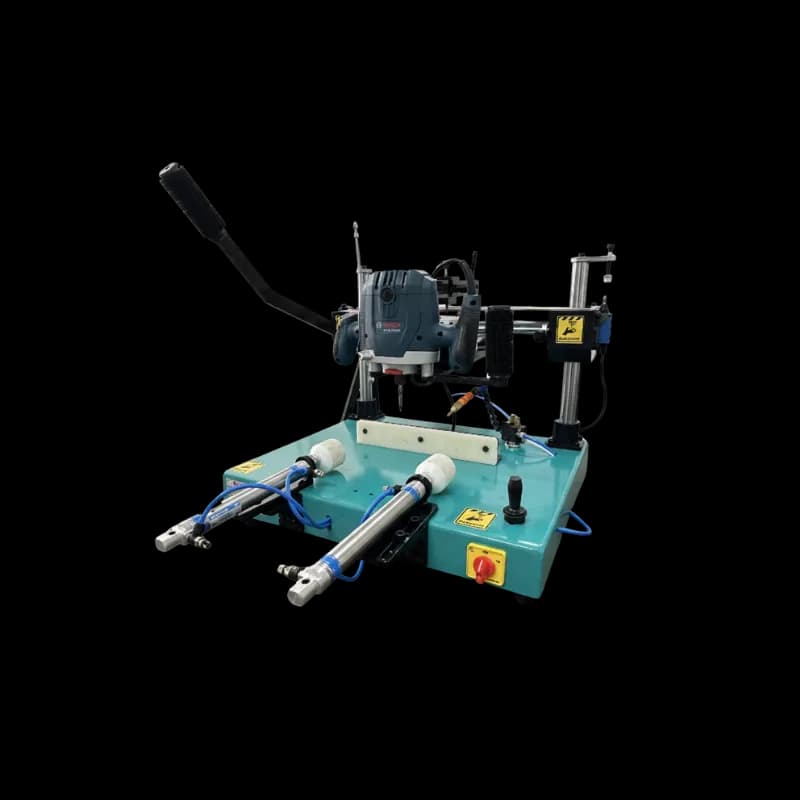
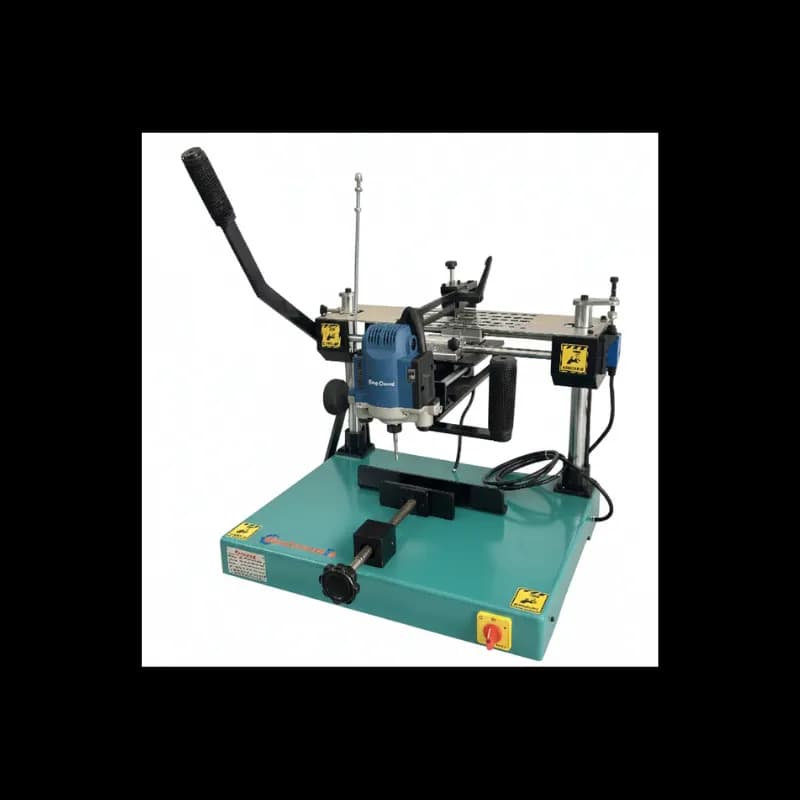
Every industrial aluminum door manufacturing equipment must adhere to Industrial profile cutting safety standards. At Mechnovate, we insist on dual-hand safety triggers and protective hoods that fully enclose the 500mm blades during the cutting cycle. High-speed copy routers for aluminium windows should also be integrated into the workflow to ensure hardware slots are milled precisely without compromising the profile's structural integrity. Neglecting these safety features can lead to workplace accidents and costly legal liabilities under Indian labor laws.
FAQ: Fabricator Queries on Double Head Cutting Saws
Q: What is the ideal blade diameter for high-rise window profiles? A: For profiles used in high-rise buildings, which often feature 100mm to 150mm depths, a 500mm or 600mm blade is essential to ensure a clean, single-pass cut across the entire width and height.
Q: Can one machine handle both uPVC and Aluminium? A: While technically possible with different blades, the RPM requirements differ. Aluminium requires higher torque and lower RPM compared to uPVC. For a professional setup, we recommend dedicated uPVC window manufacturing machinery for vinyl and specialized aluminium cutters for metal.
Q: How do I maintain the precision of my 45-degree cuts over time? A: Check the calibration of the pivot points and the condition of the linear guide rails every 1,000 cuts. Ensure the pneumatic oiler is full and the air pressure remains consistent at 7 bar to prevent 'jerky' head movements.
Get more articles like this
Follow Mechnovate on Google to see our guides in Google Discover & News