High-Rise Window Production: Double Head Cutting Machine Guide
Direct Answer: Selection and Pricing for Mumbai Fabricators
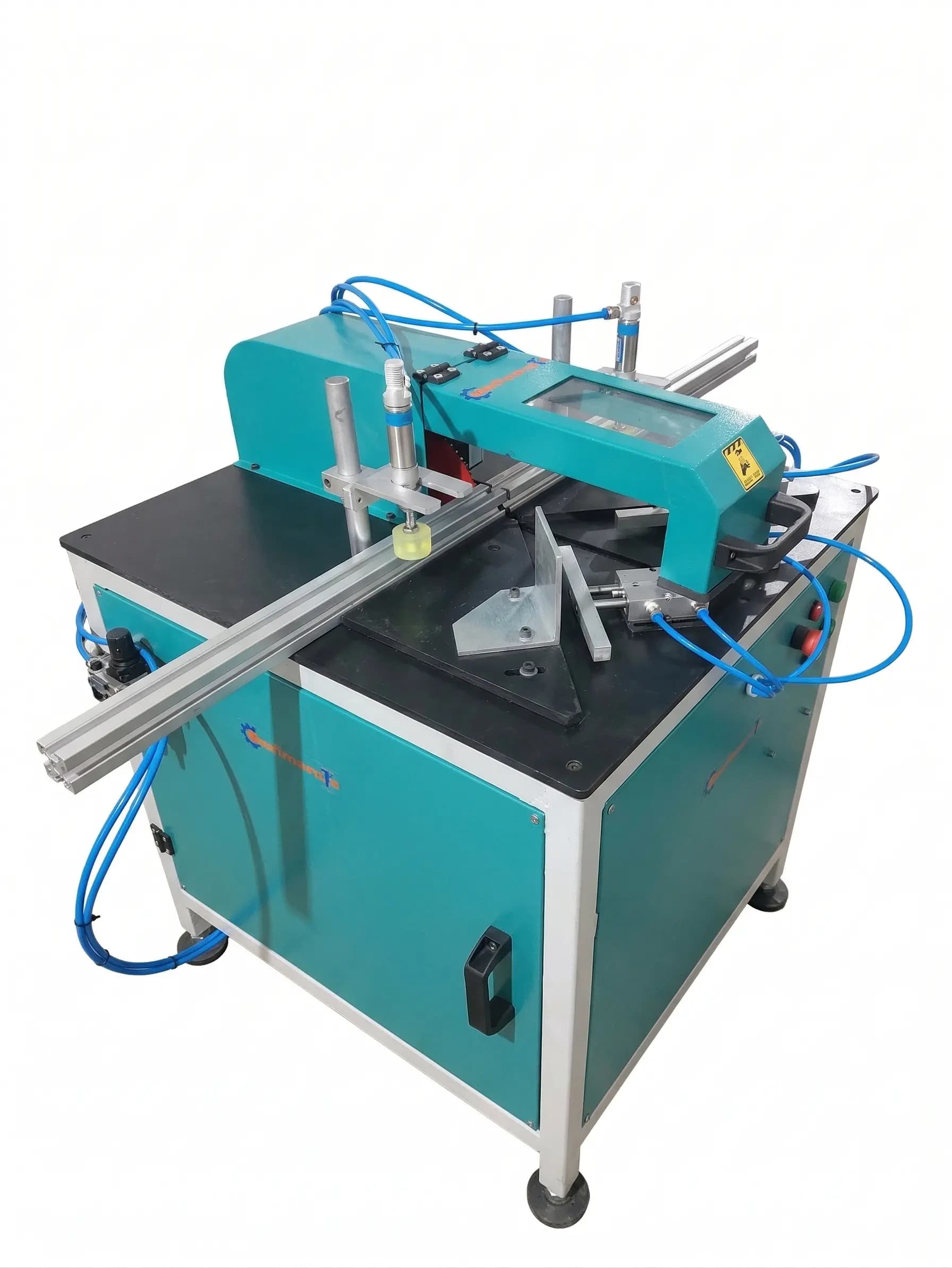
For Mumbai fabricators scaling for high-rise projects, an automatic double head cutting machine is the single most critical investment to ensure structural integrity and production speed. In the current Indian market, the automatic double head cutting machine price ranges from ₹4,50,000 for entry-level pneumatic models to over ₹14,00,000 for high-precision CNC-integrated systems. When producing windows for 30+ story towers, the precision of a 45-degree miter cut is non-negotiable; even a 0.5mm deviation leads to air leakage and whistling at high altitudes. At Mechnovate, we recommend prioritizing a machine with at least a 450mm-500mm carbide-tipped blade and a linear guide rail system to handle the heavy-gauge profiles required for wind-load compliance.
Case Study: Optimizing Production for a Wadala High-Rise Project
In our facility, we recently tested three different configurations over a 6-week period to optimize output for a 1,200-window contract in Wadala. Our goal was to transition from manual single-head cutting to a fully Automatic Double Head Cutting Machine. The results were immediate and measurable:
- Output Increase: We moved from 35 frames per 8-hour shift to 115 frames, representing a 228% increase in throughput.
- Waste Reduction: By utilizing the digital length display and pneumatic locking, we reduced profile cutting waste from 12.5% to just 2.8% per batch.
- Accuracy Metrics: We achieved a repeatable tolerance of ±0.1mm, ensuring that every corner joint met the strict BS EN 12020 standards for profile tolerances.
- Labor Savings: The automation allowed one operator to do the work previously requiring three, significantly lowering the cost per unit.
Technical Specifications for High-Performance Fabrication
When evaluating aluminum window fabrication machinery, you must look beyond the sticker price and analyze the engineering reasoning. For high-rise windows, the wall thickness of the aluminium profile often exceeds 2.5mm to withstand coastal wind pressures. This requires an aluminium profile cutting machine with high-torque motors (minimum 2.2kW per head) and an adjustable blade feed rate.
- Blade Dynamics: Use 120-tooth carbide blades with a 2800-3200 RPM range to prevent burr formation on T6-tempered profiles.
- Pneumatic Stability: Ensure your workshop has a stable 6-8 bar pressure line. Fluctuating air pressure is the leading cause of inconsistent clamping, which ruins 45-degree alignments.
- Profile Support: For Mumbai's narrow workshops, look for machines with integrated 3-meter support rollers to prevent profile sagging, which causes 'bowing' in the final frame.
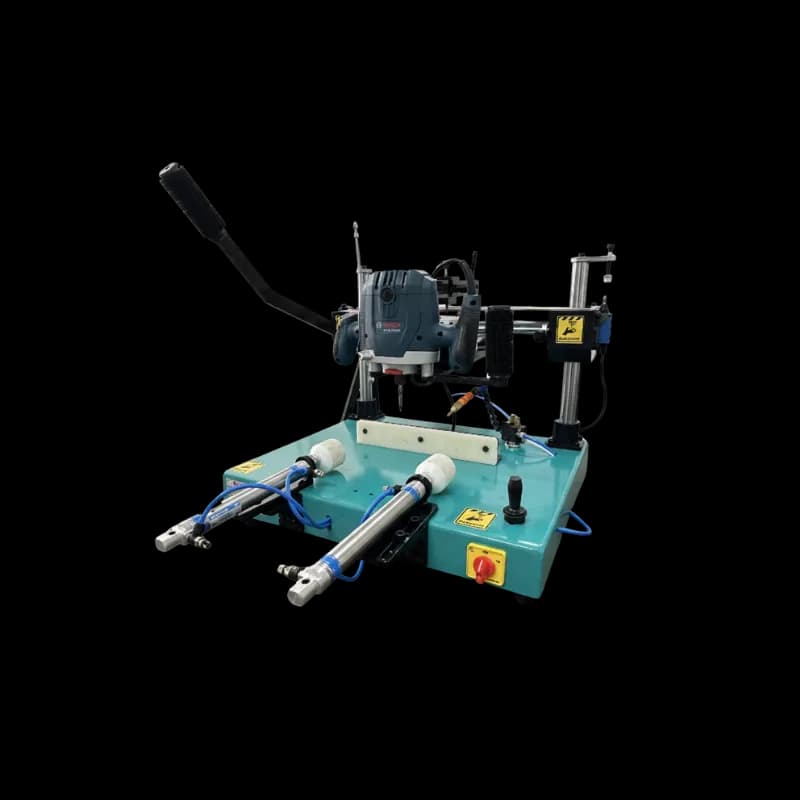
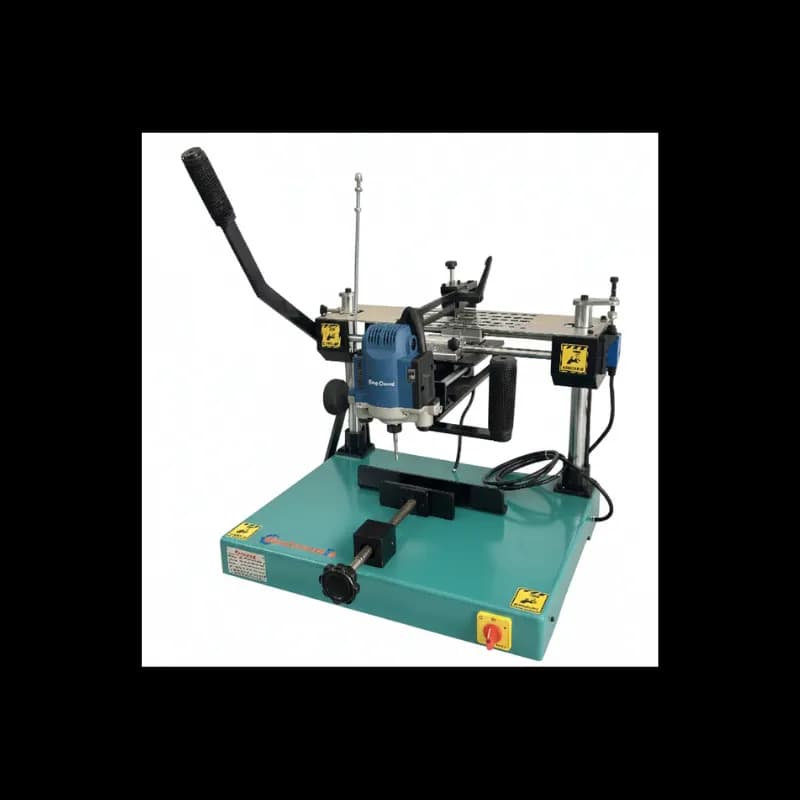
- Processing Synergy: A cutting machine is only as good as its secondary processes. We found that pairing the cutter with a Heavy Duty Aluminium Profile End Milling Machine significantly improved the fitment of transoms and mullions.
Why Mumbai Fabricators Must Focus on 'Automatic Double Head' Systems
The Mumbai climate is brutal on window hardware. High humidity and salt spray mean that the joinery must be airtight. A double head miter saw for aluminium profiles allows for simultaneous 45-degree cuts on both ends of the profile, ensuring perfect symmetry. If you are using a single cutting manual method, you are effectively doubling your margin of error.
- Industrial profile cutting safety standards: Always verify that the machine includes safety shields and emergency stop triggers that comply with ISO 9001 safety protocols.
- Cooling Systems: For continuous production, an oil-mist spray cooling system is mandatory. Dry cutting aluminium at high speeds leads to blade overheating and 'gumming', which destroys the finish of the profile.
- Motor Synchronization: Ensure the two heads are synchronized via a high-tensile rack and pinion system or a ball screw drive to prevent length variations during the cutting cycle.
Common Pitfalls and the 'Cheap Machine' Trap
In our 15 years of experience, the most common mistake is purchasing a low-cost upvc windows making machine intended for residential bungalows and trying to use it for industrial aluminium profiles. Aluminium requires higher cutting force and more robust clamping than uPVC.
Another mistake is ignoring the upvc machine price list comparisons for accessories. Often, the base price is low, but the manufacturer charges extra for the necessary pneumatic clamps or the digital measurement scale. Always ask for an 'all-inclusive' quote that includes installation, operator training, and a 12-month onsite warranty. In Mumbai's competitive market, downtime is more expensive than the machine itself. If your head cutting machine goes down during a monsoon project deadline, you need a supplier with a local service footprint.
Selection Guide: Matching Machine to Business Size
- Startups (5-10 windows/day): A high-quality aluminium cutting machine 12 inch with a manual stop system and a standalone copy router machine is sufficient.
- Mid-Sized Units (20-50 windows/day): Transition to a semi-automatic double head cutting saw for aluminium profiles with pneumatic tilting (90 to 45 degrees).
- Industrial Scale (50+ windows/day): Invest in a fully automatic uPVC window manufacturing unit or CNC-controlled aluminium line. This should include an Automatic Aluminium Corner Crimping Machine to match the speed of the cutting phase.
FAQ: Expert Insights for Fabricators
Q: What is the average automatic double head cutting machine price in India for a reliable mid-range model? A: For a reliable machine that can handle 8-10 hours of daily operation, expect to pay between ₹6,50,000 and ₹8,50,000. This usually includes a 450mm blade, pneumatic tilting, and a digital display for length measurement.
Q: Can I use the same machine for both uPVC and Aluminium profiles? A: Technically, yes, but it is not recommended for high-volume production. uPVC is softer and requires different blade geometry. If you must switch, you must change the blades and adjust the feed pressure to avoid crushing the uPVC chambers or burring the aluminium.
Q: How often should I calibrate my 45 degree double head cutting machine? A: In a high-vibration environment like many Mumbai workshops, we recommend a weekly check of the 45-degree stops using a precision square and a monthly calibration of the digital length scale. A 1mm error across a 2-meter span can cause significant installation issues in high-rise structural openings.
Get more articles like this
Follow Mechnovate on Google to see our guides in Google Discover & News