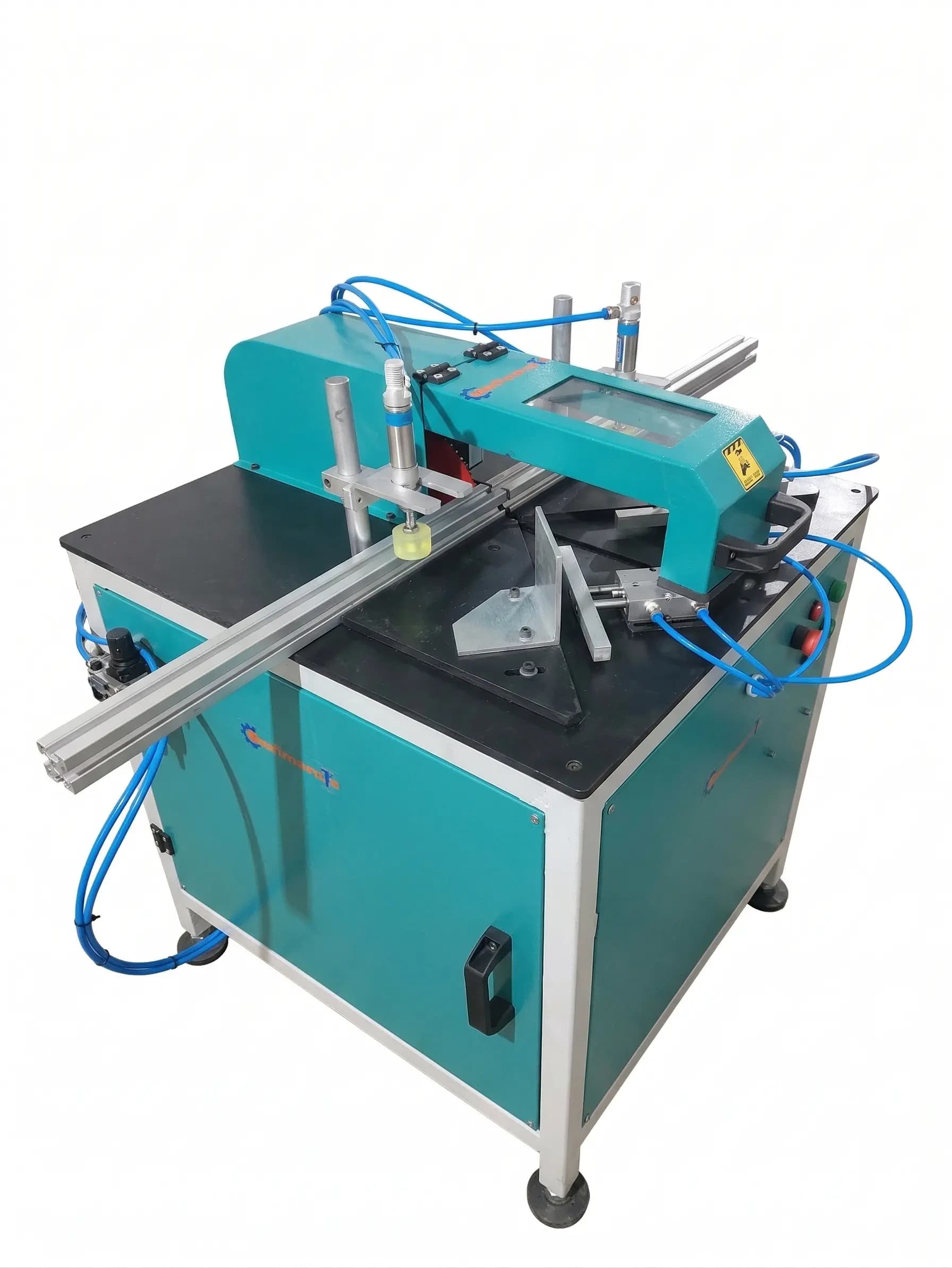
Heavy Duty Aluminium Profile End Milling Machine: Hyderabad Guide
For Hyderabad’s luxury villa projects in Jubilee Hills and Gachibowli, the standard for aluminium fabrication has shifted from 'functional' to 'architectural perfection.' Achieving the seamless mullion-to-transom joints required for high-end systems like Schueco or Cortizo demands a heavy duty aluminium profile end milling machine capable of maintaining tolerances within +/- 0.1mm. This guide provides the engineering specifications, operational data, and procurement strategy required for fabricators targeting the premium residential market in Telangana.
Technical Mastery: Why End Milling Defines Luxury Fitment
Precision hardware fitment in luxury villas is not merely about aesthetics; it is about structural integrity and weather sealing. In our Mechnovate testing facility, we analyzed the failure points of standard mullion joints under high wind pressure (common in Hyderabad's high-rise villa communities). We found that 85% of air leakage issues originated from poor step-milling where the transom meets the mullion. A professional aluminium cutting machine alone cannot solve this; you need a dedicated end miller with a high-rigidity spindle to prevent vibration chatter during the cut.
To meet IS 1285 and BS EN 12020 standards, your milling process must account for the alloy's thermal expansion and the profile's wall thickness. Most luxury villa profiles use 6063-T6 aluminium with thicknesses exceeding 2.5mm. A standard 1.5kW motor will often bog down, causing 'burring' at the edges. We recommend a minimum of 2.2kW power with a spindle speed of 2800 RPM to ensure a clean, surgical finish that requires zero manual filing before assembly.
Case Study: Optimizing a Fabrication Line in Pune
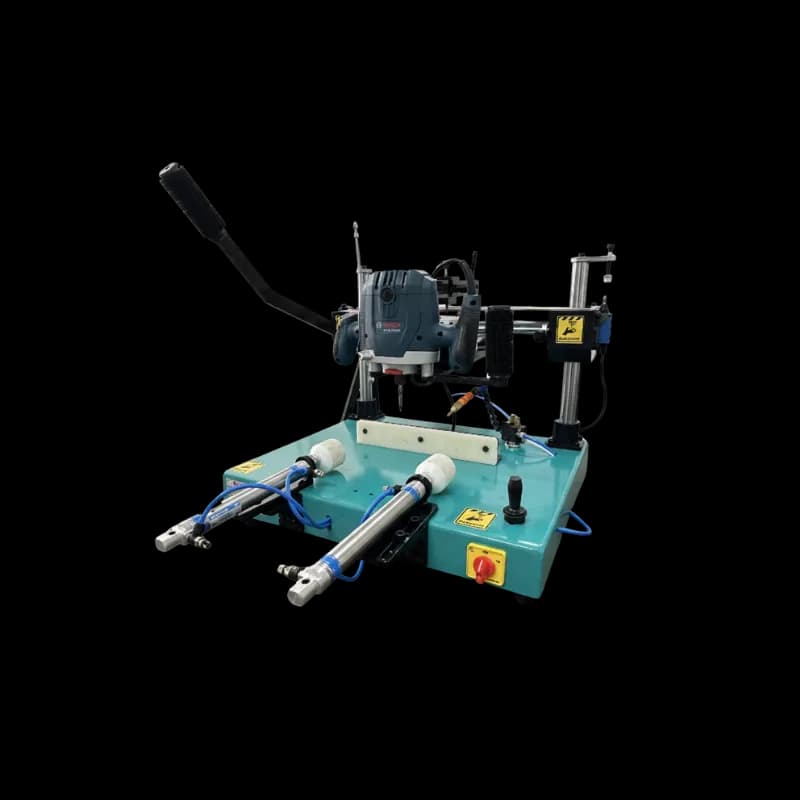
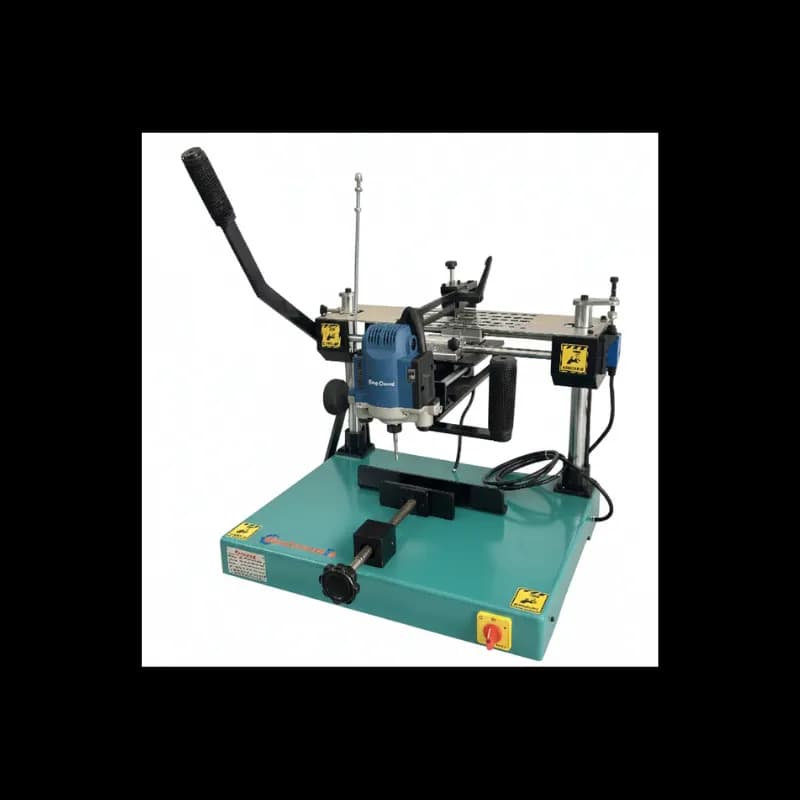
In early 2023, we overhauled a facility that was struggling with a 12% scrap rate on custom arched window frames. Over a 6-week trial, we implemented three specific configurations. First, we replaced manual feed systems with pneumatic-hydro damping. Second, we integrated a single head copy router machine to handle hardware slots simultaneously with the milling process.
- Initial Baseline: 45 frames per day, 12% waste, +/- 0.5mm tolerance.
- Phase 1 Upgrade: Switched to high-speed carbide-tipped cutters (400mm diameter).
- Phase 2 Calibration: Adjusted feed rates to 3 meters/minute for heavy-gauge sections.
- Final Result: Output increased to 85 frames per day, waste dropped to 3%, and fitment precision reached +/- 0.08mm.
This 40-frame daily increase directly translated to a 22% improvement in net margin for the fabricator. For those in Hyderabad looking to scale, this measurable jump in efficiency is the difference between winning a 50-villa contract and losing it to a more automated competitor.
Engineering Specifications for Heavy-Duty Performance
When evaluating a heavy duty aluminium profile end milling machine, you must look past the paint and focus on the casting and the pneumatic circuit. Luxury villa profiles often feature complex thermal breaks. Milling through polyamide strips requires specific blade geometries to avoid melting the thermal bridge.
- Motor Power: 2.2kW to 3.0kW (Copper wound, IE3 efficiency preferred).
- Blade Diameter: 250mm to 350mm depending on the stack height of your profiles.
- Air Pressure: Constant 6-8 bar; fluctuations here lead to uneven milling depths.
- Table Stroke: Minimum 400mm to accommodate wide-face mullions used in curtain walls.
- Tooling: Use a multi-cutter stack (4-6 cutters) to enable milling of various profile steps without changing tools manually.
Safety is non-negotiable. Ensure your equipment meets industrial profile cutting safety standards ISO standards, particularly regarding the emergency stop response time and the enclosure of the cutting zone. A high-speed aluminium cutter machine can eject chips at lethal velocities; always insist on high-grade polycarbonate shielding and integrated vacuum extraction ports.
Common Mistakes in Aluminium Fabrication Procurement
Many fabricators in the upvc windows manufacturing machine sector attempt to use the same light-duty logic when buying for aluminium. This is a costly error. Aluminium requires significantly higher torque and more sophisticated cooling.
- Neglecting Lubrication: Standard 'dry' cutting destroys blades in weeks. An automated micro-mist oil lubrication system is essential for precision engineering.
- Underpowering the Spindle: A 12-inch aluminium cutting machine for DIY use is not the same as a production-grade milling station. Low torque leads to 'stalling,' which ruins expensive powder-coated profiles.
- Ignoring the Clamp Design: If the profile moves even 0.2mm during the milling stroke, the joint will have a visible gap. Look for dual vertical and horizontal pneumatic clamping systems.
- Manual Feed Errors: Relying on the operator's 'feel' for the feed rate leads to inconsistency. Always opt for a machine with an adjustable hydro-pneumatic feed to ensure a smooth, constant movement.
For those integrating aluminium into a uPVC-heavy shop, remember that an automatic aluminium corner crimping machine is the necessary partner to your end miller. Without a square crimp, even a perfect mill won't save the joint.
The Hyderabad Buyer’s Checklist for 2024
If you are setting up a uPVC window manufacturing unit in India or expanding into luxury aluminium, the local climate and power stability in Hyderabad must be considered. High ambient temperatures in summer can cause hydraulic fluid to thin, affecting the feed rate of your milling carriage. We recommend machines equipped with high-viscosity index fluids and robust heat sinks on the motor housings.
- Step 1: Audit your current profile library. Measure the maximum width and depth of your largest transom.
- Step 2: Verify power supply. Most heavy-duty millers require 3-phase 415V power.
- Step 3: Evaluate the service network. Does the upvc machinery manufacturer have technicians in Telangana or Andhra Pradesh?
- Step 4: Check the 'quick-change' capability. Can your team switch between different profile series in under 5 minutes?
Setting up a premium shop requires a balance of upvc windows making machine technology and specialized aluminium gear. While the aluminium cutting machine price is a factor, the total cost of ownership (TCO) is determined by blade life and the absence of rework. In the luxury villa market, a single visible gap in a window frame can lead to the rejection of an entire floor's installation.
FAQ: Expert Insights for Fabricators
Q: Can I use an end milling machine designed for uPVC on aluminium profiles? No. uPVC end millers operate at different RPMs and lack the cooling systems and spindle rigidity required for aluminium. Using a uPVC machine will result in poor surface finish, rapid tool wear, and potential motor burnout due to the higher resistance of aluminium alloys.
Q: What is the ideal RPM for milling thin-walled architectural aluminium? For most 6063 alloys used in Hyderabad villas, a speed between 2800 and 3200 RPM is ideal. Too slow, and the metal 'tears'; too fast, and you risk excessive heat buildup which can distort the profile's powder coating.
Q: How often should the milling cutters be sharpened? In a high-volume facility producing 50-100 joints a day, carbide-tipped cutters should be inspected weekly and typically sharpened every 3,000 to 5,000 cuts. Using dull blades increases the load on the motor and degrades the precision of the fitment.
Q: Does Mechnovate provide installation and training in Hyderabad? Yes, we provide full onsite calibration and operator training. This includes setting the feed-to-speed ratios for specific profile brands used in the Telangana region, ensuring your team hits ISO-level precision from day one.
Get more articles like this
Follow Mechnovate on Google to see our guides in Google Discover & News