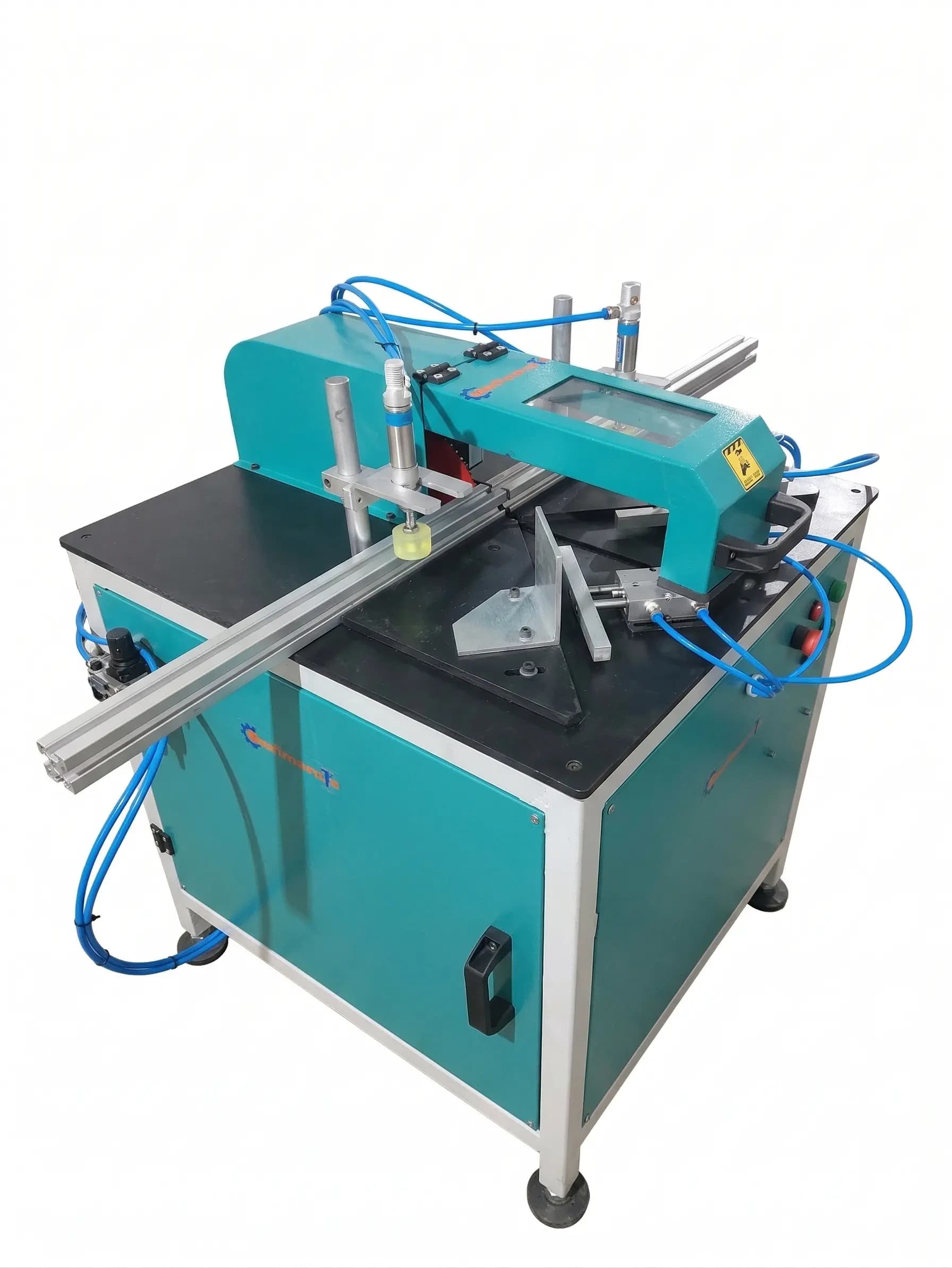
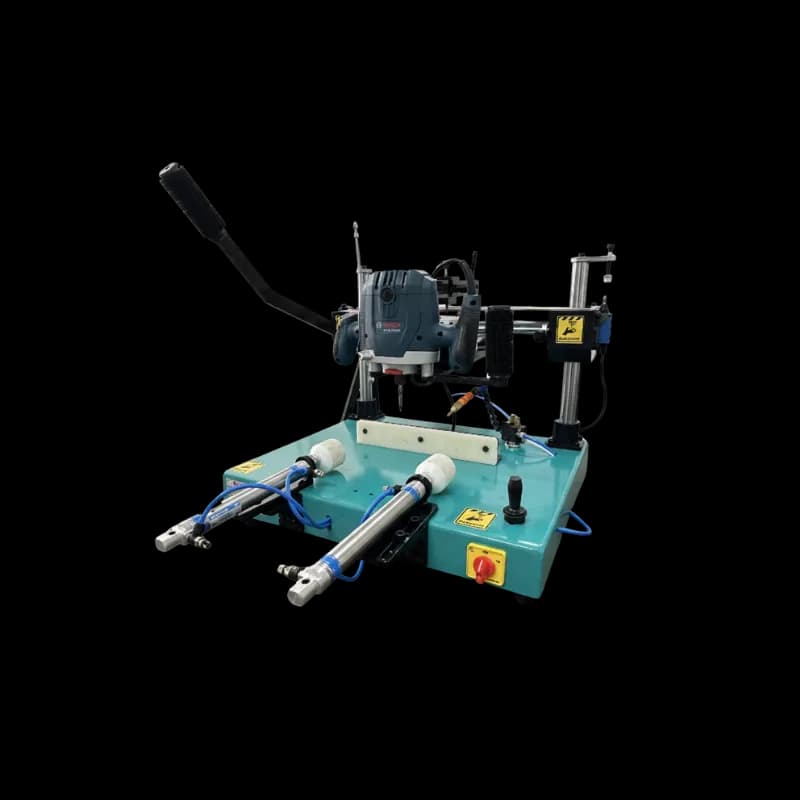
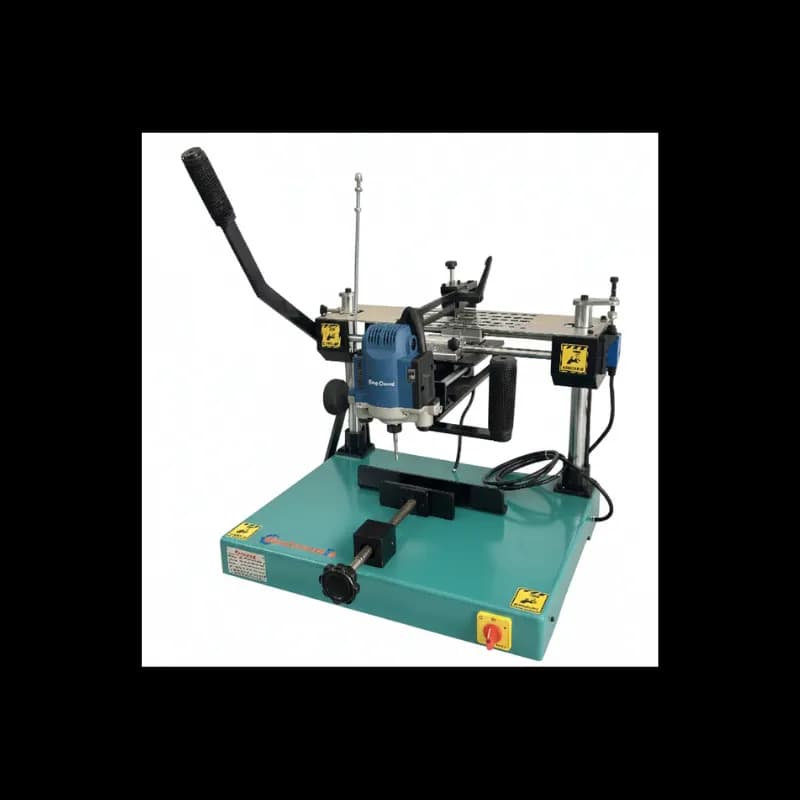
Flawless Handle Slots: Indore High Speed Copy Router Guide
Achieving burr-free, dimensionally accurate handle slots in Indore’s premium architectural aluminium sections requires more than just a steady hand; it demands a calibrated copy router machine running at specific spindle speeds. In the competitive Indore market, where slim-line profiles are becoming the standard for luxury residences, a 0.5mm deviation in a handle slot can result in visible gaps or lock malfunctions. This guide provides the technical engineering framework to transition from manual methods to a high-speed system that ensures repeatable precision. ## Real-World Performance: The Indore Workshop Case Study In our recent collaboration with an aluminium fabrication unit near Pithampur, we audited their production line which was struggling with high rejection rates. The facility was using traditional drill-and-file methods, resulting in a 12% scrap rate on expensive powder-coated sections. We implemented a 1.5kW High Speed Copy Router for Aluminium Windows and optimized the workflow over a four-week trial period. The results were measurable and immediate: we reduced handle slot processing time from 14 minutes per frame to just 95 seconds. More importantly, the scrap rate dropped from 12% to less than 2.5%, saving the firm approximately ₹45,000 per month in material wastage alone. This improvement was achieved by strictly adhering to a 12,000 RPM spindle speed and utilizing a 5mm solid carbide single-flute bit. ## Technical Specifications for Precision Engineering High-speed routing is not simply about raw power; it is about the harmonic balance between the motor, the template, and the profile thickness. For standard 1.2mm to 2.5mm aluminium profiles, the following engineering parameters are non-negotiable for achieving a mirror-finish cut. 1. Spindle Speed: Maintain a minimum of 12,000 RPM to prevent the aluminium from 'gumming' or melting onto the bit. 2. Pneumatic Clamping: Use dual-horizontal clamps set at 6-8 bar pressure to eliminate vibration chatter during the plunge. 3. Cooling System: A pulse-mist lubricant system is essential; dry cutting at high speeds will dull a carbide bit within 50 cycles. 4. Template Ratio: Ensure your copy template is a 1:1 ratio with hardened steel edges to prevent the tracer pin from wearing down the guide over time. These specifications align with Industrial profile cutting safety standards ISO standards, ensuring that the aluminum cutting machine operates within safe structural limits while maintaining high output. ## Step-By-Step Setup for Handle Slot Milling To achieve consistent results across 100+ frames a day, your workshop must follow a rigorous calibration protocol. Skipping a single step in the alignment phase can lead to asymmetric slots that ruin the aesthetic of premium windows. 1. Profile Alignment: Secure the profile against the back fence, ensuring the 'reference face' is always the one that will face the interior of the building. 2. Depth Stopper Calibration: Set the turret stop to 2mm beyond the wall thickness to ensure a clean exit without hitting the back wall of the profile. 3. Tracer Pin Synchronization: Check that the tracer pin is perfectly centered with the router bit using a dial gauge; even a 0.2mm offset will create lopsided slots. 4. Lubrication Check: Verify that the spray mist is hitting the contact point of the bit, not just the surface of the profile, to ensure heat dissipation. This process is applicable whether you are using a standalone unit or an automatic aluminium window production line price setup. For those transitioning from uPVC, remember that aluminium requires higher torque and specific chip-evacuation strategies. ## Avoiding Common Fabrication Mistakes In my 15 years on the floor, I have seen many fabricators blame the copy router machine for errors that are actually caused by poor maintenance or incorrect tool selection. One common mistake is using two-flute bits intended for wood; these will clog instantly with aluminium chips and snap. Another critical error is 'plunge-forcing', where the operator pushes the handle too fast. This causes the motor to bog down, losing RPM and creating a jagged, burred edge that requires manual filing. Always let the tool do the work, moving in a clockwise direction for internal cutouts to utilize the climb-milling principle. Furthermore, ensure your pneumatic lines have a moisture separator; Indore’s humidity can lead to water in the air lines, which corrodes internal solenoid valves and causes inconsistent clamping pressure. This is a common issue seen with upvc windows machines as well, where precision is lost over time due to poor air quality. ## Equipment Selection and Scaling Your Business When looking at the aluminium cutting machine price, consider the long-term ROI of integrated features like triple-hole drilling for handles. While a basic copy router handles the main slot, a machine that can simultaneously drill the three holes for the handle base will increase your throughput by another 30%. For startups in Indore, starting with a heavy-duty manual copy router is often more cost-effective than a cheap, low-end automatic unit. If you are also handling uPVC, ensure your machinery suite includes a reliable upvc welding machine and a upvc window manufacturing machine to diversify your project portfolio. Mechnovate’s range of Aluminum window fabrication machinery is designed specifically for the Indian power grid, featuring voltage stabilizers that protect the high-frequency motors from the surges often found in industrial zones like Sanwer Road. ## FAQ for Aluminium Fabricators ### What is the best bit for routing aluminium window handles? We recommend a 5mm or 8mm single-flute solid carbide up-cut spiral bit. This design ensures that chips are pulled out of the slot immediately, preventing heat buildup and 'welding' of the chip to the bit. ### How often should I replace the tracer pin? The tracer pin should be inspected weekly. If you notice any flat spots on the pin, replace it immediately, as this will cause the slot dimensions to shrink and lead to handles that don't fit perfectly. ### Can I use an aluminium copy router for uPVC profiles? Yes, but you must reduce the spindle speed if possible or use a much faster feed rate. uPVC has a lower melting point, and the high RPMs used for aluminium can cause the plastic to char or melt onto the bit if the movement is too slow.
Get more articles like this
Follow Mechnovate on Google to see our guides in Google Discover & News