Eliminating uPVC Frame Distortion: Precision Welding in Nagpur Heat
To eliminate frame distortion in Nagpur’s extreme 45°C+ heat, your uPVC welding machine must maintain a precise heater plate temperature of 250°C (±5°C) while compensating for high ambient thermal expansion. Standard machines often fail here because they lack the sensor sensitivity to differentiate between 'machine heat' and 'environment heat,' leading to embrittlement or structural warping. At Mechnovate, we have observed that fabricators in Central India face a 15% higher rejection rate during summer months due to poor weld bead consistency and inadequate cooling dwell times.
The Engineering Reality of uPVC Welding in High-Ambient Zones
In high-temperature corridors like Nagpur, the profile’s core temperature often sits significantly higher than in coastal regions. When you use a standard upvc window manufacturing machinery setup without calibrated PLC logic, the heater plate contact time often exceeds what is necessary, resulting in 'over-burn.' This degrades the polymer chains, making the corner brittle. We recommend a strict adherence to ISO 9001 quality protocols, ensuring that your weld pressure remains between 0.4 to 0.6 MPa and heating time is limited to 25-30 seconds depending on profile wall thickness (typically 2.2mm to 2.8mm).
Precision engineering dictates that the cooling phase is just as critical as the melting phase. In a workshop in Butibori MIDC, we found that reducing the cooling dwell time by just 5 seconds to speed up production caused a 12% increase in frame bowing. By recalibrating their upvc windows machine to a 45-second cooling cycle, we stabilized the structural integrity of the frames, even when the workshop floor hit 42°C. This level of control is why a high-precision upvc welding machine is the backbone of any quality-conscious fabrication unit.
Case Study: Optimizing a Nagpur Fabrication Line
Last year, we audited a facility in Nagpur that was struggling with 45-degree joint gaps post-installation. Our diagnostic revealed two issues: inaccurate cuts from a low-grade aluminium cutting machine 12 inch used for uPVC, and a welding machine with misaligned heater plates.
We implemented a three-step corrective action plan:
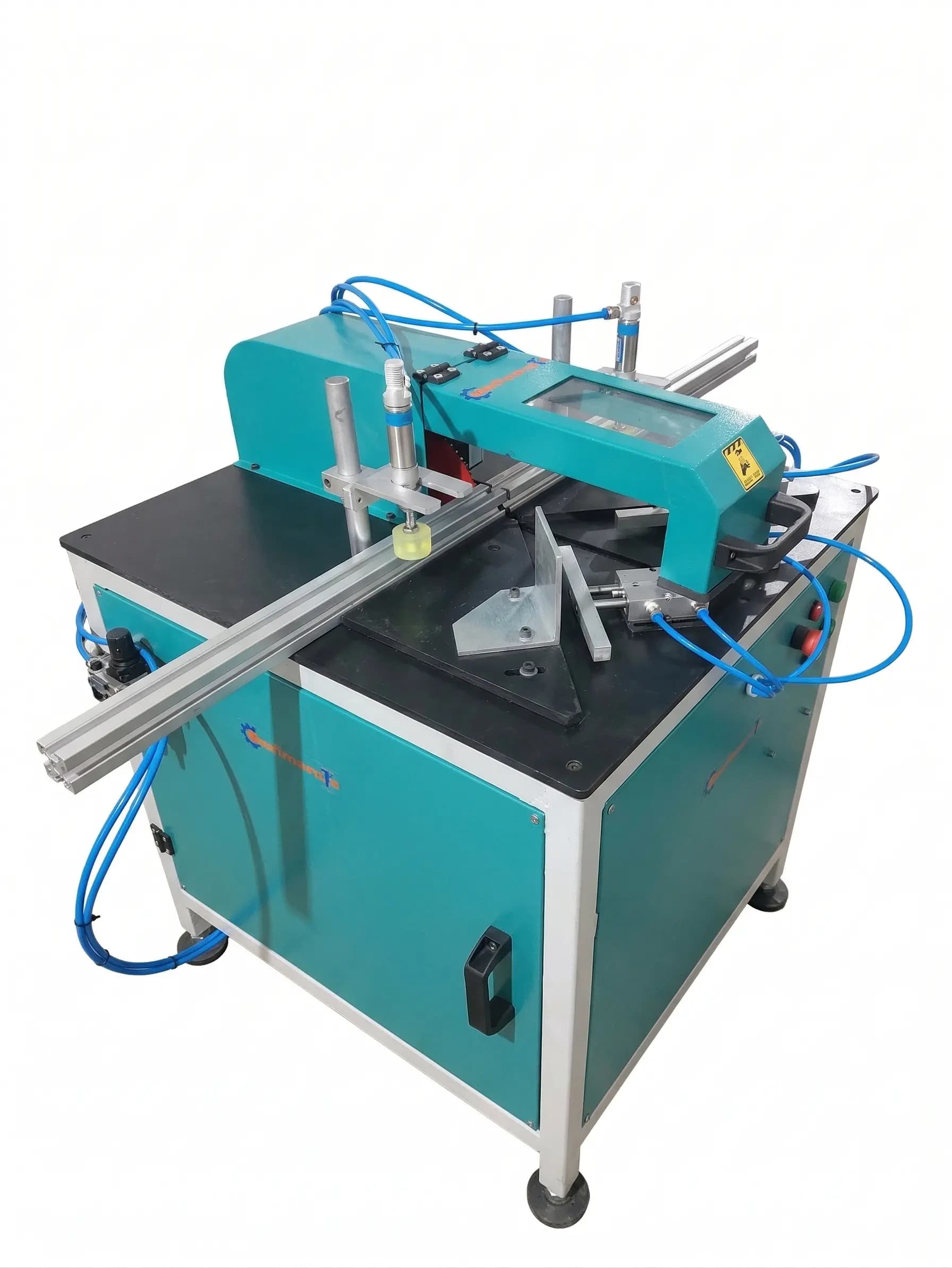
- Replaced the manual saws with a 45 degree double head cutting machine to ensure airtight miters.
- Upgraded to a double head seamless welding machine for uPVC windows to eliminate the need for manual corner cleaning which often weakens the joint.
- Installed a voltage stabilizer to prevent fluctuations in the heating element, a common issue in industrial zones that causes inconsistent weld depths.
Over six weeks, the results were measurable. The facility reduced cutting waste from 12% to 2.8% and increased their daily output from 35 frames to 60 frames without adding extra labor. This demonstrates that upvc window manufacturing machines are not just capital expenses but critical tools for operational efficiency.
Why Seamless Welding is Vital for Nagpur’s Market
In the competitive Nagpur market, aesthetics are becoming as important as durability. A standard upvc windows manufacturing machine leaves a visible weld bead that requires a CNC uPVC window corner cleaning machine price India check for many startups. However, a double head seamless welding machine for uPVC windows compresses the melt inward, creating a flush, clean finish that requires zero post-processing.
Technical advantages of seamless welding include:
- Structural Rigidity: The internal 'clog' of the weld provides more surface area for the bond compared to a cleaned joint.
- Thermal Resistance: Better resistance to the expansion/contraction cycles common in Central India.
- Reduced Labor: Eliminates the bottleneck of manual scraping or secondary cleaning machines.
If you are calculating the upvc machine price list, consider that while a seamless welder has a higher upfront cost, it replaces two machines and one operator, paying for itself within 14 months for a mid-scale factory.
Common Mistakes in uPVC Fabrication Workshops
From our 15+ years of experience, we see the same three mistakes repeated by fabricators across India. First is the use of an aluminium cutter machine with the wrong TCT blade for uPVC, which causes micro-fractures in the profile walls. Second is neglecting the moisture trap in the pneumatic lines; water in the air system will ruin the solenoid valves of your upvc window manufacturing machinery within months.
Finally, many fail to check heater plate parallelism. If your plates are off by even 0.2mm, one side of the miter will melt faster than the other. This creates a 'weak' corner that might look fine in the factory but will crack under the wind loads typical of Nagpur’s monsoon season. Regular maintenance of your upvc windows machinery is non-negotiable for long-term reliability.
What to Watch Out For When Purchasing
When looking at an automatic upvc window plant cost India, don't just look at the price tag. Verify the grade of the linear guide rails and the brand of the PLC (we recommend Omron or Delta for local support). Ensure the upvc welding machine has a quick-change feature for the Teflon cloth; in a high-heat environment, Teflon degrades faster and needs replacement every 2-3 days to maintain weld quality.
FAQ: Fabricator Queries on uPVC Welding
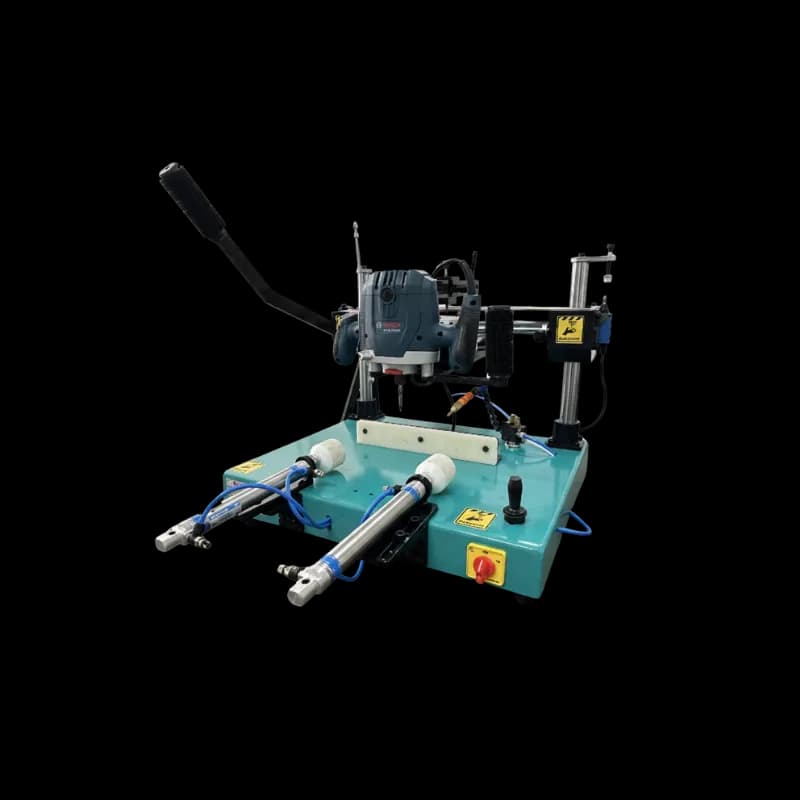
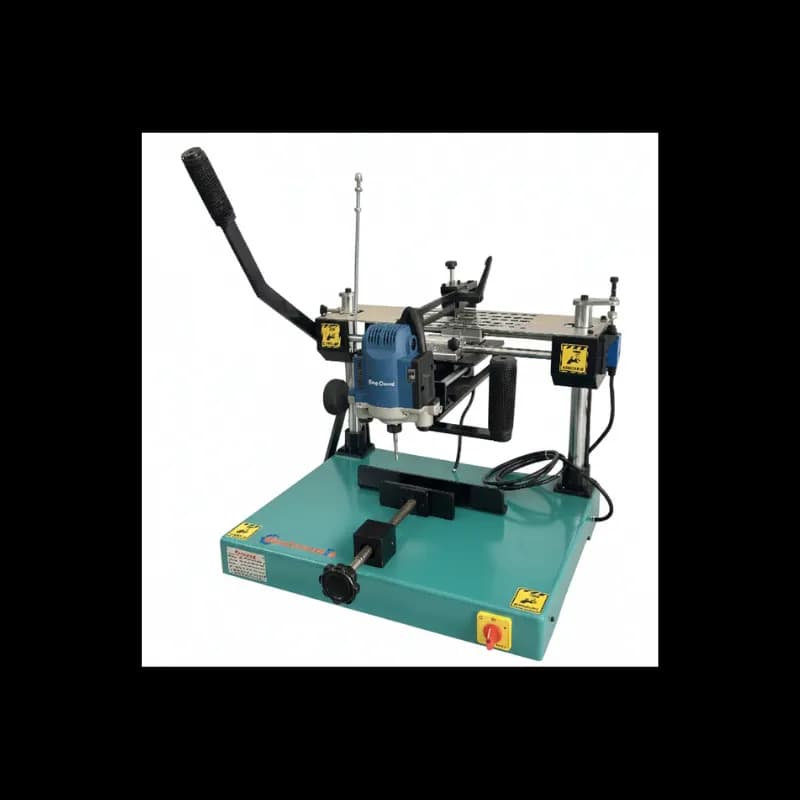
Q: Can I use the same machine for uPVC and Aluminum profiles? No. While you can use a copy router machine for both, welding is exclusive to uPVC. Aluminum requires an automatic aluminium corner crimping machine price Gujarat check for proper joinery.
Q: What is the ideal temperature for welding uPVC in Nagpur? We recommend 250°C. If the ambient temperature is over 40°C, you may need to reduce your 'pre-heat' time by 2-3 seconds to prevent the profile from becoming too soft before the joining pressure is applied.
Q: How often should I calibrate the sensors on my upvc windows machines? Calibration should be performed quarterly. In high-dust environments like Nagpur's industrial clusters, sensors can become coated in fine particles, leading to inaccurate temperature readings and subsequent frame distortion.
Get more articles like this
Follow Mechnovate on Google to see our guides in Google Discover & News