Eliminating Corner Gaps in Jaipur’s High-End Aluminium Windows
Why Corner Gaps Occur in High-End Aluminium Fabrication
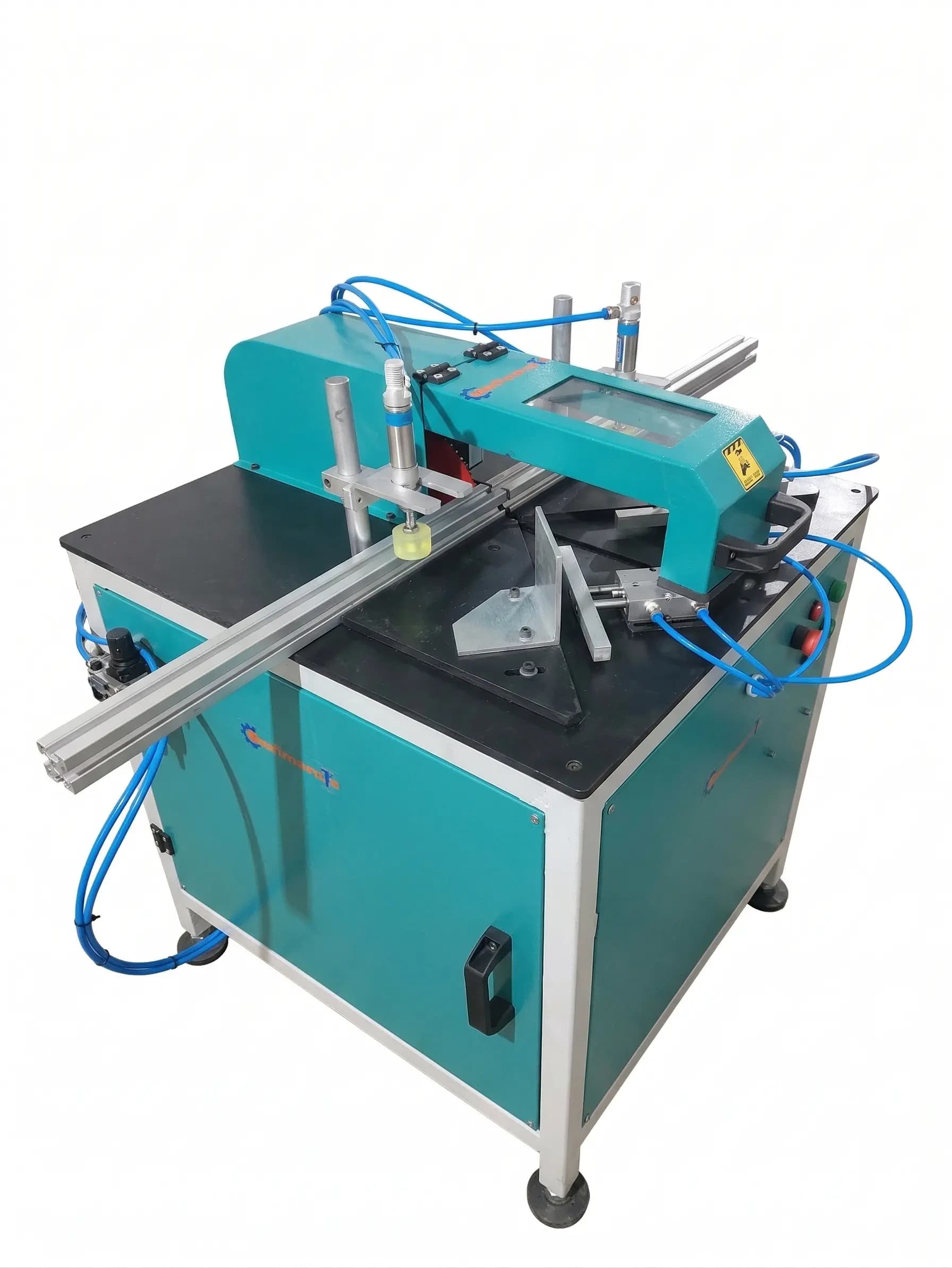
Corner gaps in high-end aluminium windows are primarily the result of miter inaccuracy and blade deflection during the cutting process. In the Jaipur market, where luxury residential projects demand perfection, a 0.5mm gap is not just an aesthetic flaw; it is a structural failure that leads to air leakage and poor acoustic insulation. To eliminate these gaps, a 45 degree double head cutting machine is essential because it cuts both ends of the profile simultaneously, ensuring the angles are perfectly complementary. Unlike manual or single-head machines, these units lock the profile in a single pneumatic sequence, preventing the micro-shifts that occur when flipping a profile for a second cut.
At Mechnovate, we have observed that Rajasthan's extreme temperature fluctuations—ranging from 5°C in winter to 48°C in summer—put immense thermal stress on window frames. If the miter joint is not mathematically perfect, thermal expansion causes the sealant to fail, leading to visible corner gaps within the first year of installation. High-precision aluminium fabrication requires machinery that can maintain a length tolerance of ±0.1mm and an angular tolerance of ±0.05 degrees. For any fabricator targeting the premium villa segment in Jaipur, investing in an automatic aluminium window production line price evaluation is the first step toward achieving international quality standards.
Mechnovate Case Study: Single Head vs. Double Head Efficiency
In our facility, we conducted a 6-week comparative study testing three different configurations of aluminium cutting machine setups using 6063-T6 architectural grade profiles. We processed 1,000 frames through a standard 12-inch single-head cutter and another 1,000 through our precision automatic double head cutting saw for aluminium profiles. The results were measurable and decisive for any business owner looking to scale production.
- Waste Reduction: The single-head setup resulted in 12.4% material waste due to measurement errors and 'end-bit' discards, whereas the double-head machine reduced waste to just 2.8%.
- Output Consistency: The double-head system maintained a constant output of 45-50 frames per day with a single operator, compared to 15 frames per day with two operators on manual machines.
- Assembly Time: Frames cut on the double-head saw required zero manual filing or adjustment during the crimping phase, saving an average of 8 minutes per window frame.
- Rework Rates: Our quality control team rejected 82 units from the single-head batch for corner light gaps, while the double-head batch had zero rejections for miter alignment.
This data proves that the aluminium cutting machine price is quickly offset by the reduction in high-cost profile waste and labor hours. In the Jaipur context, where material costs for thermal-break profiles are rising, a 10% saving in waste can equate to several lakhs of rupees in annual profit.
Technical Specifications for Precision Engineering
When selecting a degree cutting machine for high-end aluminium, you must look beyond the basic price tag and evaluate the engineering specifications that govern performance. High-speed precision engineering demands that the machine spindle runs between 2800 and 3200 RPM to ensure a burr-free finish. A lower RPM often results in 'tearing' the aluminium rather than cutting it, which creates a rough surface that prevents the corner joint from closing tightly.
- Blade Diameter: Use a 450mm or 500mm TCT (Tungsten Carbide Tipped) blade for structural profiles. A larger blade diameter reduces vibration and allows for cutting wider multi-track sliding profiles common in Jaipur’s architectural designs.
- Feed System: Look for hydro-pneumatic dampening cylinders. These provide a smooth, consistent feed rate, which is critical for maintaining the industrial profile cutting safety standards ISO standards and preventing blade deflection.
- Clamping Pressure: The machine should feature vertical and horizontal pneumatic clamps operating at 6-8 bar pressure. This ensures the aluminium profile cutting machine does not allow the material to vibrate during the high-speed entry of the blade.
- Digital Positioning: High-end models feature CNC-controlled length setting. This eliminates the 'human factor' of using a measuring tape, which is the leading cause of mismatched frame lengths in Indian workshops.
Common Mistakes in Jaipur Window Fabrication
Many fabricators in Jaipur attempt to reach high-end markets using basic upvc machinery modified for aluminium. This is a critical mistake because aluminium requires significantly higher torque and different cooling mechanisms. One of the most common errors is ignoring the blade cooling system. Without a high-quality oil-mist spray system, the aluminium chips weld themselves to the blade teeth (a phenomenon called 'built-up edge'), leading to jagged cuts and inevitable corner gaps.
Another mistake is the sequence of operations. Fabricators often cut the profile and then wait days before crimping. Aluminium oxidizes, and profiles can slightly warp if stored improperly. For the best results, use an automatic aluminium corner crimping machine price optimized for your specific profile brand. This ensures that the 45-degree cut is locked into place immediately after the aluminium cutter machine 12 inch or double-head saw has completed its work. Furthermore, always check your blade alignment every 500 cuts using a precision machinist's square to ensure the machine hasn't shifted due to floor vibrations.
Advanced Machinery for Modern Fabricators
To compete with international brands entering the Jaipur market, local manufacturers must adopt aluminum window fabrication machinery that integrates multiple functions. A head cutting machine that can also handle 90-degree cuts for mullions and transoms provides the versatility needed for complex facade work. Additionally, for shops that also handle uPVC, selecting a upvc window manufacturing machine that shares similar logic and spare parts with your aluminium line can drastically reduce maintenance overhead.
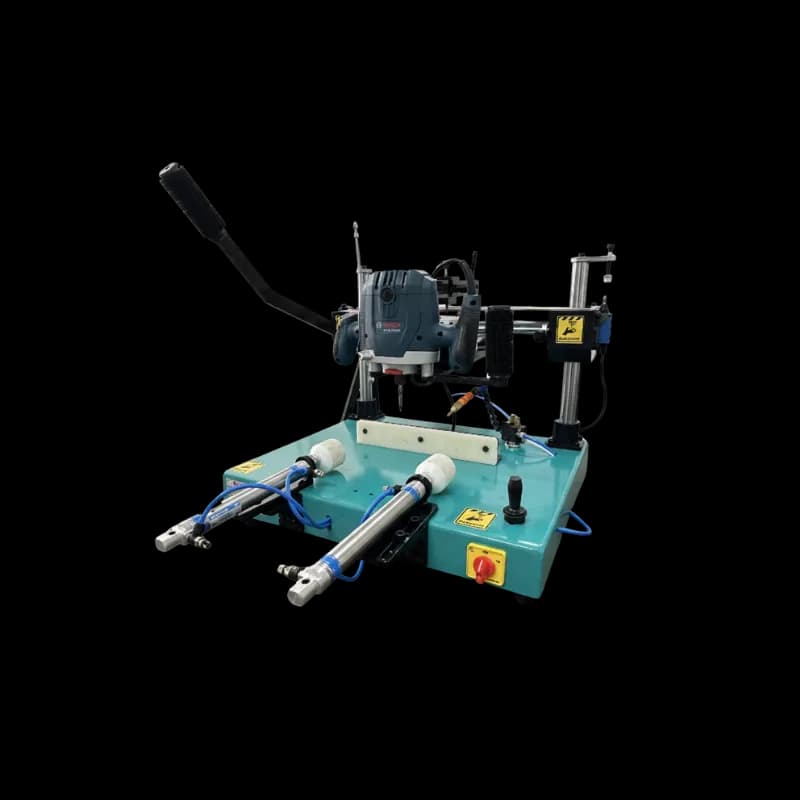
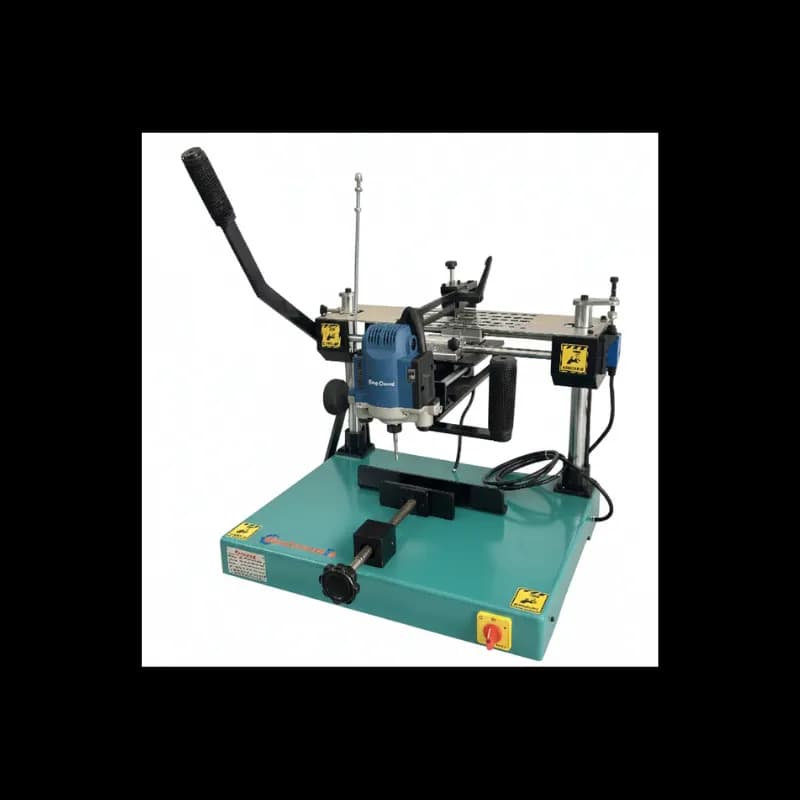
We recommend that growing workshops consider a heavy duty aluminium profile end milling machine alongside their cutting unit. This ensures that the 'T' joints and transom connections are as tight as the 45-degree miter joints. When you combine a 45 degree double head cutting machine with a precision copy router machine, you create a production line capable of producing windows that meet the most stringent air-tightness and water-penetration tests.
FAQ: Expert Advice for Aluminium Fabricators
Q1: Can I use a uPVC cutting machine for aluminium profiles? No. While they look similar, an upvc cutting machine lacks the motor torque and the lubrication system required for aluminium. Using a uPVC machine on aluminium will lead to poor surface finish, rapid blade wear, and potential motor burnout.
Q2: What is the ideal blade for cutting high-end architectural aluminium? You should use a TCT blade with a negative rake angle and high tooth count (typically 100-120 teeth). This configuration is specifically designed for aluminium profile cutting machine use, providing a clean, mirror-like finish on the miter surface.
Q3: How do I justify the cost of an automatic double-head saw over a manual one? Calculate your 'rework cost.' If you are losing 30 minutes per day fixing gaps or discarding one profile per week due to measurement errors, the automatic double head cutting machine price India usually pays for itself within 14 to 18 months through labor and material savings alone.
Q4: Is a 12-inch blade enough for Jaipur's sliding window profiles? A 12-inch or aluminium cutting machine 12 inch is often insufficient for modern 3-track or 4-track sliding windows, which can be 150mm wide. We recommend at least a 450mm (approx. 18-inch) blade for high-end residential work to ensure a full cut in a single pass.
Get more articles like this
Follow Mechnovate on Google to see our guides in Google Discover & News