Eliminating Air Leaks: Best uPVC Window Machine for Small Biz
Why Bhopal High-Rises Demand Precision Fabrication
If you are a fabricator in Bhopal dealing with high-rise residential projects near Hoshangabad Road or Arera Colony, you know the primary complaint from homeowners: the 'whistling' sound. This phenomenon is caused by air infiltration through microscopic gaps in the window frame. In high-rise environments, wind pressure increases exponentially with height. A manual miter saw, while cheap, cannot maintain the 0.1mm tolerance required to ensure an airtight seal. To eliminate these leaks, transitioning to a dedicated upvc window manufacturing machine is no longer a luxury—it is a technical necessity for any small business looking to scale.
The Engineering Reality: Manual Saws vs. Dedicated Machinery
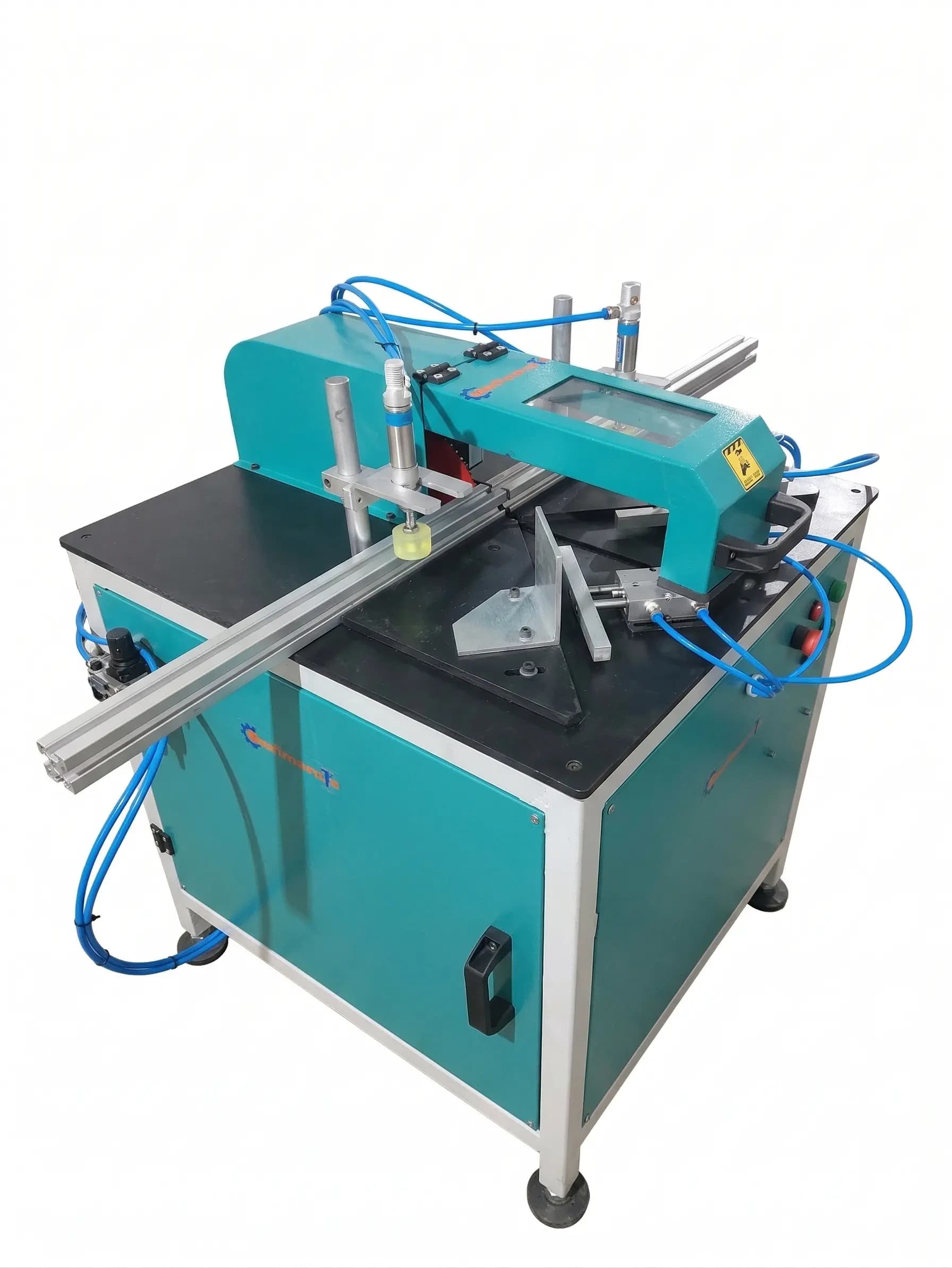
During my 15 years in the workshop, I have seen hundreds of fabricators attempt to use a standard 12-inch aluminium cutter machine for uPVC profiles. The results are consistently subpar. A manual aluminium cutter lacks the pneumatic clamping and stabilized feed rate required for uPVC. When the blade strikes the profile at 2800 RPM without proper stabilization, the plastic vibrates, leading to 'chipping' at the edges. This micro-chipping prevents the upvc welding machine from creating a uniform melt, resulting in a structural weak point and a visible air gap.
The Math of Precision
- Manual Cut Tolerance: Typically +/- 1.5mm to 2.0mm depending on operator fatigue.
- Machine Cut Tolerance: Dedicated upvc cutting machine systems offer +/- 0.2mm precision.
- Impact on Welding: A 1mm gap in the cut requires the welder to 'over-melt' the profile, which compromises the internal chamber walls and reduces the overall thermal efficiency of the window.
Case Study: Reducing Waste in a Bhopal Fabrication Unit
In early 2023, we worked with a startup fabricator in MP Nagar who was using a manual 12-inch aluminium cutter. Their waste rate was hovering at 12% due to miscuts and poor joint fitment. We replaced their setup with a single-head upvc window making machine and a portable welding unit. Over six weeks, the results were measurable:
- Waste Reduction: Cutting waste dropped from 12% to 3%.
- Production Speed: Output increased from 8 frames per day to 28 frames per day with the same labor force.
- Quality: Air infiltration tests on their 10th-floor installations showed a 45% improvement in acoustic insulation because the sash-to-frame fitment was perfectly square.
Essential Machinery for a Professional Small Business Setup
For a small business in Bhopal or Lucknow, you do not need a fully automatic CNC line to start. A 'Precision Starter Kit' typically includes:
- Single Head Cutting Machine: Look for a 45/90 degree cutting machine with a 400mm or 450mm carbide-tipped blade. Ensure it has pneumatic clamping to prevent profile movement during the stroke.
- Double Head or Single Head Welder: A upvc welding machine must have digital temperature controllers. We recommend a 240°C to 260°C heating range for Indian-grade uPVC profiles.
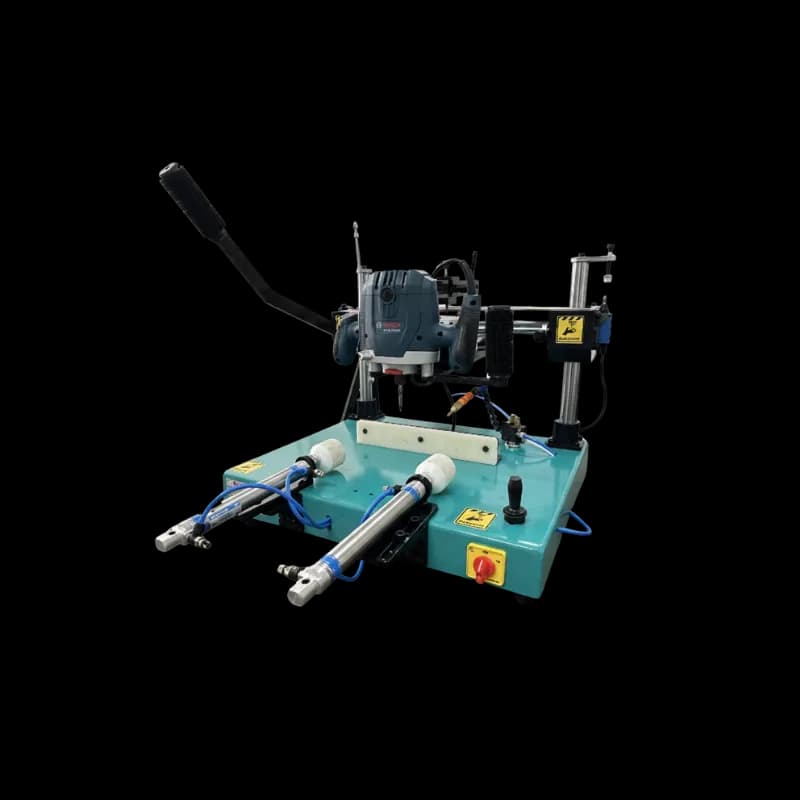
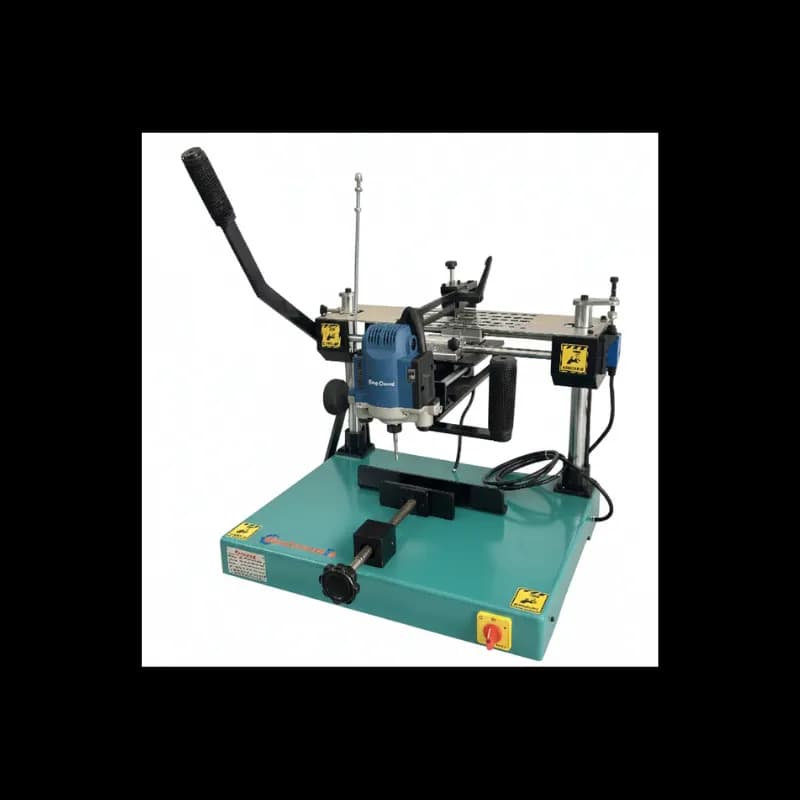
- Copy Router Machine: This is critical for high-rise windows. A high-speed copy router machine ensures that drainage holes and lock slots are milled without weakening the profile structure. Proper drainage prevents water from backing up into the room during Bhopal's heavy monsoon season.
- End Milling Machine: Essential for mullion joints. Manual chiseling of mullions is the number one cause of air leaks at the T-junction.
Common Pitfalls: What to Watch Out For
One common mistake I see among new fabricators is ignoring the air pressure requirements. Most upvc machinery requires a steady 6 to 8 bar pressure. If your compressor is undersized, the pneumatic clamps will lose grip mid-cut, ruining your profile and potentially damaging the blade. Always check the kW rating of the motor; a 1.5kW motor is the minimum for industrial profile cutting safety standards.
Another mistake is neglecting the 'V-cutting' for the sash. Using a standard 45-degree cut instead of a dedicated v cutting machine upvc windows price-efficient tool leads to gaps where the glazing bead meets the frame. In high-rise applications, these gaps are the primary source of wind noise.
The ROI of Moving Beyond Manual Tools
While the aluminium cutter machine price is lower upfront, the long-term cost of manual fabrication in Bhopal is high. You lose money on rework, site visits to fix 'whistling' windows, and wasted material. An automatic upvc window plant cost India might seem high, but for a small business, a semi-automatic setup usually pays for itself within 14 months just through material savings and the ability to charge a premium for high-rise-certified windows.
FAQ: Fabricator Questions About uPVC Machinery
Q: Can I use the same machine for aluminium and uPVC? No. While you can use an aluminium profile cutting machine for uPVC, the blade teeth geometry (TPV) and the cooling requirements differ. Using a uPVC machine for aluminium without a lubrication system will destroy the blade, and using an aluminium saw for uPVC often leads to melted edges.
Q: What is the best uPVC window making machine for startup businesses in central India? For a startup in Bhopal, a single-head cutting saw with a 450mm blade and a single-point seamless welder is the best balance of cost and precision. It allows you to handle 90% of residential window designs with high accuracy.
Q: How do I maintain my uPVC window welding machine? Daily maintenance is key. Clean the heating plate with a non-abrasive cloth while it is warm to remove 'melt-off' residue. Check the Teflon cloth daily for tears; a torn cloth will cause 'yellowing' of the weld, which is a major aesthetic defect in white uPVC windows.
Get more articles like this
Follow Mechnovate on Google to see our guides in Google Discover & News