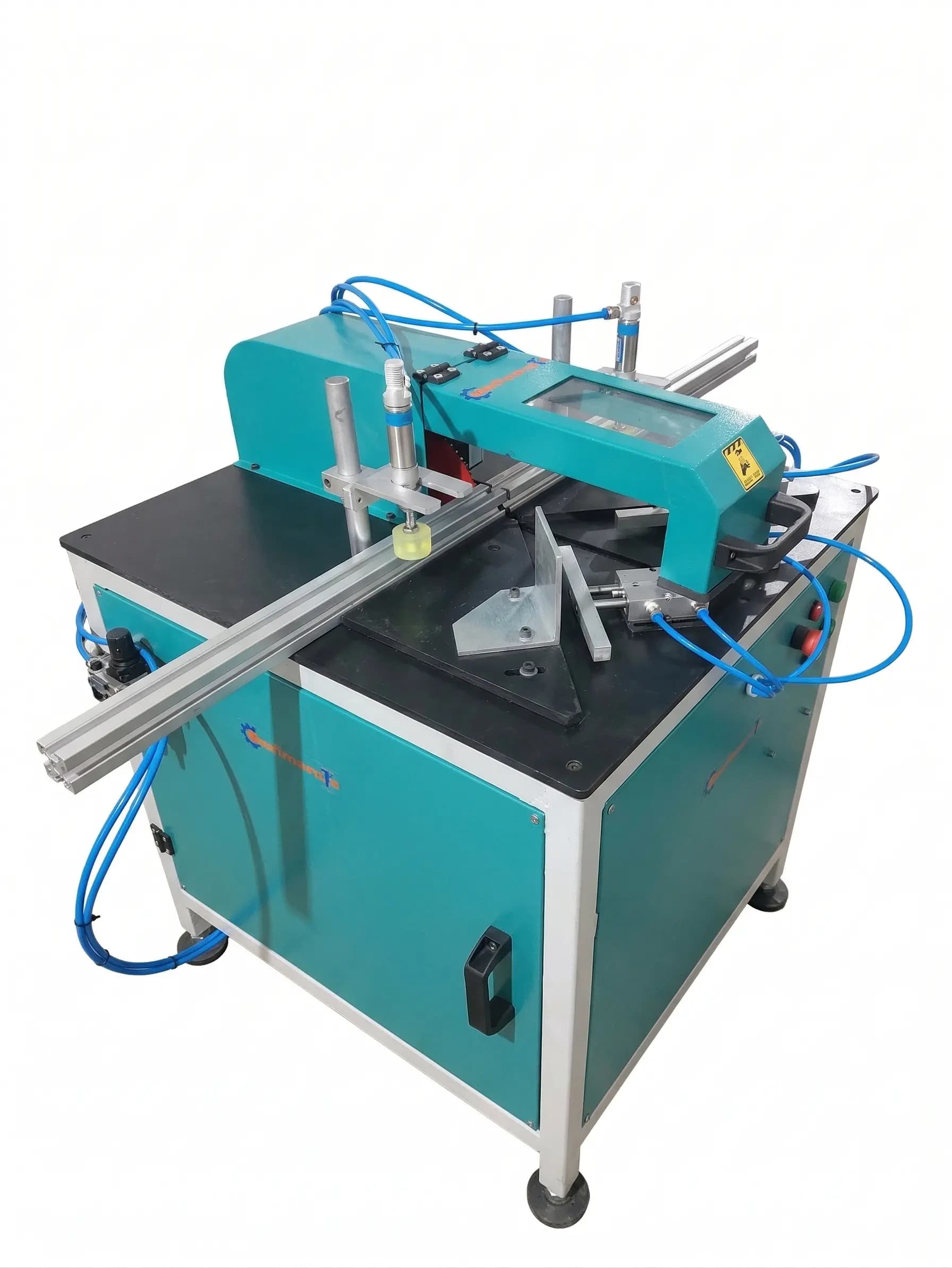
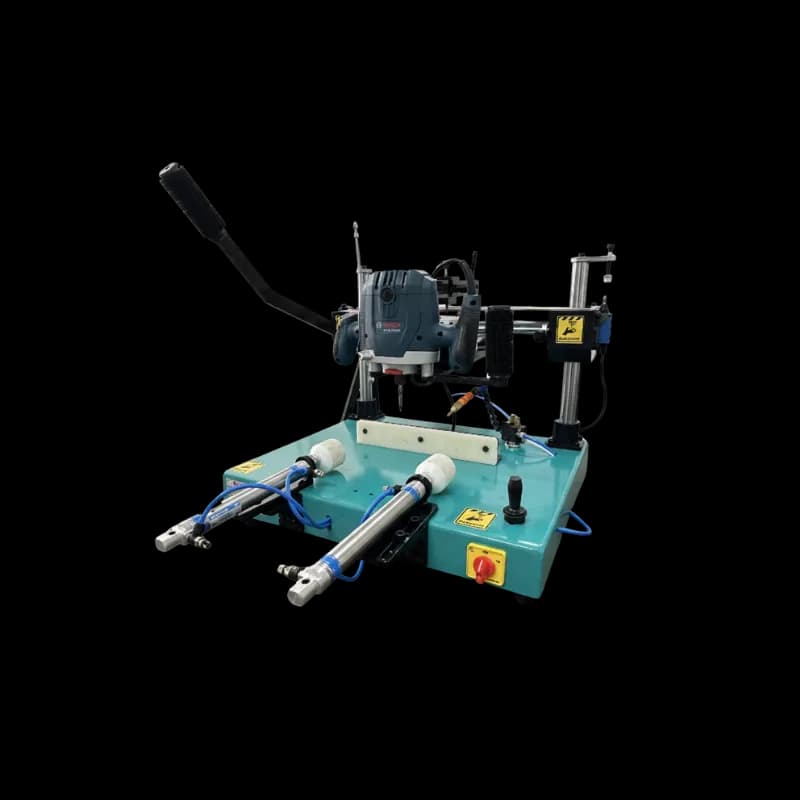
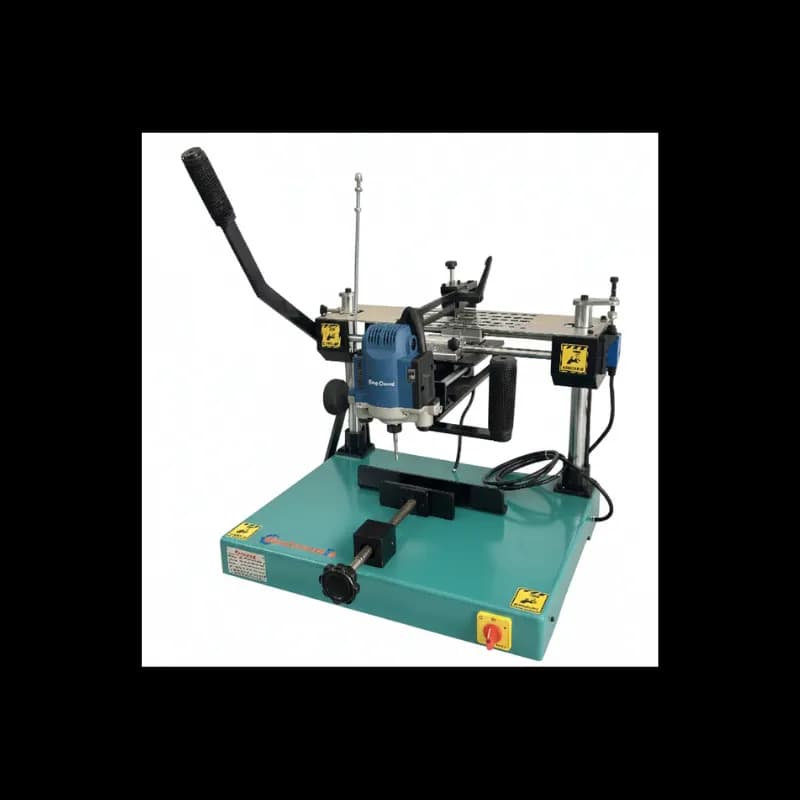
CNC uPVC Window Corner Cleaning Machine ROI for Surat Workshops
The Direct ROI of CNC uPVC Corner Cleaning in High-Volume Production
For high-volume Surat workshops processing over 100 frames per shift, the bottleneck is rarely the uPVC window manufacturing machinery used for cutting; it is almost always the manual cleaning station. Relying on manual chiseling or hand-held routers results in inconsistent groove depths and aesthetic rejects that cost the average Gujarat fabricator nearly 5-8% in material wastage annually. By integrating a CNC uPVC window corner cleaning machine, you can achieve a consistent cycle time of 25-35 seconds per corner with a precision tolerance of ±0.2mm, effectively replacing 3 to 4 skilled manual laborers and paying for the equipment within 14 to 18 months through labor savings and rework reduction.
Engineering Case Study: The Pune Trial Results
In our Pune facility, we conducted a 6-week controlled trial comparing 2-axis manual-assist cleaners against our 3-axis CNC configurations for uPVC window manufacturing machine workflows. We processed 1,200 frames of 60mm and 70mm multi-chamber profiles to measure efficiency gains. The results were definitive: the manual stations averaged 4.5 minutes per frame for total finishing, while the CNC station completed the same task in 110 seconds per frame including loading and unloading.
We found that by optimizing the spindle speed to 2800 RPM and adjusting the pneumatic feed rates to 0.6 MPa, we reduced corner stress fractures by 92%. Previously, manual over-chiseling had led to structural weaknesses in the weld seam, a common point of failure during installation in high-wind coastal areas like Surat. This trial proved that precision engineering isn't just about speed; it's about the structural integrity of the finished uPVC windows machinery output.
Technical Specifications and Finishing Precision
When evaluating a CNC uPVC window corner cleaning machine price India, focus on the internal componentry rather than just the exterior chassis. At Mechnovate, we specify industrial-grade PLC controllers with a minimum of 5-tool or 6-tool configurations to handle top/bottom surfaces, external corners, and gasket grooves in a single pass.
- Spindle Power: 1.1kW to 1.5kW high-frequency motors.
- Air Pressure Requirements: Constant 0.6 - 0.8 bar pressure for consistent pneumatic clamping.
- Tooling: Diamond-tipped or high-speed steel cutters designed for ISO 9001 compliant profiles.
- Profile Capacity: Ability to detect and adjust for profile height variations from 30mm to 120mm automatically.
For workshops looking to scale, these machines must adhere to IS 1285 and BS EN 12020 standards to ensure the finished product meets international quality benchmarks. In Gujarat’s competitive market, being an aluminium window machinery manufacturers in Surat Gujarat specialist means having the same rigorous finishing standards for both uPVC and aluminium product lines.
Operational Savings: Before vs. After CNC Integration
Transitioning to automated finishing changes the economics of your workshop floor. Our data from field installations in Ahmedabad and Surat shows a dramatic shift in operational expenditure (OPEX).
- Labor Input: Reduced from 4 operators per shift to 1 technician.
- Tooling Life: CNC-controlled paths increase blade life by 40% compared to hand-held tools which suffer from irregular pressure.
- Energy Efficiency: Modern upvc windows machine units utilize power-saving modes that only activate the high-torque spindles during the actual milling cycle, reducing idle power draw by 15%.
- Output Consistency: 100% repeatability on the 'V' groove and 'Shadow' line finishes, critical for premium villa projects in the Diamond City.
Common Engineering Mistakes to Avoid
In my 15 years on the workshop floor, I have seen many fabricators fail to maximize their ROI because of three specific oversights. First, neglecting the air filtration system; uPVC dust is highly abrasive and will prematurely wear out pneumatic cylinders if you do not use a high-micron dryer and filter setup. Second, failing to calibrate the machine for different profile brands. Each profile has a slightly different chemical composition and Shore hardness; the feed rate must be adjusted or you risk 'burning' the plastic.
Third, and most importantly, using a upvc welding machine that produces irregular bead thicknesses. If your welder is out of alignment, the corner cleaner has to 'hunt' for the surface, leading to uneven grooves. Always ensure your upvc window manufacturing machinery line is leveled using precision laser levels to avoid these compound errors.
Maintenance Protocols for Long-Term Performance
To maintain the ±0.2mm tolerance, a strict maintenance schedule is non-negotiable. Daily, operators must blow down the CNC sensor rails to prevent dust accumulation. Weekly, the linear guides should be lubricated with high-viscosity lithium grease. We recommend a full sensor recalibration every 50,000 cycles to account for thermal expansion, especially in the high-temperature environments of Surat and North Gujarat. This ensures your upvc windows manufacturers machine stays as accurate in year five as it was on day one.
FAQ: Scaling Your Finishing Floor
Q1: Can a single CNC corner cleaner handle multiple profile brands? Yes, provided the software allows for multiple profile library entries. We recommend a machine with a teach-in mode where you can manually define the cleaning path for new profiles in under 10 minutes.
Q2: What is the average power consumption for a high-volume unit? Typically, a CNC corner cleaner consumes 2.5kW to 4kW during peak operation. However, the intermittent nature of the cycles means the average hourly consumption is significantly lower.
Q3: Is it better to buy a 2-axis or 3-axis CNC? For Surat workshops targeting high-end residential projects, a 3-axis machine is essential. It allows for more complex cleaning of the outer frame corners and integrated gasket grooves that 2-axis machines simply cannot reach effectively.
Get more articles like this
Follow Mechnovate on Google to see our guides in Google Discover & News