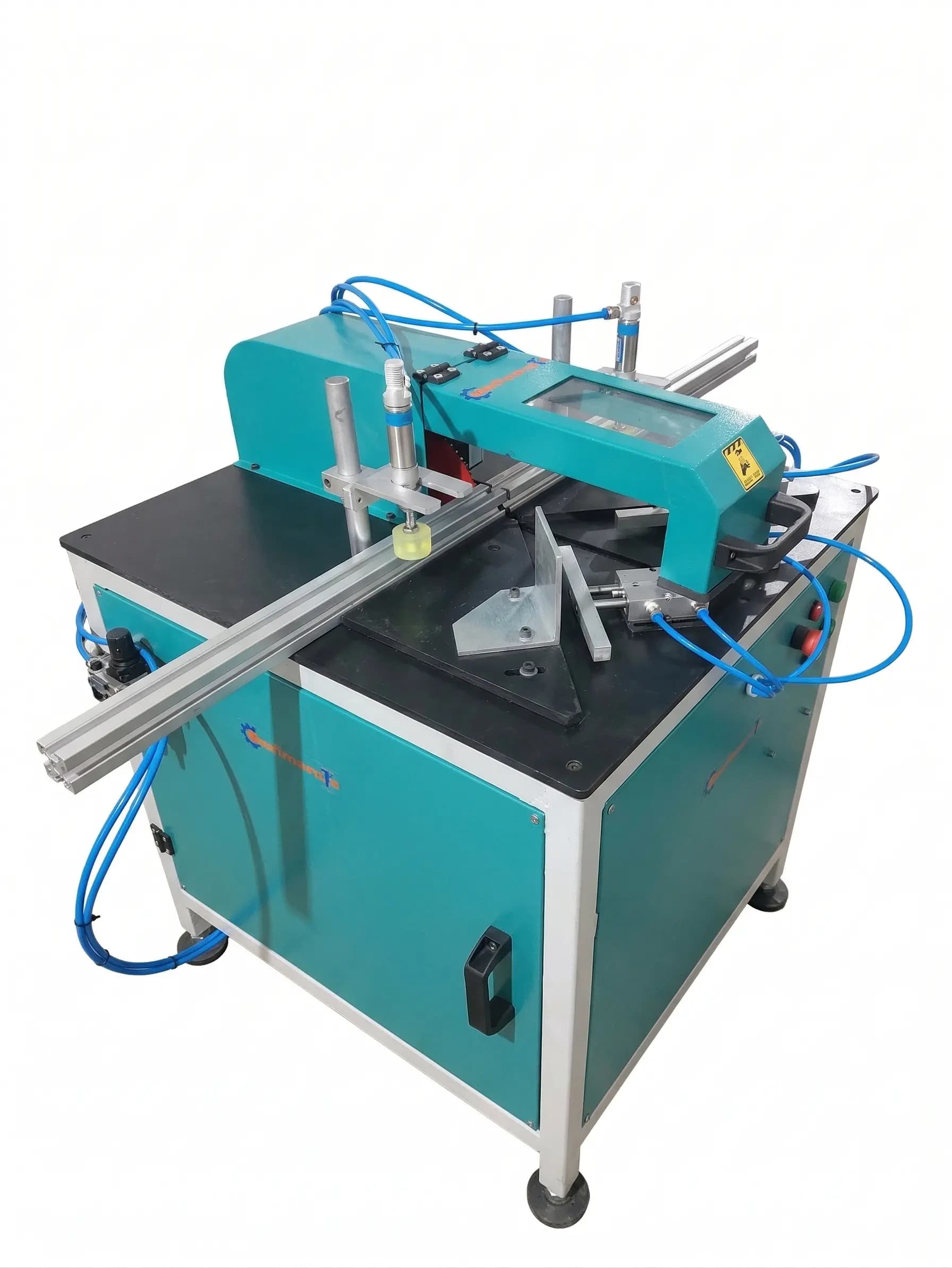
CNC uPVC Window Corner Cleaning Machine Price & ROI: Delhi Guide
The Labour Crisis in Delhi Workshops and the CNC Solution
In Delhi’s industrial hubs like Okhla, Bawana, and Mayapuri, the cost of skilled labor for uPVC finishing has risen by 22% in the last two years. Fabricators are finding it increasingly difficult to retain workers who can achieve the precision required for high-end residential projects. For a workshop producing 50+ frames daily, the CNC uPVC window corner cleaning machine is no longer a luxury—it is a survival tool. Currently, the CNC uPVC window corner cleaning machine price in India ranges from ₹6,50,000 for a standard 2-axis model to ₹12,50,000 for high-speed 3-axis variants with multi-tool configurations.
Direct ROI is typically realized within 14 to 18 months when factoring in the reduction of rejected frames and the elimination of at least three manual cleaning stations. At Mechnovate, we have observed that Delhi-based fabricators often struggle with 'scuffing' and uneven groove depths when using manual tools. A CNC system eliminates this by using precise PLC-driven paths that ensure every corner is identical to the first. This level of consistency is what separates premium upvc windows manufacturers machine setups from local low-tier workshops.
Technical Specifications: The Engineering Behind Precision
To understand why a CNC machine is superior to manual methods, one must look at the technical tolerances. A standard manual cleaning process has a variance of ±1.5mm, whereas a 3-axis CNC system operates within a ±0.2mm tolerance. Our current systems utilize high-frequency spindles rotating at 12,000 to 18,000 RPM, ensuring that the uPVC profile is cut cleanly without melting or burring.
Key technical parameters for a high-performance unit include:
- Spindle Power: 0.75kW to 1.5kW high-speed motors.
- Air Pressure Requirements: 0.5 to 0.8 MPa (80-110 PSI) with a stable flow rate.
- Tooling Configuration: 6 to 8 different cleaning tools including internal corner knives, external corner cutters, and top/bottom surface cleaners.
- Profile Capacity: Ability to handle profile widths from 30mm up to 120mm.
When setting up upvc window manufacturing machines, the integration between the upvc welding machine and the cleaner is vital. If your welder produces a bead that is too thick, the cleaner’s blades will dull prematurely. We recommend using a double head seamless welding machine for uPVC windows to minimize the cleaning load and extend tool life.
Case Study: ROI Analysis for a Delhi-Based Fabricator
Last year, we worked with a fabrication unit in Okhla Phase III that was struggling with a 7% rejection rate on their premium foiled profiles. They were using four manual cleaners paid ₹22,000 each per month. After installing a 2-axis CNC uPVC window corner cleaning machine, the results were immediate:
- Labor Reduction: Replaced 4 manual workers with 1 machine operator. Annual savings: ₹7,92,000.
- Output Increase: Production jumped from 85 windows per 8-hour shift to 170 windows.
- Quality Control: Rejection rate dropped from 7% to 0.4%.
- Material Waste: Reduced profile damage during cleaning, saving approximately ₹18,000 in raw material monthly.
Total annual benefit exceeded ₹10,00,000, meaning the machine paid for itself in less than 11 months. This is why the best uPVC window making machine for startup businesses often includes a CNC cleaner as the second most important investment after the cutting saw. If you are also handling metal, you might consider an automatic double head cutting saw for aluminium profiles to complement your uPVC line.
Common Mistakes to Avoid When Buying Corner Cleaners
As a senior engineer with 15 years in the field, I often see fabricators make the same three mistakes when looking at the upvc machine price list.
- Ignoring Air Quality: CNC machines use solenoid valves and pneumatic cylinders that are highly sensitive to moisture. Without a refrigerated air dryer, your 'affordable' machine will cost you lakhs in solenoid replacements within a year.
- Choosing 2-Axis Over 3-Axis for Sloped Profiles: If you are manufacturing profiles with complex slopes or integrated gaskets, a 2-axis machine will leave 'dead zones' that require manual touch-ups. This defeats the purpose of automation.
- Underestimating the Spindle Quality: Cheap machines use generic motors that vibrate at high RPMs. This vibration causes 'chatter marks' on the uPVC, which are impossible to remove and lead to customer complaints in high-end Delhi projects.
Always ensure your supplier offers a comprehensive upvc window welding machine maintenance guide and has a local service presence in the NCR region. At Mechnovate, we provide onsite training to ensure your operators understand the PLC interface, preventing costly crashes.
Integrating Aluminium and uPVC Production Lines
Many workshops in Delhi are diversifying into aluminium fabrication to capture the commercial market. While the processes differ, the logic of automation remains the same. Investing in an aluminium cutting machine 12 inch or a heavy duty aluminium profile end milling machine alongside your uPVC line allows for better resource allocation.
The cost of setting up uPVC window manufacturing unit in India varies, but a combined line typically requires a 3000 sq. ft. space and a stable 15kW power connection. If you are starting small, a portable uPVC window welding machine for startups is an option, but for the corner cleaning stage, there is no substitute for a CNC if you want to compete with established brands.
Maintenance and Longevity Standards
To ensure your upvc window manufacturing machine lasts the expected 10-12 years, a strict maintenance schedule is required. Following ISO 9001 quality management standards, we recommend:
- Daily: Clearing plastic chips from the sensor eyes and lubricating the linear guide rails.
- Weekly: Checking the tension on the drive belts and cleaning the spindle collets.
- Monthly: Inspecting the sharpness of the alloy knives. Dulling knives will 'pull' the profile, causing micro-cracks in the weld.
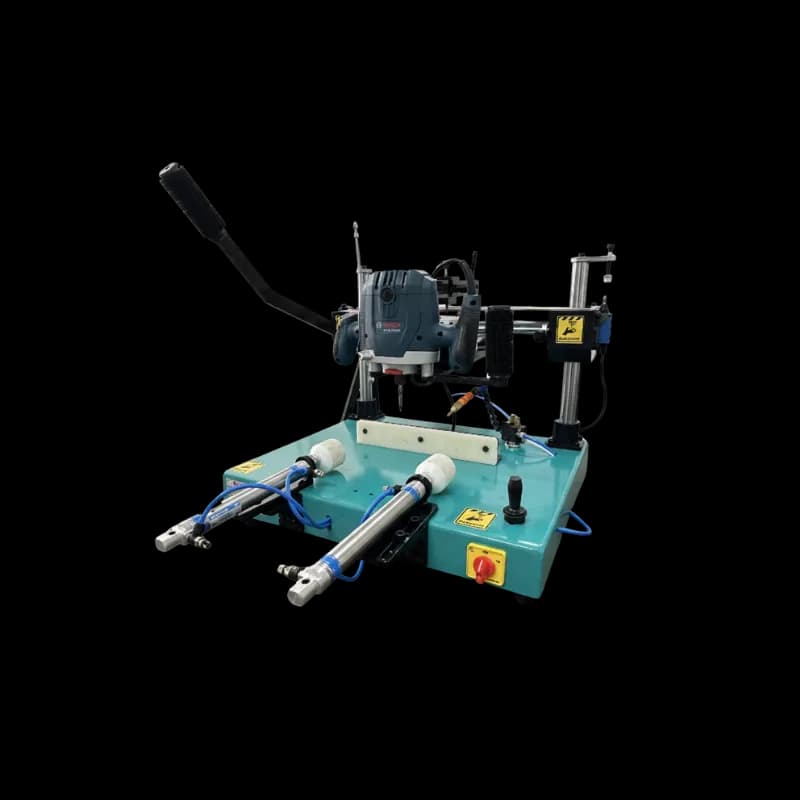
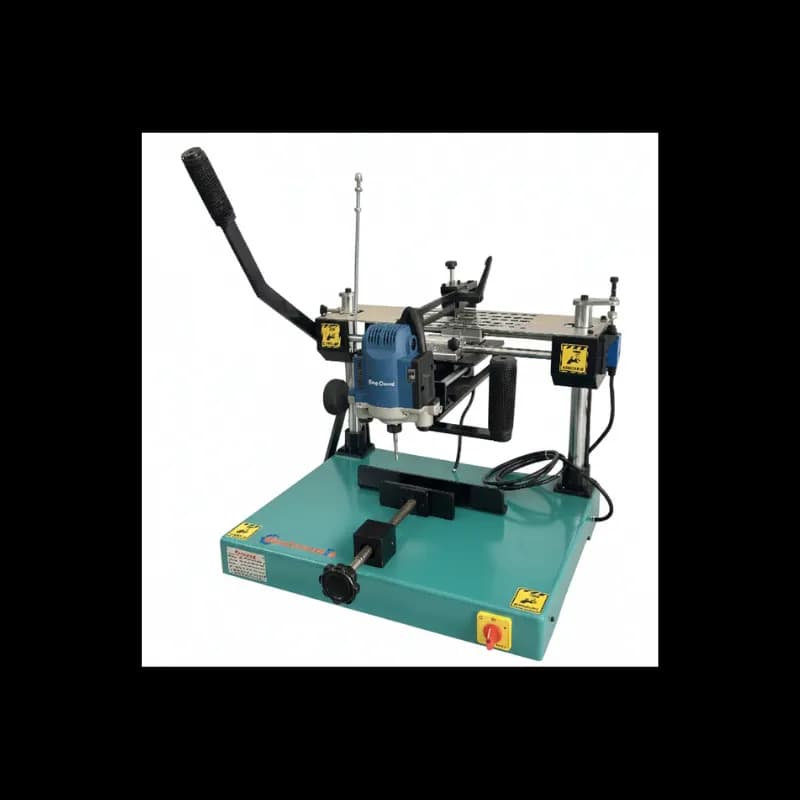
Using a high speed copy router for aluminium windows or uPVC also requires similar maintenance rigor. In the dusty environment of Delhi, keeping the electrical cabinet sealed and using a voltage stabilizer is mandatory to protect the expensive PLC circuits from power surges.
FAQ: Expert Answers for Delhi Fabricators
Q: Is a CNC cleaner worth it for a small workshop making 10 windows a day? A: Honestly, no. For 10 windows, a manual cleaning tool or a single-head upvc window machine is more cost-effective. The CNC cleaner becomes financially viable once you cross the 25-30 frames per day threshold.
Q: What is the difference between 2-axis and 3-axis CNC cleaning? A: A 2-axis machine cleans the top/bottom surfaces and the outer corner. A 3-axis machine adds the ability to clean the inner tracks and grooves for weather strips automatically, which is essential for multi-chamber profiles.
Q: Can one machine handle both uPVC and Aluminium? A: No. The cutting geometry and spindle speeds required for aluminium profile cutting machine are different from uPVC. Using uPVC tools on aluminium will destroy the cutters, and uPVC cleaners do not have the torque for metal.
Q: What is the average power consumption for a CNC corner cleaner? A: Most units consume between 1.5kW to 3kW during operation. However, the pneumatic compressor running in the background often consumes more than the machine itself, so factor that into your monthly overheads.
Get more articles like this
Follow Mechnovate on Google to see our guides in Google Discover & News