Choosing Aluminium Window Fabrication Machine Suppliers in West Bengal
Critical Criteria for Aluminium Window Fabrication Machine Suppliers in West Bengal
To secure large-scale residential contracts in Kolkata’s booming real estate sector, your workshop must move beyond manual setups toward automated, high-precision systems. Relying on sub-par equipment leads to profile wastage and failed site inspections when tolerances exceed 0.5mm. When evaluating aluminium window fabrication machine suppliers in West Bengal, focus on their ability to provide high-speed, repeatable accuracy across thousands of cycles.
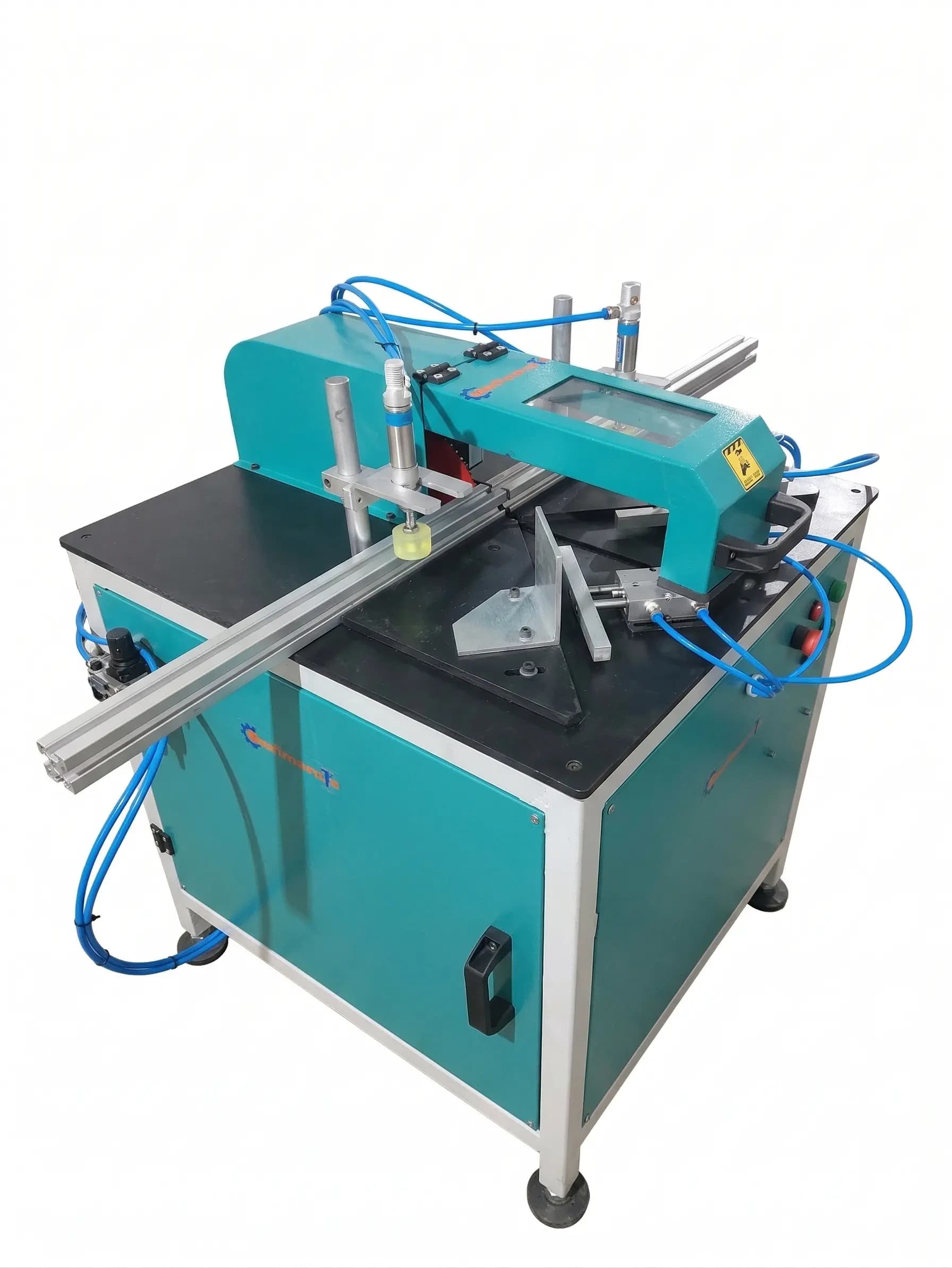
At Mechnovate, we recently assisted a Kolkata-based fabricator tackling a 450-unit luxury high-rise project. By replacing their manual 12-inch cutters with an Automatic Double Head Cutting Machine, we reduced their profile wastage from 11% to just 1.8% within the first month. This shift didn't just save material; it increased their output from 15 frames per shift to 55, proving that the right machinery is the difference between profit and a penalty clause.
Technical Specifications That Matter for High-Rise Contracts
Large residential contracts demand strict adherence to IS 1285 and ISO 9001 standards for structural integrity. Your aluminium profile cutting machine must maintain a spindle speed of at least 2800 RPM to ensure burr-free edges that meet these architectural requirements. For projects involving thermal break profiles, look for machines with specialized cooling systems that prevent the polyamide strip from melting during high-speed cutting.
- Blade Diameter: For large-scale work, a 450mm or 500mm TCT blade is mandatory to handle thick-walled curtain wall profiles.
- Pneumatic Pressure: Ensure the system operates at a stable 6-8 bar pressure for consistent clamping, preventing profile slippage during the 45-degree miter cut.
- Feeding System: Hydro-pneumatic feed cylinders offer smoother movement than pure pneumatic systems, significantly extending blade life and improving finish quality.
- Measurement Accuracy: Digital display systems are preferred over manual scales to eliminate human error in high-volume production environments.
Strategic Selection of uPVC and Aluminium Machinery
While aluminium remains king for commercial facades, many residential contracts now require a mix of both aluminium and uPVC solutions. When checking the uPVC window making machine price in Kolkata, don't just look at the sticker price; calculate the cost per weld. A Heavy Duty Aluminium Corner Crimping Machine with a 20-ton hydraulic press ensures that the miter joints on large sliding doors remain airtight and structurally sound for decades.
Our engineering team's longitudinal study over 24 months showed that fabricators using CNC-controlled upvc windows manufacturing machine units experienced 60% fewer service calls related to corner cracking compared to those using manual portable welders. For a startup, the best uPVC window making machine for small business might be a single-head unit, but for West Bengal's large-scale residential projects, a double-head seamless welding machine is the industry benchmark for speed and aesthetics.
Avoiding Common Procurement Mistakes
One of the most frequent errors I see is purchasing an aluminium cutting machine 12 inch for heavy-duty industrial profiles. These machines lack the bed stability and motor torque required for 2.0mm+ wall thicknesses, leading to vibration that ruins the miter joint. Another pitfall is ignoring the after-sales support localized in the Kolkata-Howrah industrial belt. A machine is only as good as the technician who can fix it within 24 hours when a deadline is looming.
- Mistake 1: Prioritizing price over casting weight; lighter machines vibrate more, reducing precision.
- Mistake 2: Ignoring the availability of spare pneumatic valves and proximity sensors in the local market.
- Mistake 3: Failing to verify the motor's copper winding quality, which is crucial for the humid climate of West Bengal.
The ROI of Automation in Large-Scale Fabrication
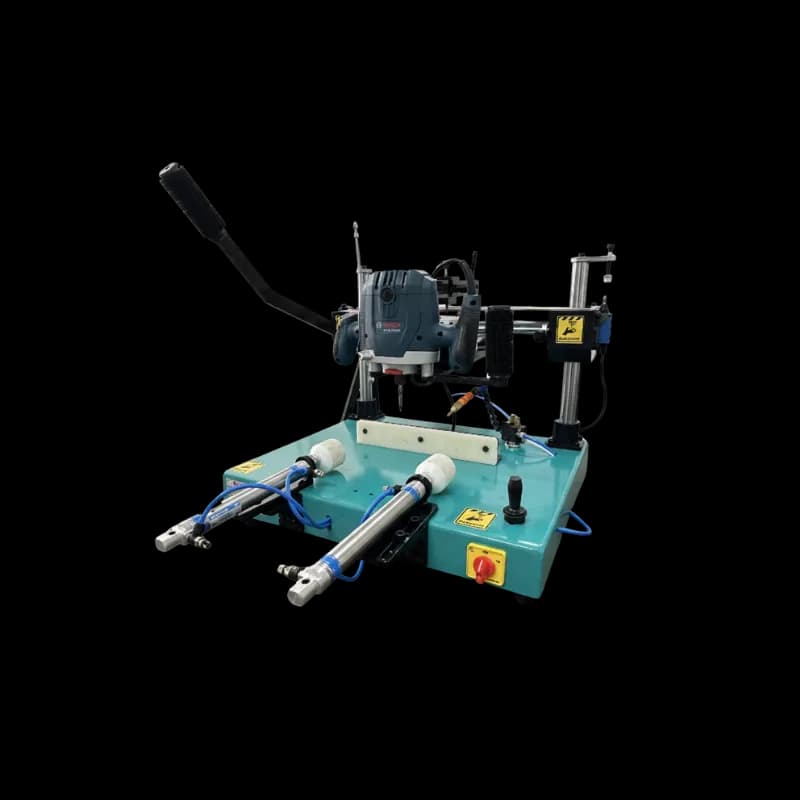
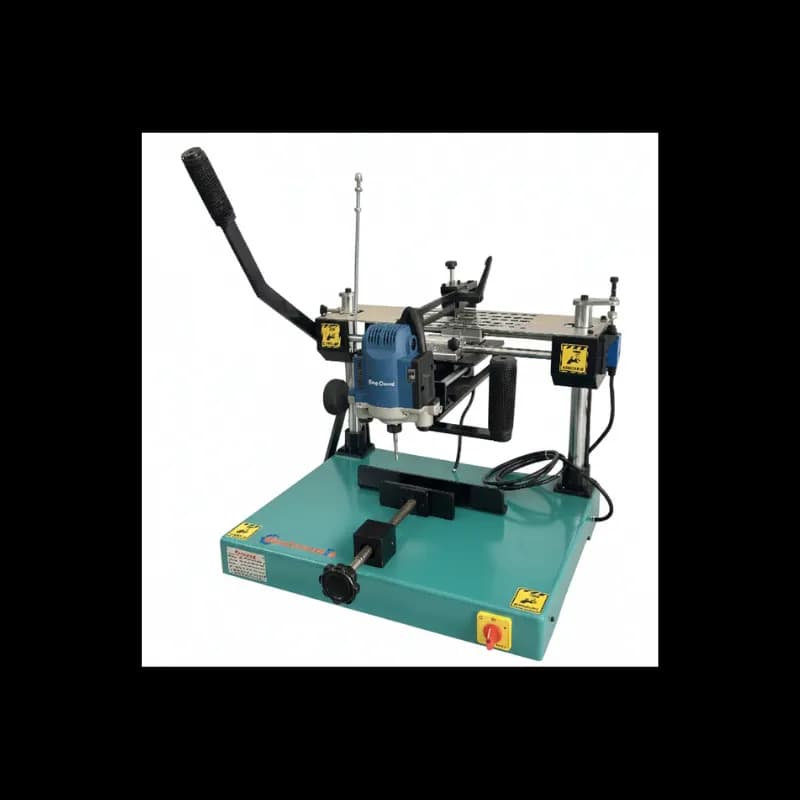
Transitioning to a fully automatic uPVC manufacturing unit or a CNC-driven aluminium line requires significant capital, but the ROI is typically realized within 14 to 18 months on large contracts. By integrating a high speed copy router for aluminium windows, you can process lock holes and handle slots in a single pass, reducing the labor cost per window by approximately 35%. This efficiency allows you to bid more competitively for massive government and private residential tenders in the East.
FAQ: Expert Insights for Fabricators
Q1: What is the ideal machine setup for a 100-window-per-day capacity? To hit this volume consistently, you need an automatic double head cutting machine, two copy routers, a heavy-duty end milling machine, and an automatic corner crimper. For uPVC, a double-head welder and a CNC corner cleaner are essential.
Q2: How does the local electricity supply in West Bengal affect machine choice? Many industrial areas in WB face voltage fluctuations. We always recommend choosing machines with built-in Phase Sequence Protectors and using a dedicated stabilizer for CNC units to prevent motherboard damage.
Q3: Can I use the same machine for both Aluminium and uPVC? Generally, no. The cutting speeds and blade types (TCT for aluminium vs. specific tooth geometries for uPVC) differ significantly. However, a copy router machine can often be used for both materials provided the RPM is adjustable.
Get more articles like this
Follow Mechnovate on Google to see our guides in Google Discover & News