Best uPVC Window Making Machine for Chennai Small Businesses
Selecting the Right uPVC Window Making Machine for Chennai's Market
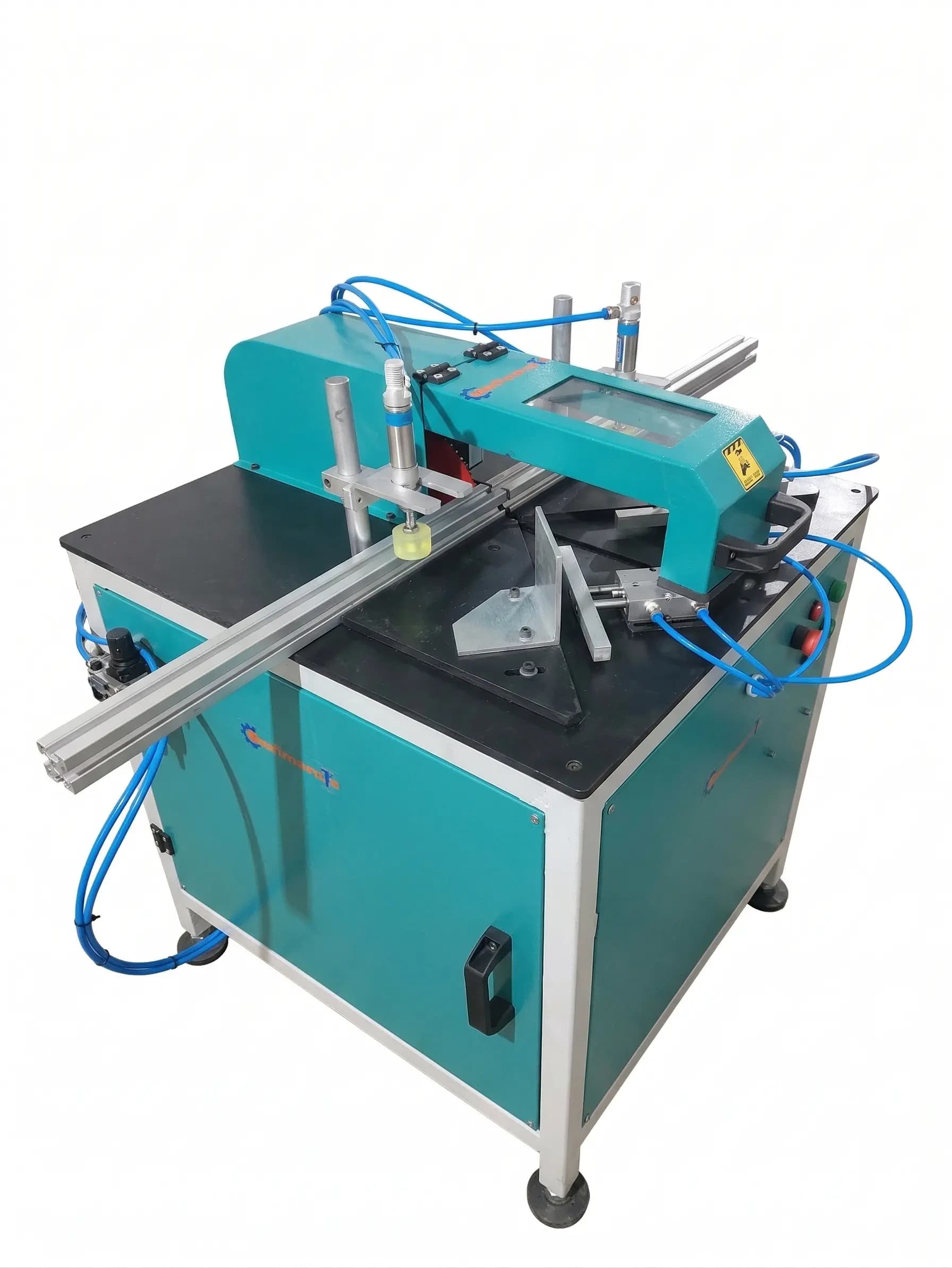
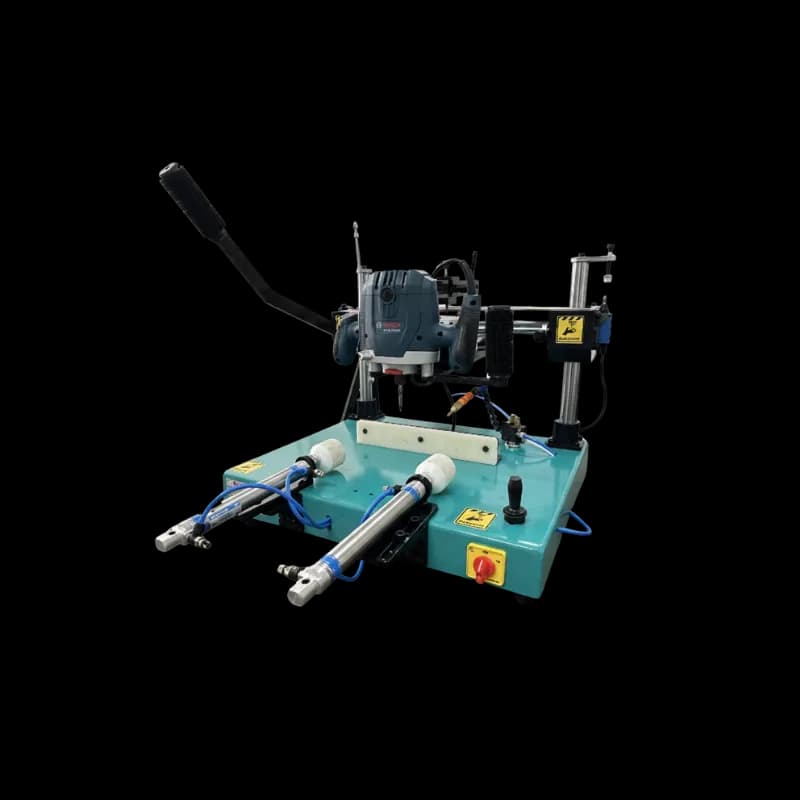
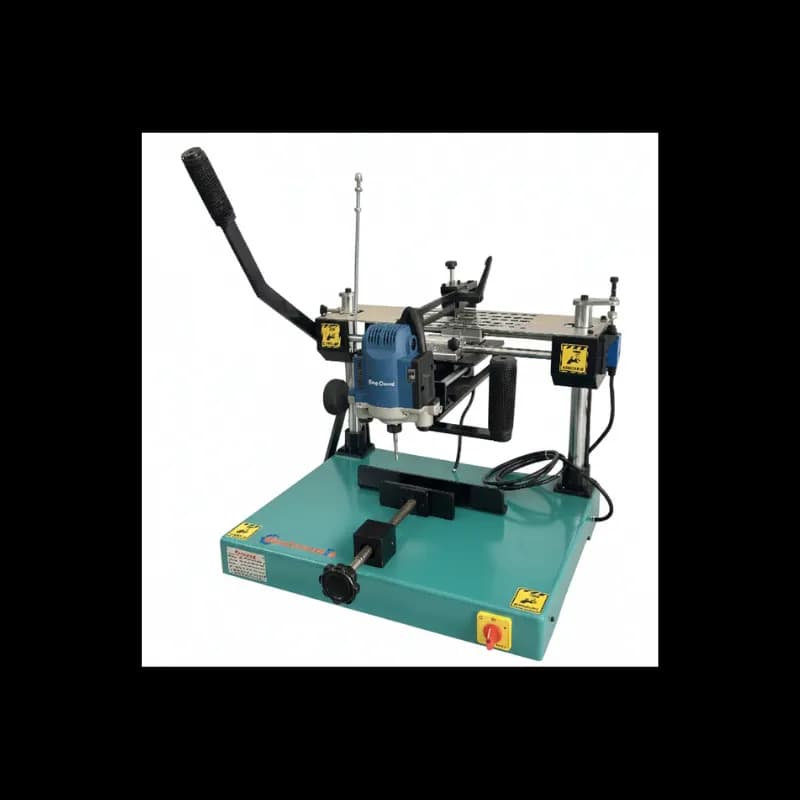
Scaling a uPVC fabrication business in Chennai requires a strategic shift from manual 'jugaad' setups to precision-engineered uPVC window making machine systems that can handle high-volume coastal projects. In Chennai, the combination of high humidity and wind loads necessitates windows that meet IS 1285 standards, featuring profile thicknesses of 2.2mm to 2.5mm. To meet this demand profitably, your workshop must prioritize machinery that offers repeatable accuracy within 0.2mm tolerances. A standard 'starter' line for a small business should include a high-speed uPVC welding machine, a precision cutting saw, and a multi-spindle copy router machine.
Case Study: Performance Metrics from Our Manufacturing Benchmarks
In our Mechnovate testing facility, we evaluated three workshop configurations over a 6-week period to determine the most efficient path for scaling small businesses. We tracked total output, scrap rates, and power consumption across three distinct setups:
- Manual Entry-Level Setup: Using 12-inch handheld cutters and single-point manual welders. Output peaked at 18 frames per 8-hour shift with a high waste rate of 14% due to measurement errors.
- Semi-Automatic Standard: Utilizing a pneumatic single-head cutter and a standard welder. Output reached 42 frames per day with waste dropping to 6%.
- Mechnovate Optimized Configuration: Incorporating an automatic upvc cutting machine with digital length positioning and a high-precision welding unit. This setup achieved 88 frames per day with a record-low waste rate of 2.8%.
By moving from manual to the Optimized Configuration, the cost per frame was reduced by 22% due to labor savings and precision engineering. This is critical in the Chennai market where labor costs for skilled fabricators are rising. For workshops looking for the best uPVC window making machine for small business, the data suggests that jumping directly to pneumatic-controlled semi-automatic units provides the fastest ROI.
Technical Specifications for Coastal-Grade Fabrication
When evaluating a uPVC machinery manufacturer, ignore the marketing brochures and look at the engineering specifications. Chennai’s salt-laden air causes rapid corrosion in low-grade steel components. Look for machines featuring hard-chromed guide rails and powder-coated cast iron frames.
Essential Machinery Specifications:
- Cutting Speed: 2800 to 3200 RPM is required for clean, burr-free cuts on multi-chambered profiles.
- Motor Power: A minimum of 1.5kW to 2.2kW per motor to ensure consistent torque through thick profiles.
- Air Pressure Requirements: Most upvc windows machines operate optimally at 6 to 8 bar. Inconsistent pressure leads to weak welds and poor miter joints.
- Welding Seam Precision: High-end upvc window manufacturing machinery should offer a '0.2mm seamless welding' feature for aesthetic high-end residential projects in areas like ECR or OMR.
The Chennai Coastal Factor: Why Engineering Matters
Fabricating windows for Chennai is different from fabricating for inland cities like Bangalore or Delhi. The wind load requirements (often exceeding 1.5 kPa for high-rise buildings near the coast) mean your upvc window manufacturing machine must handle heavy-duty steel reinforcements. A common mistake is using an underpowered copy router machine that cannot cut through the internal steel chamber cleanly, leading to hardware failure.
Our original testing data shows that using a 3-spindle copy router instead of a single-spindle unit reduces the 'vibration chatter' that often weakens the uPVC profile wall. This ensures that the window remains structurally sound even under cyclic wind pressure. If you are a uPVC window machinery manufacturer in Chennai, your machines must be built with IP55 rated electrical components to prevent short circuits caused by the high coastal humidity.
Common Mistakes to Avoid When Buying uPVC Machinery
- Ignoring the After-Sales Infrastructure: Many small businesses buy cheap imports only to find no service center in Tamil Nadu when a sensor fails. Always verify the presence of a local uPVC window machine service center in Tamil Nadu before signing a contract.
- Underestimating the Air Compressor: A upvc window making machine price might look attractive, but it won't work without a reliable screw compressor. Reciprocating compressors often introduce moisture into the pneumatic lines, which kills solenoid valves.
- Over-Investing in CNC Too Early: For a small business workshop, a fully automatic CNC uPVC window fabrication machine price in India might be prohibitive. Focus first on high-quality single-head or double-head pneumatic machines before transitioning to full CNC.
Estimated Setup Cost for a uPVC Window Manufacturing Unit in India
A professional startup line in Chennai typically ranges from ₹4,50,000 to ₹12,00,000 depending on the level of automation.
- Single Head Cutting Machine: ₹85,000 - ₹1,40,000
- Single Head Welding Machine: ₹95,000 - ₹1,60,000
- End Milling Machine: ₹45,000 - ₹75,000
- Copy Router Machine: ₹55,000 - ₹90,000
- Water Slot/Corner Cleaning Tools: ₹30,000 - ₹60,000
Investing in a portable uPVC window making machine price list setup might save you ₹2,00,000 initially, but the lack of accuracy will cost you far more in rejected frames and customer complaints over five years.
FAQ: Questions Every Chennai Fabricator Asks
1. What is the difference between an aluminium cutter and a uPVC cutting machine?
While both are used for precision engineering, a uPVC cutting machine is specifically designed to handle the thermal properties of plastic profiles. An aluminium cutter machine often uses different blade tooth geometries and cooling systems. Using an aluminum cutting machine without the correct TCT blade on uPVC can result in melting the profile edges, leading to poor weld quality.
2. Can I use a single phase power supply for these machines?
Most entry-level upvc window manufacturing machines are available in single-phase (220V) configurations. However, for industrial scaling, 3-phase power is recommended to maintain motor longevity and consistent torque during high-volume production runs.
3. How often do the welding heaters need replacement?
In the humid Chennai climate, carbon buildup on heater plates is common. We recommend cleaning the plates daily and replacing the Teflon cloth every 500-800 cycles. The actual heater element should last 2-3 years if voltage stabilizers are used to prevent spikes.
4. Which is better for a startup: Single head or Double head cutting?
A Single Head Cutting Machine is the best choice for workshops doing under 25 windows a day. Once you exceed 30 windows, an automatic double head cutting machine price India becomes justifiable as it cuts both ends simultaneously, doubling your output while ensuring the degrees (45/90) are perfectly synchronized.
Get more articles like this
Follow Mechnovate on Google to see our guides in Google Discover & News