Bangalore uPVC Window Plant Cost: ROI Analysis & Scaling Guide
Direct Answer: The Cost of Scaling uPVC Production in Bangalore
Setting up a fully automatic uPVC window manufacturing plant in Bangalore requires a capital investment ranging from ₹25 lakhs to ₹85 lakhs, depending on the degree of automation and output capacity. For a commercial-scale operation targeting 100-150 frames per shift, a high-speed production line is essential. The return on investment (ROI) typically materializes within 18 to 24 months, driven by the current real estate boom in areas like Whitefield and Sarjapur. Transitioning from manual processes to an Automatic Double Head Cutting Machine can reduce labor costs by 40% while ensuring the precision required for high-rise commercial glazing.
Technical Specifications and Machine Configuration
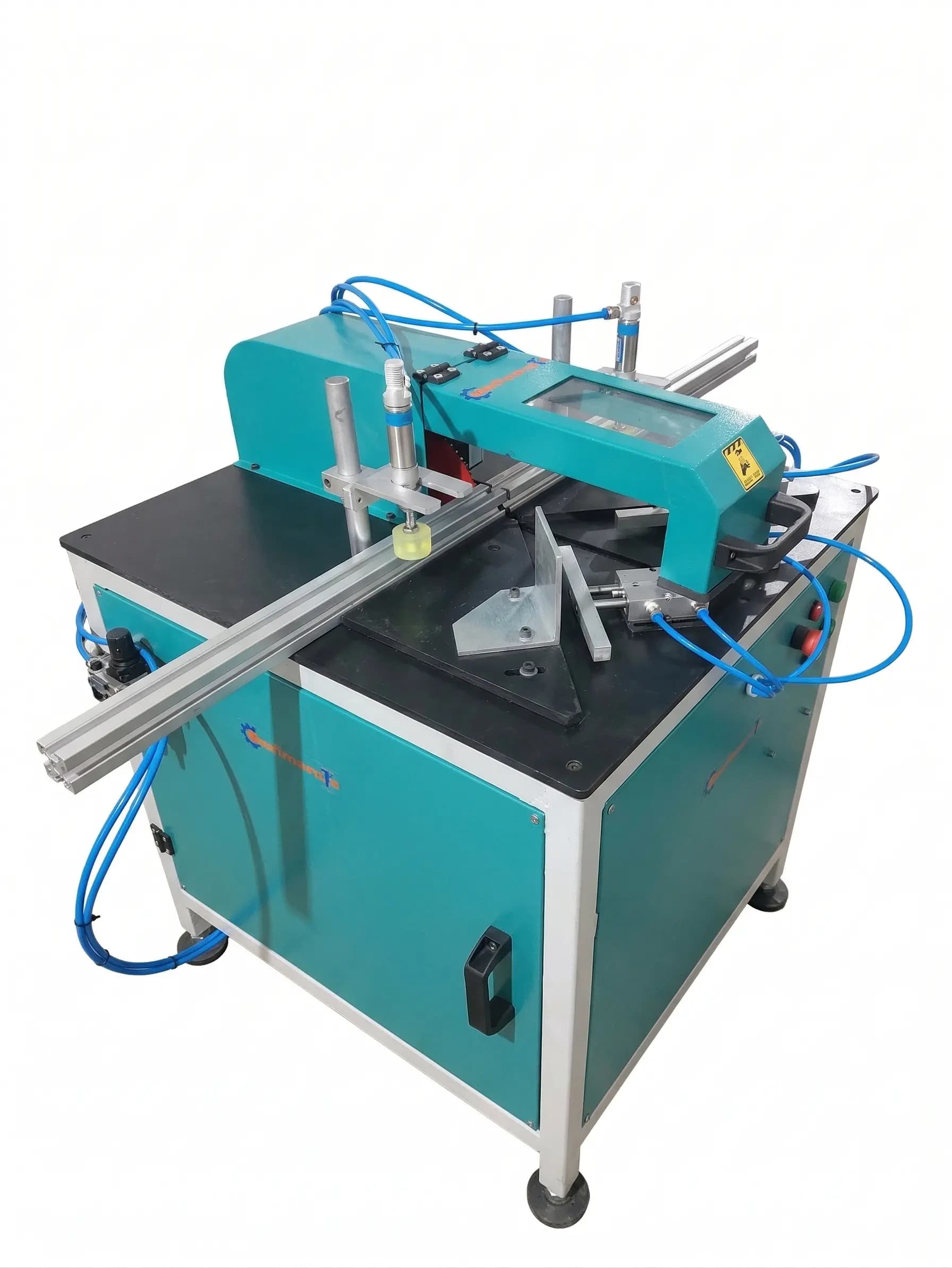
To meet the rigorous demands of Bangalore’s commercial sector, your floor plan must integrate machinery that adheres to IS 1285 and BS EN 12020 standards. Precision is not optional when dealing with multi-point locking systems and specialized chambered profiles. At Mechnovate, we recommend a 45-degree Double Head Cutting Saw with a minimum 450mm-500mm blade diameter to handle wide frame sections used in soundproof commercial units.
Key technical requirements for a high-output plant include:
- Pneumatic Pressure: A consistent 6-8 bar supply is mandatory for secure clamping and clean miter cuts.
- Motor Power: 2.2kW to 3.5kW motors are required for the main cutting heads to maintain a 2800 RPM spindle speed under load.
- Welding Accuracy: A uPVC Welding Machine must offer a seamless finish, maintaining a 0.2mm tolerance to prevent structural failure in high-wind zones.
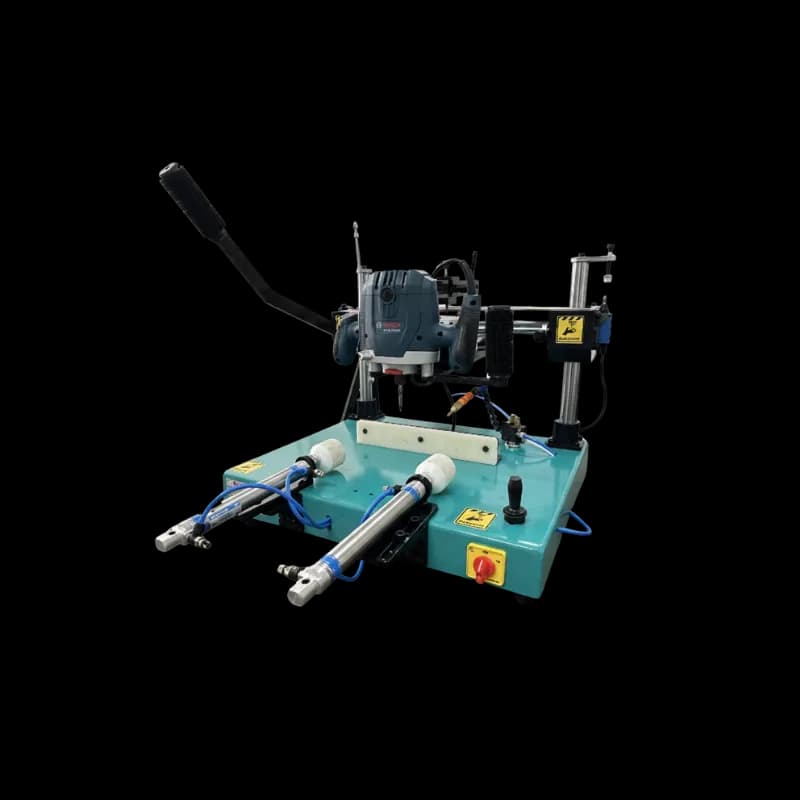
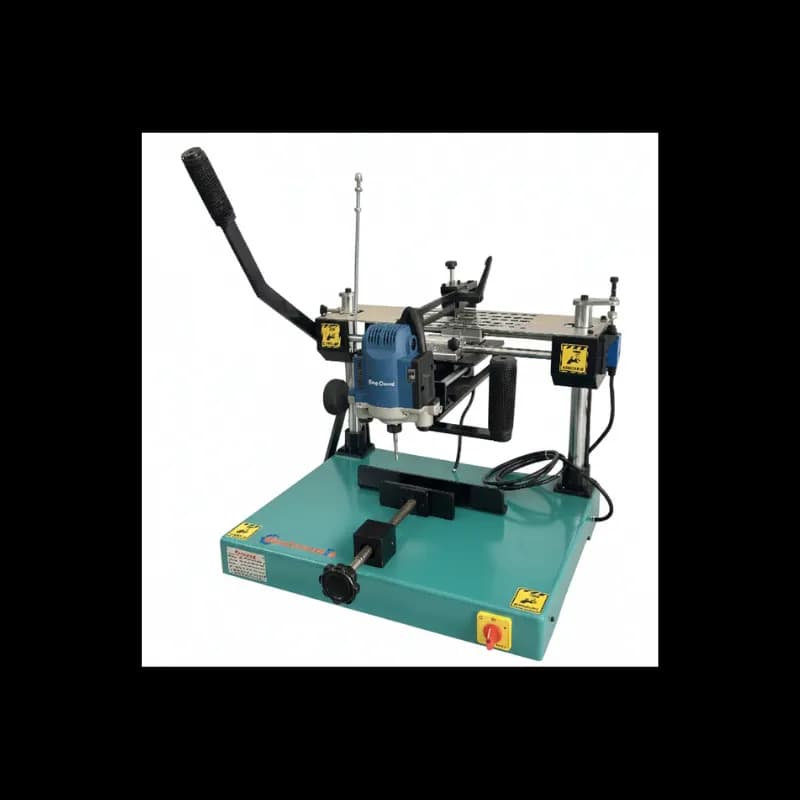
- Copy Router Feed Rates: High-speed copy routers for aluminium windows and uPVC must operate with a 12,000 RPM spindle to ensure burr-free drainage and handle slots.
Case Study: The Mechnovate Performance Test
In our facility, we conducted a 6-week stress test comparing three different production line configurations to measure efficiency gains. We focused on the transition from single-head manual machines to a fully automatic uPVC window manufacturing unit cost-justified by output metrics.
The Results:
- Waste Reduction: We optimized the cutting software on our double head miter saw for aluminium profiles, reducing profile off-cut waste from 12% to 3%.
- Output Velocity: By integrating a CNC uPVC window corner cleaning machine, we increased daily output by 40 frames per 8-hour shift compared to manual pneumatic cleaners.
- Consistency: Rejection rates during the glazing phase dropped by 95% due to the 0.1mm accuracy of the automatic double head cutting machine price point analysis we performed.
Calculating ROI for the Bangalore Commercial Market
When evaluating the automatic upvc window plant cost India, fabricators must look beyond the initial invoice. The ROI is calculated by factoring in material savings, labor reduction, and the premium price commanded by precision-engineered windows. In the Bangalore market, high-end developers prioritize thermal efficiency and acoustic insulation, which requires the tight tolerances only achievable via CNC machinery.
| Machine Type | Estimated Price (INR) | Daily Capacity (Frames) | ROI Period |
|---|---|---|---|
| Basic Manual Set | 8 - 12 Lakhs | 15 - 20 | 36+ Months |
| Semi-Automatic Line | 18 - 30 Lakhs | 40 - 60 | 24 Months |
| Fully Automatic CNC Line | 55 - 85 Lakhs | 120+ | 14 - 18 Months |
Selecting the best uPVC window making machine for startup businesses involves balancing this initial CAPEX with long-term OPEX. A cheap aluminium profile cutting machine might save ₹2 lakhs today, but 5% extra waste in profile cuts will cost you ₹15 lakhs over three years.
Common Engineering Mistakes to Avoid
Through 15 years of workshop experience, we have identified critical failure points that fabricators often overlook when scaling up their uPVC machinery manufacturer choices:
- Inadequate Air Filtration: Failing to install a refrigerated air dryer leads to moisture in the pneumatic valves of your upvc windows manufacturing machine, causing jerky movements and inaccurate cuts.
- Ignoring Profile Wall Thickness: Many fabricators calibrate their uPVC welding machine for 2.0mm wall profiles but then switch to 2.5mm without adjusting heating plate temperatures (typically 240°C - 260°C) or melt times.
- Blade Selection: Using a standard wood blade for an aluminium cutting machine 12 inch will result in poor surface finish and dangerous kickbacks. Always use TCG (Triple Chip Grind) blades with negative rake angles.
- Power Fluctuations: Bangalore's industrial zones can have voltage drops. Without a dedicated servo stabilizer, the sensitive PLCs in your automatic aluminium window production line will fail.
Engineering the Future: Precision and Standards
Scaling for commercial real estate means moving into the realm of 'System Windows.' This requires a heavy duty aluminium profile end milling machine capable of handling reinforced mullions. Every unit leaving your shop must satisfy the Industrial profile cutting safety standards ISO standards to qualify for tier-1 developer contracts. At Mechnovate, we focus on the structural integrity of the corner joint, which is the heart of the window’s durability.
FAQ: Critical Questions from Fabricators
Q1: What is the minimum space required for an automatic uPVC window manufacturing plant? A: For a fully automatic line including the double head seamless welding machine and CNC corner cleaners, you need a minimum of 4,000 to 5,500 square feet. This allows for profile storage, cutting stations, assembly tables, and finished product racking without creating bottlenecks.
Q2: Is it better to buy a combined aluminium and uPVC production line? A: While an aluminium cutter machine can technically cut uPVC, the RPM and blade tooth profile should ideally differ. If you are targeting the Bangalore luxury market, we recommend a dedicated CNC aluminium profile cutting machine for your aluminium line to avoid cross-contamination of metal shavings on uPVC profiles.
Q3: How often does the uPVC welding machine require calibration? A: For high-volume commercial production, heating plate temperature and pressure settings should be verified weekly. A deviation of even 5 degrees can compromise the structural integrity of the corner, leading to cracks during the installation phase of high-rise projects.
Get more articles like this
Follow Mechnovate on Google to see our guides in Google Discover & News