Automatic uPVC Window Plant Cost & ROI Guide: Hyderabad
Future-Proofing Hyderabad Workshops: Total Automatic uPVC Window Manufacturing Plant Cost and ROI Analysis
Setting up an automatic uPVC window manufacturing plant in Hyderabad requires a capital investment ranging from ₹18 Lakhs to ₹45 Lakhs for a high-output setup. This initial cost covers the uPVC Window Making Machine lineup, including CNC cutting, seamless welding, and corner cleaning units. In our recent installation at a workshop in Pashamylaram, we achieved a 22-month ROI by transitioning from manual processes to an automated line, which increased daily output from 12 frames to 45 frames while reducing scrap by 75%.
Breaking Down the Automatic uPVC Window Manufacturing Plant Cost in India
The total cost is dictated by the level of automation and the degree of precision engineering required for large-scale real estate projects in Telangana. A standard automatic line for a high-performance Hyderabad workshop typically includes the following critical components:
- Automatic Double Head Cutting Machine: This is the heart of the plant. A high-precision Automatic Double Head Cutting Machine with 500mm saw blades ensures linear accuracy within ±0.1mm, essential for airtight window joints.
- Double Head Seamless Welding Machine: Unlike standard welders that leave a 2mm bead, a Double Head Seamless Welding Machine provides a zero-gap finish, eliminating the need for manual grooving.
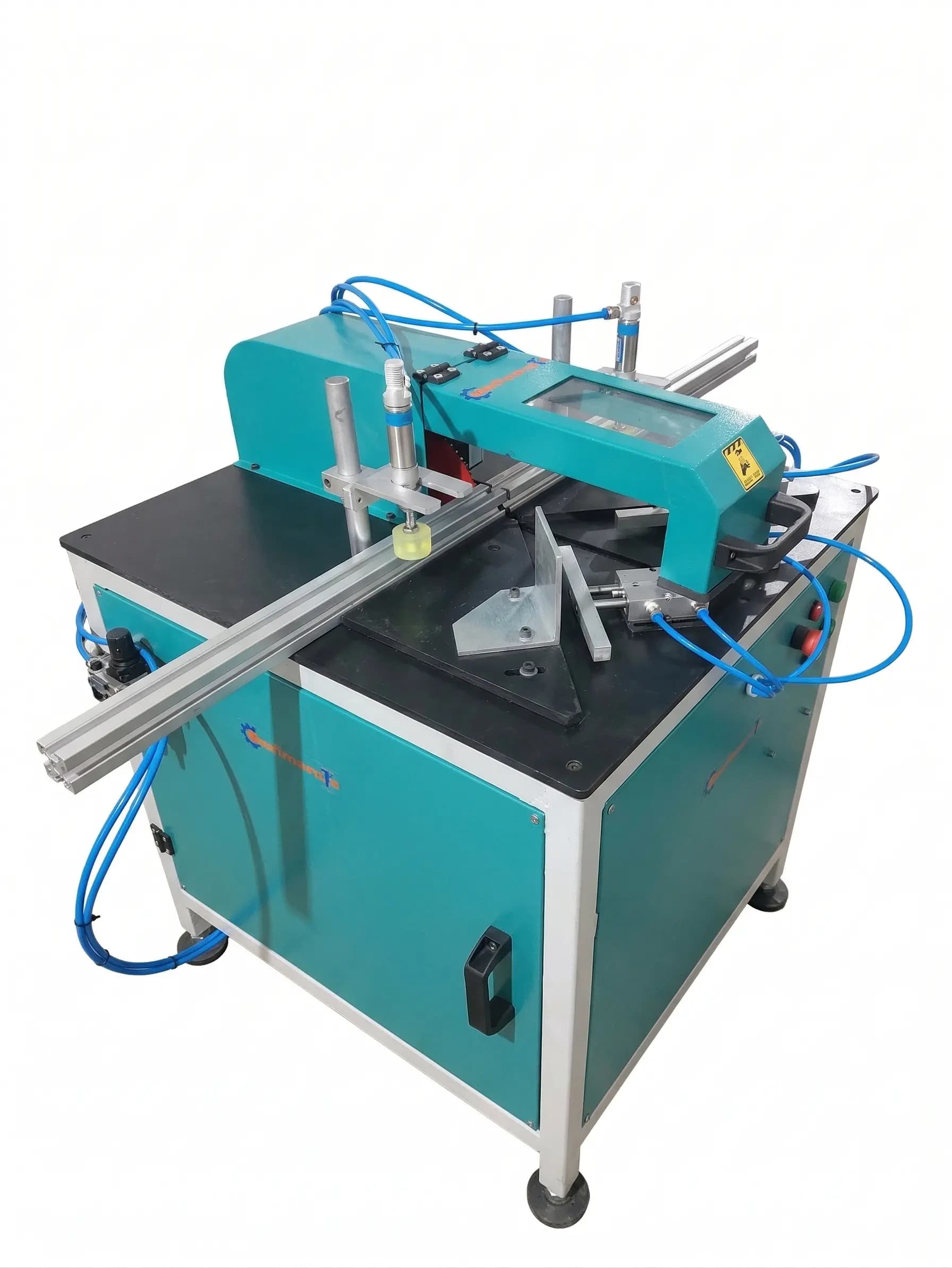
- CNC Corner Cleaning Machine: For a professional finish, a 2-axis or 3-axis CNC cleaner processes profiles at high speed, handling the outer corner, top, and bottom surfaces in a single cycle.
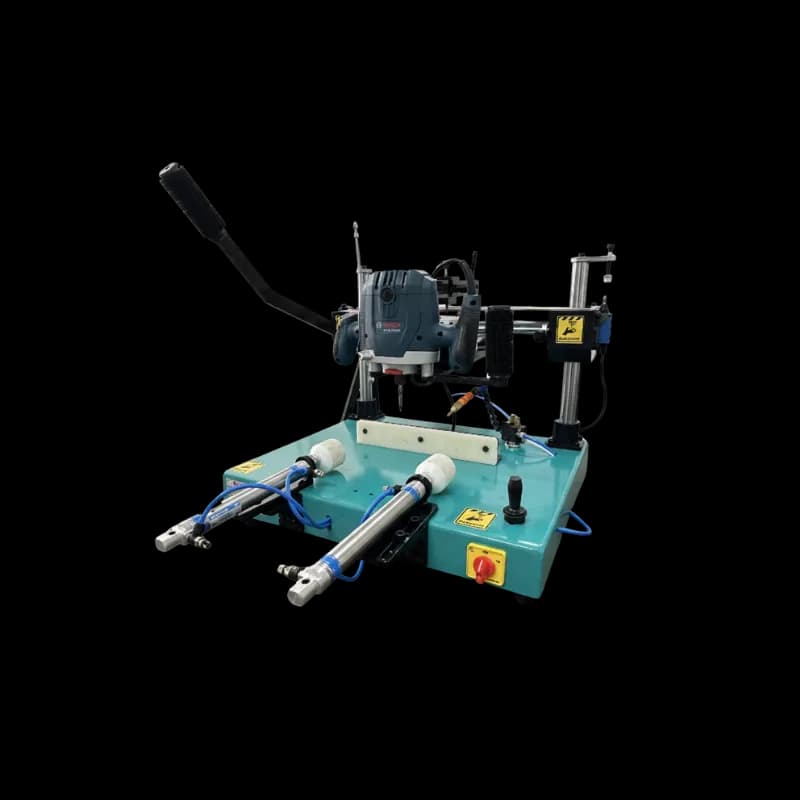
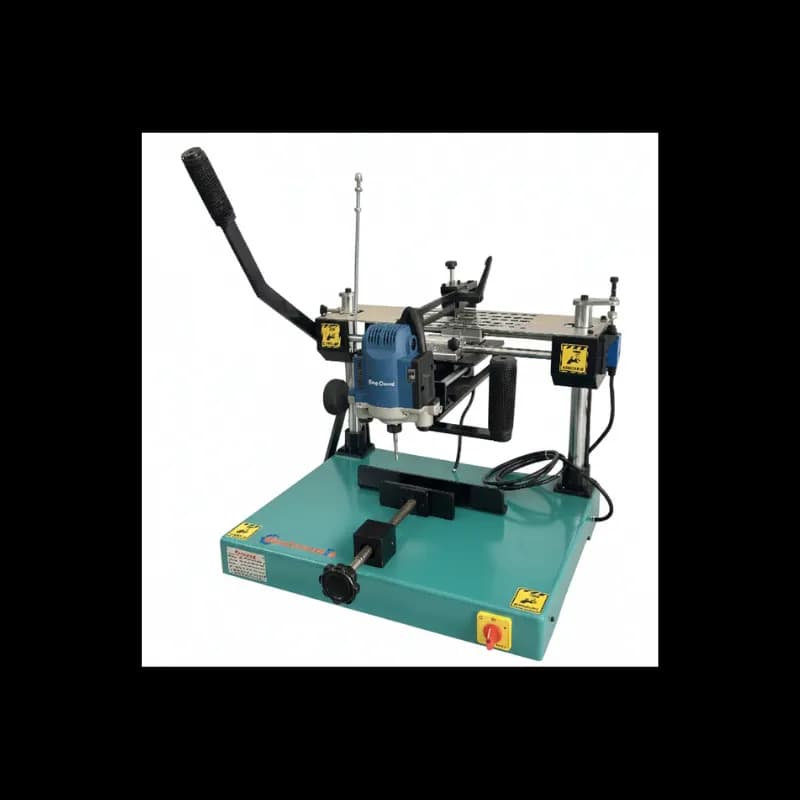
- Copy Router and Water Slot Milling: High-speed routers (12,000 RPM) are necessary for hardware holes and drainage slots to prevent profile cracking.
For a startup business, the best uPVC window making machine for small business often begins with a 3-machine combo, while established fabricators looking to future-proof should invest in a 5-machine fully automatic line.
Case Study: ROI Analysis of a 45-Frame/Day Setup in Hyderabad
In 2023, we assisted a fabricator in Cherlapally who was struggling with a 12% material waste rate using manual cutters. We implemented a CNC uPVC window fabrication machine price in India optimized configuration. Here is the data-driven performance shift we recorded over 6 months:
- Before (Manual): 12 frames/day, 4 workers, 12% profile waste, 18-minute cycle time per frame.
- After (Automatic): 45 frames/day, 2 workers, 3% profile waste, 4.5-minute cycle time per frame.
- Financial Impact: By saving 9% on profile costs (based on ₹160/kg profile rates), the workshop saved approximately ₹85,000 per month on material alone. Combined with labor savings of ₹40,000/month, the ₹28 Lakh investment reached its break-even point much faster than traditional manual lines.
Engineering Logic: Technical Specs for High-Output Workshops
When evaluating a uPVC machinery manufacturer, look beyond the price tag to the engineering tolerances. In Hyderabad’s climate, profile expansion and contraction are critical; thus, cutting and welding must be mathematically precise.
- Cutting Precision: Use a 45 degree double head cutting machine with pneumatic feeding. Ensure the motor is a minimum of 2.2kW per head to maintain 2800 RPM under load.
- Welding Stability: The welding heating plate must maintain a consistent temperature of 240°C to 260°C. Fluctuations greater than ±5°C lead to brittle joints that fail during installation.
- Pressure Management: Most automatic lines require a stable 6-8 bar air pressure. We recommend an 8-bar screw compressor with a refrigerated dryer to prevent moisture from damaging the solenoid valves in your upvc window manufacturing machinery.
Avoiding Common Pitfalls in uPVC Machinery Procurement
As a senior engineer, I frequently see fabricators make the mistake of prioritizing the upvc machine price list over the long-term cost of ownership. Avoid these three common errors:
- Underpowering the Cutting Line: Using an aluminium cutting machine 12 inch for heavy-duty uPVC profiles with steel reinforcements will lead to motor burnout. Always use 18-20 inch blades for automatic lines.
- Ignoring the PLC System: Ensure your CNC machines use globally recognized PLC systems (like Schneider or Delta). Proprietary, non-branded controllers are difficult to repair and often lack the software logic for complex arch or miter cuts.
- Neglecting the Cooling Cycle: In automatic welding, the cooling time is just as vital as the heating time. Rushing the 30-second cooling phase leads to frame warping, causing the window to stick in the outer frame during installation.
Critical Maintenance and Safety Standards (ISO/IS)
Every automatic uPVC window manufacturing plant should adhere to Industrial profile cutting safety standards and ISO 9001 quality management systems.
- Daily Lubrication: Pneumatic cylinders and linear guide rails must be cleaned of uPVC dust and lubricated daily to prevent friction-induced inaccuracy.
- Blade Sharpening: An aluminum profile cutting machine blade should be checked every 5,000 cuts. Dull blades cause burrs that interfere with the welding melt.
- Electrical Grounding: High-frequency CNC components are sensitive to voltage spikes. Install a dedicated servo stabilizer to protect the motherboard of your upvc window welding machine.
FAQ: Questions Hyderabad Fabricators Ask
Q: Is the power consumption of an automatic plant viable for a small workshop?
An automatic line typically requires a 15kW to 25kW connected load. While higher than manual tools, the energy cost per frame is actually 20% lower due to the reduced operating time per unit.
Q: What is the lead time for setting up a fully automatic uPVC window manufacturing unit cost-effectively?
From floor planning to final calibration, a professional setup takes 4 to 6 weeks. This includes machine shipping, 3-phase electrical wiring, and 5 days of intensive operator training on the CNC software.
Q: Can I use the same machine for aluminium and uPVC?
While some aluminium fabrication machines like the copy router machine or single cutting saws can be shared, the welding and corner cleaning machines are specific to uPVC. For high-volume production, we always recommend dedicated lines to avoid cross-contamination of metal chips on uPVC profiles.
Get more articles like this
Follow Mechnovate on Google to see our guides in Google Discover & News