Achieving Zero-Gap 45-Degree Joints: Thane Fabricator Guide
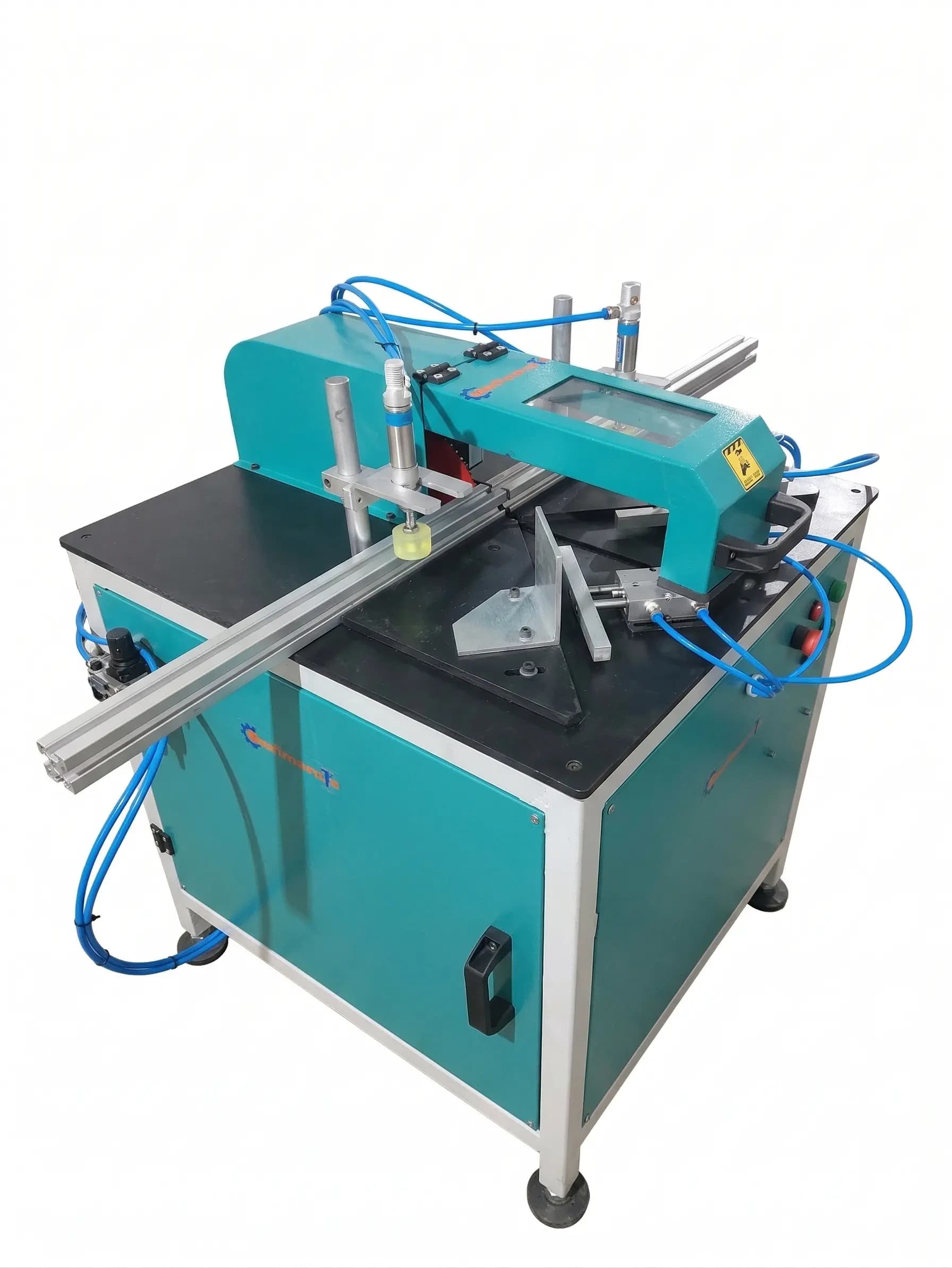
To achieve a zero-gap 45-degree joint for high-rise projects in Thane, fabricators must maintain a cutting tolerance of within ±0.1mm and utilize a degree cutting machine equipped with a hydro-pneumatic feed system. In high-wind zones like Ghodbunder Road or Majiwada, even a 0.5mm gap in an aluminium profile cutting machine output can lead to air infiltration and structural whistling at 15+ floors. This guide outlines the engineering precision required to meet BS EN 12020 standards and provide a leak-proof finish for premium residential developments.
The Engineering behind the Perfect 45-Degree Cut
Precision in 45 Degree Double Head Cutting Machine technology is not just about the motor power; it is about the structural rigidity of the machine bed. For Thane's high-rise specifications, where profiles often exceed 2.5mm wall thickness, a standard 12 inch aluminium cutter machine often fails due to blade deflection. At Mechnovate, our 15 years of workshop experience has shown that using a 500mm TCT (Tungsten Carbide Tipped) blade with a 100-120 tooth count is essential for burr-free finishes.
Key technical specifications for zero-gap joints include:
- Spindle Speed: 2800 to 3200 RPM for clean entry and exit.
- Feed Rate: Controlled via a hydro-pneumatic cylinder (0.5 to 2.0 m/min) to prevent profile 'snagging'.
- Air Pressure: A consistent 6-8 bar, ideally managed through a dedicated reservoir to prevent clamping fluctuations.
- Clamping: Triple-action pneumatic vertical and horizontal clamps to ensure zero profile movement during the stroke.
Case Study: Optimizing a 200-Unit Project in Ghodbunder Road
In early 2023, we worked with a Tier-1 fabricator in Thane who was facing a 15% rejection rate on corner joints for an 18-story project. The issue was not the skill of the labor but the heat-induced expansion of their existing manual degree cutting machine. We implemented a semi-automatic Automatic Aluminium Corner Crimping Machine and a high-precision 45 Degree Double Head Cutting Machine with a digital display for length measurement.
Over a 6-week testing period, the results were measurable:
- Waste Reduction: Cutting scrap reduced from 12.5% to 2.8% due to the precision of the length stoppers.
- Output Increase: The facility moved from 40 frames per day to 75 frames per day without adding staff.
- Accuracy: We achieved a consistent tolerance of ±0.05mm, satisfying the project's stringent ISO 9001 quality audit. This ensured that every joint was 'zero-gap' before the crimping process even began.
Technical Comparison: Aluminium vs uPVC Cutting Dynamics
Whether you are using an aluminium cutting machine or a upvc windows making machine, the physics of the miter joint differ significantly. Aluminium requires mist lubrication to prevent galling, whereas uPVC requires high-speed extraction to prevent the melting of the profile edge. For a high-speed CNC Copy Router Machine, the feed must be consistent to avoid micro-cracks in the uPVC chamber walls.
| Feature | Aluminium Profile Cutting | uPVC Window Manufacturing |
|---|---|---|
| Blade Type | TCT Negative Rake | HSS or TCT Positive Rake |
| Cooling | Oil-Mist Spray Required | Air-Blast or Dry |
| Motor | 2.2kW High Torque | 1.5kW to 2.2kW |
| Standard | IS 1285 / BS EN 12020 | ISO 1163 |
Avoiding Common Pitfalls in Degree Cutting
One of the most frequent mistakes we see in Thane workshops is neglecting the 'heeling' of the blade. If the blade is not perfectly perpendicular to the cutting table, the 45-degree angle will be 'open' at the top or bottom of the miter. This cannot be fixed by a corner crimper; it must be corrected at the source.
- Calibration Check: Use a 0.05mm feeler gauge to check the gap between the blade and the square. Even a hair's width of deviation at the base results in a 1mm gap at the top of a 100mm profile.
- Vibration Management: Ensure your aluminium profile cutting machine is anchored to a reinforced concrete floor. High-speed vibrations in Thane's coastal humidity can lead to micro-pitting on the cutting surface if the machine isn't leveled correctly.
- Blade Maintenance: Never wait for the blade to go dull. A dull blade generates heat, which expands the profile during the cut, leading to 'short' pieces once the metal cools down.
Setup Costs and ROI for Thane Fabrication Units
Investing in a high-quality upvc machine price list or an automatic double head cutting machine price India often deters small businesses, but the ROI is typically realized within 8-12 months through labor savings and material optimization. When evaluating the aluminium cutter machine price, consider the cost of rework. A single rejected window in a Thane high-rise can cost more in logistics and installation delays than the price difference between a manual and a CNC-controlled cutter.
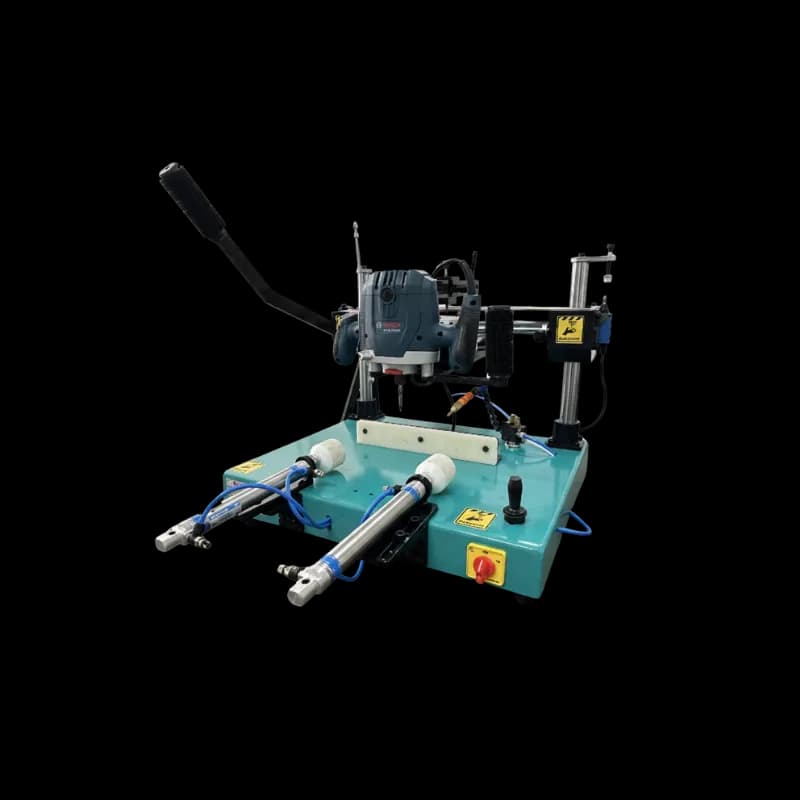
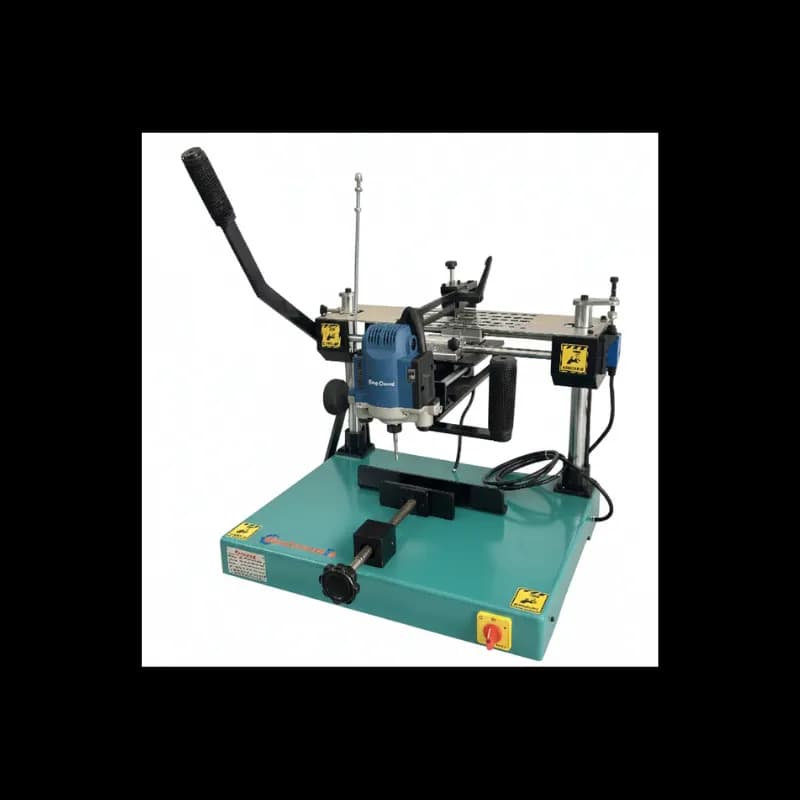
For fabricators looking to scale, starting with a heavy duty aluminium profile end milling machine and a semi-automatic degree cutting machine provides the best balance of precision and capital expenditure.
FAQ: What Every Thane Fabricator Asks
Q: Can I use the same machine for both uPVC and Aluminium? No. While the frames look similar, the RPM requirements and blade geometry are fundamentally different. Using an aluminium cutter for uPVC without speed control often leads to melting and poor weld strength in the upvc welding machine stage.
Q: What is the ideal blade size for heavy-duty sliding systems? For modern 3-track sliding systems used in high-rises, we recommend a 500mm blade. This allows for a deeper cutting capacity at 45 degrees, which a standard 12 inch (300mm) or 350mm blade cannot handle in a single pass.
Q: How do I ensure the safety of my operators? Always ensure your degree cutting machine complies with Industrial profile cutting safety standards (ISO standards). This includes two-hand safety starts, automatic protective hoods, and emergency stop buttons within easy reach.
Get more articles like this
Follow Mechnovate on Google to see our guides in Google Discover & News